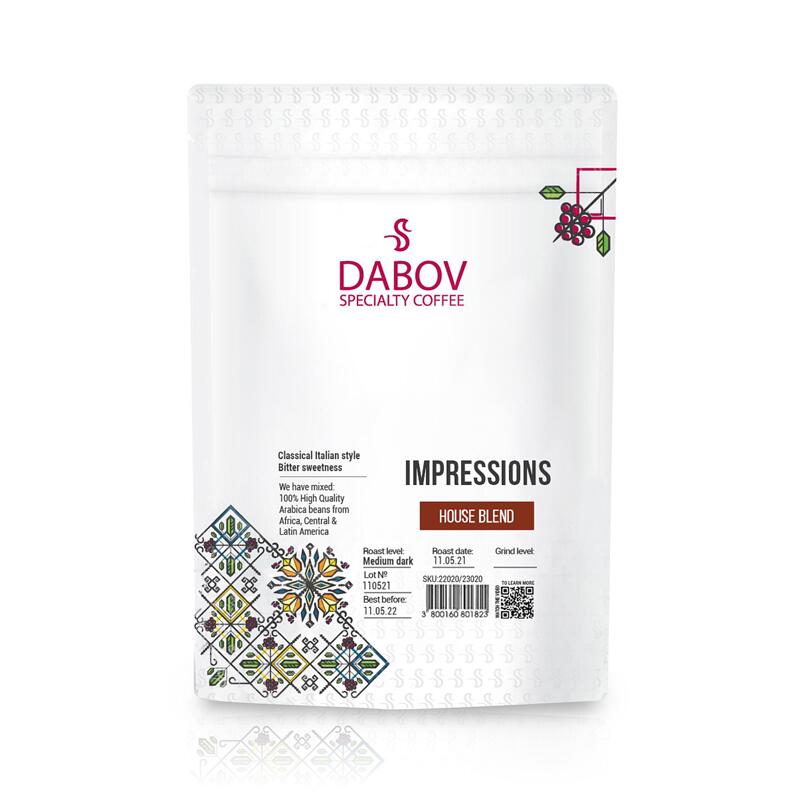
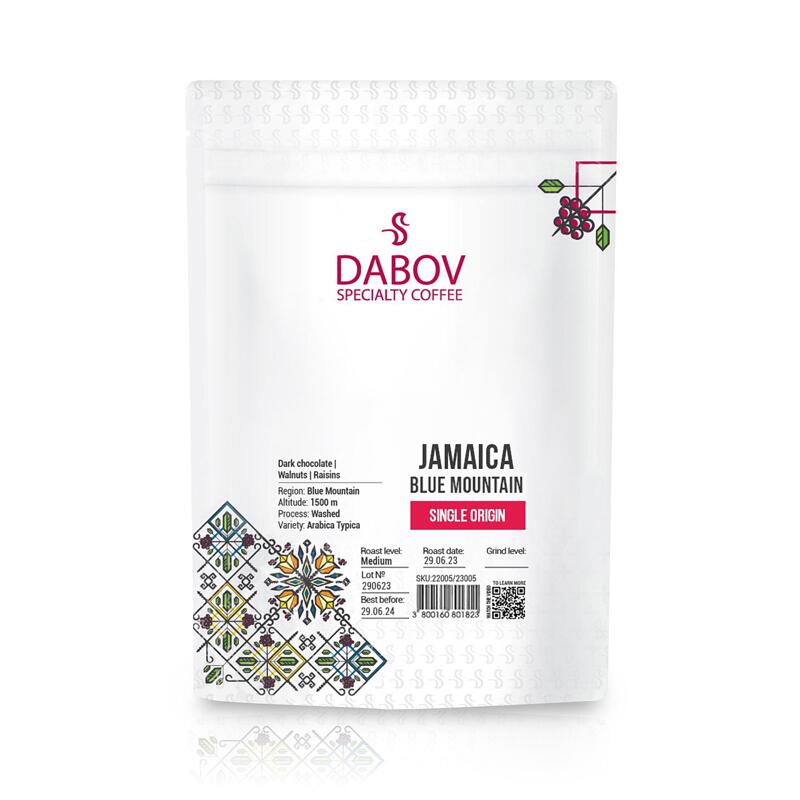
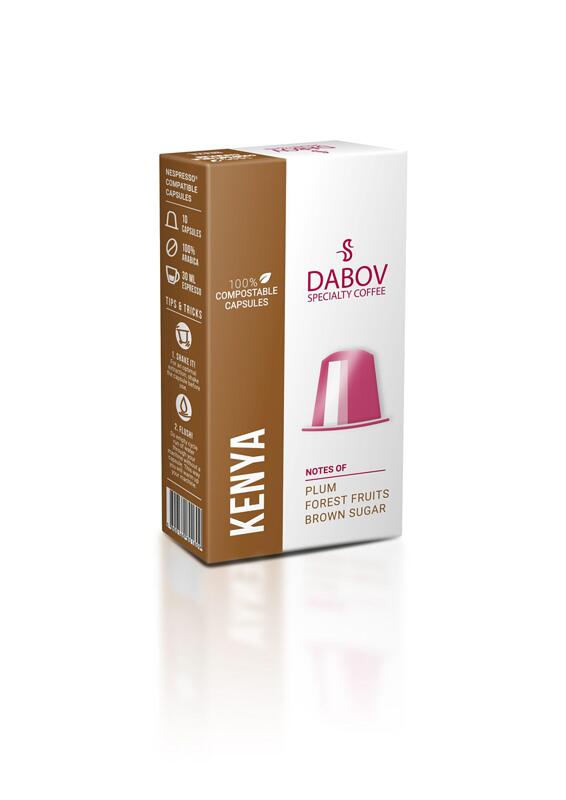
A coffee subscription is worth choosing on five decisions: delivery frequency matched to how much you actually brew, pause and cancel terms that cost nothing, rotating origins versus a coffee you fix on, single roaster versus a multi-roaster box, and price per cup rather than price per bag. Get those right and the plan saves money and keeps better coffee in the hopper. Get them wrong and you stockpile bags you cannot drink in time. This guide walks through each decision, states exactly what DABOV's Coffee Club does on every one of them, and flags the situations where no subscription is the right answer.
How a coffee subscription works
A coffee subscription is a repeating order: you pick a plan, the roaster ships coffee on a cadence, and your card is charged each cycle. On DABOV's subscription plans, the first cycle is charged at sign-up and later cycles are charged on the cadence you chose. You can skip, swap, or update the order any time before the next charge, pause for a trip or an overstocked freezer, and cancel from your account with no fees.
That last sentence is the part worth reading twice. Mechanics differ less between services than terms do, and terms are where a cheap plan becomes expensive. For the wider market view across services and roasters, see our guide to coffee subscription services.
Decision 1: single roaster or multi-roaster box
A multi-roaster subscription trades across many roasting companies. Trade Coffee, for example, matches you to coffee from independent US roasters, with each bag shipped directly from the roaster that made it. The upside is breadth; the downside is that no single roaster is accountable for the whole experience, and curation quality varies from cycle to cycle.
A single-roaster subscription bets on one company's sourcing and roasting. Atlas Coffee Club sends a different country's coffee each month with flavor notes and a postcard, and Blue Bottle's subscription plans start at $22 with skip, pause, and cancel managed from your account. You get a coherent point of view instead of a sampler.
The honest answer: if you cannot name a roaster you trust yet, a multi-roaster box is a research tool. Once you can, a single-roaster plan with a strong sourcing story gives you more depth per dollar. DABOV is a single roaster, and its rotation leans on competition lots: the Coffee Club pool includes Cup of Excellence micro-lots alongside single-origins and blends, roasted in small batches.
Decision 2: how often coffee should arrive
Frequency is the decision buyers get wrong most often. A 12 oz bag yields roughly two to three weeks of cups for a one-cup-a-day drinker, so a weekly plan outpaces almost everyone. The pattern that works: count the cups you brew per week, divide by the cups a bag gives you, and choose the cadence that lands a new box when the last one empties, not before.
- the cadences that fit a cup a day
Use the coffee bag calculator to turn your daily cups into bags per month before you commit to a cadence.
A plan you can always finish beats a plan that occasionally buries you, because unbrewed coffee stales while you pay for the next cycle.
Decision 3: rotating origins or a fixed coffee
Rotating subscriptions, sometimes marketed as a coffee of the month club, send something new each cycle: a different origin, process, or producer. They suit drinkers who want to learn what they like and who get bored drinking the same bag twice. The cost is variability; a washed Ethiopia and a natural Brazil are different drinks, and some cycles will not be your favorite.
Fixed-coffee subscriptions send the same coffee every cycle. They suit the drinker who has found their coffee and wants it to keep arriving. There is a middle path worth knowing: a roaster's choice plan, where the roaster picks for you each cycle from a lineup. That is effectively what Box by DABOV does, curating an assortment of origins and processing styles for each cycle rather than locking you to one bag or one origin.
If you would rather fix on a single coffee, a rotating plan is the wrong tool; reorder the bag you love instead. The picks below name one core-line coffee for each main profile.
- the middle path: roaster's choice
Decision 4: pause, skip, and cancel terms
This is the decision listicles bury and buyers feel first. Before you subscribe, confirm three things: can you skip a cycle without canceling, can you pause for a defined period, and can you cancel without emailing support or paying a fee. A service that makes leaving hard is pricing your inertia.
Decision 5: what a cup actually costs
Comparing bag prices across services misleads, because bag sizes and cadences differ. The number that compares cleanly is price per cup: divide the price per cycle by the number of cups that cycle delivers. A $20 bag that yields 25 cups costs $0.80 per cup; a $14 bag that yields 15 cups costs more. Include the terms in the math, because a skipped cycle you control is a discount a rigid plan cannot match.
- price per cup: the number that compares cleanly
Subscription coffee also competes with a different baseline than supermarket bags. In Wirecutter's two-month test across nine households, every subscription delivered coffee usually one to two days after the roast date, and the reviewer noted supermarket bags with roast dates up to three months old. Per cup, fresher coffee is simply worth more of the price.
Decision table: what you need versus what to check
| You need | What to look for | DABOV's answer |
|---|---|---|
| One or two cups a day | Monthly or every-2-month cadence | Both cadences offered on Box by DABOV |
| Variety each cycle | Curated rotation, not a fixed bag | Assortment of origins and processing styles, curated to order |
| Competition-grade coffee | Cup of Excellence or jury-scored lots | Cup of Excellence micro-lots in the rotation |
| Flexibility to skip | Skip or swap before the next charge | Skip, swap, or update any time before the next charge |
| No lock-in | Self-serve cancel, no fees | Cancel from your account, no fees or penalties |
| A coffee you already love | Fixed-coffee plan or single bags | Core line sold as individual bags (Brazil, Colombia, Ethiopia, Signature Blend) |
| Gifting | Recipient shipping plus a note | Gifting with recipient name, email, address, and a personalized message |
When a coffee subscription is not worth it
No subscription beats buying bags outright in these cases:
- You brew less than a bag a month. Buy bags as needed; a cadence outpacing your consumption is money in a cupboard.
- You drink one coffee, one way, and have no interest in variety. A fixed bag reordering is cheaper than a curation fee in disguise.
- You travel for weeks at a time and will not manage pauses. Unless skipping is genuinely one tap, bags win.
- You want decaf-only or capsules on a schedule. Check that a service's rotation includes what you actually brew before signing up.
Our picks
Box by DABOV. The plan behind both live subscription pages: a curated specialty coffee assortment built for tasting a range of origins and processing styles side by side rather than committing to a single bag, delivered monthly or every 2 months. Choose it if you want the rotation to include competition lots without hunting for them: the Coffee Club cycle draws on single-origins, blends, and Cup of Excellence micro-lots, and every box is assembled for your cycle rather than pulled from pre-packed stock. Box by DABOV.
If you would rather skip the rotation and keep one coffee arriving, these four core-line coffees are the fixed alternative:
Brazil by DABOV. Medium-roast natural Brazil from Sul de Minas with almond, apricot, and cocoa liqueur notes. Choose it if you land on the full-bodied, chocolatey end of the rotation and want that same cup every cycle. Brazil by DABOV.
Colombia by DABOV. Washed, medium-roast Colombia with brown sugar, dried fig, and roasted hazelnut in a balanced profile built for filter or espresso. Choose it if you want one clean, balanced coffee that suits both brew styles. Colombia by DABOV.
Ethiopia by DABOV. Medium-light natural Heirloom Ethiopia with berries, honey, and orange. Choose it if the bright, fruit-forward cycles are the ones you finish first. Ethiopia by DABOV.
DABOV Signature Blend. Light-roast 100% Arabica house blend with berries, chocolate, mango, and almonds. Choose it if you want one house blend instead of tracking single-origin cycles. DABOV Signature Blend.
For the terms around any of these plans: pause, swap, or cancel anytime from your account with no fees; the full plan list lives on DABOV's subscriptions page and the Coffee Club hub at /coffee-club.
Mistakes to avoid
- Subscribing weekly when you brew a cup a day, then letting bags pile up past their best window.
- Comparing bag prices instead of price per cup across different bag sizes.
- Signing up before reading the pause and cancel terms, then discovering cancellation means an email thread.
- Choosing a rotation for the fantasy drinker you are, not the cups you actually brew.
How to gift a coffee subscription
A subscription gift works differently from a gift card: you are billed on the cadence you choose, and the coffee ships directly to the recipient's address. On DABOV's plans you enter the recipient's name, email, and delivery address, and they receive an email at sign-up with a personalized message from you. A monthly coffee subscription gift suits a drinker who would never buy a $29 competition lot for themselves but will absolutely brew one you sent.
A gift that outlasts the recipient's habit becomes a chore; the pause button is the gift's real safety net.
Frequently Asked Questions
How does a coffee subscription work?
You choose a plan and a cadence, the roaster ships coffee on that schedule, and your card is charged each cycle. Good services let you skip, swap, or update the order before the next charge, and cancel anytime without fees.
How do I choose a coffee subscription?
Decide five things before comparing brands: how often coffee should arrive based on your real consumption, whether you want rotating origins or a fixed coffee, single roaster versus multi-roaster, the pause and cancel terms, and the price per cup rather than per bag. Then check the service's terms against those decisions.
Is a coffee subscription worth it?
It is worth it when the cadence matches your consumption and the coffee is fresher or better than what you would otherwise buy. It is not worth it if you brew rarely, want zero variety, or would ignore shipments past your drinking pace.
Are coffee subscriptions cheaper than buying coffee in a store?
Subscribers typically pay less per bag than one-off buyers for comparable specialty quality, and the bigger saving versus a supermarket bag is freshness: subscription coffee usually ships within a day or two of roasting, while store bags commonly sit up to three months past the roast date.
How often should a coffee subscription deliver?
Match it to consumption: a one-cup-a-day drinker generally finishes a bag in two to three weeks, so monthly or every-2-month plans fit one-person households, while multi-cup households need shorter cadences or more bags per cycle.
What is the difference between a multi-roaster and a single-roaster subscription?
A multi-roaster subscription curates coffee from many roasting companies for breadth; a single-roaster subscription ships one company's coffees for a coherent sourcing and roasting point of view. Multi-roaster suits discovery, single-roaster suits depth.
What is a coffee of the month club?
It is a rotating subscription that sends a different coffee each month, usually a new origin or producer. It rewards curiosity; if you prefer the same coffee every cycle, a fixed plan serves you better.
Can I pause, skip, or cancel a coffee subscription?
On flexible services, yes, all three, from your account. DABOV's subscription terms allow pause, swap, or cancel anytime with no fees or penalties, and pausing keeps the subscription intact without charging the next cycle.
What does roaster's choice mean in a coffee subscription?
It means the roaster selects the coffee for each cycle instead of you, drawing on their current lineup. It suits drinkers who trust the roaster's taste more than their own ability to pick from a catalog.
Can I get single origin coffee in a subscription?
Many services rotate single-origins, though some plans ship blends or mystery boxes instead. Check whether the plan names origin transparency as part of the cycle; DABOV's rotation spans single-origins, blends, and competition micro-lots.
Can I give a coffee subscription as a gift?
Yes. On DABOV's plans you enter the recipient's name, email, and delivery address, you are billed on your chosen cadence, and the coffee ships directly to them with a personalized message at sign-up.
Conclusion
Choosing a coffee subscription comes down to five checkable decisions: cadence matched to your consumption, rotation versus fixed coffee, roaster count, pause and cancel terms with no fees, and price per cup. DABOV's Coffee Club answers all five with a curated box on monthly or every-2-month cycles and terms that never hold you hostage. Explore the subscription plans and pick your cadence.