The subscription economy transformed media, software, and meal delivery. Coffee followed the same arc, but with a complication: coffee quality degrades on a specific timeline that most subscription marketing ignores. Understanding that timeline — and how each service model handles it — is the single most useful lens for evaluating any coffee subscription.
Why Roast Date Is the Non-Negotiable Metric
Roasted coffee begins off-gassing CO2 immediately after leaving the drum. For the first 24–72 hours, that gas is so dense it actively repels hot water during extraction. After 5–14 days (depending on roast level and variety), the beans reach what roasters call the optimal degassing window: CO2 has stabilized, aromatic compounds are still intact, and extraction is predictable. Beyond 4–6 weeks, the volatile aromatics that distinguish a Yirgacheffe from a generic light roast begin to oxidize and flatten.
The implication for subscriptions: if a service cannot tell you exactly when your beans were roasted — and cannot guarantee they ship within a few days of roasting — freshness is not part of their value proposition. Grocery-shelf coffee sits 60–120 days post-roast as a matter of routine. A good subscription should beat that benchmark by a factor of ten.
What to look for on the product page: A specific roast date printed on the bag (not a "best by" date). A published policy stating roast-to-ship window (48–72 hours is excellent; 7 days is acceptable; "we roast fresh" with no specifics is a red flag).
The Five Service Models Explained
Every coffee subscription sits in one of five structural categories. Each has a different value proposition, and none is universally superior — it depends on what you want from a subscription.
1. Direct-from-Roaster
A single specialty roaster ships their own offerings directly to subscribers. You are buying a relationship with one roasting philosophy. These services typically offer the tightest roast-to-ship windows and the most transparent sourcing information. The downside: you eat the same roaster's palate week after week, and if their seasonal offerings don't excite you, there is no escape hatch within the subscription.
Best for: Subscribers who have tasted the roaster's work and trust their sourcing.
2. Curated Discovery
An editorial team selects coffees from multiple roasters and ships a rotating selection. You do not choose which roasters appear in each box. The model rewards curiosity and punishes preference — if you strongly dislike natural-processed coffees or always want espresso-appropriate beans, you may get neither in a given month.
Best for: Adventurous drinkers building their palate, newer specialty coffee converts.
3. Replenishment
You choose a specific coffee (or a small rotation of favorites), set a cadence, and receive it automatically. No surprises, no curation. This model is the most operationally similar to a grocery auto-order but with the freshness advantage of a roaster-direct pipeline.
Best for: Daily drivers who have found their coffee and want consistent supply.
4. Marketplace Subscription
A platform aggregates dozens or hundreds of roasters. You browse, select, and set up recurring orders from multiple vendors on a single billing relationship. Freshness varies by roaster; the platform itself may not enforce roast-date standards.
Best for: Experienced buyers who want to manage their own rotation across multiple roasters without placing separate orders each month.
5. Roaster Collective / Club
A smaller, curated network of 5–20 roasters share a subscription platform and rotate featured lots each month. Tighter editorial control than a marketplace, more variety than a single roaster. Often premium-priced.
Best for: Subscribers who want variety without the lottery-feel of open marketplaces.
Which Model Fits You? A Decision Guide
Service Model Comparison Table
| Model | Roast-Date Policy | Variety Rotation | Flex/Pause | Avg. Price/oz | Best For |
|---|---|---|---|---|---|
| Direct-from-Roaster | Roast-to-ship 48–72h typical | Seasonal; 3–8 offerings | Usually 1-click pause | $1.20–$1.80 | Trusted single roaster |
| Curated Discovery | Varies by curation partner | New every shipment | Skip options common | $1.40–$2.20 | Palate exploration |
| Replenishment | Roast-to-ship 48–72h typical | Fixed to your selection | Anytime adjust | $0.90–$1.50 | Daily-driver consistency |
| Marketplace | Roaster-dependent; inconsistent | Subscriber-controlled | Pause per-vendor | $1.00–$2.50 | Self-directed buyers |
| Roaster Collective | Curated; typically strong | Monthly featured lot | Usually flexible | $1.50–$2.50 | Variety + quality filter |
Price-Per-Cup Math: What Subscriptions Actually Cost
Marketing materials emphasize per-bag pricing. The more useful unit is cost-per-brewed-cup, which normalizes for bag size and brewing method.
A standard 12-oz bag yields approximately:
- 17 cups brewed at a 1:15 ratio (drip, 22g dose per 330g water)
- 22 cups brewed at a 1:18 ratio (pour-over, 18g dose)
- 30 shots of espresso (18g dose)
At $18 for a 12-oz bag: drip = $1.06/cup, pour-over = $0.82/cup, espresso = $0.60/shot.
At $24 for a 12-oz bag of micro-lot specialty: drip = $1.41/cup — still well below the $4–$7 specialty cafe benchmark.
The meaningful price comparison is not subscription versus grocery-shelf coffee. It is subscription versus the cafe you visit on days when your home supply runs out. If a $22/month subscription prevents two $6 cafe trips, it pays for itself in convenience alone — before factoring in freshness.
How to Read a Roaster's Sourcing Claims
Subscription marketing relies on a vocabulary — "direct trade," "farm-to-cup," "relationship coffee" — that ranges from precisely meaningful to decorative. Here is what each term actually implies:
Direct trade: No universal standard. At its best, it means the roaster paid a negotiated premium above the New York C-market price and visited the farm within the past two crop years. At its weakest, it means the roaster bought from an importer who has a direct relationship with the farm.
Single origin: The coffee comes from one country or one defined region within a country. This is useful as a category distinction but says nothing about quality.
Micro-lot / Lot: A distinct batch from a single farm, processing station, or harvest block, trackable to a specific producer. This is the granularity that makes tasting notes credible.
Washed / Natural / Honey: Processing method. Washed coffees show clean, bright acidity; natural-processed coffees tend toward fruit-forward, bodied complexity; honey falls between. A subscription that specifies processing method is providing genuinely actionable information.
"The best subscriptions don't just ship good coffee — they ship information alongside the coffee, turning each bag into an education."
Single-Origin Rotation vs. Blend-Based Subscriptions
Single-origin subscriptions appeal to drinkers who want to trace flavor to its source — a Caturra from Huila versus a Bourbon from Nyeri genuinely tastes different, and a subscription that rotates named origins teaches the geography of flavor. The disadvantage is inconsistency: if the quarterly lot from a favorite farm isn't available, the subscription ships something different.
Blend-based subscriptions optimize for consistency. A roaster maintaining a house espresso blend can hold flavor targets across crop years by adjusting component ratios. For espresso drinkers dialing in equipment, this consistency is valuable. For pour-over enthusiasts, a blend reduces the exploration benefit of a subscription.
The hybrid approach: Some direct-from-roaster services offer parallel tracks — a single-origin discovery track and a replenishment track for a consistent blend. This structure serves both needs without forcing subscribers to choose.
Flex Terms, Pause Policies, and What to Watch For
Subscription services monetize inertia. The more friction between you and a paused or canceled order, the more passive revenue the service collects from subscribers who stopped caring but haven't gotten around to canceling.
Red flags in subscription terms:
- Cancellation requires a phone call or email (no self-service portal)
- Minimum commitment of 3+ months before you can cancel
- "Pause" only allows one skip, then resumes automatically
- Shipping charges applied after a cancellation request
Green flags:
- One-click pause from account dashboard
- Cadence adjustable (weekly / bi-weekly / monthly) without penalty
- Cancel anytime with no notice period
- Ability to skip an individual shipment without pausing the whole subscription
Direct-from-Roaster vs. Marketplace: A Deeper Look
The clearest trade-off in the subscription market: intimacy versus breadth.
A direct-from-roaster subscription builds a relationship. You learn the roaster's sourcing philosophy, their preferred processing methods, their seasonal offerings. Tasting notes become predictive — you develop expectations. When those expectations are met, the subscription becomes a trusted pipeline. When a seasonal lot disappoints, you have context for why.
A marketplace subscription offers maximum variety but minimum accountability. If a bag arrives stale, which of the 200 roasters on the platform is responsible? The platform's quality control is only as strong as its roaster vetting process, which varies enormously.
For most specialty coffee drinkers building knowledge of the craft, starting with one or two direct-from-roaster subscriptions — and treating them as an education — produces more value than cycling through a marketplace's catalog.
Frequently Asked Questions
How often should a coffee subscription ship?
Most home brewers consume 8–12 oz of coffee per week. A standard 12-oz bag should last 1–2 weeks, making bi-weekly or monthly deliveries appropriate depending on household size. If you find beans aging on the shelf, extend the interval; if you regularly run out before the next shipment, shorten it.
Is subscription coffee actually fresher than grocery store coffee?
Generally, yes — by a large margin. Quality specialty roasters ship within 48–72 hours of roasting; grocery-shelf coffee typically sits 60–120 days post-roast before reaching your home. Freshness is the primary structural advantage of subscription coffee over retail.
Does decaf coffee lose quality the same way as caffeinated?
Decaf beans are more susceptible to oxidation because the decaffeination process (Swiss Water, CO2, or ethyl acetate) removes some of the oils that act as natural preservatives. Decaf subscriptions benefit even more from tight roast-to-ship windows.
What grind setting should I request from a subscription service?
Order whole beans if you own a grinder. Pre-ground coffee begins losing aromatics within hours of grinding; whole beans extend the flavor window by weeks. If you must order ground, specify your exact brew method and use the coffee within 1–2 weeks.
How do I cancel a coffee subscription if I'm not satisfied?
Log into your account dashboard and look for subscription management settings. Reputable services offer one-click cancellation. If no self-service option exists, email customer support and document the request — consumer protection laws in most US states require businesses to honor cancellation requests made in writing.
The Takeaway
The best coffee subscription is the one that consistently delivers freshly roasted, correctly stored coffee that matches your palate — and lets you adjust or cancel without friction. Prioritize roast-date transparency above all other marketing claims. Run the price-per-cup math rather than the per-bag comparison. Choose a service model that matches your level of curiosity and your desire for consistency.
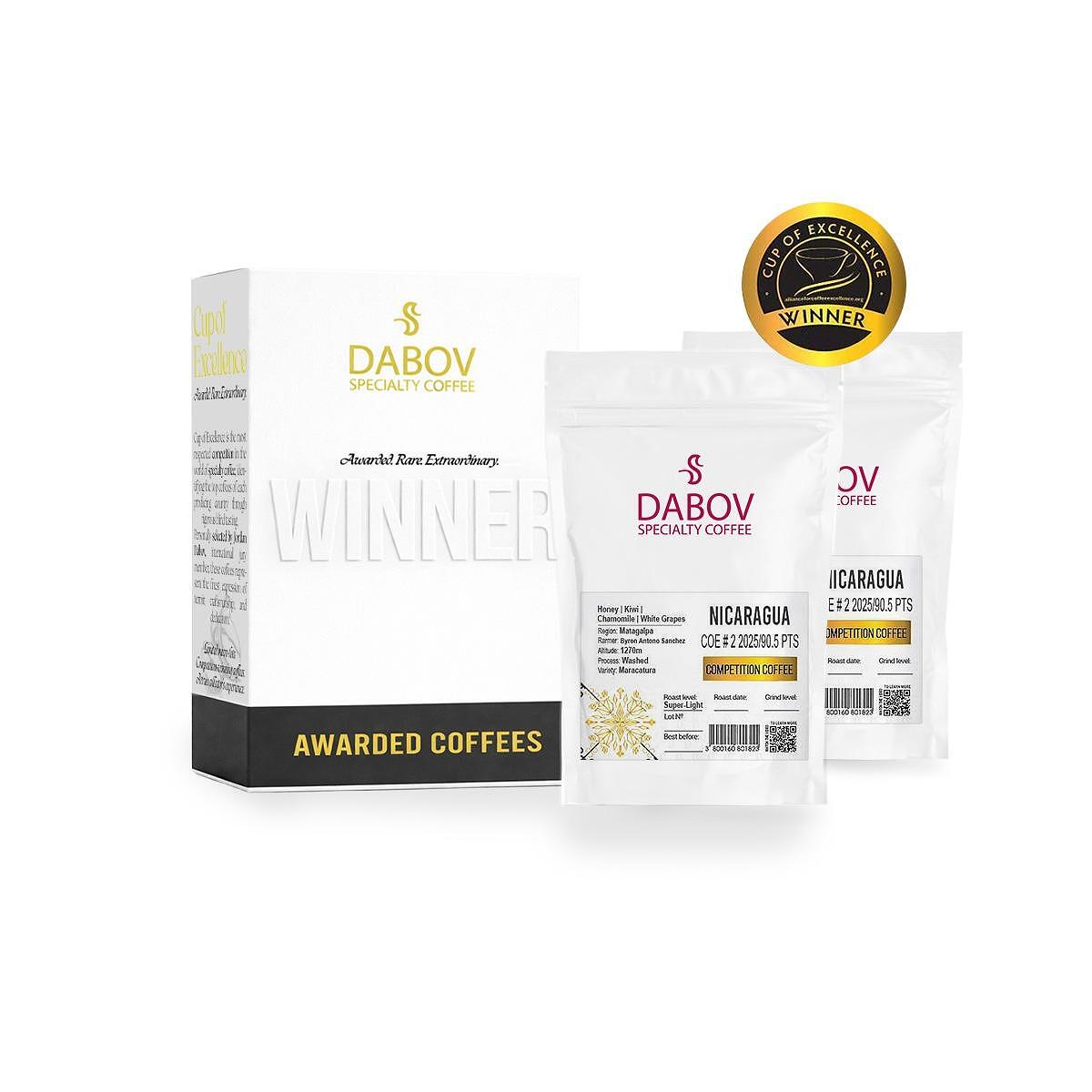
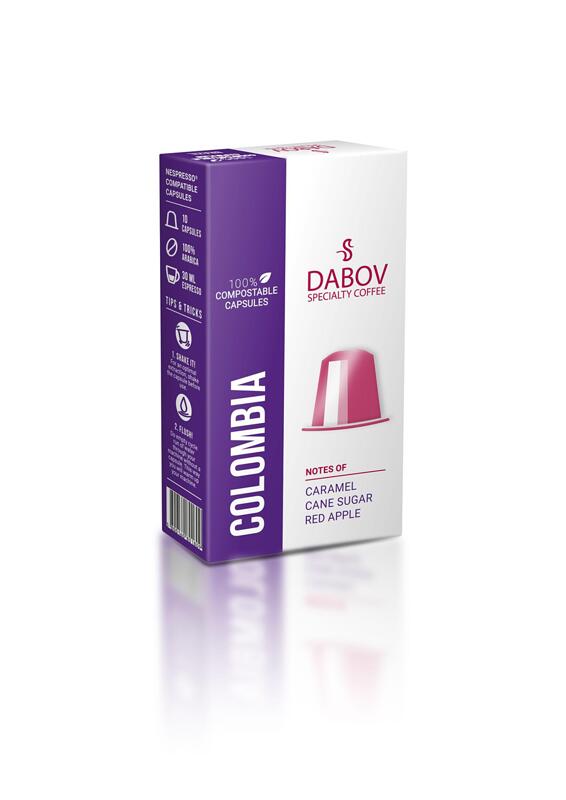
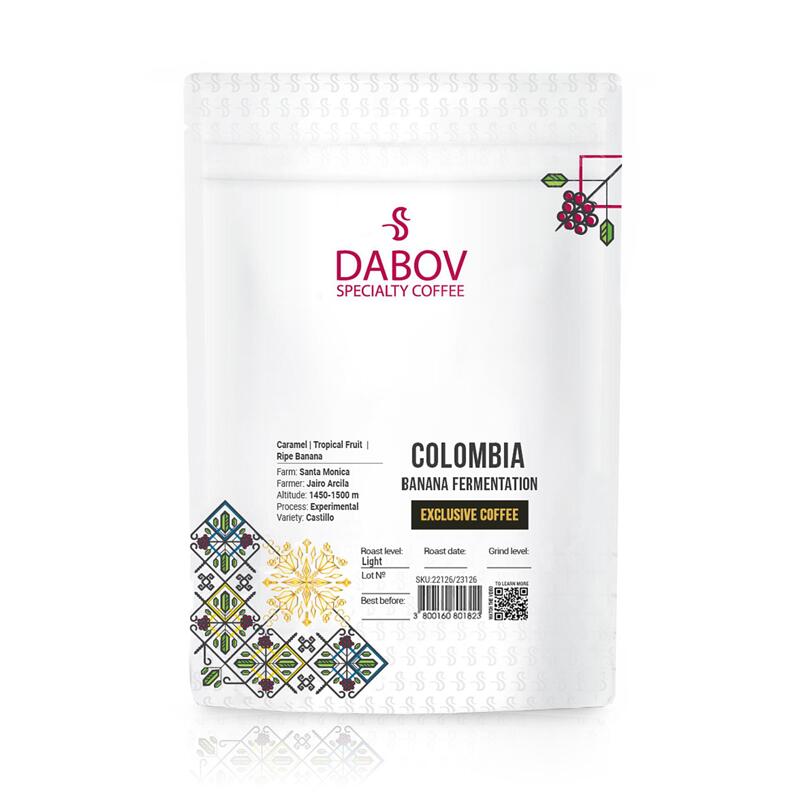
If you want to explore what professionally sourced, freshly roasted specialty coffee tastes like without a subscription commitment, browse our roasted coffee selection — each bag carries a roast date and ships within 48 hours of leaving the drum.