Why the Grinder Comes First
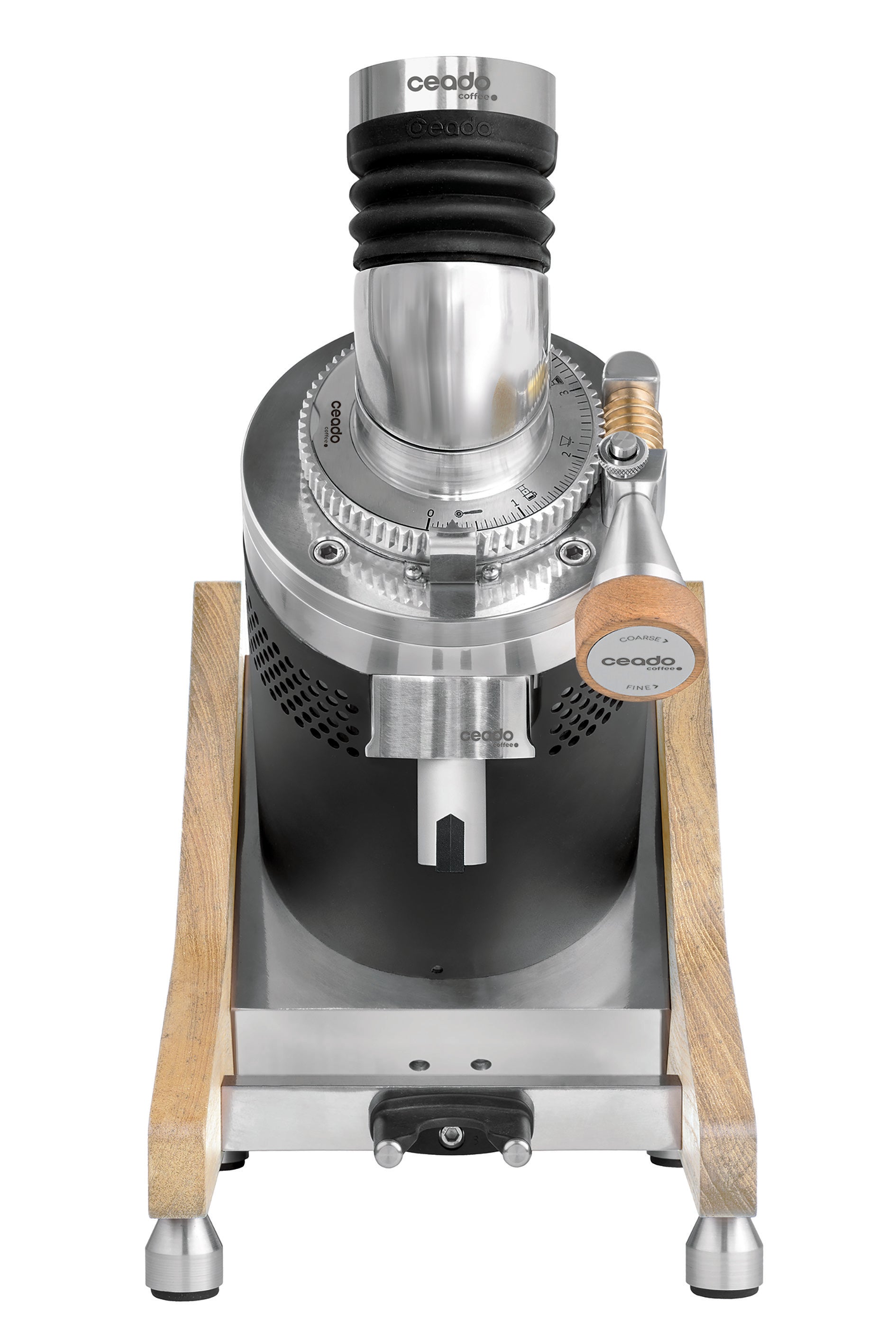
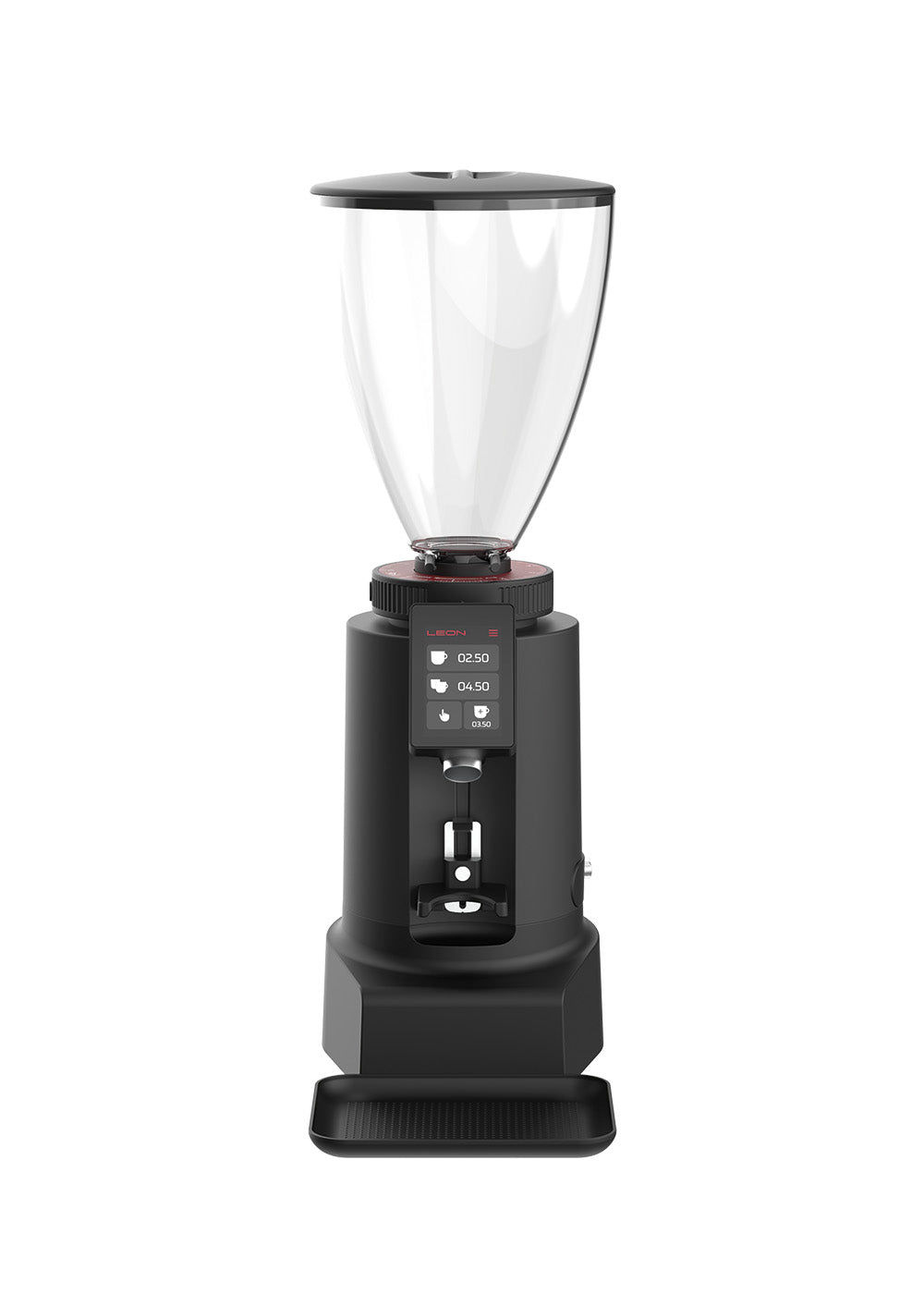
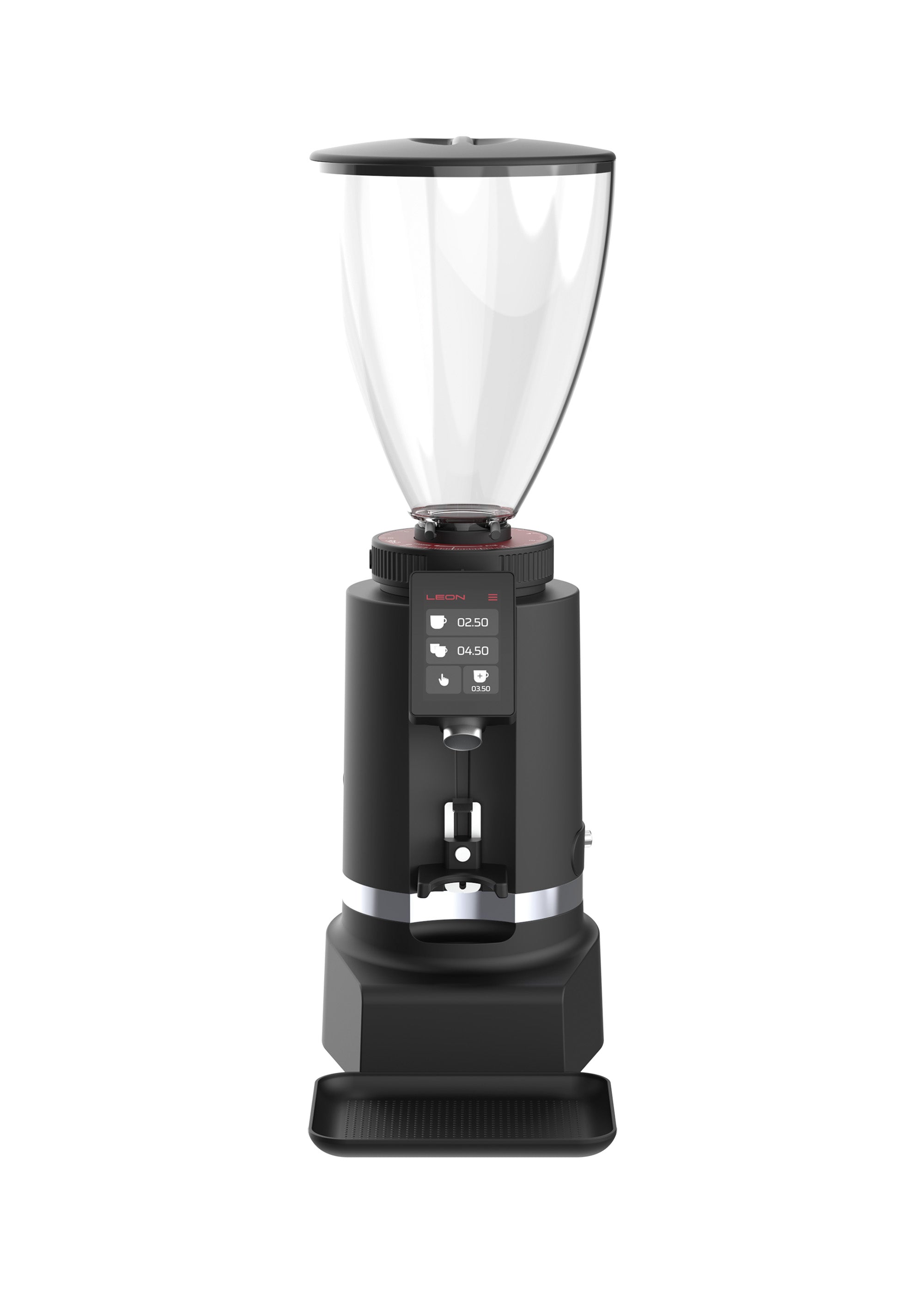
Before discussing any specific gear, the single most important principle: the grinder determines the ceiling of your coffee quality, regardless of every other variable. A mediocre brewer with a great grinder produces better coffee than an excellent brewer with a blade chopper. This is the most counter-intuitive truth in home coffee, and the one that saves the most wasted money once you accept it.
Grinding is not a neutral act. When a blade grinder spins, it chops beans randomly, creating a bimodal particle distribution: fine powder (extracts too quickly, tastes bitter) coexisting with coarse chunks (extracts too slowly, tastes sour and thin). The brew water has no way to distinguish between the two sizes — it pulls from both simultaneously, producing a cup that is at once over- and under-extracted, with a muddy middle that obscures origin character and roast development.
A burr grinder — whether conical or flat burr — slices beans between two abrasive surfaces at a controlled distance, producing particles of consistent size. Consistent particles extract uniformly; the resulting cup is coherent, nuanced, and repeatable rather than muddied by particle chaos.
For a beginner, the minimum viable grinder is the Baratza Encore ($170 USD) — a 40mm conical burr grinder with 40 grind settings covering the full range from espresso to French press coarse. It has been the entry-level specialty recommendation for over a decade because it is repairable (Baratza sells every individual part), consistent enough to develop real palate discrimination, and durable enough to last years of daily use. The similarly priced Oxo Brew Conical Burr is a strong alternative with a quieter motor and a hands-free grinding lid.
If budget is genuinely constrained, a hand grinder — specifically the Timemore C2 ($50) or the 1Zpresso JX ($90) — produces results that compete with $200 electric grinders due to their tight burr tolerances. The trade-off is effort: grinding 20 grams for a V60 takes roughly 60–90 seconds of hand cranking, which becomes meditative for some and irritating for others.
Do not buy a blade grinder as a temporary solution. The habit of grinding inconsistently makes brew technique impossible to calibrate because you cannot isolate variables. Start with burr grinding from day one.
Choosing a Brewer: Match Method to Lifestyle
The brewer is less critical than the grinder, but the choice determines how much attention and time your morning ritual requires.
AeroPress ($35–$45)
The AeroPress is the most forgiving manual brewer available. It tolerates water temperature variation (80–96°C all produce acceptable results), is nearly impossible to break, brews in 60–90 seconds, and produces one to two cups of clean, full-bodied coffee. For most beginners, the AeroPress is the correct first manual brewer because it teaches extraction principles without severely punishing mistakes.
Its single limitation: it only makes one to two cups at a time and is not suited to larger households or sharing.
Hario V60 ($10–$35 depending on material)
The V60 is the gold-standard manual pour-over dripper. The spiralling ribs and 60° cone angle demand a consistent, deliberate pour; the reward is exceptional clarity and precise control over extraction. It is genuinely the hardest manual method to master, and beginners who start here often get discouraging results because pour technique, grind size, and water temperature interact more sensitively than with immersion methods.
Start V60 work with a 1:15 ratio, medium-fine grind, a 45-second bloom, and water at 93–96°C. The first variable to adjust when the cup is off: grind size only, nothing else.
French Press ($25–$60)
The French press is a full-immersion brewer: coffee steeps in direct contact with water for 4 minutes, then a plunger separates the grounds. The result is heavier-bodied and oilier than filtered methods because the metal mesh does not trap lipids. Technique is minimal, making it accessible for anyone. The trade-off is less clarity than V60 and a tendency toward sediment if grind size is not coarse enough.
For anyone who prefers milk-based coffee or a substantial, robust mouthfeel, French press is the right starting point.
SCA-Certified Drip Machine ($100–$250)
If you want automatic brewing without compromising quality, look for machines that carry the SCA Home Brewer Certification: the OXO Brew 9-Cup, the Bonavita Connoisseur, and the Technivorm Moccamaster are the canonical options. The certification requires brewing between 92–96°C with a 4–8-minute brew cycle — specifications many cheaper machines fail to meet, producing underextracted coffee despite following the recipe correctly.
Avoid uncertified drip machines for specialty coffee; temperature inconsistency causes the same hidden problem as blade grinding.
The Scale: Non-Negotiable for Consistency
A kitchen scale accurate to 0.1g costs $10–$25 and is the cheapest purchase that delivers the most immediate consistency improvement. Volume measurements — tablespoons, scoops — are imprecise because ground coffee compresses differently depending on grind size, humidity, and bean density. A ratio-based approach (15g coffee to 250g water, for example) produces the same extraction strength every time regardless of those variables.
The Hario V60 Drip Scale ($55) adds a built-in timer, useful for pour-over where total brew time is diagnostic. The Timemore Black Mirror Basic+ ($35) is an excellent alternative with a responsive load cell. For French press or AeroPress work, any kitchen scale with 0.1g resolution is sufficient.
Weighing water — not just coffee — matters. A 1g error in water at a 1:15 ratio is a 6.7% variation in extraction yield, which is detectable in the cup.
The Kettle: Temperature and Pour Control
For drip machines, your regular kettle is adequate — the machine controls temperature internally. For any manual brew method, water temperature is an active variable that you control, and a gooseneck kettle gives both temperature precision and pour-rate control.
The gooseneck's long, curved spout converts wrist movement into slow, steady water flow — critical for V60 and Chemex where an aggressive pour breaks the coffee bed and accelerates extraction unevenly. It is less critical for AeroPress and French press, where precision pouring has less impact on the final result.
Fellow Stagg EKG ($165): the definitive specialty coffee gooseneck with ±1°C temperature control, hold function, and a counterbalanced handle that prevents over-pouring. If you are serious about pour-over from the beginning, this is the right kettle.
Hario V60 Buono ($50–$60): a stovetop gooseneck without temperature control. Pair with a separate thermometer probe. Works well if you have a consistent heat source.
Fellow Corvo EKG Basic ($80): the Stagg's stripped-down sibling with the same pour precision and temperature control at a lower price point.
Coffee Storage: Freshness Is the Third Variable
Once you have a grinder and brewer, the third major quality variable is coffee freshness. Roasted coffee off-gasses CO₂ for approximately 5–21 days post-roast; after that, oxidation accelerates staling. Buying in small quantities (250g at a time) from a roaster with a visible roast date on the bag is the most impactful storage practice — no canister compensates for beans roasted six months ago.
For the container:
- Airtight, opaque canister with a one-way valve (allows CO₂ out, blocks oxygen in) is optimal. The Airscape Steel ($30) and the Fellow Atmos ($35) are widely trusted options.
- Avoid clear glass jars without valves — CO₂ builds inside, and the jar is not truly airtight after repeated openings.
- Do not refrigerate whole beans; condensation from temperature cycling introduces moisture faster than air would stale them.
- Freeze in sealed bags for storage beyond 4 weeks; thaw completely before opening to prevent condensation on the beans.
Budget Tier Comparison
| Tier | Grinder | Brewer | Scale | Kettle | Approx. Total |
|---|---|---|---|---|---|
| Entry ($120–$160) | Timemore C2 hand grinder ($50) | AeroPress ($35) | 0.1g kitchen scale ($15) | Standard + thermometer ($20) | ~$120 |
| Core ($300–$320) | Baratza Encore ($170) | Hario V60 + filters ($20) | Hario Drip Scale ($55) | Hario Buono stovetop ($55) | ~$300 |
| Full Setup ($490–$520) | Baratza Virtuoso+ ($250) | Chemex 6-cup + filters ($50) | Timemore Black Mirror ($35) | Fellow Stagg EKG ($165) | ~$500 |
Each tier is a complete, functional setup — not a compromise waiting for an upgrade. The step from Entry to Core buys electric grinding convenience. The step from Core to Full Setup buys higher-precision burrs, better pour control, and a programmable kettle.
Frequently Asked Questions
Do I need a separate grinder if I use the in-store grinder at a specialty shop?
In-store grinders are typically inconsistently cleaned between uses and calibrated for a different batch size than your dose. Having the shop grind at purchase is vastly better than owning a blade grinder, but grinding yourself immediately before brewing at home is better still. Freshly ground coffee loses significant aromatic compounds within 15–30 minutes of grinding.
How important is water quality?
Very. Water with high bicarbonate (hard water) suppresses perceived acidity and flattens the cup. Heavily chlorinated tap water introduces off-flavors. The SCA recommends 75–150 ppm total dissolved solids. A carbon-block pitcher filter (Brita, Soma) removes chlorine and improves most tap water at minimal cost.
Should a beginner start with espresso equipment?
Not as the first purchase. Entry-level espresso machines below $400 rarely achieve consistent brew temperature and pressure — the two most critical espresso variables. Learning espresso while fighting equipment limitations is expensive and discouraging. Develop extraction intuition on a V60 or AeroPress first; espresso becomes approachable once you understand grind calibration and extraction yield from simpler methods.
What coffee should I buy for my first setup?
A single-origin washed coffee from a local specialty roaster — Colombia, Costa Rica, or Guatemala are forgiving origins with balanced profiles. Buy whole beans roasted within the past two weeks and grind fresh each morning. Avoid blends initially; they are harder to diagnose when something in the brew goes wrong.
Conclusion
The beginner coffee setup comes down to three honest priorities: a consistent grinder, a brewer matched to your available time and curiosity, and a scale for precision. Everything else — the gooseneck kettle, the airtight canister, the SCA-certified drip machine — improves consistency and convenience at the margins once the foundation is in place.
Start with the grinder. Upgrade the brewer to match your interest level. Add precision tools as your palate becomes calibrated enough to detect what they change. The equipment hierarchy does not shift as you advance — it only becomes more precise. A professional barista cares about the same variables you encounter on day one: grind uniformity, water temperature, dose-to-yield ratio, and bean freshness. Mastering these on a $35 AeroPress and a $50 hand grinder teaches the same principles that govern a $3,000 espresso machine. Browse our coffee beans to pair with your new setup — single-origin lots with roast dates and tasting notes on every bag.