The One Decision That Matters Most
Before you buy anything, make one decision: will you brew by immersion (French press, AeroPress), by gravity filtration (pour-over, drip machine), or by pressure (espresso)? The answer determines which other tools you need, what price points are appropriate, and how much time you'll spend each morning.
The mistake beginners make most often is buying an espresso machine first. Espresso is unforgiving — inconsistent grind, poor distribution, and incorrect tamping pressure all produce catastrophically bad results. The learning curve is steep, the equipment cost is high ($400–$1,500 for a setup that produces genuinely good espresso), and the feedback loop when you get it wrong is frustrating rather than instructive. Start with a method that rewards effort progressively and punishes mistakes informatively.
Start with pour-over or French press. Both methods are transparent — mistakes produce clear feedback, improvements are immediately perceptible, and neither requires expensive equipment to produce excellent coffee from quality beans. Once you understand extraction fundamentals, dialing in an espresso machine feels intuitive rather than arbitrary.
The Grinder: Your Most Important Purchase
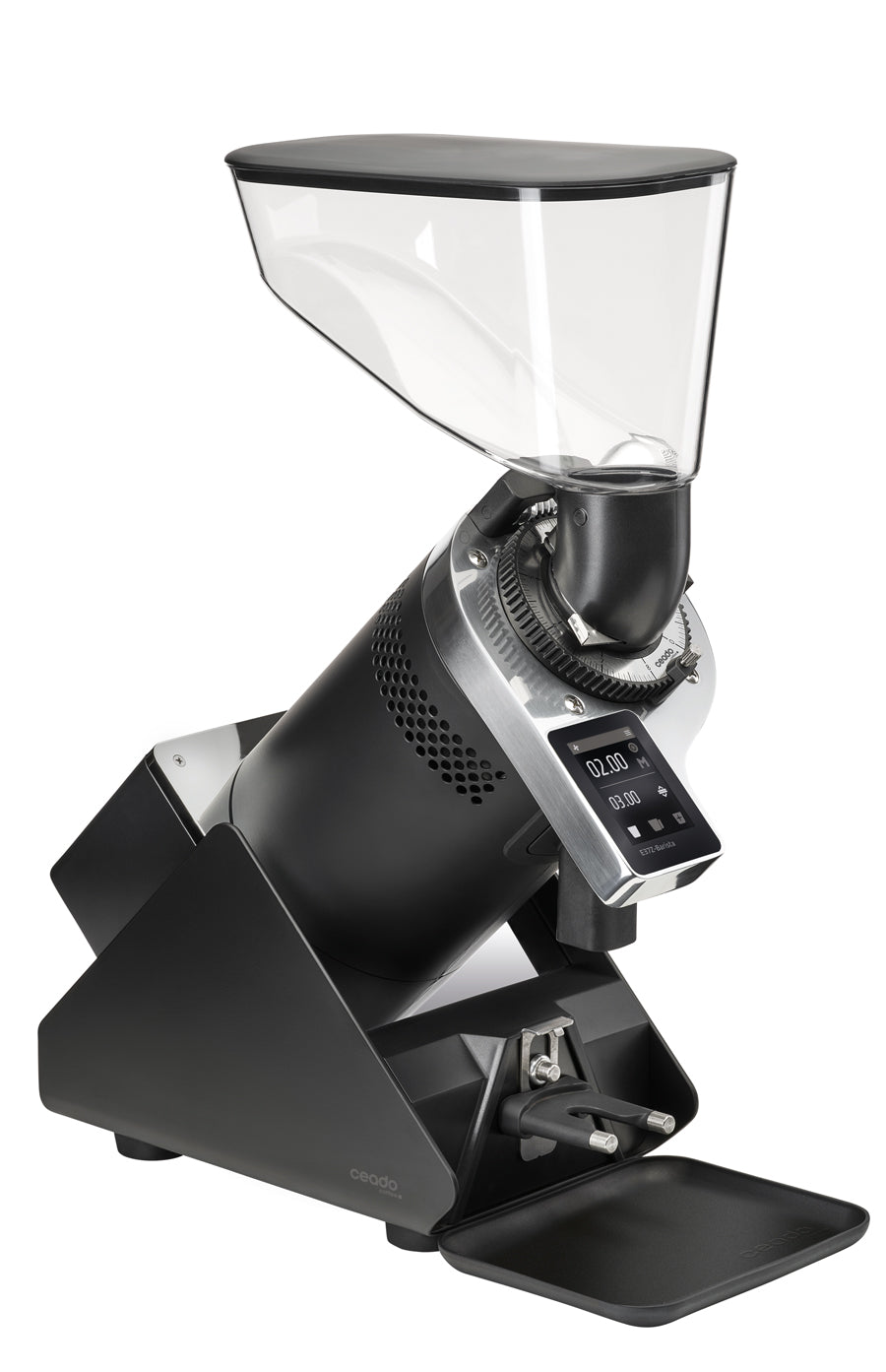
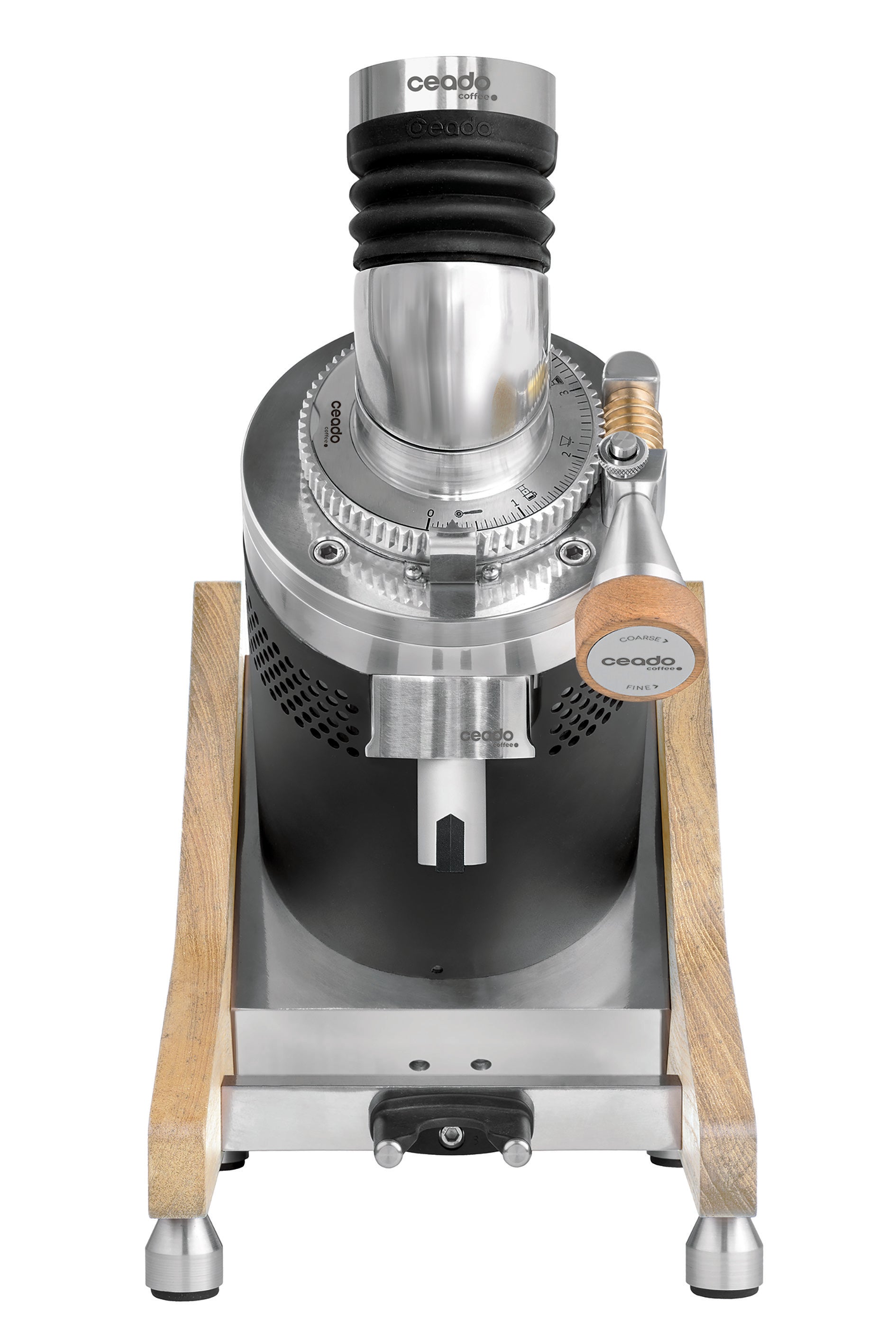
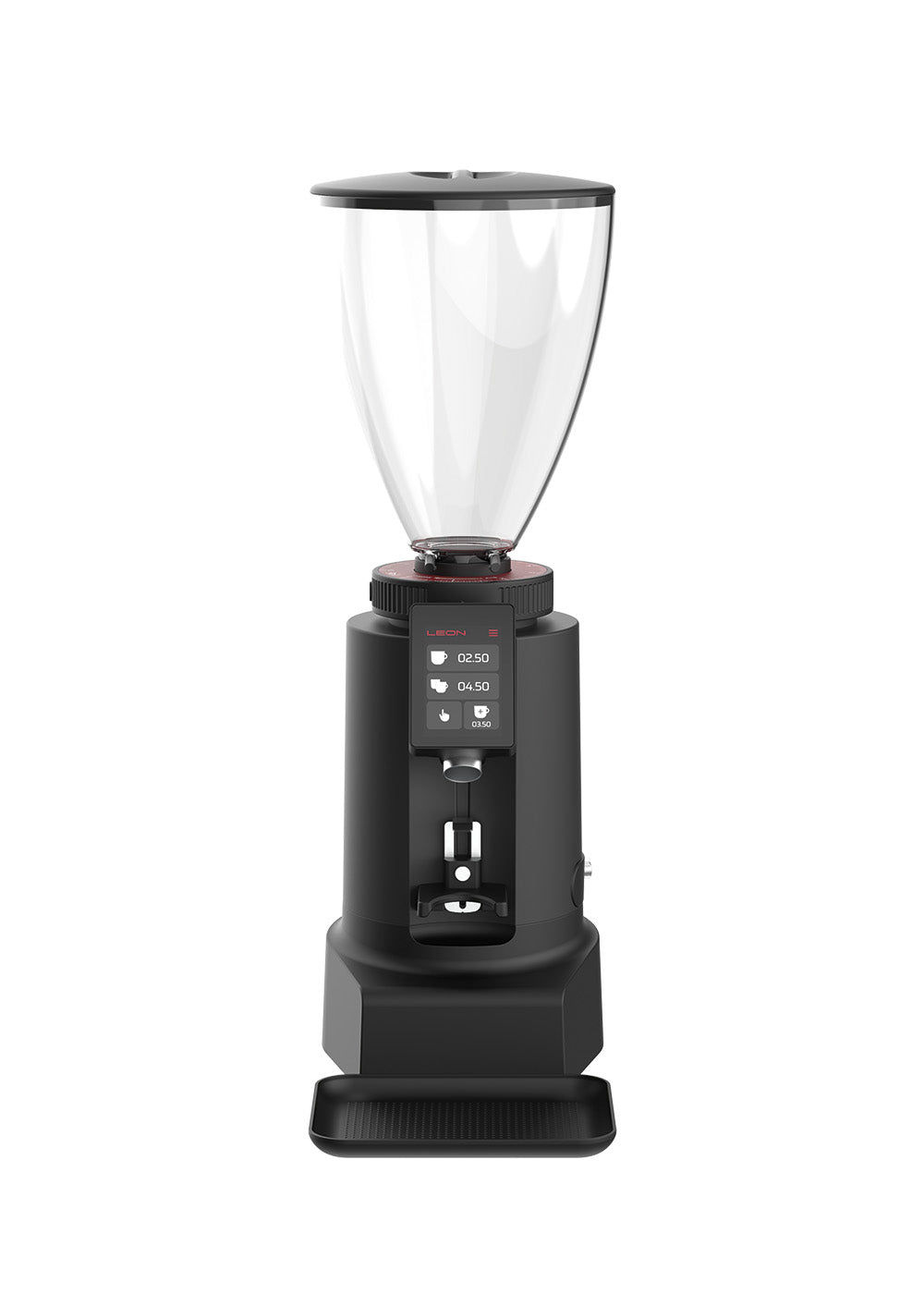
The grinder has more impact on cup quality than any other piece of equipment, including the brewer. This is the thesis around which all equipment purchases should orbit.
Pre-ground coffee begins losing volatile aromatic compounds within 15 minutes of grinding. Freshly ground coffee preserves those aromatics until the moment they're extracted by hot water. The flavor difference is not subtle — it's dramatic enough that a freshly ground $15/bag Colombian medium roast from a good burr grinder will outperform pre-ground specialty coffee in most comparisons.
Burr Grinders vs. Blade Grinders
| Feature | Burr Grinder | Blade Grinder |
|---|---|---|
| Grind consistency | Uniform particle size | Random, uneven particles |
| Extraction quality | Even, controlled | Uneven — over/under-extracted mix |
| Adjustability | 15–40 discrete settings | None |
| Noise | Moderate | High |
| Price entry point | ~$50 (manual), ~$100 (electric) | $20–$40 |
| Recommendation | Yes | No |
Blade grinders chop rather than grind. The result is a mix of fine powder and coarse chunks — fine powder over-extracts and turns bitter, coarse chunks under-extract and taste weak. The combined cup is simultaneously harsh and flat. No brewing technique compensates for inconsistent grind.
Burr grinders use two abrasive surfaces (flat or conical) set at a precise distance to crush beans to a uniform size. Adjustability is the key property: moving the burrs closer produces finer grinds (for espresso), further apart produces coarser grinds (for French press). Most mid-range burr grinders offer 15–40 grind size settings, which is sufficient granularity for dialing in any brewing method.
Entry-level electric burr grinders worth considering: Baratza Encore ($169), Oxo Brew Conical Burr ($99), Capresso Infinity Plus ($120). For manual burr grinders: Timemore Chestnut C2 ($59), Comandante C40 ($200 — premium but exceptional for travel).
Brewers: Matched to Your Habits
Pour-Over (Hario V60, Chemex, Kalita Wave)
Pour-over is the gold standard for showcasing single-origin specialty coffee. The paper filter removes most oils and fine particles, producing a clean, transparent cup where every flavor nuance in the bean is accessible. The manual pouring process gives you control over bloom time, pour rate, and total brew time — variables that meaningfully affect the final flavor.
Hario V60 is the most widely used pour-over device in specialty coffee shops. Its large single hole requires slightly more technique — pour rate control is critical — but rewards practice with exceptional clarity and brightness. A ceramic V60 costs $20–$30.
Chemex uses a thicker paper filter that removes slightly more oils, producing an even cleaner cup. The carafe design means you brew directly into the serving vessel. It's more forgiving of pour technique than the V60, and a 6-cup Chemex costs $45–$50.
Kalita Wave uses a flat-bed design with three small holes, making it more forgiving of inconsistent pouring technique — a good choice for beginners who want pour-over quality without the V60's technique demands.
French Press
The French press is the most forgiving brewer for a beginner. There's no special technique beyond adding grounds, adding hot water, waiting four minutes, and pressing. The metal filter allows oils to pass through, producing a full-bodied, rich cup with more texture than paper-filtered methods.
The primary downside is sediment: fine coffee particles pass through the metal mesh and settle at the bottom of the cup. This is a feature for some; a problem for others. If you dislike texture in your coffee, pour-over is a better fit.
A quality glass French press (Bodum Brazil, Bodum Chambord) costs $20–$40. Stainless steel versions are more durable and retain heat better during the steep.
AeroPress
The AeroPress is the most versatile brewer available for under $40. It produces espresso-adjacent concentrate, standard filter coffee, and cold brew concentrate — depending on the recipe used. The plastic chamber is nearly indestructible, making it ideal for travel. The World AeroPress Championship generates new community-tested recipes annually, expanding its utility continuously.
For a beginner who wants a single brewer to learn extraction fundamentals before committing to a specific method, the AeroPress is the clearest recommendation at this price point.
The Kettle: Gooseneck vs. Standard
For pour-over brewing, a gooseneck kettle is not optional — it's required. The thin, curved spout controls water flow rate with a precision that a standard kettle spout cannot achieve. Pour-over extraction requires a controlled, circular pour over the grounds; a standard kettle produces a gush that floods the grounds unevenly and breaks extraction consistency.
Temperature control is the second critical feature. Most specialty brewing calls for water between 90°C–96°C (194°F–205°F). Boiling water (100°C) is slightly too hot for light-roasted coffees and extracts harsh, astringent compounds. Temperature-controlled gooseneck kettles (Fellow Stagg EKG at $165, Bonavita Variable Temperature at $45–$55) let you set a precise temperature and maintain it throughout the pour.
For French press or AeroPress where pouring precision matters less, a standard electric kettle with a temperature readout is sufficient.
Scale: The Easiest Quality Improvement
A digital scale costs $15–$25 and immediately improves consistency more than any technique adjustment. Volume-based coffee measurement (scoops, tablespoons) is unreliable because bean density varies with roast level, origin, and freshness. Weight-based measurement is precise and reproducible across every bag you'll ever buy.
The standard starting ratio for most filter brewing is 1:16 by weight — 1 gram of coffee per 16 grams of water. At this ratio, 20g of coffee produces approximately 320ml of brew. Adjust stronger (1:14, 1:15) or weaker (1:17, 1:18) based on preference.
For pour-over specifically, many brewers use their scale as a timer — tracking total water weight and pour duration simultaneously. Scales with built-in timers (Hario Drip Scale, Timemore Black Mirror) are designed for this use.
Water Quality: The Invisible Variable
Water makes up 98%+ of your cup of coffee. Its mineral content directly affects extraction chemistry. Completely mineral-free water (distilled) under-extracts because it lacks the magnesium and calcium ions that bond with aromatic coffee compounds during extraction. Excessively hard water over-mineralizes extraction and produces flat, muddy flavors that mask origin character.
The SCA recommends water with 75–150 ppm total dissolved solids (TDS), a pH close to 7, and low chlorine. In most US cities, filtered tap water (standard carbon block filter) is sufficient. In areas with extremely soft or hard water, purpose-formulated mineral packets (Third Wave Water) offer an inexpensive calibration solution.
Bean Storage: Protecting Your Investment
Equipment quality is irrelevant if the beans are stale. Coffee begins losing volatile aromatic compounds immediately after roasting and the rate of loss accelerates once the bag is opened and exposed to oxygen.
Store coffee in an airtight container with a one-way degassing valve in a dark, room-temperature location. Avoid the refrigerator — condensation from temperature fluctuations accelerates moisture absorption and introduces off-flavors. The optimal brew window for most specialty coffees is 5–30 days post-roast. Buy in quantities you'll use within two to three weeks of opening; buying small amounts more frequently beats bulk purchasing that sits unused for months.
Recommended Budget Tiers
| Budget | Grinder | Brewer | Kettle | Scale |
|---|---|---|---|---|
| $100 | Oxo Conical Burr ($99) | French Press ($25) | Standard electric ($25) | Basic digital ($15) |
| $200 | Baratza Encore ($169) | Hario V60 + filters ($30) | Bonavita Temp-Control ($49) | Hario Drip Scale ($45) |
| $350+ | Baratza Encore ESP or Timemore Slim Plus | Chemex or Kalita Wave | Fellow Stagg EKG ($165) | Acaia Pearl ($135) |
At the $100 tier, the French press is forgiving of the entry-level grinder's limitations. At $200, the Encore + V60 combination produces genuinely excellent coffee that requires only modest technique investment. The $350+ tier shifts from capability improvement to consistency — the grinder and kettle at this level reduce the variables you're managing, not the ceiling of quality you can reach.
Frequently Asked Questions
Do I need an expensive espresso machine to make good coffee at home?
No. Pour-over and French press setups costing $150–$250 total can produce coffee that rivals or surpasses what most espresso machines under $400 will make. Espresso requires more precision, more technique practice, and more expensive equipment to produce genuinely good results. Begin with filter brewing and add espresso capability later if you want it.
What is the difference between conical and flat burr grinders?
Both produce more consistent grinds than blade grinders. Conical burrs use a cone-shaped inner burr and a ring-shaped outer burr; flat burrs use two parallel rings. Conical burrs are generally quieter and are the standard in most home grinders. Flat burrs tend to produce a slightly narrower particle distribution and are more common in high-end espresso grinders above $500.
How important is water temperature for home brewing?
Very important, especially for light and medium roasts. Water above 96°C extracts bitter and astringent compounds more aggressively. For light-roasted specialty coffee, 90°C–93°C is generally optimal; for dark roasts, 90°C–95°C. If your kettle lacks temperature control, boil water and let it rest for 30–60 seconds before brewing.
Can I use pre-ground coffee with good equipment?
Pre-ground coffee will taste noticeably flatter than freshly ground from the same bag, even with excellent brewing equipment. Ground coffee oxidizes rapidly — most volatile aromatics are gone within 15–30 minutes of grinding. Always grind immediately before brewing for the best results from any brewer.
Conclusion
Good home coffee comes down to a short list: fresh beans, a burr grinder, clean water at the right temperature, and a brewer matched to your habits and flavor preferences. The equipment hierarchy is clear — grinder first, brewer second, kettle third. Start at the $150–$200 tier, practice the technique for your chosen method, and upgrade individual components as you understand what each one actually contributes.
The barrier to excellent home brewing isn't cost; it's committing to grinding fresh and measuring by weight. Those two habits, more than any equipment purchase, are what make specialty coffee taste like specialty coffee at home. Browse our roasted coffee selection to pair fresh, traceable beans with your new setup.