Why the Coffee Journey Matters
Coffee is unique among beverages. Wine drinkers celebrate terroir and vintage; coffee enthusiasts largely consume coffee anonymously, unaware of its origin or producer. This gap exists partly because coffee's supply chain is long and fragmented. By understanding the journey from seed to cup, you develop appreciation for the complexity behind your morning ritual and make more intentional purchasing decisions.
The coffee journey matters for:
- Flavor understanding: Knowing a coffee is washed processed vs. natural processed explains why it tastes bright vs. fruity
- Quality evaluation: Understanding altitude, variety, and harvest timing helps you assess if a price is fair
- Producer support: Direct-trade and farm-visit models ensure farmers receive meaningful income
- Sustainability awareness: Visible traceability allows you to support environmentally responsible producers
- Deeper enjoyment: Knowing the story behind your coffee makes it taste better (not just psychologically—context genuinely enhances sensory perception)
Stage 1: The Farm and Growing Conditions
Understanding Terroir
Coffee's flavor—its acidity, body, sweetness, and distinctive notes—begins with terroir: the specific combination of altitude, soil, climate, and weather where it grows. A Kenyan coffee grown at 1500m elevation in volcanic soil tastes dramatically different from a Brazilian coffee at 800m in weathered, nutrient-poor soil, even if both are the same variety.
Altitude is the dominant factor. Higher altitudes mean cooler temperatures and slower plant growth. This forces beans to develop more slowly, allowing more time for sugar and acid development within the seed. Ethiopian Yirgacheffe coffees (grown at 1800-2200m) exhibit bright acidity and floral complexity precisely because altitude slows maturation. Conversely, Brazilian coffees (typically 800-1200m) mature quickly, developing fuller body and lower acidity.
Soil composition dramatically affects flavor. Volcanic soils (common in East Africa, Central America, Indonesia) are mineral-rich and well-draining, producing more complex, mineral-forward flavors. Weathered tropical soils (Brazil) produce earthier, heavier-bodied coffees. Some farms practice terracing (cutting horizontal steps into hillsides) to optimize water drainage and root development at different elevations.
Processing method (washed, natural, honey) is also part of terroir expression. A coffee's potential flavor is determined at origin—where it grows. But the actual flavor in your cup is partly determined by how the farmer chose to process that coffee.
What Farm Visits Reveal
Some specialty roasters practice farm visits as part of sourcing. Visiting a farm in person reveals:
- Farming practices: Are plants shade-grown (biodiverse) or sun-grown (higher yield, lower quality)?
- Environmental stewardship: Are water sources protected? Is forest canopy preserved?
- Labor conditions: Are workers paid fairly? Do children attend school or work picking cherries?
- Equipment and infrastructure: Does the farm have water tanks for processing? Proper drying equipment? Decent housing?
- Variety selection: What coffee plants are growing, and for what reasons (old heirloom varieties vs. newer hybrids)?
- The actual person: Meeting the farmer, learning their story and constraints, deepens commitment to quality and fair pricing
Farmers who receive farm visits from roasters often improve infrastructure and practices specifically to welcome visitors and maintain relationships. This incentivizes investment in quality even when short-term commodity prices are low.
Direct-trade roasters often publish farm visit reports with photos and quotes from producers. Reading these provides insight into the human reality of coffee production—the actual person whose labor and skill produced the beans you're drinking.
Stage 2: Harvest and Initial Processing
Selective Harvest and Its Impact
The moment a cherry reaches peak ripeness, it has limited time before over-ripening or falling. Selective picking (pulling only ripe cherries, leaving unripe ones for return visits) is labor-intensive but guarantees quality. Strip picking (pulling all cherries regardless of ripeness) is faster and cheaper but introduces unripe and overripe fruit into the lot, creating flavor inconsistency.
Specialty coffee requires selective picking. A roaster's ability to consistently deliver flavorful coffee depends partly on the farm's harvest practices.
Processing Choices and Flavor
Washed processing (used for ~60% of specialty coffee) involves removing the fruit's exterior and fermenting the mucilage layer for 12-36 hours before washing. This produces clean, bright flavors because controlled fermentation breaks down the mucilage (enhancing sweetness) while limited time prevents over-fermentation (avoiding funkiness). Result: bright acidity, clear origin notes, lighter body.
Natural processing (used for ~25% of specialty coffee) dries the entire cherry with the bean inside for 2-4 weeks. This extended fermentation creates fruity, sometimes wine-like flavors. The downside: inconsistency (some cherries ferment faster than others) and risk of mold if drying conditions are humid. Result: fuller body, lower acidity, complex fruity or floral notes.
Honey processing (hybrid method, ~15% of specialty) removes the fruit but leaves some mucilage on the bean during drying. The amount of mucilage (white, yellow, red, or black honey) determines fermentation intensity and final flavor. Result: balanced between washed and natural—medium body, moderate acidity, enhanced sweetness.
Understanding these methods explains coffee flavor. A bright, floral Ethiopian is likely washed; a fruity, full-bodied lot is likely natural-processed; a balanced microlot is likely honey-processed.
Stage 3: The Supply Chain—From Farm to Roastery
Understanding the Trading Network
Rarely do farmers sell directly to roasters. Coffee typically moves through intermediaries:
- Farmer → produces coffee
- Exporter/Cooperative → aggregates coffee from multiple farms, runs quality control, arranges shipping
- Importer → receives shipment in consuming country, provides warehousing and logistics
- Roaster → roasts and sells to consumers
Each intermediary adds margin (10-20% each). A farmer receiving $2/lb for green beans might result in roasted coffee costing $12-15/oz retail ($192-240/lb roasted equivalent value).
This supply chain exists for practical reasons: farmers can't afford to ship directly (shipping containers hold 250-300 bags; a small farm produces 10-50 bags). Roasters can't deal with hundreds of small farm shipments. Intermediaries consolidate, providing logistics efficiency.
However, this fragmented supply chain creates accountability problems. If your coffee tastes off-target, tracing the issue back to the farm is nearly impossible when 3-4 intermediaries sit between you and the producer.
Direct Trade and Transparency Models
Direct trade (practiced by Intelligentsia, Counter Culture, and specialty roasters) aims to shorten supply chains. Roasters work directly with producers or small exporters, often:
- Visiting farms annually
- Negotiating multi-year prices (often above commodity rates)
- Providing financing for harvest or infrastructure
- Committing to purchase specific tonnage regardless of market price
Direct-trade coffees cost more ($2-4/lb green vs. $1.50-2 for commodity), but producers receive more ($1.50-3/lb vs. $0.50-1.50 for commodity coffee). The premium price also signals quality expectations, encouraging excellence.
Single-origin traceability is a middle ground: coffee explicitly identifies the producing region, farm name, or cooperative. This allows consumers and roasters to research the source, even if the supply chain isn't entirely direct. Bag labels reading "Yirgacheffe, Worka Kebele Cooperative, washed, 1900m, harvest 2024" provide enough information for research.
Stage 4: Reading and Interpreting Coffee Labels
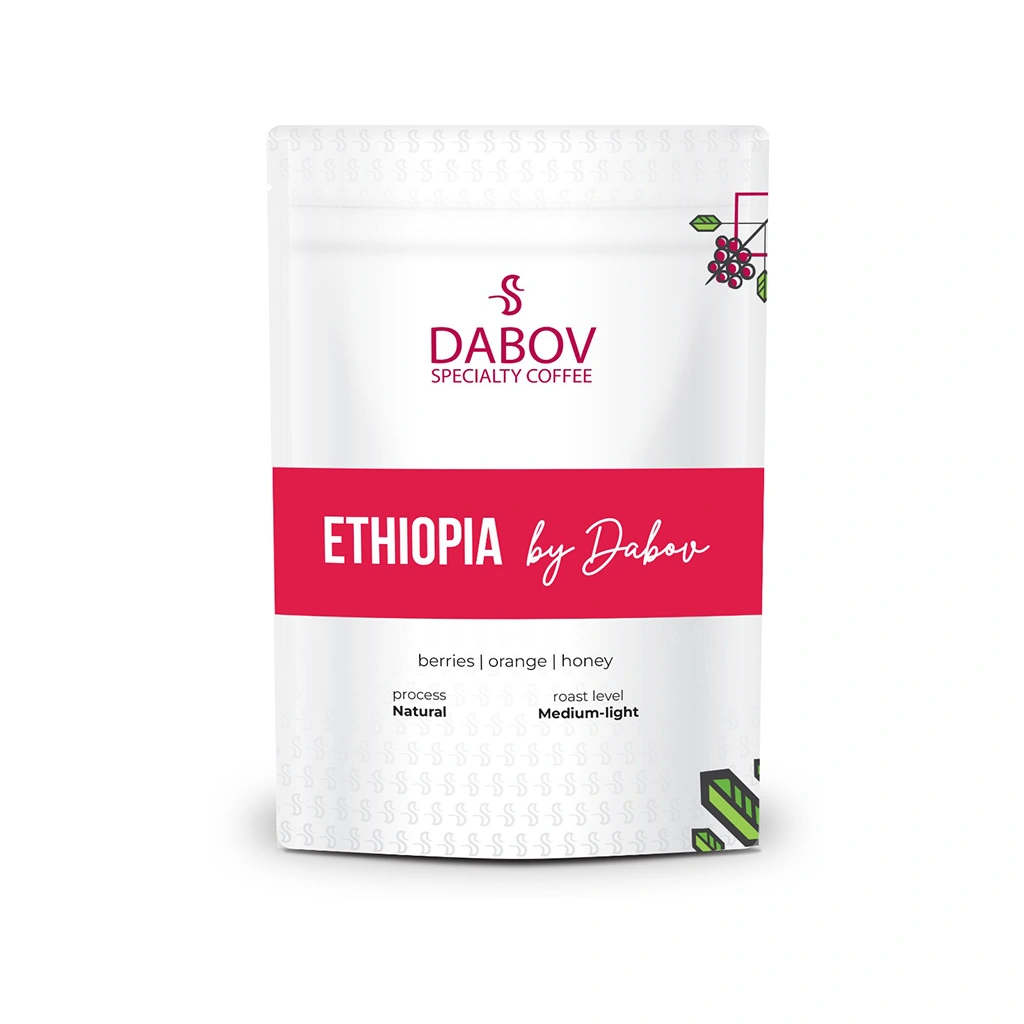
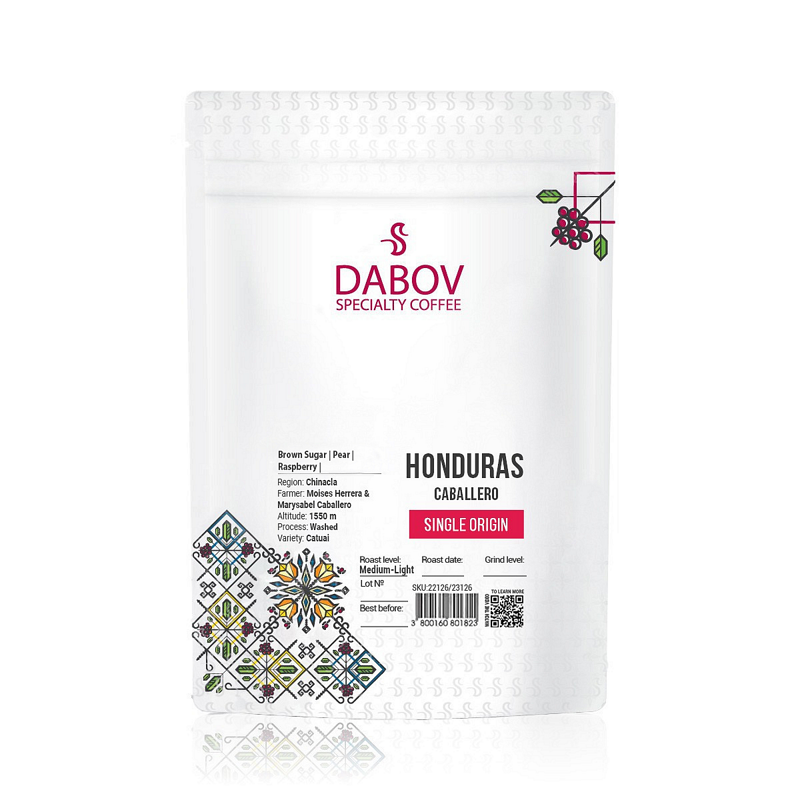
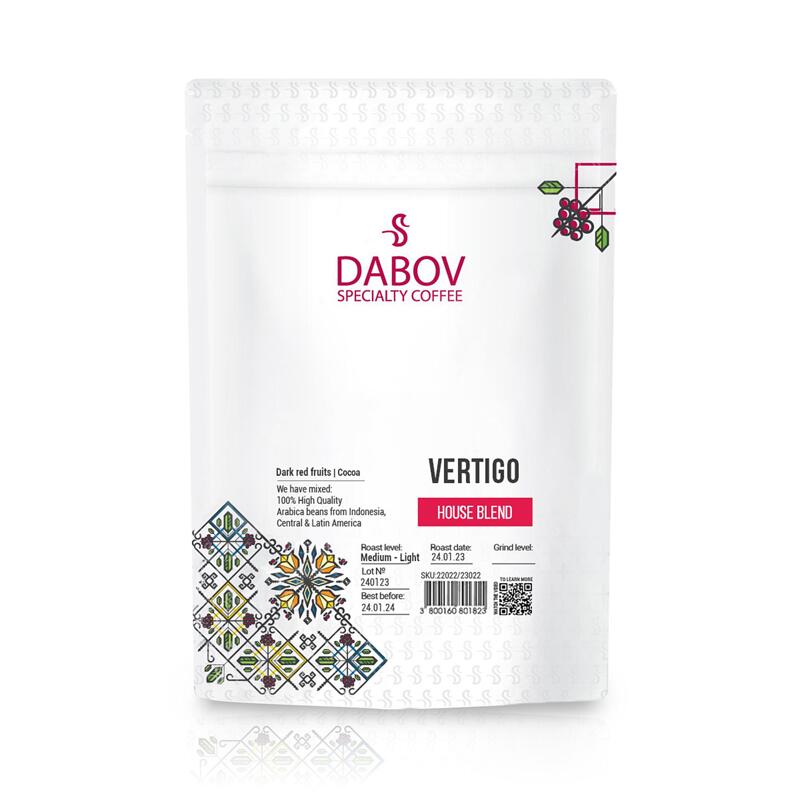
Essential Bag Label Information
When you pick up a specialty coffee bag, look for:
1. Origin
- Country (Ethiopia, Colombia, Kenya)
- Region (Yirgacheffe, Huila, Kirinyaga)
- Optional: farm or cooperative name
Why it matters: Origin indicates expected flavor profile and terroir characteristics. This is the first signal of what to expect from your brew.
2. Roast Date
- Should clearly state the date the coffee was roasted
- Don't buy coffee roasted more than 30 days ago (flavor declines afterward)
- Freshness is critical; roast date is your quality assurance
3. Processing Method
- Washed, natural, honey (or sun-dried, wet-hulled, etc.)
- This explains much of the flavor profile
- Unfamiliar terms warrant research
4. Altitude
- Listed as "1800-2000m" or similar
- Higher altitude = more complex, acidic flavors expected
- Lower altitude = fuller body, lower acidity expected
5. Flavor Notes
- Roaster's tasting notes ("bright citrus, floral, milk chocolate")
- These are subjective but indicate what the roaster tasted
- Use as a map for your own tasting
6. Roaster Information
- Company name, location, website
- Contact info for questions (reputable roasters welcome inquiries)
Optional but valuable:
- Cupping score (80-100 scale; 86+ is specialty)
- Lot number (allows tracing if you want to repurchase the exact lot later)
- Farm story (brief description of the producer or cooperative)
- Tasting methodology (how the roaster cupped—brew ratio, cup number, etc.)
- Varietal information (Bourbon, Typica, Geisha, etc.)
Stage 5: Roasting and Its Impact on Flavor
Why Roast Level Matters
Roasting transforms green coffee beans into the brown beans you recognize. The roast level (light, medium, dark) dramatically affects final flavor.
Light roasts (dropped at or just after first crack):
- Preserve more of the bean's original acidity
- Highlight origin characteristics and terroir
- Emphasize floral and fruity notes
- Require more attention to water temperature and brewing time (bright coffees can taste sour if under-extracted)
Medium roasts (dropped 1-2 minutes after first crack):
- Balance acidity with developed sweetness
- Show both origin character and roasting influence
- Versatile across brewing methods
- Most forgiving for consistency
Dark roasts (dropped at or after second crack):
- Reduce acidity significantly
- Emphasize body and roasting-derived flavors (chocolate, nuts, caramel)
- Mask origin character
- Better for espresso and milk-based drinks
Specialty roasters increasingly use light-to-medium roasts to showcase origin, while commercial roasters (grocery-store brands) typically use dark roasts for consistency and broad appeal.
Small-Batch vs. Industrial Roasting
Small-batch roasters (roasting 25-150 lb batches):
- Adjust profiles between batches based on bean density, humidity, seasonal variation
- Can roast different coffees simultaneously without flavor contamination
- Roaster's expertise is visible ("This lot wanted more development time," etc.)
- Roasts are fresher (roasted to order, not months in advance)
Industrial roasters (roasting 500+ lb batches):
- Apply standardized profiles regardless of seasonal variation
- Achieve consistency across millions of bags
- Can't easily accommodate specialty or small lots
- Develop flavor profiles that appeal broadly, not specifically
Small-batch roasters typically achieve better flavor through attention and customization; industrial roasters achieve consistency through standardization.
Stage 6: Brewing at Home
Bringing Origin Character to Your Cup
All the work from farm to roastery is only complete when you brew excellently. Poor brewing washes away the farm's and roaster's efforts.
Fundamental brewing principles:
- Water temperature: 195-205°F; different coffees prefer different temperatures within this range
- Grind size: Match to brewing method (coarse for French press, medium for drip, fine for espresso)
- Coffee-to-water ratio: 1:15 to 1:17 (1g coffee per 15-17g water) as starting point
- Brewing time: Method-dependent (4 min French press, 2-4 min pour-over, 30 sec espresso, 24 hr cold brew)
- Water quality: Filtered water beats tap water; mineral content matters (150-200 ppm TDS ideal)
Technique matters significantly:
- Agitation: Ensure all grounds get wet (bloom phase especially important)
- Consistency: Repeat the same approach so you can isolate changes
- Cleanliness: Oil buildup in equipment creates rancid flavors
- Freshness: Grind immediately before brewing; beans lose aromatic compounds within 30 minutes of grinding
A washed Ethiopian coffee brewed at 200°F in a pour-over will taste completely different from the same coffee brewed at 195°F in a French press. Both are correct approaches—but they produce different experiences.
Evaluating Your Brew
Once you brew, assess your coffee:
- Aroma: Does it smell like the tasting notes promised (floral, fruity, chocolate)?
- Flavor: Describe what you taste without overthinking. Any flavors match the bag's notes?
- Body: Does it feel heavy (full-bodied) or light (tea-like) in your mouth?
- Acidity: Is there brightness (pleasant acidity) or sourness (under-extraction)?
- Aftertaste: What flavor lingers after swallowing?
If the coffee tastes sour, you likely under-extracted (brew longer, use finer grind, or hotter water). If bitter, you likely over-extracted (shorter brew time, coarser grind, or cooler water). These adjustments are tools for dialing in.
Connecting with Roasters and Producers
Direct Engagement with Source
Many specialty roasters welcome customer inquiries:
- Email the roaster with questions: "I loved this Ethiopian—what's the story behind the farm?"
- Visit the roastery: Watch the roasting process; taste fresh samples straight from the roaster
- Attend cuppings: Many roasters host public cupping events where you taste multiple coffees side-by-side
- Subscribe to sourcing updates: Roasters' newsletters often feature new lots with detailed producer stories
- Follow roasters on social media: Many share farm visit photos, producer interviews, and sourcing announcements
This engagement deepens your coffee knowledge and often results in roasters remembering you and recommending coffees matching your preferences.
Support Models That Matter
Your purchasing choices directly affect producers. Consider:
- Direct-trade premium: Paying slightly more ensures producers receive meaningful income
- Specialty roasters over commercial brands: Small roasters typically source more carefully and share margins more fairly
- Repeat purchases from same roaster: Roasters who know your taste can recommend better matches
- Diversify origins: Buying Ethiopian one month, Colombian the next, ensures you're not creating pressure on any single region
You're not just buying coffee—you're voting for certain production methods, trading practices, and roaster philosophies. Your choices compound across purchases.
The Sustainability Dimension
Environmental Impact of Your Coffee
Coffee production affects:
- Deforestation: Sun-grown coffee plantations replace forest; shade-grown coffee preserves ecosystem
- Water usage: Processing consumes significant water; some farms recycle; others deplete local sources
- Chemical inputs: Pesticides and fertilizers vary by farm; organic certification verifies minimal chemical use
- Climate change: Rising temperatures threaten traditional growing regions; altitude migration is emerging
Your coffee bag's transparency helps identify sustainable choices:
- Organic certification: Verifies no synthetic pesticides
- Shade-grown labeling: Indicates biodiversity preservation
- Fair Trade certification: Ensures minimum prices and labor standards
- Water-conserving processing methods: Some roasters note eco-friendly processing
No coffee is perfectly sustainable, but understanding your coffee's environmental footprint allows you to make increasingly conscious choices.
Frequently Asked Questions
What's the difference between single-origin and blended coffee?
Single-origin coffee comes from one place (sometimes one farm, sometimes a region). This highlights terroir and origin character. Blended coffee mixes coffees from multiple origins to create a consistent flavor profile or to balance qualities (bright acidity + full body, for example). Specialty roasters prioritize single-origin to showcase regional character; commercial roasters often blend for consistency.
How can I tell if a roaster practices direct trade?
Ask directly or check their website. Direct-trade roasters explicitly mention:
- Farm names or producer cooperatives
- Pricing commitment language ("we pay above-market prices")
- Farm visit photos or producer stories
- Detailed lot information
If a roaster is vague about sourcing, they probably don't practice direct trade.
Should I buy whole bean or pre-ground coffee?
Whole bean is vastly superior. Ground coffee loses aromatic compounds within 30 minutes; whole beans stay fresh for 2-3 weeks post-roast. A $15/oz whole bean coffee brewed properly tastes better than $25/oz pre-ground coffee (which has oxidized). Invest in an inexpensive burr grinder ($40-60) if you don't already own one.
What does "microlot" mean?
A microlot is coffee from a small, specific section of a farm (sometimes just a few acres). This allows farmers to treat that section distinctly (different harvest timing, separate processing method, targeted quality focus) and roasters to highlight the unique character. Microlots are more expensive but often exceptional.
How do I store opened coffee?
Keep beans in an airtight container away from light, heat, and humidity. Some people use the bag if it has a proper seal. Room temperature is fine (don't refrigerate; moisture ruins coffee). Use within 3 weeks of roast date for optimal flavor.
Conclusion
Your coffee's journey from farm to cup involves dozens of decisions: what variety to plant, when to harvest, how to process, at what altitude to grow, which roaster to trust. Each decision cascades, shaping what you eventually taste.
By understanding this journey—reading bag labels, researching origins, learning processing methods, engaging with roasters—you transform coffee from an anonymous commodity into a specific, traceable product tied to place and people. That knowledge, combined with intention and excellent brewing technique, elevates your daily coffee ritual from routine to appreciation.
The farmer in Ethiopia who planted a coffee variety at 1900m, carefully harvested ripe cherries, chose to wash-process, and sold to an exporter—they were preparing a coffee for you. The roaster who roasted it to light levels to preserve origin character was preparing it for you. The final step is yours: brew with care, taste mindfully, and acknowledge the complexity you're holding in your hand.
Explore our single-origin coffees, each with detailed sourcing information and tasting notes. Find your favorite origin, learn its story, and return to it—building a long-term relationship with the coffee and the people who grew it.