From Burlap to Smart Films: A Packaging History
The story of coffee packaging mirrors the story of modern food science — a continuous refinement of the trade-off between oxygen exclusion, cost, logistics, and more recently, environmental impact. Each generation of packaging solved the problems its predecessor created, and introduced new ones.
Green coffee — unroasted beans — has always traveled in woven jute or sisal sacks. These natural-fiber bags allow the beans to breathe, which prevents condensation-related mold during multi-week ocean voyages. They offer zero protection against aroma loss, but green coffee's aromatics are locked in the cellular structure and do not require protection during transit. This remains the dominant green coffee transport format today.
Roasted coffee is a different matter entirely. The roasting process ruptures cellular structure, releasing volatile aromatic compounds that are the sensory core of the product. Within minutes of exposure to oxygen, these compounds begin oxidizing — the process that produces the flat, stale character of old coffee. The entire history of roasted coffee packaging is the history of solving this one chemical problem.
green bean transport
first retail packaging
shelf life breakthrough
barrier against oxygen/moisture
Luigi Goglio invention
consumer convenience
origin transparency
sustainability pivot
freshness monitoring
The Vacuum Era: Solving Oxygen, Creating New Problems
In the 1940s, vacuum-sealed metal cans represented a genuine breakthrough. By removing oxygen before sealing, manufacturers could extend the shelf life of pre-ground coffee from days to months. The Folgers red can became an American household fixture because it reliably delivered consistent coffee regardless of retail dwell time — a meaningful consumer benefit when distribution chains were slow and store turnover was unpredictable.
The limitation of vacuum cans became apparent as the specialty coffee sector developed: they require coffee to be fully degassed before sealing. Fresh-roasted coffee releases CO2 for 1–14 days after roasting (the exact duration varies by roast level and bean density). If packed at full CO2, the can would bulge and potentially rupture. Roasters therefore rested their coffee for days before packaging, or used pressure-relief systems that allowed CO2 out while letting oxygen in — compromising the very protection the vacuum was meant to provide.
Modern Packaging Materials: A Technical Comparison
Contemporary coffee packaging uses multi-layer film composites engineered for specific barrier properties. No single material achieves all desired attributes, so manufacturers laminate layers with complementary performance characteristics.
| Packaging Format | Oxygen Barrier | CO2 Management | Shelf Life (Whole Bean) | Recyclability | Compostability |
|---|---|---|---|---|---|
| Vacuum-sealed tin can | Excellent | Requires degassing | 12-18 months | Yes (steel) | No |
| Multi-layer foil valve bag | Very good | One-way valve | 6-12 months | Difficult (laminated) | No |
| Kraft paper / PLA valve bag | Moderate | One-way valve | 2-3 months | Limited | Certified compostable |
| Aluminum-free film valve bag | Good | One-way valve | 4-8 months | Some programs | Emerging options |
| Glass jar (airtight lid) | Good | Manual degassing | 2-4 months | Yes (glass) | No |
| Consumer resealable bag | Variable | Limited | 2-4 weeks once opened | Difficult | Emerging |
The multi-layer foil valve bag — a structure of PET (outer layer), aluminum foil (oxygen barrier), and PE (heat-seal inner layer) — remains the industry standard for specialty coffee because it provides the best oxygen barrier at acceptable cost. The laminated structure is the environmental compromise: these bags cannot currently be recycled in standard curbside programs because the layers cannot be separated economically.
The Sustainability Pressure
The specialty coffee industry's consumer base skews toward environmental awareness, creating genuine market pressure for sustainable packaging at a premium that most commodity coffee brands do not face. The industry's response has been partial and imperfect, reflecting the genuine technical difficulty of matching petroleum-based films with bio-based alternatives.
Kraft paper with PLA (polylactic acid) inner lining is the most common "compostable" option. PLA is derived from cornstarch or sugarcane. These bags are certified compostable under industrial composting conditions (58–60°C, controlled humidity) — not home compost piles. The distinction matters: most consumers who see "compostable" on the package will dispose of it in a home compost bin or the general waste stream, where it will not degrade within any useful timeframe.
Aluminum-free film composites attempt to maintain adequate oxygen barriers using evaporated silicon dioxide (SiO2) or aluminum oxide (AlOx) coatings applied at nanometer scale onto a film substrate. These coatings provide approximately 70–80% of aluminum foil's oxygen barrier performance at roughly 80% of aluminum foil's weight and without the non-recyclability of laminated foil. They represent the most viable near-term bridge between barrier performance and reduced environmental impact.
Reusable container programs — pioneered by a small number of direct-to-consumer roasters — ask customers to return empty metal or ceramic containers for refilling. The logistics are workable for a subscription model with known delivery routes but impractical for wholesale or retail distribution.
Design as Communication: Specialty Coffee's Visual Language
Packaging design in specialty coffee functions as a primary quality signal. Unlike commodity coffee brands that rely on decades of brand recognition (the Folgers can, the Hills Bros. mountain man), specialty roasters are building new brand identities from scratch and often rely entirely on the bag to communicate value to a consumer at retail who has never heard the roaster's name.
The visual evolution tracked the specialty coffee sector's development:
First wave specialty (1990s–2000s): Kraft brown paper dominated, communicating natural, artisanal character in opposition to the commercial red-and-yellow mass market aesthetic. Typography was often hand-lettered or rough. The implicit message: small-batch, hand-made, authentic.
Second wave specialty (2005–2015): Design became more sophisticated as roasters expanded distribution. Origin information appeared prominently — country flags, farm names, varietal labels. Color became more deliberate; many roasters assigned colors to origins or processing methods for shelf differentiation. The Blue Bottle aesthetic (white bags, minimal black type) codified a clean, confident anti-maximalist approach.
Third wave specialty (2015–present): Design bifurcated. Some roasters pushed toward maximal graphic complexity — bold illustration, rotating artist series, collector appeal. Others pushed further toward reductionism: the bag becomes essentially a label-free white or kraft surface with only the minimum required information. The implicit message shifted from "we are artisanal" to "we trust the coffee to speak."
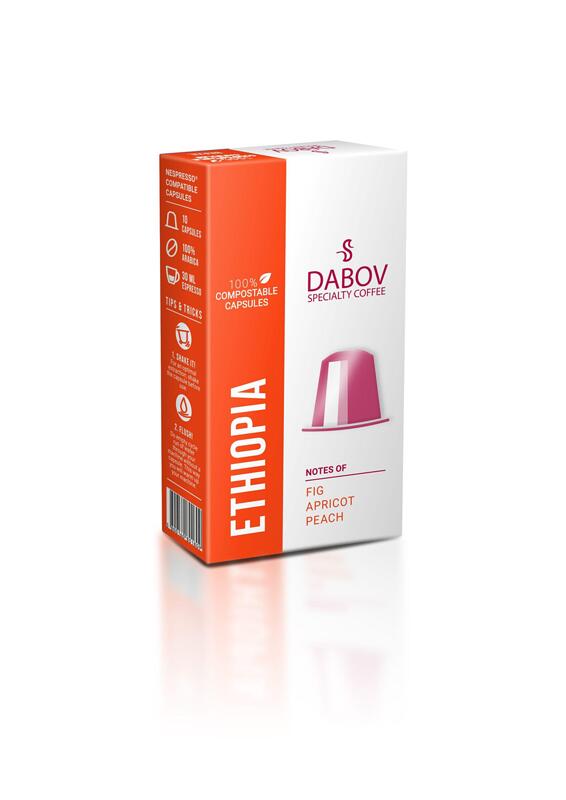
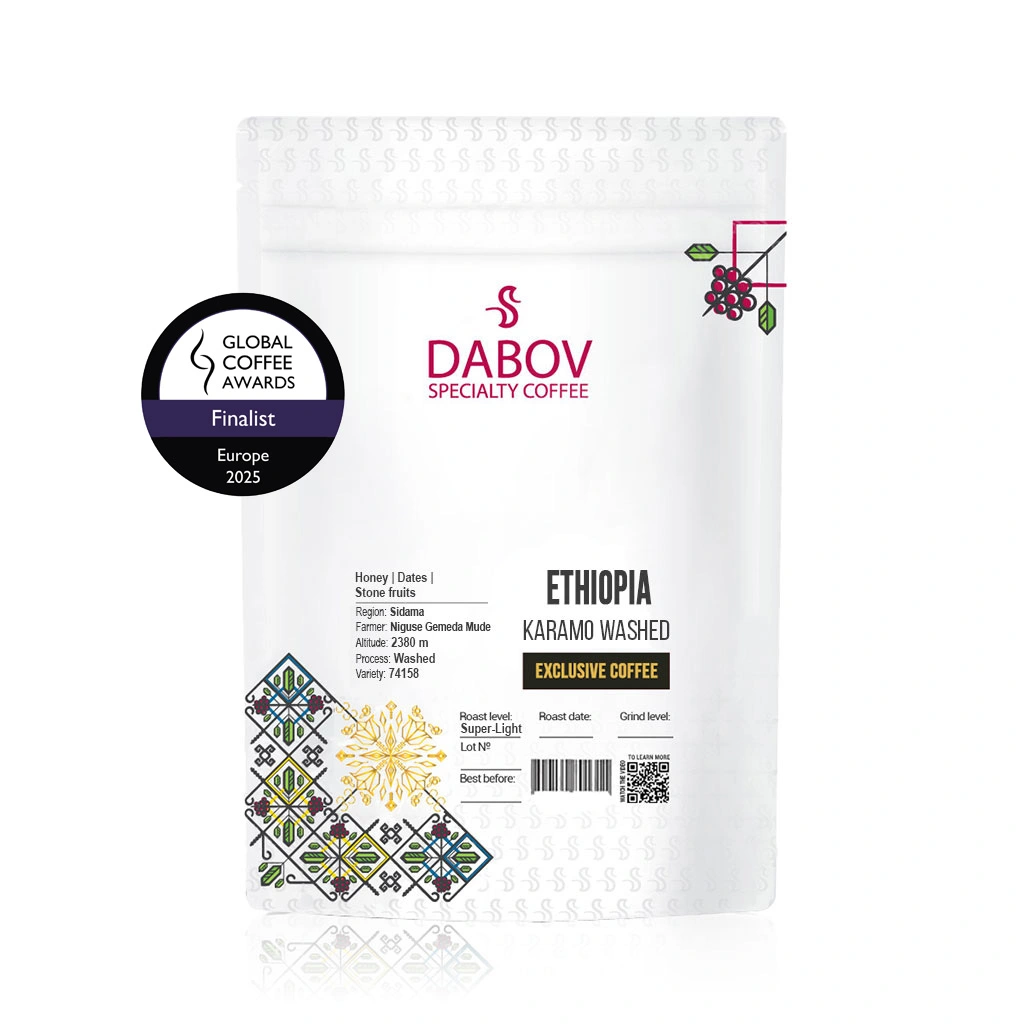
The information hierarchy on a specialty coffee bag has standardized over time: origin country and region, farm or cooperative name, processing method (washed, natural, honey), variety, altitude, roast date (not "best by"), and flavor notes. This taxonomy would have been incomprehensible on a mainstream retail shelf in 2000 — today it is expected by specialty consumers as baseline transparency.
Traceability and QR Codes: The Transparency Layer
Consumer demand for transparency about coffee origin has driven widespread adoption of QR code systems that link the packaging to detailed supply chain information. A consumer scanning the bag can potentially access:
- The farm or cooperative name and geographic coordinates
- Harvest date and processing method
- Cupping scores and tasting notes
- Farmer payment data (in direct trade programs)
- Carbon footprint estimates
The accuracy and depth of this data varies widely. Large volume roasters face genuine difficulty tracing individual bags to specific lots when blending. Specialty roasters sourcing directly from a single producer can offer genuinely granular information. QR codes also serve a commercial function: they create a touchpoint for subscription conversion, review solicitation, and brewing instruction delivery.
Blockchain-based traceability — attempted by several initiatives including the Rainforest Alliance's Verification Platform and IBM Food Trust — adds an immutability layer: once data is recorded to a distributed ledger, it cannot be retroactively altered. This addresses concerns about fraudulent origin claims. The technology has proven technically sound but commercially fragile: maintaining a blockchain instance for coffee tracking requires all supply chain participants to use compatible systems, and the incentive for each link in the chain to invest in compliance is uneven.
Shelf Life and Consumer Storage Behavior
The investment in barrier packaging technology is partially undermined by consumer storage behavior. A bag with a 6-month shelf life delivers optimal flavor in weeks 1–4 post-roast, moderate flavor in weeks 4–8, and diminishing returns thereafter. Packaging oxygen barrier performance is largely irrelevant once the bag has been opened, because repeated opening and resealing allows oxygen in with each access.
Consumer education around this gap is an ongoing challenge for specialty roasters. The standard recommendation — buy in quantities you will use within 2–3 weeks, store sealed between uses in the original bag (whose degassing valve provides better oxygen protection than most kitchen canisters) — contradicts the bulk-buying habits many consumers carry from commodity coffee purchasing.
The Future: Smart Films and Sensor Integration
The convergence of packaging materials science and digital technology is producing proof-of-concept packaging that can communicate freshness state directly to consumers. Freshness sensors — small pH-sensitive films that change color as CO2 concentration inside the package changes — have been demonstrated in laboratory conditions for coffee applications. A bag that turns from green to yellow to red as it ages from peak freshness to stale is theoretically achievable with current materials.
Near-field communication (NFC) tags, now cheap enough (under $0.10 per tag at volume) to include on consumer packaging, allow communication with smartphones without requiring a separate QR scan. An NFC-enabled coffee bag could push brewing recommendations appropriate to the specific lot's roast date and flavor profile, or notify the consumer when the bag was opened and track subsequent flavor degradation.
The barrier to adoption is not technological — it is economic. Specialty coffee packaging margins are already compressed. Adding smart packaging elements increases per-unit cost at a price point where consumers are already price-sensitive. The roasters most likely to pioneer smart packaging are at the luxury end of the specialty market, where per-bag margins support the investment and where the information-rich experience aligns with brand positioning.
Conclusion
Coffee packaging has traveled from burlap simplicity to a sophisticated intersection of materials science, sustainability chemistry, brand design, and digital traceability — driven at each stage by the coffee industry's fundamental problem: keeping roasted coffee as close to its harvest-day character as possible while moving it through a supply chain that spans continents and months.
The one-way degassing valve remains the single most important packaging innovation in specialty coffee history. It unlocked fresh shipping and direct-to-consumer models that define how the best coffee reaches consumers today. What comes next — compostable films that match barrier performance, sensor-enabled freshness communication, closed-loop return systems — will define the next chapter. But the chemical challenge at the center remains unchanged: coffee oxidizes, and the packaging's job is to delay that process as long as possible.
For consumers, the practical takeaway is simple: the roast date printed on your bag is the most important number on it. Buy fresh, store sealed in the original bag, and use the coffee within three weeks of opening. No packaging innovation in the next decade will matter more than that.