First, Budget the Grinder and the Beans, Not Just the Machine
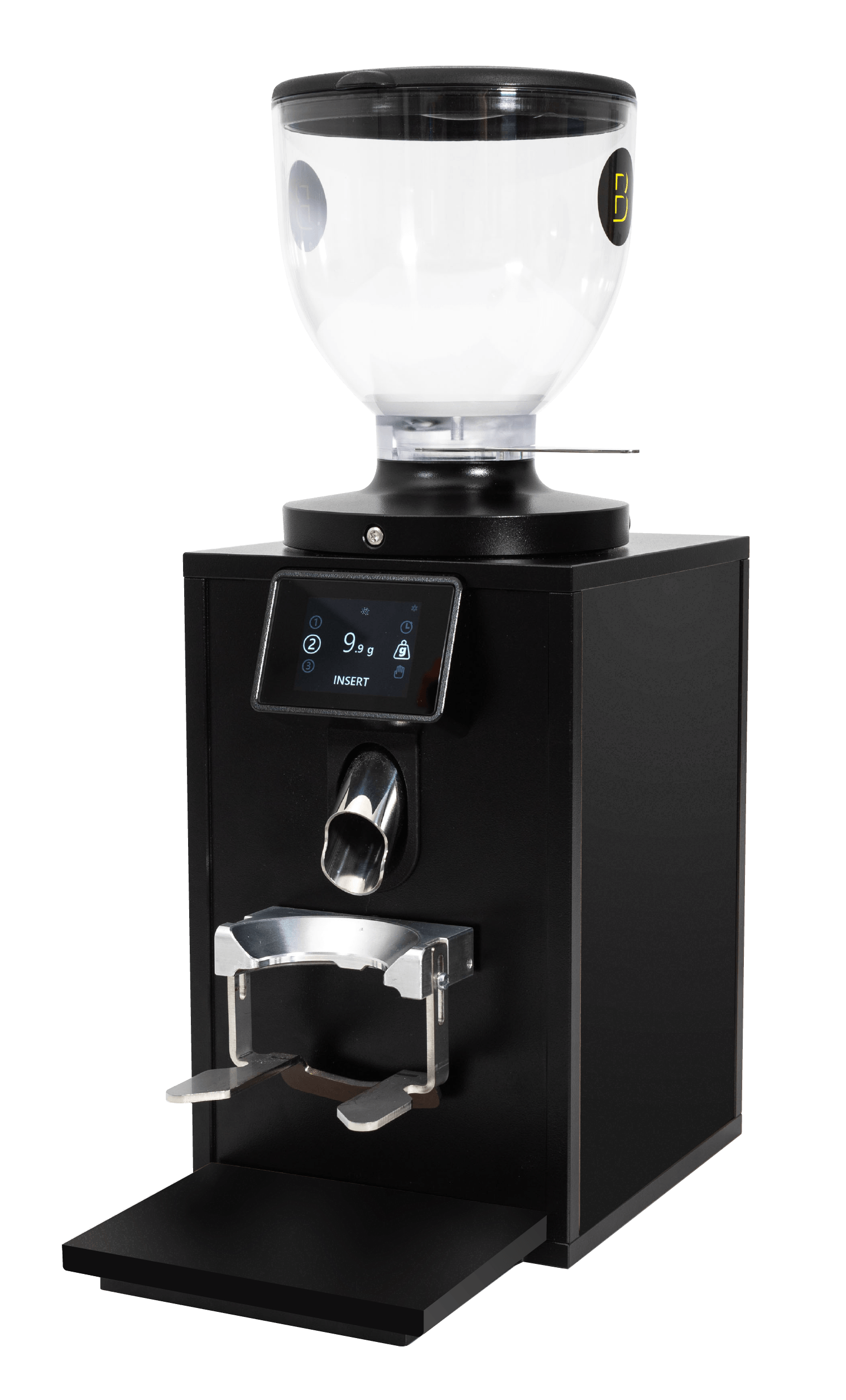
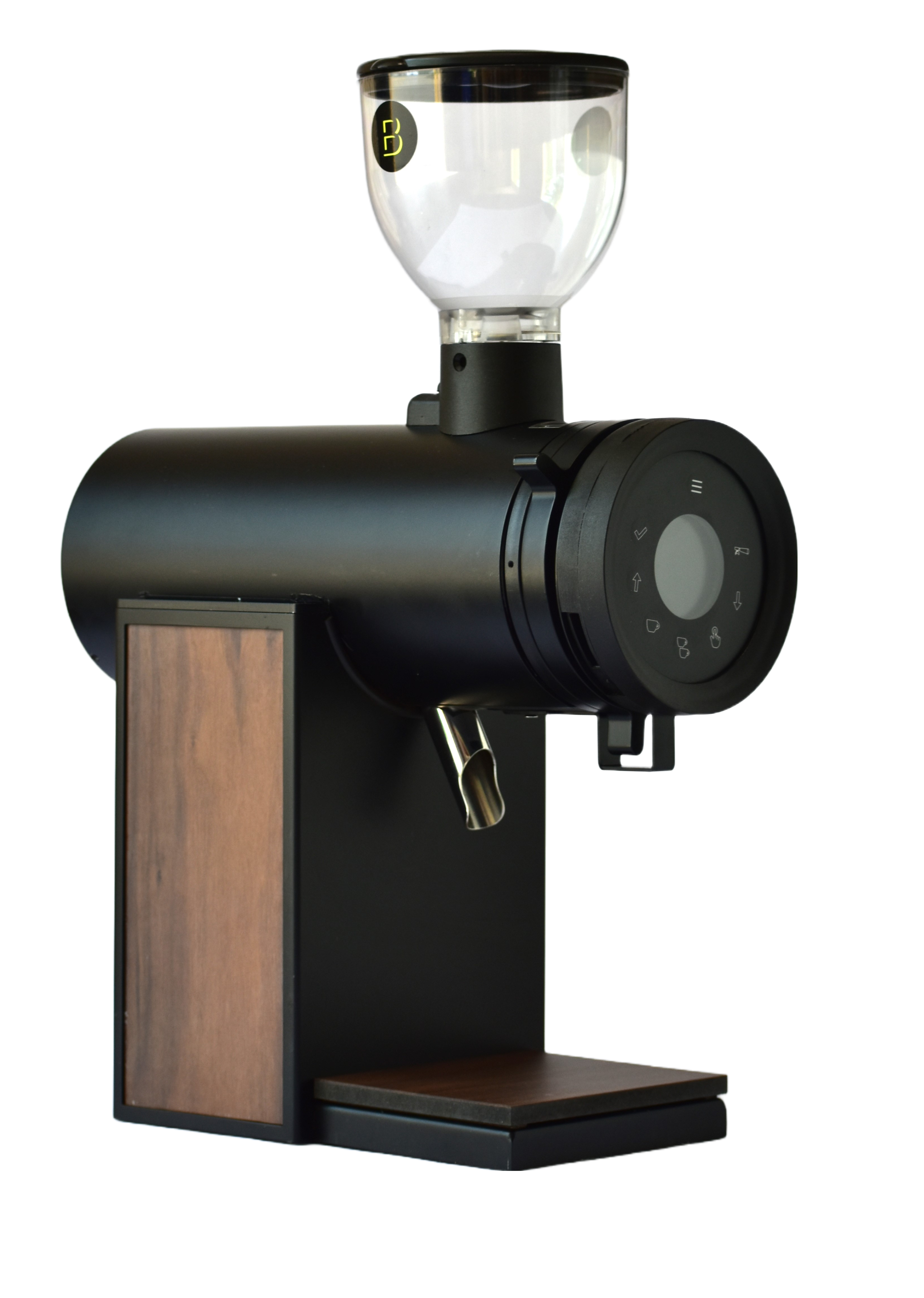
Buy the grinder into the budget, not after it. A burr grinder is half the espresso setup, not an accessory, and our working rule is to budget it at roughly the same value as the machine it feeds. Skip that and no machine at any price pulls a consistent shot, because espresso demands a fine, uniform grind that blade grinders cannot produce.
If the machine is already on the counter, better coffee comes before new hardware. Our espresso roasting guide explains how roast profiles change the shot, and our grinder buying guide covers the hardware when you are ready for it, or browse the grinders category directly.
- the decision this guide answers
Espresso Machine Types Compared
Every type below brews at the same target: roughly 9 bars of pressure at the coffee. What separates them is temperature stability, workflow, and how much of the process they automate.
| Type | Steams while brewing | Temperature control | Best for |
|---|---|---|---|
| Capsule / pod | Depends on the model | Fixed by the system | One or two quick shots a day, minimal cleanup |
| Thermoblock semi-automatic | Usually, at reduced steam power | PID on the better models | Beginners who want real shots without a boiler |
| Single boiler | No, you wait between brew and steam | Swings without PID control | One-drink-at-a-time drinkers on a budget |
| Heat exchanger | Yes, from one boiler | Stable brew temperature | Milk-drink households that want one machine |
| Dual boiler | Yes, independently | PID control on each boiler | Back-to-back milk drinks and longer sessions |
| Super automatic | Yes | Automated dosing and brewing | Convenience-first drinkers who accept less control |
| Commercial 2-group | Yes, under continuous service | Engineered for stability at volume | Cafes, offices, and high-volume bars |
What to Look For: Pressure, Temperature, and Workflow
Pressure. Espresso is defined by about 9 bars of brewing pressure. A "15-bar" or "20-bar" rating on a box describes the pump's maximum output, not the brewing pressure; an over-pressure valve regulates it down to 9 bars at the puck. Paying extra for a bigger number buys you nothing.
- the 9 bars that actually brew
Temperature stability. The target brew window is roughly 195 to 205 F (90 to 96 C). PID-controlled machines hold that window; simple single boilers and cheap thermoblocks drift during a session, which is why the same coffee tastes different on Tuesday than it did on Monday.
Workflow. Count the milk drinks, not the shots. A household that pulls two straight espressos in the morning has a completely different machine problem from one making four cappuccinos before school, because steaming while brewing is what single boilers cannot do.
- a PID-controlled machine
- a simple boiler, dashed
Pumps and portafilters. Home-tier machines almost always use compact, audible vibratory pumps; rotary pumps, like the one in the ECM Synchronika II, run quieter and are built for continuous service. Portafilter sizes run 51, 54, and 58 mm, and pressurized baskets (double-walled, which fake crema from pre-ground coffee) mask the difference a good grinder makes, so prefer standard baskets.
Single Boiler vs Dual Boiler (and the Heat Exchanger Between Them)
This is the biggest architectural decision on the ladder. A single boiler holds one temperature at a time, so you brew, then wait for the boiler to reach steam temperature, then wait again for it to cool back to brew range. A dual boiler runs two boilers at independent temperatures, so you pull the shot and steam at the same time, which is why dual boilers with PID control dominate the $1,000 to $3,000 home tier (the Breville Dual Boiler and the Lelit Bianca are the reference points there). The heat exchanger is the clever middle path: one boiler held at steam temperature, with brew water flash-heated as it passes through a tube, delivering simultaneous brew and steam at a lower price than a true dual boiler. Choose a single boiler if you drink your espresso straight and one drink at a time; choose a heat exchanger or dual boiler the moment milk orders stack up.
- brew (solid border)
- steam (dashed border)
- the heat exchanger overlap
Semi Automatic vs Super Automatic (and the Capsule Math)
A semi-automatic machine makes you grind, dose, and tamp; a super automatic does all three at the touch of a button. Semi-automatics teach skill and have a much higher quality ceiling, which is why beginners who plan to stay in the hobby should start there, ideally with standard baskets. Super automatics win on speed and consistency-for-effort, at the cost of control and deeper cleaning.
Capsules sit at the convenience end. They brew at pressure, so the result is espresso-adjacent, but the coffee is pre-portioned and the per-cup price adds up quickly compared with beans ground fresh. If a capsule machine is what fits your life, at least choose the coffee deliberately: our Brazil Nespresso Compatible Capsules give the machine a real single-origin espresso base, and our Brazil Specialty Coffee Pods fit any machine built to the open 44 mm ESE standard, no grinder or capsule system needed.
Budget Tiers: What Each Price Band Buys
Home machine brands named here are factual references, not recommendations we sell; none of them are links.
- $100 to $200. Machines such as the De'Longhi Stilosa EC230 (15-bar pump, stainless steel boiler) prove the workflow on a tight budget. Expect to do the work yourself and accept temperature swings.
- Under $550. The Gaggia Classic E24 (single boiler, brass boiler and group, 58 mm professional filter-holder) and the Breville Bambino Plus (ThermoJet heating with PID temperature control) are the usual entry reference points; either pairs well with a grinder of similar value.
- $500 to $800. The Rancilio Silvia, Rancilio's home-line machine with a brass brewing unit, is the long-standing single boiler choice for buyers who want to learn on unapologetic hardware.
- $1,000 to $1,600. The Breville Dual Boiler pairs dedicated espresso and steam boilers with digital PID control, the point where milk workflow stops being a compromise.
- $2,000 to $3,000. The ECM Synchronika II (dual boiler with rotary pump and PID control) and the Lelit Bianca (dual boiler with a paddle for manual flow control) are the prosumer ceiling; past this, the next rung is commercial.
When You Outgrow Home Gear: Choosing a Commercial Machine for a Small Cafe
At cafe volumes the decision ladder changes shape: drink count per hour, menu width, staff skill, and utilities (power and water) pick the machine, not personal taste. Two groups rather than one is the standard for a counter taking orders and serving drinks at the same time, because a single-group machine turns your busiest hour into a queue. Budget for the grinder as seriously as the machine, and treat the purchase as a payback problem rather than a spec problem: our espresso machine payback calculator turns your drink count and menu price into a payback period before you talk to a supplier. Our commercial espresso machines are all 2-group; we do not carry single-group or home machines.
Our picks, all sold through DABOV:
Nuova Simonelli Appia Life 2-Group. The entry point of our commercial espresso range: a 2-group machine built for high-volume service, available in Black and White, from $10,400. Choose it if you need commercial reliability on the smallest budget in this list. Nuova Simonelli Appia Life 2-Group
Nuova Simonelli Aurelia Wave 2-Group. The step up from the Appia Life: a 2-group machine built for specialty bars that demand extraction control and consistency at volume. Choose it when the menu has outgrown the Appia Life's brief. Nuova Simonelli Aurelia Wave 2-Group
Victoria Arduino Eagle One 2-Group. The specialty route: a 2-group machine with advanced temperature management and pressure profiling for competition-level coffee programs, from $22,550. Choose it if extraction quality and barista control are the point of your cafe. Victoria Arduino Eagle One 2-Group
Victoria Arduino Maverick 2-Group. The top of the range in this guide, built for the most prestigious venues. Choose it when the machine is part of the statement the room makes. Victoria Arduino Maverick 2-Group
Five Mistakes That Cost Buyers Real Money
- Buying the machine first and leaving the grinder out of the budget, which caps the whole setup no matter what the boiler can do.
- Paying a premium for a 15-bar or 20-bar rating, a pump figure that has nothing to do with the 9 bars actually brewed.
- Putting a single boiler in front of a household that orders four milk drinks in a row, then wondering why mornings feel slow.
- Comparing capsule sticker prices without cost per cup, which quietly inverts the math within a few months of daily use.
- Skipping the payback calculation on a commercial purchase and letting a supplier's spec sheet make the business case instead.
Frequently Asked Questions
How much should I spend on a home espresso setup?
Plan for the machine and the grinder together, with the grinder at roughly the same value as an entry machine. Our working rule lands a functional machine and grinder pair near $700 to $1,000 total; below that, fund the grinder before any machine upgrade.
Do I really need a burr grinder with an espresso machine?
Yes. Espresso needs a fine, uniform grind, and blade grinders produce uneven particles that extract unevenly no matter how good the machine is. Pre-ground coffee goes stale too fast to dial in.
Is a 15-bar machine better than a 9-bar machine?
No. Brewing happens at about 9 bars, and the 15-bar figure is the pump's maximum output before the over-pressure valve regulates it down. A higher number is not a performance claim you can use.
What is the difference between a single boiler and a dual boiler espresso machine?
A single boiler holds one temperature at a time, so brew and steam happen in sequence with a wait between them. A dual boiler runs two boilers at independent temperatures, so you brew and steam simultaneously.
What is a heat exchanger espresso machine?
A heat exchanger holds one boiler at steam temperature and flash-heats brew water as it passes through a tube inside, delivering simultaneous brew and steam at a lower cost than a dual boiler. It is the standard middle path for milk-drink households.
Semi automatic vs super automatic: which should a beginner choose?
A semi-automatic, if you want to learn: it teaches grind, dose, and tamp, and its quality ceiling is far higher. A super automatic suits buyers who value one-button speed and accept less control over the shot.
Are Nespresso or capsule machines real espresso, and what do they cost per cup?
Capsule machines brew at pressure, so the result is close to espresso, though the pre-portioned coffee limits freshness and control. The per-cup price is much higher than beans ground fresh, which adds up quickly for daily drinkers.
Can a moka pot make real espresso?
No. Espresso is defined by roughly 9 bars of brewing pressure, and a stovetop moka pot cannot reach it. It makes strong, concentrated coffee by a different method, which is a fine drink but not espresso.
What is PID temperature control and do I need it?
A PID controller holds brew temperature inside the roughly 195 to 205 F (90 to 96 C) window instead of letting the boiler drift. You need it if you pull milk drinks back-to-back or want one shot to taste like the last one.
What espresso machine is best for a small cafe?
A 2-group commercial machine, because it serves orders and steams through the morning rush without a queue. The Appia Life is the entry route and the Eagle One the specialty route, and the payback calculator tells you whether the volume justifies either.
Conclusion
The machine is the last purchase on the ladder, not the first: pick the architecture that matches your drinks and your volume, then spend at least as much on the grinder. Home buyers should start with the coffee and the grind, and cafe buyers should turn volume into a payback number before signing anything: run your numbers in the espresso machine payback calculator.