Why Equipment Defines the Ceiling
Most coffee enthusiasts hit a plateau where beans improve but the cup doesn't. They've dialed in their technique—they know their ratios, they've studied origin profiles—but something is holding the extraction back. Almost always, the bottleneck is equipment. The grinder produces uneven particles that extract at different rates. The kettle overshoots the target temperature by 8 degrees. The scale resolves to whole grams rather than tenths. These are not minor inefficiencies; they produce measurable differences in cup quality.
Advanced coffee tools don't guarantee great coffee. What they do is remove the equipment-layer sources of variability, leaving only the beans and the brewer's technique as the remaining variables. When a grinder produces consistent particle distribution, the cause of a sour shot becomes clearly over-extraction rather than under-grinding. When a scale reads to 0.1g, a coffee-to-water ratio becomes reproducible. Precision equipment makes coffee making learnable in a way that imprecise equipment does not.
This guide covers ten tools that represent genuine upgrades—where the capability gap between these and their mid-range equivalents is large enough to justify the investment for a serious enthusiast.
Tools at a Glance
| Tool | Price Range | Core Upgrade Over Basic | Who Needs It |
|---|---|---|---|
| Flat-burr or conical grinder | $300–$1,500 | Uniform particle distribution, minimal fines | Any enthusiast using pour-over or espresso |
| PID espresso machine | $600–$3,000+ | Temperature stability within 0.2°C | Espresso-focused home brewers |
| 0.1g digital scale with timer | $30–$120 | Reproducible ratio + extraction timing | Everyone who brews by recipe |
| Variable temp gooseneck kettle | $80–$200 | Target temp holding, pour control | Pour-over, AeroPress, Chemex |
| Pressure profiling espresso machine | $1,500–$5,000+ | Pre-infusion + declining pressure curves | Advanced espresso enthusiasts |
| Refractometer (TDS meter) | $150–$600 | Measures extraction yield % objectively | Enthusiasts wanting data-driven dialing |
| Coffee siphon (vacuum pot) | $60–$300 | Clean immersion extraction, theatrical | Filter coffee explorers |
| Nitro cold brew system | $150–$500 | Nitrogen infusion for texture and mouthfeel | Cold brew enthusiasts |
| Coffee cupping/tasting kit | $80–$250 | Standardized evaluation, palate development | Anyone improving their discernment |
| Home drum or fluid-bed roaster | $500–$2,000 | Fresh green-to-roast control, varietal exploration | Enthusiasts wanting full seed-to-cup control |
1. High-Quality Burr Grinder
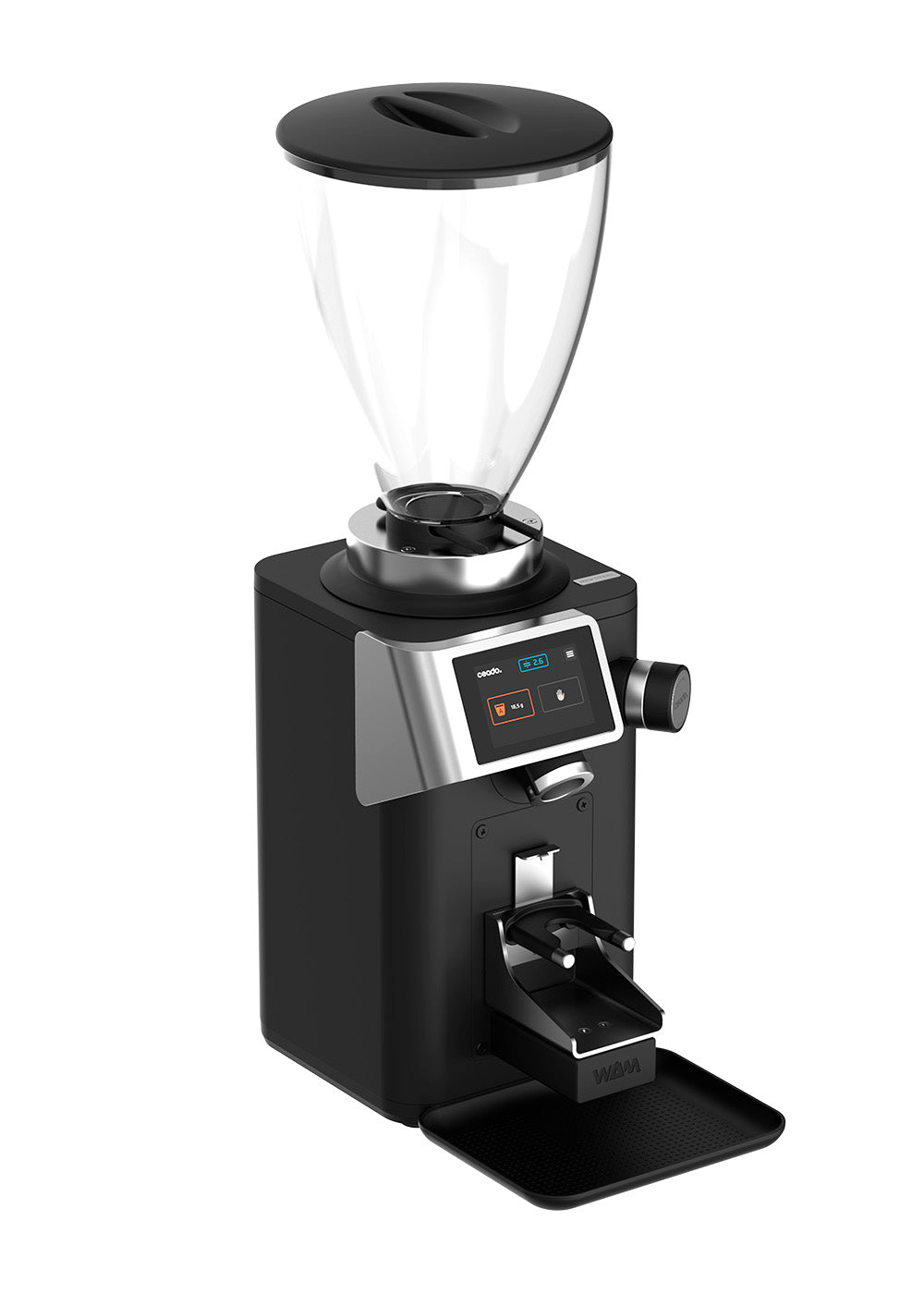
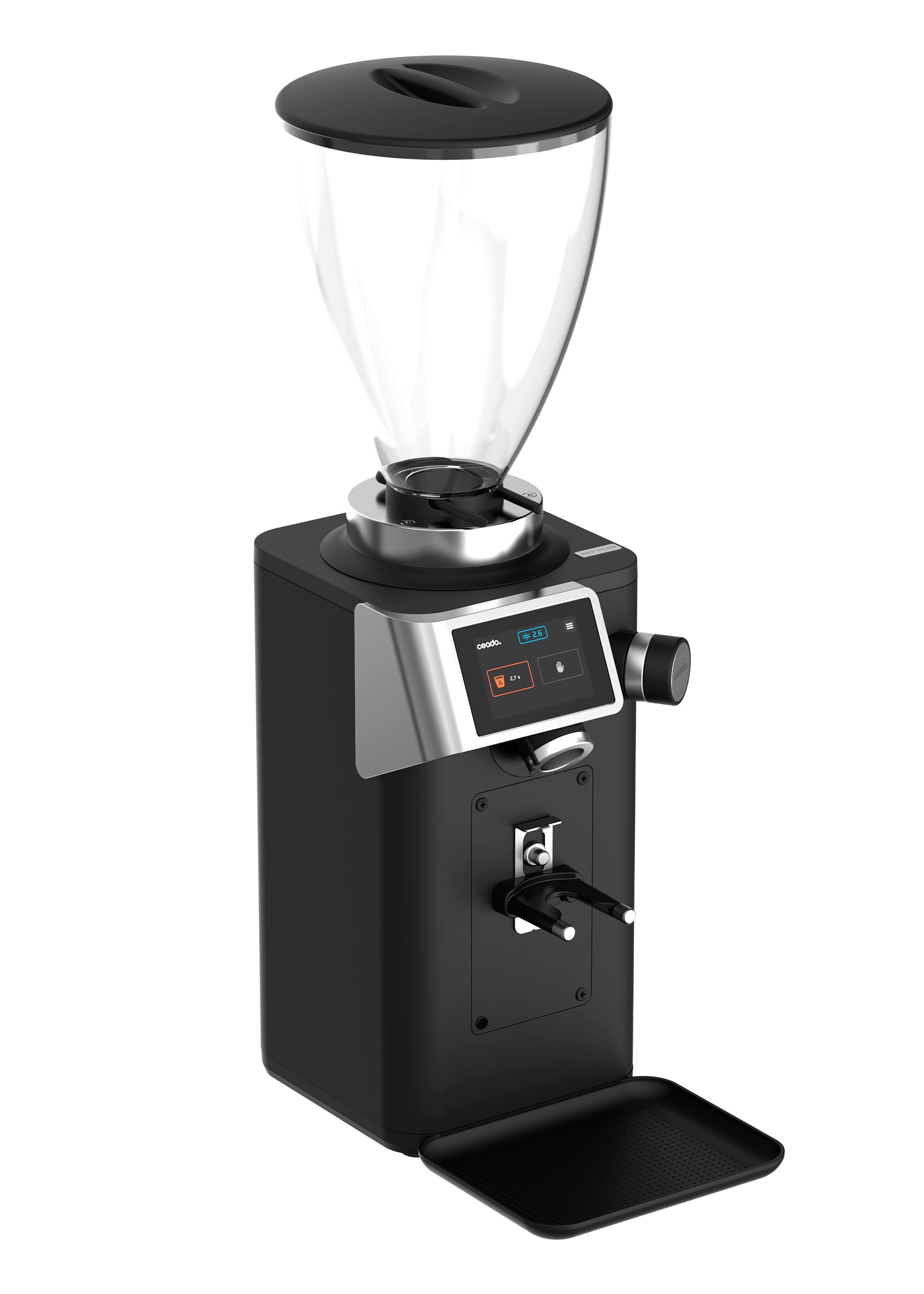
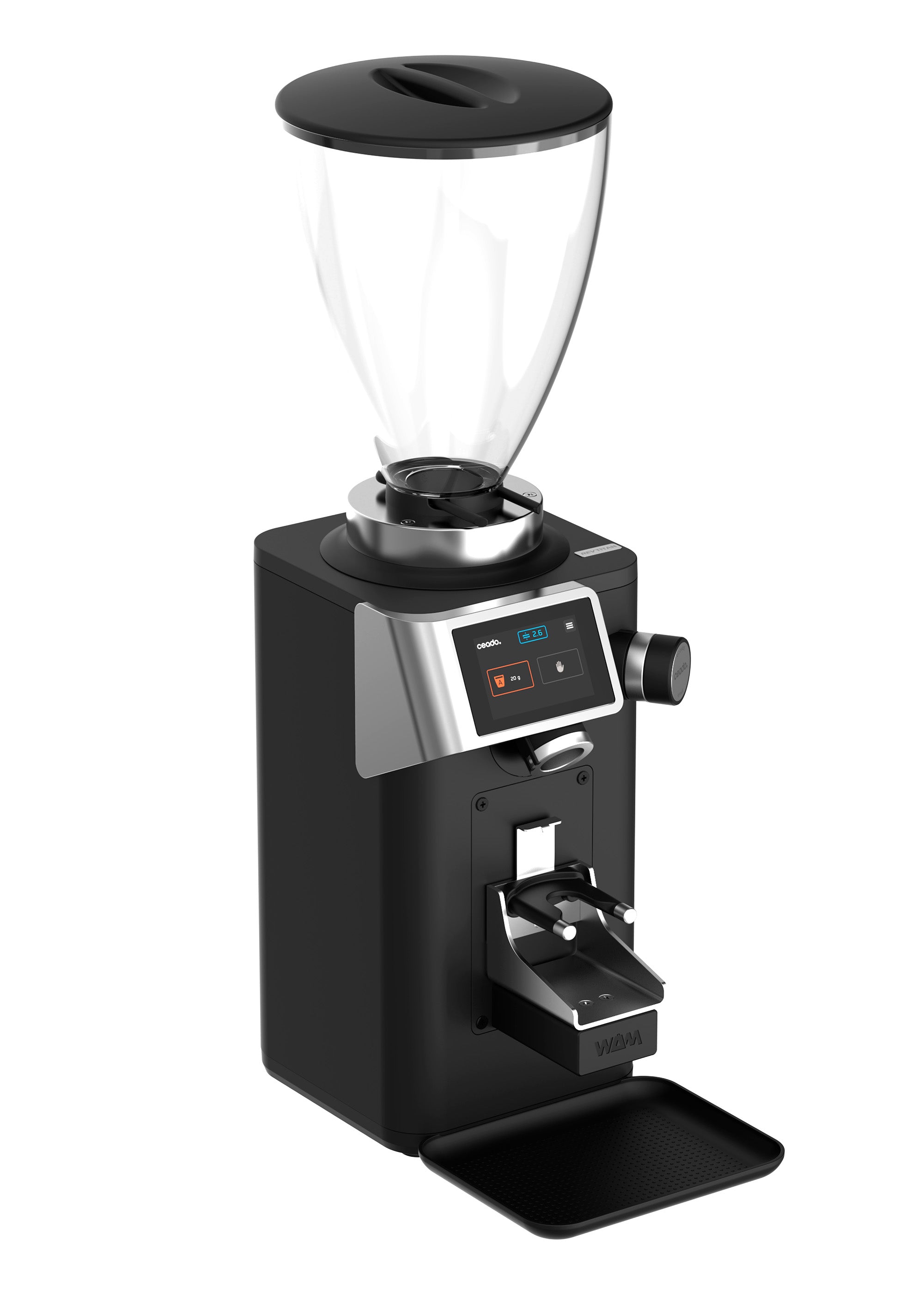
The grinder is the single highest-leverage upgrade available in a home coffee setup. A uniform grind means uniform extraction—every particle surrenders its solubles at roughly the same rate, producing a clean, balanced cup rather than a mix of over-extracted bitterness (from fine particles) and under-extracted sourness (from coarse ones).
High-end grinders like the Baratza Vario, Eureka Mignon Specialita, or DF64 flat-burr single-dosers differ from consumer-grade grinders in three ways: burr size and material (larger, harder burrs stay sharp longer and generate less heat), motor power (steady torque prevents slipping and inconsistency), and grind adjustment range (stepless adjustment allows infinite gradation rather than fixed steps).
For pour-over brewing, a medium-coarse grind (similar to coarse sea salt in particle size) is the target. For espresso, you need a fine, precise grind where a 1-step adjustment changes extraction time by 3–5 seconds. A blade grinder or low-end burr grinder cannot produce this consistency. An entry-level burr grinder in the $50–$150 range has fewer and softer burrs with significant fines production. The step between that and a $400+ grinder is audible in the cup.
2. PID-Controlled Espresso Machine
PID stands for Proportional-Integral-Derivative—a feedback control algorithm that monitors and adjusts heating element power many times per second to maintain water temperature within ±0.2°C of the setpoint. Traditional espresso machines use thermostats that cycle heating on and off, creating temperature swings of 3–8°C around the nominal setting. At espresso extraction pressures, a 5°C temperature difference changes the extraction yield measurably—the difference between a sweet, balanced shot and a sour or bitter one.
PID machines like the Rancilio Silvia Pro X (dual boiler), Breville Barista Express Impress, or La Marzocco Linea Mini hold temperature consistently from the first shot of the day to the last. For the espresso-focused home brewer, this consistency is the foundation of dialing in: when temperature is controlled, grind adjustment becomes the primary variable for extraction optimization.
Look for machines with a dual-boiler or heat exchanger configuration if you steam milk frequently—single-boiler machines require a waiting period between brewing and steaming as the boiler temperature changes.
3. 0.1g Digital Scale with Integrated Timer
This is the lowest-cost item on this list and one of the highest-impact. Most coffee recipes are specified by mass ratio (e.g., 1:15 coffee-to-water for pour-over; 1:2 for espresso). Measuring by volume introduces inconsistency because grind density varies between coffees. A Colombian Caturra at medium roast and an Ethiopian natural at light roast have different bulk densities—the same tablespoon can represent 6g or 9g.
A scale accurate to 0.1g removes this variable entirely. Combined with an integrated timer—measuring time from first pour to end of extraction—it turns every brew into a reproducible experiment. Scales with auto-tare and auto-timer functions (which start timing when they detect the first pour) minimize the manual steps during brewing. Bluetooth-enabled models like the Acaia Pearl or Lunar connect to smartphone apps that graph extraction curves over time.
4. Variable Temperature Gooseneck Kettle
For pour-over methods—Hario V60, Chemex, Kalita Wave, AeroPress—the kettle shape and temperature are the two controllable pour variables. A gooseneck spout provides the flow control that allows a consistent, gentle pour onto the coffee bed, saturating grounds evenly without excessive agitation. A standard wide-spout kettle makes controlled pour-over extremely difficult.
Variable temperature control lets you target different temperatures for different coffees and brewing methods. Light-roast, delicate Arabicas often benefit from 94–96°C water, which extracts their bright acids and florals efficiently. Darker roasts extract better at 88–92°C—lower temperature slows extraction of bitter compounds. The difference is small but detectable in a back-to-back comparison.
Kettles like the Fellow Stagg EKG, Brewista Artisan, and Bonavita Variable maintain temperature within ±1°C and hold it for 60 minutes. The hold function is valuable for pour-over sessions where multiple cups are brewed sequentially.
5. Pressure Profiling Espresso Machine
Standard espresso machines deliver 9 bar of constant pressure throughout extraction. Pressure profiling machines allow you to program pressure changes during the shot: a gentle pre-infusion phase (1–3 bar for 5–15 seconds to wet and swell the puck before full pressure), a ramp to full pressure, and a declining pressure tail that reduces channeling risk and extends the sweet extraction window.
Machines with pressure profiling—like the La Marzocco GS/3 or Decent DE1 at the high end—allow programmable curves. The Decent DE1 generates a pressure-versus-time graph for every shot, enabling post-shot analysis. The visual feedback accelerates learning: you can see channeling events as pressure spikes and adjust accordingly. Even pre-infusion alone—pausing at low pressure for several seconds before full extraction pressure—improves shot consistency meaningfully.
6. Refractometer (TDS Meter for Coffee)
A refractometer measures the refractive index of coffee and converts it to Total Dissolved Solids (TDS)—the percentage of coffee mass that dissolved into the brew. Combined with the original coffee and water weights, TDS enables calculation of extraction yield: the percentage of coffee mass that actually made it into the cup.
The SCA's Brewing Control Chart places the "ideal" zone at 1.15–1.35% TDS (for drip/filter) and 18–22% extraction yield. These ranges are guidelines, not rules, but they provide a diagnostic tool. If your coffee tastes sour, TDS and extraction data tell you whether you're under-extracting (low yield) or brewing too weak (low TDS). Without the data, you're guessing at the cause. Refractometers for coffee—like the VST Coffee Refractometer or DiFluid R2 Extract—cost $150–$600 and are best suited to enthusiasts who want to optimize systematically.
7. Coffee Siphon (Vacuum Pot)
The siphon is the most theatrically compelling brewing device in the specialty toolkit and produces a cup that justifies its complexity. Two glass chambers sit above a heat source. Water heats in the lower chamber until vapor pressure pushes it up into the upper chamber containing ground coffee. After brewing, removing the heat creates a partial vacuum that draws the brewed coffee back down through a cloth or glass filter, leaving grounds behind.
The process produces a cup that combines the body clarity of a paper-filtered pour-over with a slightly heavier texture—the cloth or glass filter passes more oils than paper but filters solids cleanly. Premium siphons like the Hario TCA or Yama Glass use high-quality borosilicate glass and include halogen beam heaters for precise temperature control. They're slow (10–15 minutes per brew), high-maintenance, and unforgiving of distraction. For the right brewer, that's the appeal.
8. Nitro Cold Brew System
Nitro cold brew infuses cold-brewed coffee with nitrogen gas under pressure, producing a cascading effect, velvety texture, and creamy mouthfeel without adding dairy. The nitrogen's insolubility in liquid means it forms very fine bubbles that create a different mouthfeel than CO2 carbonation. The drink pours from a draft tap with a visual waterfall effect reminiscent of a stout beer.
Home nitro systems work by charging cold brew in a pressurized canister with nitrogen and dispensing through a restrictor plate. The key variable is cold brew quality—nitrogen amplifies what's already there. Start with a 12–18 hour cold-steeped concentrate at a 1:4 coffee-to-water ratio using coarsely ground, medium-to-dark roasted beans. Chocolate and nutty origin profiles (Brazilian, Colombian, Guatemalan) tend to work better in nitro than bright, high-acid profiles.
9. Coffee Cupping/Tasting Kit
A professional cupping kit standardizes the evaluation environment—the foundation of any meaningful coffee comparison. A complete kit includes ceramic cupping bowls (207–266ml capacity), cupping spoons with deep 4–5ml bowls, a scale, a timer, a thermometer, and cupping forms (available free from the SCA).
Higher-end kits add aroma reference vials (compounds that represent common coffee scents—berry, chocolate, floral, earthy, nutty) that serve as calibration anchors: exposure to the pure compound that smells like blueberry helps you identify it when it appears in diluted form in a natural-processed Ethiopian. A cupping kit also enables hosting: when friends participate in a structured cupping, the format gives everyone a shared vocabulary.
10. Home Coffee Roaster
A home roaster is the ultimate upstream control—the point at which the enthusiast gains access to green coffee possibilities and can dial flavor not just through extraction but through roast development. The specialty green coffee market offers hundreds of unroasted lots at $6–$15 per pound green versus $18–$30 roasted.
Two main roaster types exist for home use. Fluid-bed roasters (like the Behmor 2AB) use hot air to agitate and roast beans—cleaner, faster, easier to clean. Drum roasters (like the Kaldi Wide or Gene Café) use a rotating drum, closer to commercial roasting, with more nuanced development curves. The skill is learning to read the roast: monitoring bean color against Agtron color tiles, listening for First Crack and Second Crack, and stopping the roast at the exact development moment for each green coffee.
Frequently Asked Questions
What is the single best upgrade for a home coffee setup?
The grinder. Every other upgrade is conditional—you need an espresso machine before a PID matters; you need cold brew before a nitro system matters. But a quality burr grinder improves every brew method: pour-over, French press, AeroPress, espresso. It is the universal upgrade that produces the highest measurable improvement across any brewing context.
Do I need a PID machine or a pressure profiling machine?
PID is the minimum meaningful temperature control; pressure profiling is the advanced next step. Start with a PID machine—it solves most temperature-related inconsistency. Add pressure profiling only after you've exhausted the dialing-in potential of a PID machine and want finer control over extraction dynamics.
How accurate does a scale need to be for home coffee brewing?
0.1g resolution is the practical minimum for espresso and pour-over precision. 1g resolution is adequate only for French press or batch brewing where dose-to-yield ratio is less sensitive to small variations. For espresso specifically, a 0.5g variation in yield changes TDS by approximately 0.05%—detectable in a blind tasting.
Is home roasting worth the investment?
For enthusiasts drinking at least 300–400g of specialty coffee per week and interested in green coffee variety access, yes. The economics typically break even within 6–12 months versus buying equivalent specialty roasts. The non-economic benefit—control over freshness and roast development—is the primary driver for most home roasters.
Conclusion
Advanced coffee tools are not about status or luxury—they're about removing the equipment ceiling from your brewing. The grinder unifies particle size. The PID machine stabilizes temperature. The scale makes ratios reproducible. The kettle controls pour variables. The refractometer makes extraction measurable. Stack these improvements and the quality ceiling rises to where only the beans themselves become the limiting factor. Explore our roasting equipment and specialty coffee beans to pair the right tools with exceptional origins.