What Separates Premium Coffee Gear From the Rest
Premium coffee equipment is not defined by price alone. It is defined by precision tolerances and materials that directly affect extraction variables: temperature stability, grind uniformity, pressure consistency, and contact time. Every variable you control with more precision translates — measurably — to a better cup. A $30 blade grinder produces particle sizes ranging from dust to pebbles in the same batch. A $200 burr grinder produces a particle distribution tight enough that water extracts evenly across the entire bed. That difference shows up in every cup.
This guide maps the essential equipment categories for serious home brewing, explains what to prioritize at different investment levels, and identifies the specific tools that earn their place on any well-considered coffee setup.
Espresso Machines: The Anchor of the Setup
For espresso, the machine's job is to force water through a compressed puck of coffee at 9 bars of pressure, at a stable temperature of 90–96°C, over 25–35 seconds. Every machine in this category does that in principle. Premium machines do it without thermal variance between shots, with genuine pressure stability throughout the extraction, and with long service life measured in decades, not years.
Single boiler machines (Rancilio Silvia, Breville Bambino Plus) use one thermal unit for both brewing and steaming. To switch from pulling a shot to texturing milk, you change the temperature set point and wait 30–60 seconds. This is workable but introduces a rhythm interruption that can frustrate anyone making multiple consecutive milk drinks.
Heat exchanger machines (Bezzera BZ10, ECM Classika) maintain the steam boiler at steaming temperature and route brewing water through a separate coil inside that boiler. Result: you can brew and steam nearly simultaneously. Temperature stability at the group head is managed through a "cooling flush" — running water briefly before pulling the shot. Once mastered, this delivers professional workflow at mid-tier prices.
Dual boiler machines (La Marzocco Linea Micra, Breville Dual Boiler, Rocket Appartamento TCA) maintain two completely separate boilers at their respective ideal temperatures. No compromise, no timing dance. This is the architecture found in commercial equipment and represents the highest performing configuration available for home use.
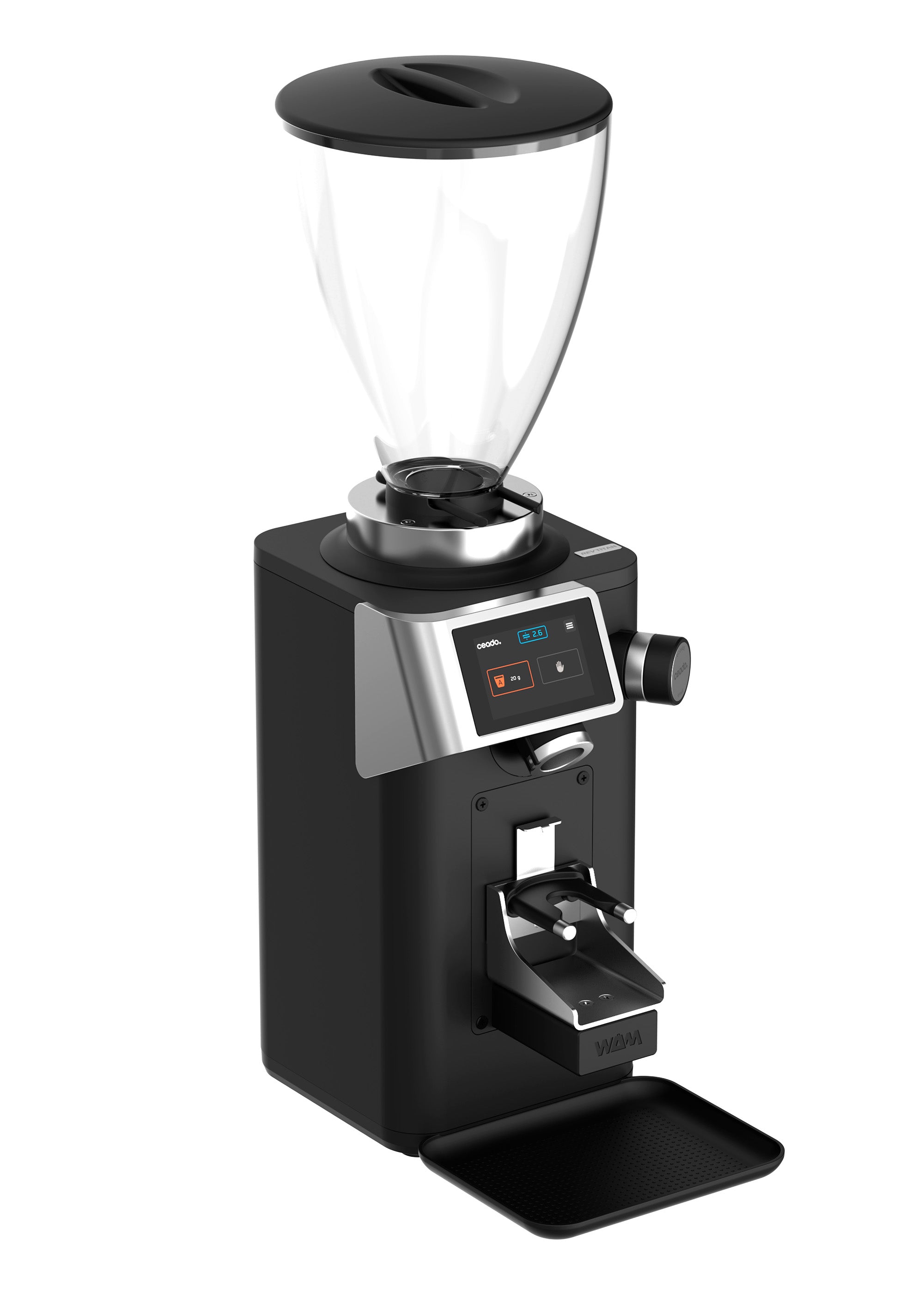
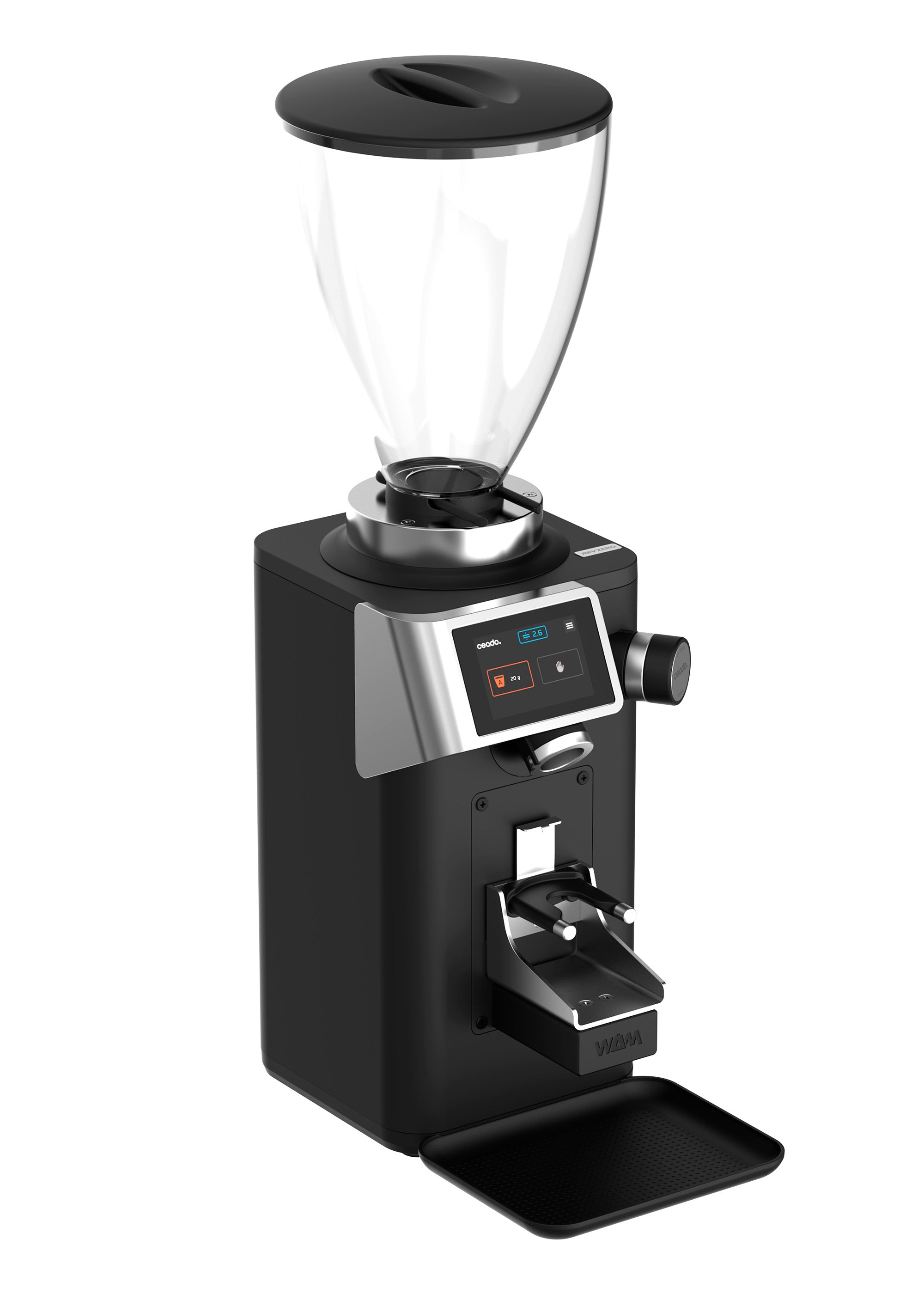
Grinders: The Most Impactful Single Upgrade
If you are choosing between upgrading your espresso machine or your grinder, upgrade the grinder. Extraction consistency is downstream of grind consistency, and no machine — regardless of price — can compensate for uneven particle distribution.
Burr Types and Their Trade-offs
Flat burrs (Mazzer, Baratza Vario, Mahlkonig E65S GbW) produce a particle distribution with a flatter, more bimodal profile. Many specialty coffee professionals prefer flat burrs for filter coffee because they produce brighter, more clarity-focused cups. For espresso, the more concentrated extraction amplifies any inconsistency, making flat burr alignment and calibration more critical.
Conical burrs (Baratza Encore, Eureka Mignon, La Marzocco Lux D) produce a more forgiving distribution with slightly more fine particles (fines), which many find produces a richer, more body-forward espresso. Conical burrs are more tolerant of alignment error, making them the practical choice for most home setups.
Grinder Recommendations by Use Case
| Grinder | Burr Type | Primary Use | Price | Notes |
|---|---|---|---|---|
| Baratza Encore | Conical | Filter only | $170 | Gold-standard entry filter grinder |
| Fellow Ode Gen 2 | Flat | Filter / light espresso | $365 | Poor fines, excellent for pour-over |
| Eureka Mignon Specialita | Conical | Espresso | $460 | Stepless, very quiet, café-quality |
| Baratza Sette 270Wi | Conical (external ring) | Espresso | $550 | Weight-based dosing, micro-adjustable |
| Mahlkonig EK43 | Flat | Both | $2,000+ | Commercial benchmark; extreme uniformity |
| 1Zpresso J-Max | Conical | Hand grind / travel | $200 | Best manual espresso grinder |
Pour-Over Systems: Clarity Through Control
Pour-over brewing rewards precision. The same beans that produce a good espresso will show completely different character brewed through a Chemex or V60 — more transparent, more origin-specific, less body-dominated. The equipment matters, but technique accounts for roughly 60% of the result.
Chemex: The 1.5mm bonded paper filters produce one of the cleanest cups in any manual method. Zero sediment, zero oil passage. This is ideal for floral, delicate light roasts from East Africa (Ethiopian Yirgacheffe, Kenyan Kiambu). The double-walled glass carafe is fragile; the glass handle variant is notably more practical than the classic wood collar.
Hario V60: The single most widely used pour-over dripper in professional cupping environments. Ceramic retains heat better than plastic or glass. The spiral ribs prevent filter adherence, maintaining consistent airflow. The wide-open aperture gives you maximum control over draw-down speed via grind size and pour technique.
Kalita Wave: The flat-bottom design with three small holes produces a more forgiving extraction than the V60 — drawdown is slower and more uniform, reducing the impact of pour technique errors. A better choice for beginners to manual brewing.
Kettles and Water Temperature Precision
A gooseneck kettle is not optional for pour-over brewing — standard kettle spouts pour too fast and unpredictably to distribute water evenly across the coffee bed. The two options that have become default among specialty coffee professionals:
Fellow Stagg EKG ($165): Temperature control in 1°F increments, counterbalanced handle for a steady pour, hold mode keeps water at target temp for 60 minutes. The matte black finish and minimal design have made this the most photographed coffee kettle in existence.
Bonavita 1L Gooseneck ($50): A much cheaper option that lacks precise temperature control but has a quiet heating element and an honest gooseneck shape. If you use a separate thermometer and don't mind manual monitoring, this covers the functional requirement at a fraction of the price.
Scales: Brewing by Weight, Not Volume
Volume-based dosing (tablespoons of coffee, lines on a carafe) is inherently imprecise because coffee density varies by roast level, age, and origin. A tablespoon of fresh light-roasted Ethiopian beans weighs roughly 5g; a tablespoon of aged, darker-roasted Brazilian beans weighs closer to 7g. Brewing by weight eliminates this variable entirely.
A brewing-specific scale needs three things: 0.1g resolution, a fast response time (under 300ms), and a built-in timer. The Acaia Pearl ($165) has become the default recommendation because it is water-resistant, connects to brewing apps via Bluetooth for flow rate monitoring, and responds fast enough to track pour weight in real time. The Hario V60 Drip Scale ($60) is the entry alternative — less responsive, no Bluetooth, but accurate and reliable.
Water Quality: The Most Overlooked Variable
Coffee is approximately 98–99% water. The mineral content of that water has a direct and significant effect on extraction chemistry. Specifically:
- Magnesium chelates (binds to) aromatic compounds during extraction, increasing perceived flavor intensity.
- Calcium contributes to body but at high concentrations causes over-extraction of bitter compounds.
- Chlorine and chloramine impart off-flavors even at tap-safe levels.
The SCA's ideal brewing water guidelines call for 75–150 ppm total dissolved solids (TDS), with a pH of 6.5–7.5. Most US municipal tap water runs 100–300 ppm and includes chlorine treatment. A simple carbon block filter (Brita, Pur) removes chlorine and chloramine. For more precise control, the Peak Water Pitcher allows adjustable mineral filtration by swapping filter cartridges.
Coffee Storage: Protecting Your Investment
Once roasted, coffee begins oxidizing immediately. Ground coffee goes stale within 20–30 minutes of grinding. Whole beans, properly stored, are typically at their best between 4 and 21 days post-roast.
Airtight containers with one-way degassing valves allow CO2 released by fresh beans to escape without admitting oxygen. The Fellow Atmos Vacuum Canister creates a positive pressure seal by pumping air out with the lid mechanism — the most effective consumer storage solution for whole beans.
Freezing is legitimate for long-term storage, with caveats: freeze in airtight single-dose portions, and let each portion come to room temperature before opening. Condensation on cold beans is the main risk; a sealed pouch prevents it.
Maintenance and Longevity
Premium equipment earns its cost only if properly maintained. Neglect accelerates degradation faster on expensive machines than cheap ones, because the precision tolerances that produce quality are the same tolerances that suffer most from rancid oil buildup and scale.
Espresso machines: Backflush the group head daily with plain water, weekly with a dedicated cleaner (Cafiza, Puly Caff). Descale every 2–3 months depending on water hardness. Replace group head gaskets when they begin leaving marks on the portafilter basket or you notice pressure drop. Steam wand tip holes clog with milk protein — purge and wipe after every use.
Grinders: Run a dedicated grinder cleaner tablet (Grindz, Full Circle) monthly. Disassemble and brush-clean the burr chamber every 6 months. Replace burrs when grind time noticeably increases at the same setting, typically after 2–3 years of daily use on home grinders.
Frequently Asked Questions
What is the most important upgrade for someone brewing filter coffee at home?
Start with a burr grinder. Even a modest $150–170 conical burr grinder (Baratza Encore) produces results that expose weaknesses in expensive equipment downstream. If you are already grinding fresh with a burr grinder, the second most impactful upgrade is a temperature-controlled gooseneck kettle for pour-over, or an SCA-certified drip machine (Technivorm Moccamaster) for automatic brewing.
Is expensive water equipment really necessary?
For most home brewers, a carbon-block filter (Brita, PUR) that removes chlorine and chloramine is sufficient. If you live in an area with extremely hard water (above 250 ppm TDS), a dedicated coffee water filter or a system that allows remineralization is worth investigating — both for cup quality and to protect your equipment from scale damage.
Do burr material (steel vs. ceramic) matter for home use?
Steel burrs sharpen faster with use, run slightly warmer during high-volume grinding, and can be resharpened or replaced. Ceramic burrs stay cooler and last longer before dulling, but are brittle and can chip if small stones or foreign material enters the grinder. For home volumes (1–3 doses per day), the difference is negligible. For daily single-dose espresso grinding, either material performs identically.
Conclusion
The case for premium coffee gear rests on a simple principle: each piece of precision equipment removes one more variable from the brewing process. A calibrated burr grinder removes grind inconsistency. A temperature-controlled kettle removes water temperature uncertainty. A scale removes dosing ambiguity. Stack enough of these improvements and the resulting cup has nowhere to hide — every quality attribute of the bean becomes audible.
Start with a grinder and a scale. Add temperature control. Then, when espresso calls, choose the machine tier that matches your commitment to the craft. Browse our roasted coffee selection for beans worth brewing with precision — single-origins from Yirgacheffe, Kenya, and Colombia that reward every variable you lock in.