How to Think About Coffee Maker Categories
Every coffee maker performs the same fundamental operation: bring water into contact with ground coffee, extract soluble compounds, then separate them. The differences between a $30 drip machine and a $3000 espresso setup are not about the outcome being "more coffee" — they are about how much control the device gives you over pressure, temperature, contact time, and extraction yield.
Understanding that framework makes comparison easier. The relevant questions are: How many variables does this machine expose? How tolerant is it of imprecise inputs? What is the ceiling of quality it can produce? And does that ceiling align with what you actually want to drink?
Drip Brewers: The High-Bar Machines
The drip brewer category spans an enormous quality range. A $25 machine and a $350 Technivorm Moccamaster KBG both drip water through grounds, but only one reliably brews at the 195–205 degrees F window that the Specialty Coffee Association identifies as the extraction optimum.
The Technivorm Moccamaster KBG is the benchmark for this category. Built in the Netherlands from brass, copper, and polycarbonate, it reaches optimal brewing temperature within the first 30 seconds and maintains it through the full 6-minute brew cycle. The SCAA Golden Cup certification verifies this independently. The thermal carafe holds coffee without a heating plate, eliminating the scorching that flat-bottom drip machines cause after 20 minutes.
The Breville Precision Brewer Thermal adds programmability to comparable brewing quality. Its six presets include a "My Brew" mode that lets you adjust bloom time, flow rate, and water temperature — something the Moccamaster does not offer. The pour-over adapter converts it to a manual brewer when you want maximum control. Both machines carry SCA certification; the Breville costs slightly less and adds more flexibility.
OXO Brew 9 Cup occupies the mid-range: SCAA-certified, intuitive single-dial interface, 24-hour programmable start. It lacks the temperature customization of the Breville but produces excellent results with less attention. Recommended for households that want quality without a learning curve.
Single-Serve Machines: Convenience vs. Quality
Single-serve machines trade control for convenience. You accept pre-packaged coffee in exchange for a one-button brewing experience. The question is whether the convenience justifies the ongoing capsule cost and the quality ceiling imposed by the pod format.
Nespresso VertuoPlus uses centrifusion technology — the capsule spins up to 7,000 rpm during brewing, creating centrifugal infusion rather than pure pressure extraction. The result is a cup with genuine crema and respectable body for the format. Nespresso's capsule ecosystem includes capsules from well-known specialty roasters alongside their own range, which expands the flavor options considerably.
Keurig K-Elite supports any K-Cup pod plus reusable My K-Cup filters, which means you can use your own ground coffee. The strong brew setting and iced coffee mode extend the flavor range. K-Cup coffee is generally not exceptional — the sealed pod format limits freshness — but the machine's versatility makes it defensible for households with mixed preferences.
Cuisinart SS-10P1 accepts K-Cups and ground coffee via a reusable filter, offers a 72oz reservoir, and includes a rinse cycle between brews. Build quality trails the Keurig K-Elite, but the price advantage is meaningful for budget-conscious buyers who want flexibility.
Espresso Machines: Where Control Meets Complexity
Espresso brewing demands 9 bars of pressure, water at 195–200 degrees F, and a grind fine enough to create 25–30 seconds of resistance from 18–20 grams of coffee yielding 36–40 grams of espresso — a 1:2 ratio. The machine must hold all these variables stable simultaneously. The grinder must produce consistent fine particles. Both variables affect the final shot, and neither can fully compensate for the other.
Breville Barista Express integrates a conical burr grinder into the machine, which solves the biggest barrier for beginners. The built-in grinder is adequate for the quality range the machine can produce, though a standalone grinder at the same price point would outperform it. PID temperature control maintains water temperature accurately. The pressurized basket option adds a second filter layer for more forgiving extraction while beginners develop technique.
Gaggia Classic Pro uses a commercial 58mm portafilter — the same diameter as professional espresso machines — giving it access to commercial baskets, tampers, and accessories. The three-way solenoid valve releases pressure after extraction, preventing wet puck mess and simplifying cleanup. It requires a standalone grinder; pair it with a Baratza Encore or Rancilio Rocky for a capable semi-automatic setup.
De'Longhi La Specialista bridges semi-automatic and super-automatic. Its sensor-driven grinder adjusts dosing in real time, and the smart tamping station standardizes tamp pressure — two variables that cause inconsistent espresso even among experienced home baristas. The dual boiler system allows simultaneous brewing and milk steaming without temperature compromise. It costs more than the Barista Express but produces more consistent results with less daily practice.
Manual Brewers: Maximum Control, Minimum Automation
Manual brewing methods require more skill and attention but can produce exceptional coffee with relatively inexpensive equipment. Their appeal is precise control: you set every variable yourself.
Chemex Classic Series produces an exceptionally clean cup. The Chemex-bonded paper filter is significantly thicker than standard paper filters, removing oils and fine particles that even Hario V60 or Kalita Wave filters allow through. The result is a bright, clean cup that highlights acidity and delicate aromatics — ideal for light-roasted single-origin coffees. The glass-and-wood design doubles as a serving carafe.
Bodum Chambord French Press uses a stainless-steel mesh plunger that allows oils and fines into the cup — a feature, not a flaw, for drinkers who prefer full body and textured mouthfeel. The 4-minute steep is forgiving. Unlike espresso, the French press produces acceptable results even with modest technique, making it one of the best starting-point purchases for new specialty coffee drinkers.
AeroPress combines immersion steeping with manual pressure application. Total brew time runs 90–120 seconds. The device weighs 250 grams, fits in a backpack, and tolerates rough handling. The inverted method allows for longer steeping without dripping and produces a richer, heavier cup than the standard orientation. Its versatility — adjustable grind, time, temperature, and pressure — makes it the most experiment-friendly manual brewer available.
"The AeroPress is the most forgiving piece of specialty coffee equipment ever made. You can make excellent coffee with it even when half the variables are wrong." — a competition-circuit barista assessment widely cited in brewing communities.
Matching Machine to Drinker
| Machine | Price Range | Best For | Learning Curve | Daily Time |
|---|---|---|---|---|
| Technivorm Moccamaster KBG | $350–$400 | Quality drip, 2–10 cups | Low | Under 10 min |
| Breville Precision Brewer Thermal | $230–$280 | Programmable quality drip | Low-Medium | Under 10 min |
| OXO Brew 9 Cup | $180–$200 | Balanced drip without fuss | Low | Under 10 min |
| Nespresso VertuoPlus | $150–$200 | Fast espresso-style drinks | Minimal | Under 5 min |
| Keurig K-Elite | $130–$170 | Pod variety plus reusable filter | Minimal | Under 5 min |
| Breville Barista Express | $700–$750 | Home espresso with built-in grinder | High | 20–30 min |
| Gaggia Classic Pro | $450–$500 | Semi-auto espresso, upgradeable | High | 20–30 min |
| De'Longhi La Specialista | $700–$850 | Semi-auto with guided workflow | Medium | 15–20 min |
| Chemex (6-cup) | $40–$50 | Clean bright pour-over | Medium | 10–15 min |
| Bodum Chambord French Press | $30–$50 | Full-body immersion | Low | 8–10 min |
| AeroPress | $35–$40 | Versatile single-cup and travel | Low-Medium | 3–5 min |
Essential Accessories Worth Buying First
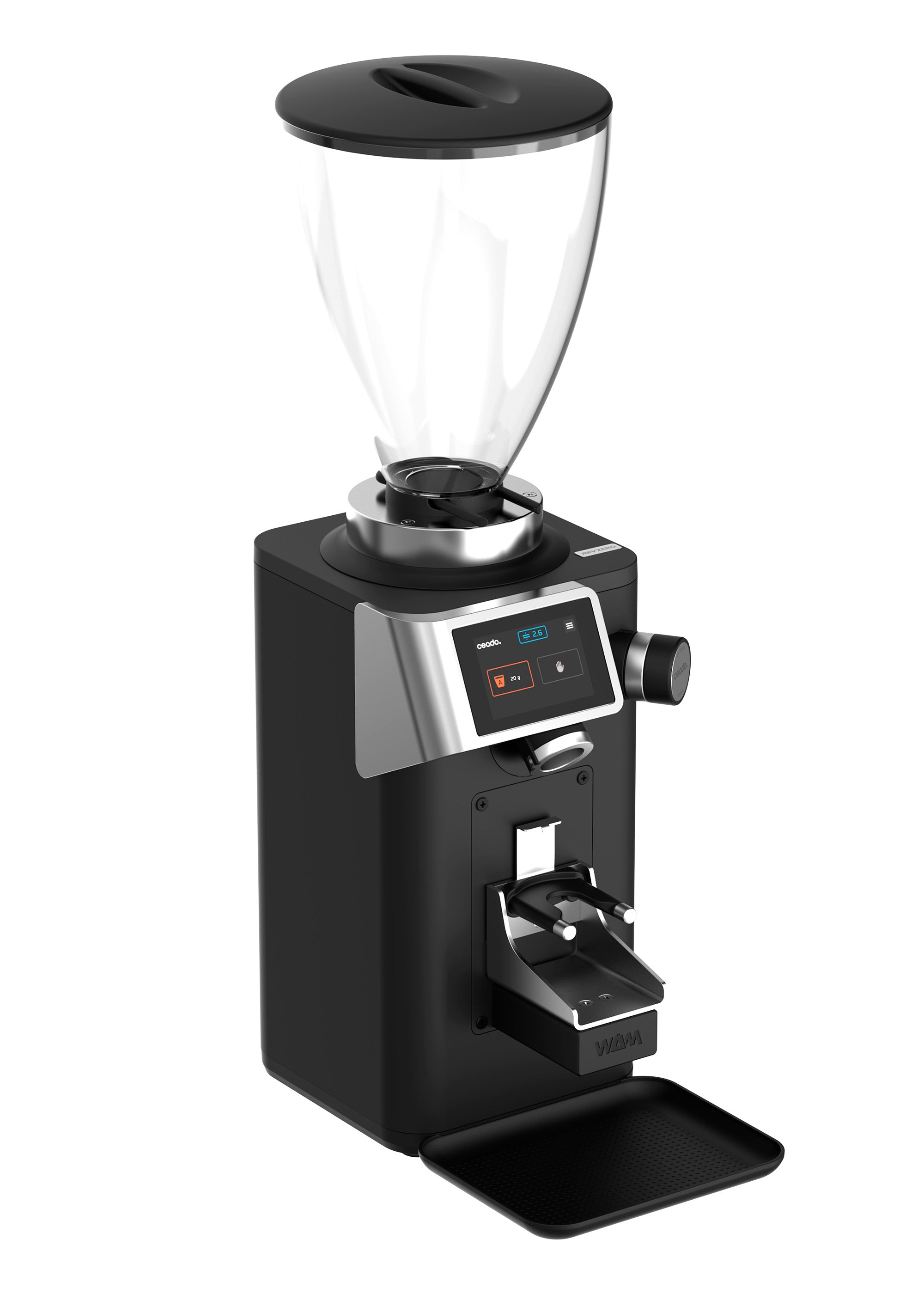
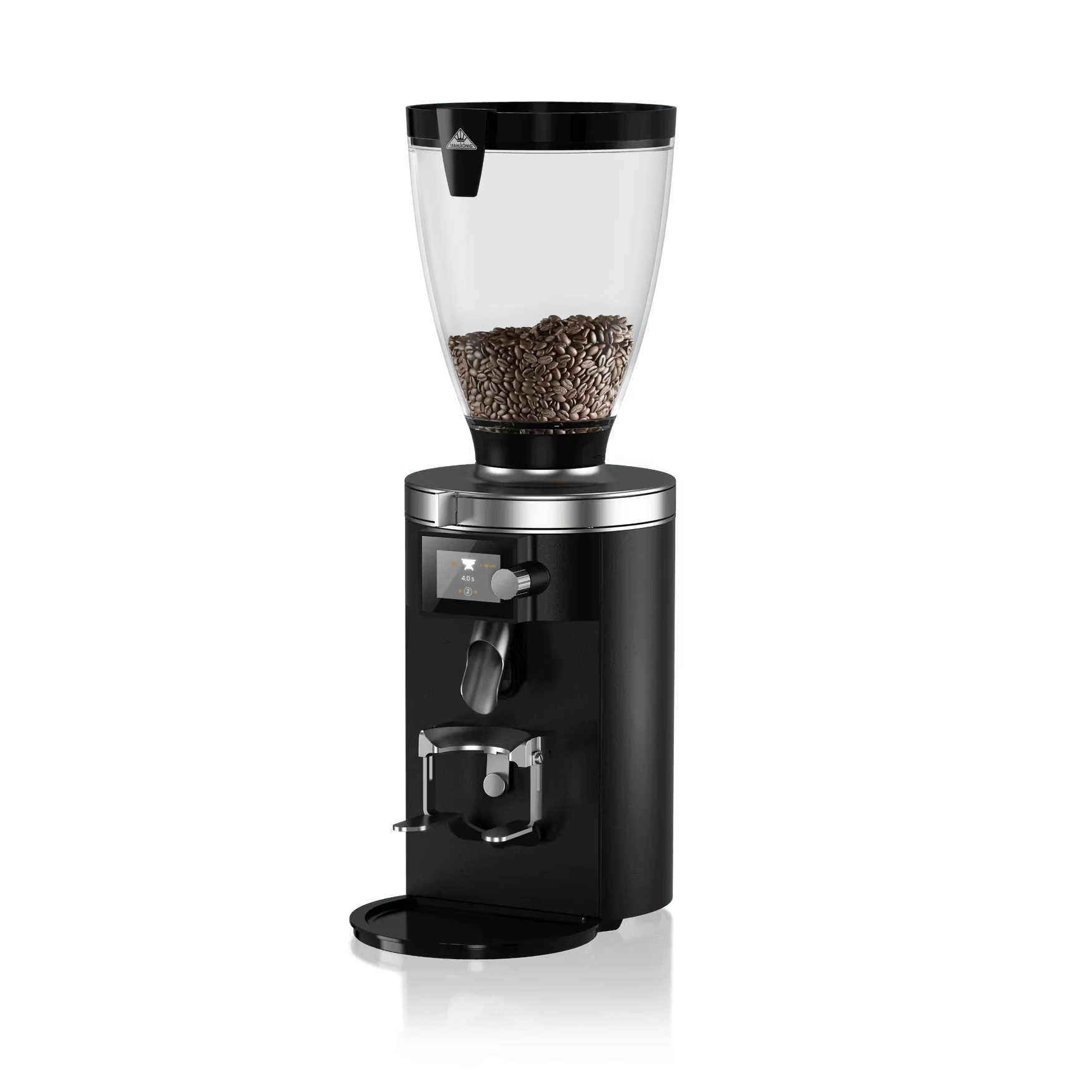
Before upgrading the machine, upgrade the grinder. A $400 espresso machine with a $200 standalone grinder will produce better espresso than a $700 espresso machine used without one. Grind consistency is the variable most commonly undersupported in home setups.
Baratza Encore is the benchmark entry-level burr grinder for drip, French press, and pour-over. 40 grind settings, durable burrs, and excellent replacement-parts support make it a reliable investment. Baratza Virtuoso+ adds micro-stepped adjustment and a weight-based dosing timer for more precision.
Fellow Stagg EKG is the gooseneck kettle of choice for pour-over work. Variable temperature control adjustable in 1-degree increments holds set temperature during the pour. For manual brewing methods, temperature precision at the point of contact matters more than boil speed.
An accurate digital scale — the Acaia Pearl or the budget-friendly Hario V60 Drip Scale — closes the loop on ratio precision. Measuring by weight rather than volume is the single habit that most improves brew consistency.
Frequently Asked Questions
Does a more expensive coffee maker automatically produce better coffee?
Not automatically. A $350 Technivorm produces better coffee than a $30 drip machine because it holds temperature correctly. But a $30 French press with fresh beans and a good burr grinder can outperform both if brewed carefully. Equipment establishes a ceiling; beans, grinder, and technique determine how close to that ceiling you get.
Is an espresso machine worth it for home use?
Only if you genuinely drink espresso-based beverages daily and are willing to invest time in dialing in the grind. The espresso workflow takes 15–20 minutes per session to execute well. For occasional espresso drinkers, a Nespresso produces a serviceable result with zero workflow overhead.
What is the most important upgrade for a home coffee setup?
A burr grinder, consistently. The grinder determines particle consistency, which directly controls extraction evenness. Upgrading from a blade grinder to a basic burr grinder will improve cup quality more than any machine upgrade at the same price point.
How often should coffee makers be descaled?
Every 1–3 months depending on water hardness and usage frequency. Hard water accelerates scale buildup on heating elements, degrading both temperature accuracy and machine longevity. Commercial descaling solutions like Urnex Dezcal work across most machine types.
Can you use any coffee in a Nespresso or Keurig machine?
Nespresso Vertuo machines are locked to Nespresso-branded capsules via NFC barcode scanning. Original-line Nespresso and all Keurig machines accept third-party capsules and refillable pods. For Keurig, the My K-Cup reusable filter is the most cost-effective path to using freshly ground coffee.
Conclusion
Choosing a coffee maker is a personal problem defined by how you drink coffee, how much time you give to brewing, and how much quality matters relative to convenience. The Technivorm Moccamaster and Breville Precision Brewer set the standard for drip quality. The Nespresso VertuoPlus defines the single-serve ceiling. The Breville Barista Express and Gaggia Classic Pro anchor semi-automatic espresso for home use.
Buy the machine that matches your actual workflow — not the one that matches an aspirational workflow you have not yet built. Add a good burr grinder, use freshly roasted beans, and you will exceed what most cafes serve at twice the price. Browse our coffee beans selection for single-origin lots worth brewing at home.