Why Equipment Matters — and Where the Returns Diminish
Equipment does not make a good barista. It enables one. The distinction is critical for every purchasing decision. A precision grinder cannot compensate for stale beans; a dual-boiler espresso machine cannot save a poor tamping technique. Understanding this distinction keeps equipment decisions rational rather than aspirational.
That said, equipment imposes hard ceilings on output quality that skill alone cannot break. A blade grinder — which chops beans into irregular shards — will produce uneven extraction regardless of how skilled the operator is. A machine with no temperature stability will pull inconsistent shots regardless of how carefully the dose is measured. The first priority of any equipment upgrade is to remove those hard ceilings; the second is to refine performance within the range that good technique opens up.
The three components that matter most, in order of impact:
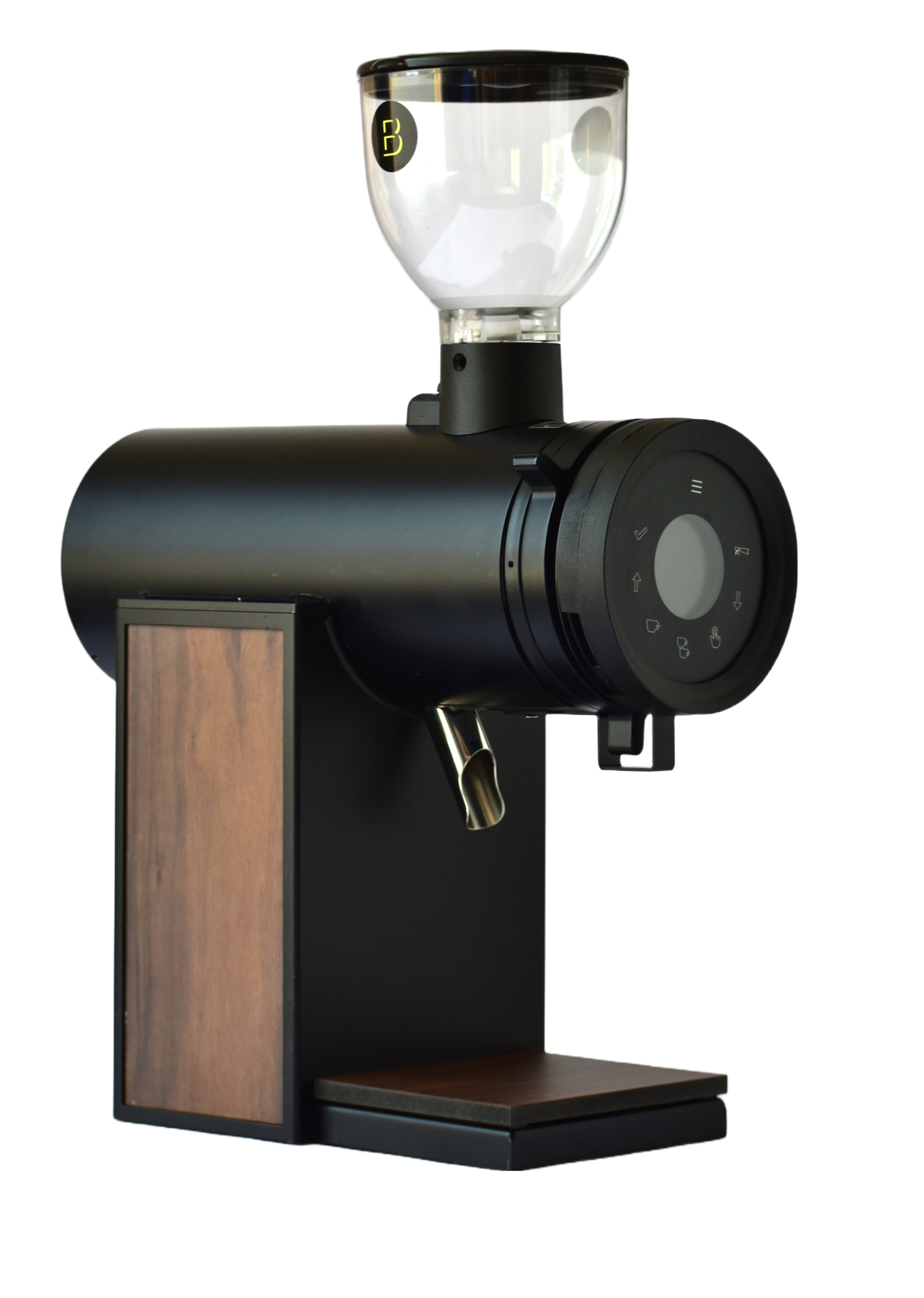
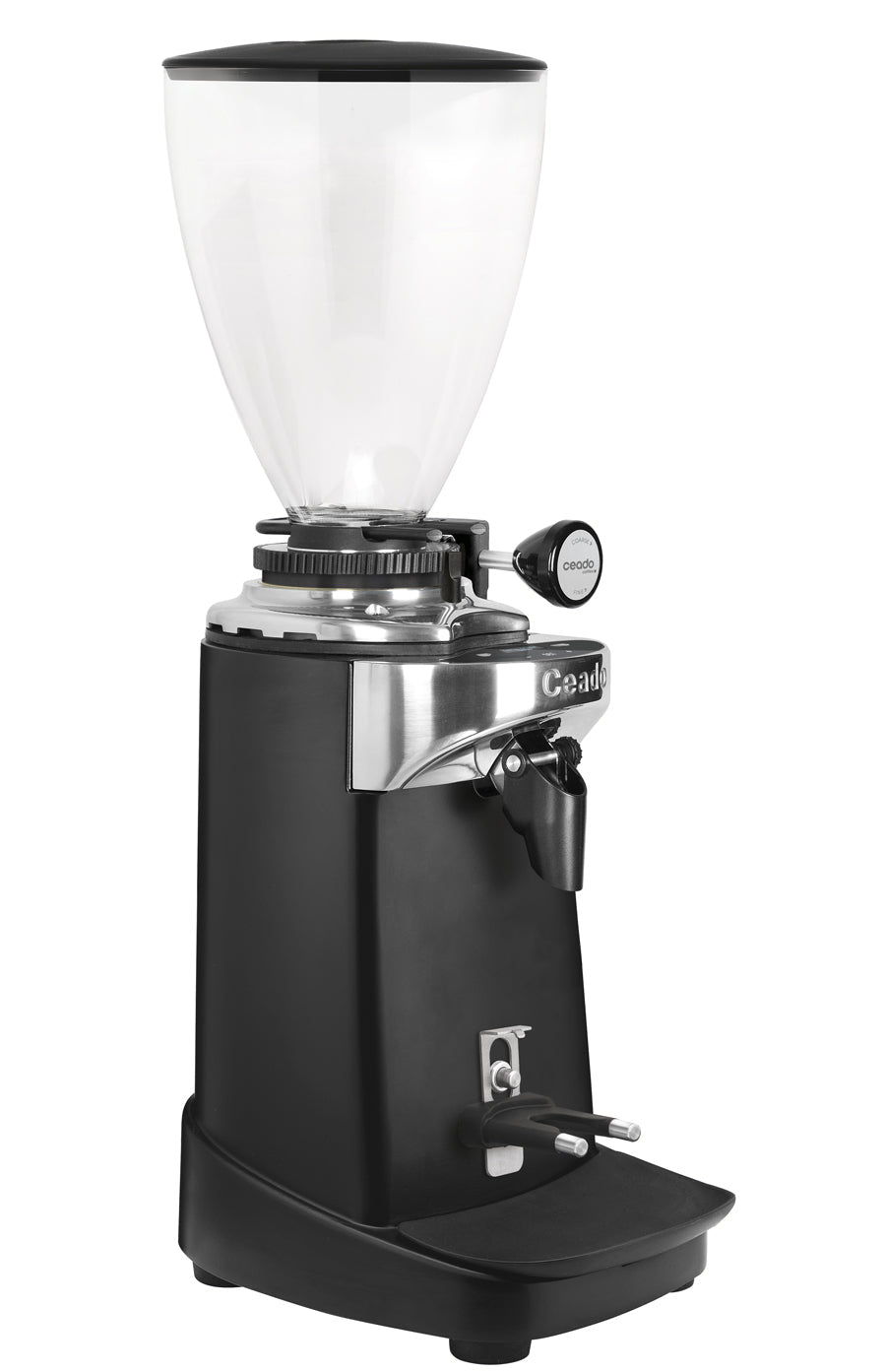
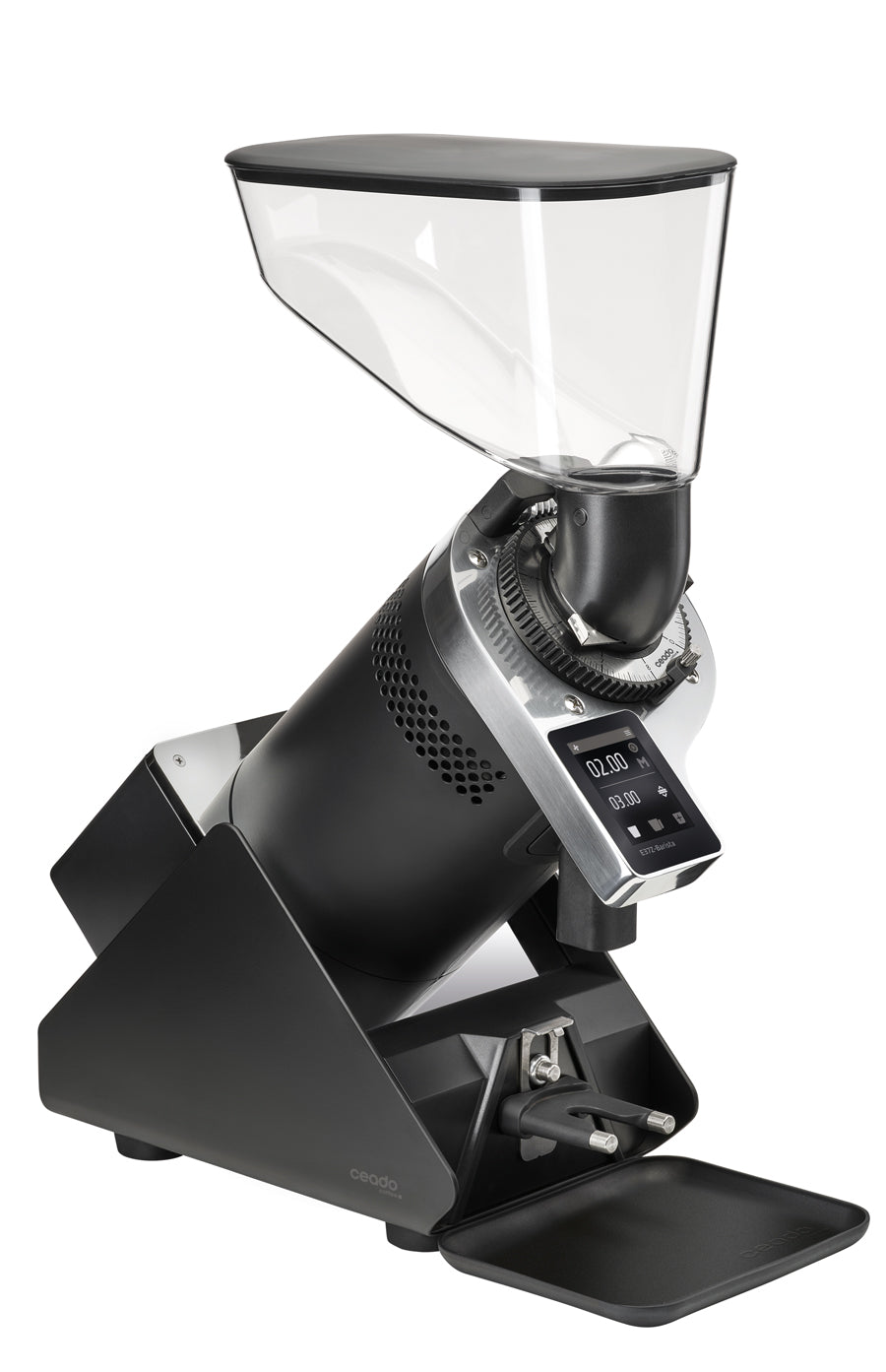
- Grinder — Grind consistency affects extraction uniformity more than any other single variable. This is where the highest ROI per dollar spent is found, especially for espresso.
- Espresso machine or brew method — Temperature stability, pressure consistency (for espresso), and flow rate control determine how reliably the grinder's work translates into the cup.
- Kettle and accessories — For pour-over and filter brewing, temperature-controlled gooseneck kettles and calibrated scales complete the precision loop.
Equipment Tiers: What Each Level Delivers
| Tier | Grinder | Espresso Machine | Kettle | Total Investment | Suitable For |
|---|---|---|---|---|---|
| Entry | Baratza Encore ($170) | Breville Bambino Plus ($500) | Basic variable temp ($50) | $720 | Daily drinker building skills |
| Prosumer | Baratza Sette 270Wi ($480) | Breville Dual Boiler ($1,500) | Fellow Stagg EKG ($195) | $2,175 | Enthusiast extracting specialty beans |
| Commercial-at-home | Niche Zero ($700) or DF64 ($350) | La Marzocco Linea Mini ($4,500) | Acaia Lunar scale + Stagg EKG ($490) | $5,700+ | Advanced home barista / competition prep |
| Filter-only | Baratza Encore ($170) | Technivorm Moccamaster ($320) | Fellow Stagg EKG ($195) | $685 | Pour-over / batch brew focused |
The prosumer tier is where the specialty coffee market's center of gravity sits for serious home brewers. The Breville Dual Boiler (and its close competitor, the Profitec Pro 300) delivers genuine dual-boiler thermodynamic separation — meaning steam and brew circuits run at independent temperatures simultaneously, with no wait time between steaming and brewing. PID temperature control holds brew-boiler temperature within 0.5°C of target. These are the features that define the ceiling of espresso quality at home.
Grinders: The Highest-Impact Purchase
The divide between entry-level burr grinders and prosumer grinders is not incremental — it is categorical.
Flat burr vs. conical burr: Flat burr grinders (like the DF64 or Eureka Mignon Specialita) produce a bimodal particle distribution — a mix of fine particles and larger ones — that many espresso drinkers prefer for its body and clarity. Conical burr grinders (like the Niche Zero or Baratza Sette) produce a slightly unimodal distribution that tends toward clarity and lower retention. Neither is categorically superior; the choice depends on the coffee being dialed in and personal preference.
Grind retention: Retention is the amount of ground coffee that stays inside the grinder between doses. High retention (common in flat burr grinders with large chambers) contaminates the next dose with stale grounds from the previous session. The Niche Zero has near-zero retention (under 0.1g), which is why it became popular for single-dose home espresso. The DF64 achieves similar retention with an RDT (Ross Droplet Technique) workflow.
Stepless vs. stepped adjustment: Stepless grinders (most prosumer espresso grinders) allow infinite grind size adjustment, which is necessary for espresso dialing — the extraction window for espresso is narrow enough that meaningful adjustments can be smaller than a single step on a stepped grinder.
Espresso Machines: Understanding the Feature Hierarchy
Espresso machine features exist on a performance hierarchy. From lowest to highest impact on cup quality:
Temperature stability (PID control): Brew temperature affects which compounds extract and at what rate. A machine that wanders ±3°C between shots (as many entry-level thermocoil machines do) produces inconsistent results that cannot be dialed in systematically. PID control, standard from the prosumer tier upward, solves this. The Breville Dual Boiler and Gaggia Classic Pro (with PID mod) both deliver this.
Pressure stability: Traditional E61 group heads and rotary pump machines maintain more consistent pressure profiles than vibratory pump machines, particularly at high extraction pressures. For most specialty single-origin espresso, pressure profiling (variable pressure during extraction) can improve sweetness and reduce astringency — but this is a refinement, not a foundation.
Dual boiler vs. single boiler: Single boiler machines (like the Gaggia Classic Pro or Rancilio Silvia) require a thermal transition between brew temperature and steam temperature — typically 90 seconds of waiting. Dual boiler machines run both circuits simultaneously. For light-roast espresso requiring precise brew temperatures in the 93–96°C range, the dual boiler's independent steam boiler means the brew boiler is never compromised by steam demands.
The E61 group head: The E61 is a hydraulic group head design from 1961 that remains common in prosumer machines (Profitec, Rocket, ECM). Its thermal mass provides pre-infusion (a slow pressure ramp that saturates the puck before full extraction pressure is applied) and temperature stability without electronic assistance. It is a mechanical solution to the same problem PID controllers address electronically.
Pour-Over and Filter Equipment: A Different Set of Trade-offs
For pour-over and batch brewing, the equipment hierarchy looks different. The espresso machine drops out, and the kettle rises in importance.
The gooseneck kettle: Pour rate control is the primary lever in pour-over brewing. A gooseneck spout allows the brewer to vary flow from a thin stream (for saturating dry grounds at the start of a bloom) to a steady pour (for maintaining a stable draw-down rate). Temperature-controlled gooseneck kettles — the Fellow Stagg EKG is the category reference at $195 — hold temperature within 1°C and allow specific target temperatures (85°C for light roast, 93°C for medium-dark) without guessing.
Precision brew ratio: A scale with 0.1g resolution and a timer function is more important for pour-over quality than the specific brewer used. The Acaia Pearl ($135) and Timemore Black Mirror Basic ($55) are the specialist options; any 0.1g kitchen scale with a tare function works.
The Technivorm Moccamaster is the certified SCAA-approved automatic drip machine: it brews at 92–96°C and delivers the full batch in six minutes, which satisfies the contact time required for even extraction. For hosts who want to serve multiple people without manual pour-over labor, this machine produces results that the specialty community takes seriously.
Accessories That Actually Matter
Not all accessories earn their counter space. The ones with demonstrable impact on cup quality:
Calibrated tamper: An uneven tamp creates density variation in the espresso puck that channels water through lower-resistance paths, producing over-extracted and under-extracted zones in the same shot. A calibrated self-leveling tamper (Normcore, LevTamp) removes user error from tamping at a cost of $50–70.
Distribution tool: Puck preparation matters before tamping. A WDT (Weiss Distribution Technique) tool — essentially a thin needle array — breaks up clumps in freshly ground coffee before it is tamped, improving particle distribution. A set of needles mounted in a 3D-printed handle costs under $15 to build; commercial versions run $30–$80.
Water filter and TDS meter: Espresso extraction is highly sensitive to water mineral content. Water below 50 ppm TDS under-extracts (too soft — not enough mineral to facilitate extraction); above 200 ppm TDS it over-extracts and scales the machine. The Third Wave Water mineral packets are the easiest calibration solution for home use ($15 per 50-packet set).
Building Your Setup: A Sequenced Upgrade Path
If you are starting from scratch or upgrading incrementally, this is the sequence that delivers the highest return at each step:
- Start with a grinder at or above the Baratza Encore level — a $170 investment that removes the hard ceiling on all other brew methods.
- Add a temperature-controlled gooseneck kettle if you are making pour-over; add the Breville Bambino Plus if you want espresso. These machines can be dialed in well with good technique and a good grinder.
- Upgrade the grinder to the Sette 270Wi or Niche Zero when the espresso machine's ceiling is being consistently reached (meaning your extraction technique is reproducible and you want finer control).
- Consider the dual-boiler machine upgrade when simultaneous steaming and brewing is genuinely limiting workflow — this is the upgrade that serves hosts who pull multiple drinks in sequence more than solo drinkers.
Counter space and workflow integration matter as much as specifications. A machine that does not fit comfortably into your morning routine will not be used to its potential regardless of its capabilities.
Frequently Asked Questions
Is a $500 espresso machine good enough for specialty coffee?
The Breville Bambino Plus at $500 has PID temperature control and a pressurized portafilter option that can produce acceptable espresso. With a good grinder and a non-pressurized basket, it is capable of pulling shots that distinguish between single-origin light roasts. Its limitation is no dual boiler — you will wait 45 seconds between steaming and brewing. For a daily single espresso drinker, it is sufficient. For milk drinks in volume, it becomes limiting.
What grinder do I need for espresso at home?
For entry-level espresso: Baratza Encore with a standard basket. For specialty single-origin espresso: Baratza Sette 270Wi, DF64 Gen 2, or Niche Zero. The critical features are stepless adjustment (for fine-tuning) and low retention (so each dose is consistent with the previous).
How important is water quality for espresso?
Very important. Espresso machines scale with hard water (above 150 ppm TDS); soft water below 50 ppm under-extracts and can taste flat. The SCA optimal range is 75–175 ppm TDS with a slight hardness from magnesium. Using filtered or mineral-calibrated water is more important for machine longevity than any descaling schedule.
Do I need a separate milk steaming device?
Only if your espresso machine cannot steam milk consistently. Most machines from the prosumer tier onward produce steam at sufficient pressure for microfoam. The Breville Milk Cafe is a standalone frother worth considering for households that want milk drinks without an espresso machine, but it does not replace a good steam wand.
Conclusion
Professional-grade coffee equipment for home use is defined by two characteristics: temperature stability and grind consistency. Every other feature — dual boilers, pressure profiling, programmable dosing — is an extension of those two foundations. Start with the grinder, add brew-path temperature control, and build outward from there.
The specialty coffee you are able to produce at home is ultimately bounded by the quality of your beans before any equipment is involved. Browse our roasted coffee selection for single-origin lots roasted to order — because the best equipment in the world only reveals what the coffee already contains.