The Foundation: Precision Grinding
Burr Grinder Technology
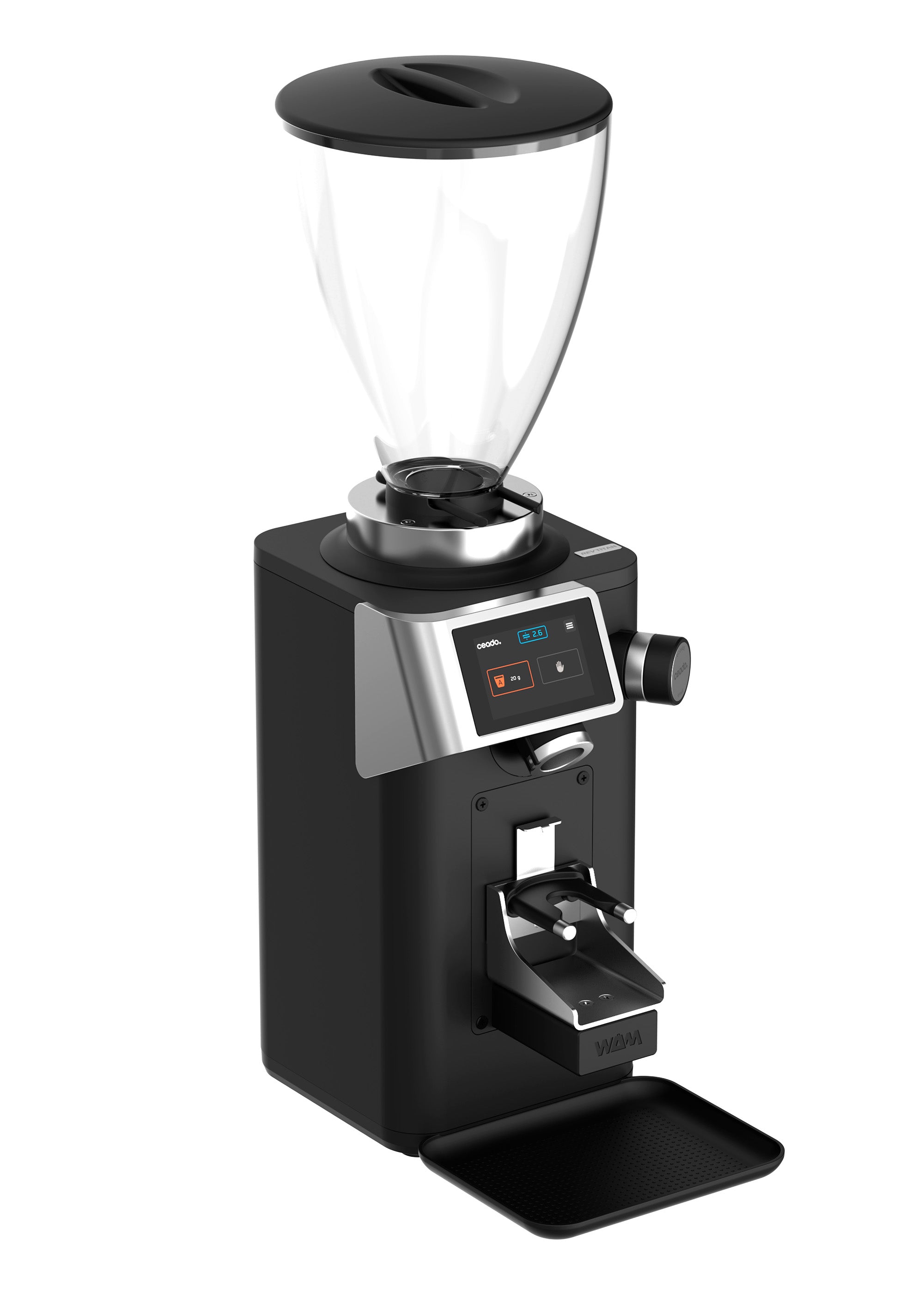
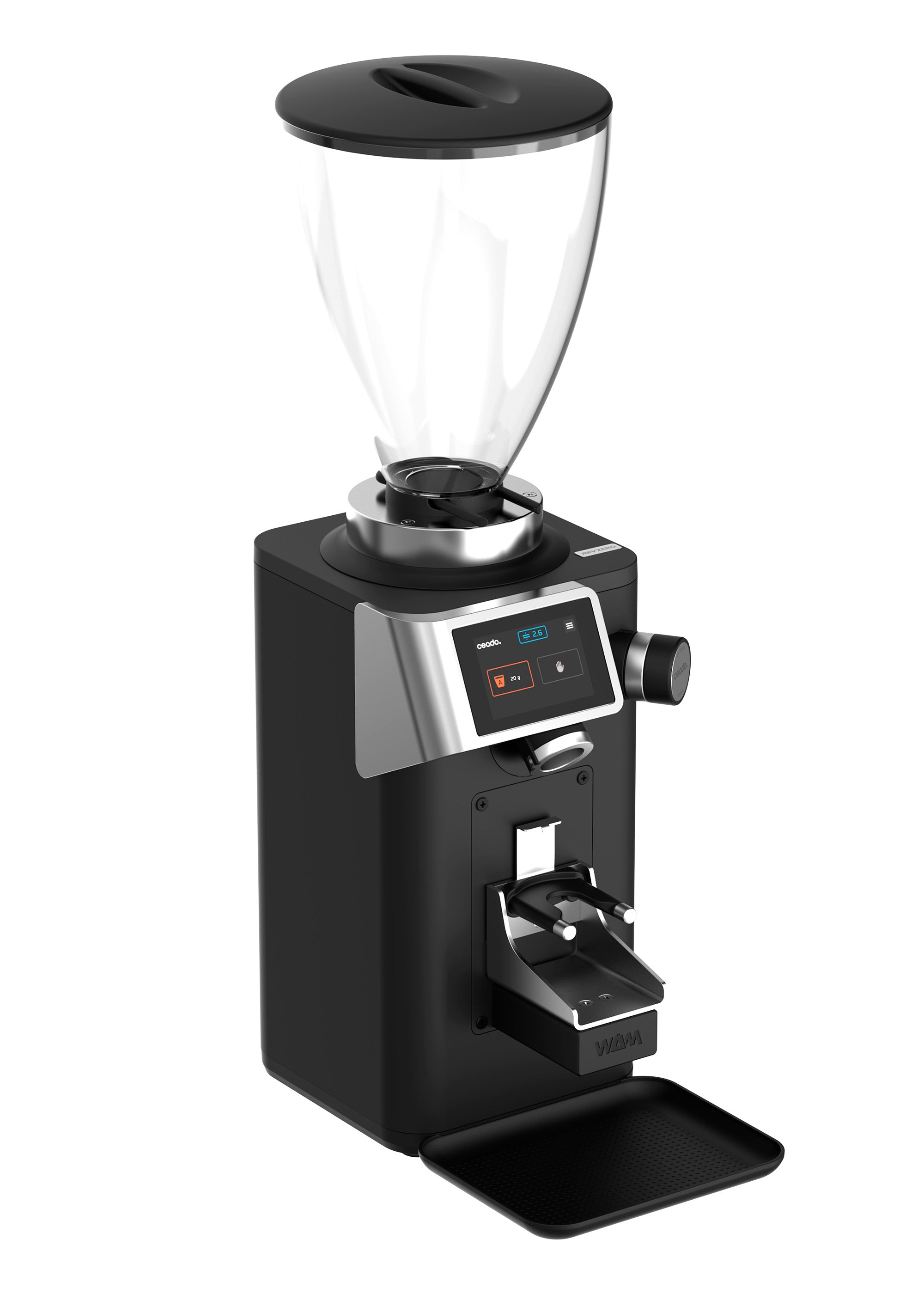
A good grinder is your single most important investment. Burr grinders produce uniform particle size (critical for even extraction), while blade grinders create inconsistent fragments that extract unevenly.
Two designs dominate:
Conical burrs: Cone-shaped burr inside a ring-shaped burr. Quieter, less heat generation, excellent for espresso and filter coffee. The Baratza Sette 270 and Fellow Ode exemplify this design.
Flat burrs: Two opposing discs with cutting edges. Produces consistent texture especially at finer grind sizes ideal for espresso. Wilfa Svart and Baratza Solis burr grinders use this design.
For brewing excellence:
- For espresso: Espresso demands fine, uniform grounds. Machines like Baratza Sette 270 offer micron-level adjustments (0.3mm increments) and digital portioning.
- For pour-over: Medium-coarse grind. The Fellow Ode (designed for filter coffee) grinds uniformly at coarser settings where many grinders falter.
- For cold brew: Coarse grind to minimize fines. Any quality burr grinder works; volume matters more than precision.
Temperature Control and Precision Kettles
PID-Controlled Kettles
Water temperature critically affects extraction: 195–205°F (90–96°C) is standard, but different origins shine at different temperatures. Kenyan coffees often prefer 200°F (93°C) to highlight bright acidity; dark-roasted coffees often prefer 205°F (96°C) for fuller body extraction.
PID (Proportional-Integral-Derivative) controllers maintain set temperature within ±1°C, preventing the temperature swings of basic thermostats. Premium kettles like Fellow Stagg EKG and Hario Buono hold temperature for extended pours (crucial for pour-over or cupping) without cycling on/off.
Key features for advanced brewing:
- Hold function maintains target temp for 30+ minutes
- Gooseneck spout enables precise water flow control (essential for pour-over)
- Variable temperature presets for different brewing methods
- Bluetooth app control allows remote heating from bed or other room
Brewing Vessels and Flow Control
Precision kettles pair with vessels designed for controlled water delivery:
Chemex: 3–13-cup glass hourglass-shaped brewer. Thick paper filters remove oils and sediment, producing exceptionally clean, flavorful coffee. Perfect for single-origin coffees where clarity matters.
Hario V60: Conical dripper with spiral ridges. Large single hole at bottom gives brewer control over flow rate through pouring technique. Ideal for experimenting with variable water temperatures and pour patterns.
Kalita Wave: Flat-bottomed dripper with three small holes. More forgiving than V60; produces even extraction and is less sensitive to pouring technique.
Aeropress: 3-minute immersion-then-press method. Produces full-bodied coffee similar to French press but with cleaner cup (thanks to fine paper filter) similar to pour-over. Highly portable and versatile.
Espresso: Pressure and Profiling
Espresso Machine Design
True espresso machines use 9+ bars of pressure to force 90°C water through finely ground coffee in 25–30 seconds, producing a concentrated 1–2 oz shot topped with crema.
Entry-level machines (Gaggia Classic, Roka Piccola): Simple heat exchanger, manual pressure control, ~$150–300. Reliable but limited consistency; requires skill to dial in.
Mid-range machines (Gaggia Classic Pro, Breville Barista Express): PID temperature control, built-in grinder, ~$300–600. Good temperature stability and repeatability.
Premium machines (Rancilio Silvia, Rocket Espresso): Dual boiler (simultaneous brewing and steaming), E61 group head (thermoblock circulation for stability), ~$800–1,500. Exceptional shot consistency and ease.
High-end machines (Decent DE1, Rocket R9100): Programmable pressure profiling, real-time flow/pressure monitoring, ~$2,000–3,000. Enables advanced extraction techniques impossible on standard machines.
Pressure Profiling and Flow Control
Advanced machines allow "profiling"—varying pressure throughout the 25–30 second shot. Techniques include:
Pre-infusion: Low pressure (2–3 bars) for 5–10 seconds allows grounds to fully saturate before full pressure extraction. Prevents channeling and improves evenness.
Pressure ramp: Gradually increasing pressure from 6 bars to 9 bars during extraction. Often produces sweeter, more balanced shots.
Flow control: Restricting water flow early in extraction forces longer contact with grounds, increasing flavor extraction. Later in the shot, opening flow prevents over-extraction.
These techniques, once the domain of specialty cafés, are now accessible at home through machines like Decent espresso and upgradeable machines like Gaggia Classic (with aftermarket modifications).
Advanced Brewing Methods
Siphon Brewing
Siphon (or vacuum) brewers use water displacement and vapor pressure to force water up, mix with coffee, then vacuum it back down through a filter into a lower chamber. Results: clean cup (paper/cloth filter), precise temperature control (water never boils), theatrical visual appeal.
Materials matter: borosilicate glass (robust), stainless steel (durable), and modern designs with sealed seals produce reliable results. Hario Technica and KitchenAid Siphon Brewer are excellent options.
Brewing is a 3–4 minute ritual—not for rushed mornings but perfect for weekend coffee ceremony or impressing guests.
Nitro Cold Brew
Cold brew steeped 12–24 hours is smooth, less acidic, shelf-stable. Nitro infusion—adding nitrogen gas under pressure—creates tiny bubbles that create a cascading visual effect (similar to draft beer) and creamy, velvety mouthfeel without dairy.
Systems like GrowlerWerks uKeg Nitro enable home preparation. The tap mechanism pressurizes nitrogen cartridges, infusing brew and serving it with rich microfoam. Popular for summer entertaining and smooth, low-acid coffee.
Automated Pour-Over
Machines like Breville Precision Brewer and Ratio Eight replicate manual pour-over with programmable control:
- Pre-infusion/bloom phases
- Adjustable water temperature
- Flow rate control
- Precise brew timing
Ideal if you love pour-over clarity but want consistency without skill-dependent manual pouring. Results rival hand-pouring when properly dialed in.
Smart Machines and Connected Brewing
WiFi-Enabled Coffee Makers
Machines like Smarter Coffee and high-end espresso machines with app integration enable:
- Remote brewing (start your machine from bed via phone)
- Saved recipes (your perfect espresso parameters stored and recalled)
- Integration with smart home systems (voice control via Alexa or Google Home)
- Maintenance alerts (when to descale or replace filters)
These features add convenience rather than improving coffee quality directly, but they make specialty brewing more accessible and reducing the friction of daily coffee-making.
Building Your Brewing Setup
Budget Tiers and Recommendations
| Budget | Grinder | Kettle | Brewer | Espresso? | Total |
|---|---|---|---|---|---|
| $500 | Baratza Encore ($150) | Fellow Stagg ($190) | Chemex ($50) | No | $390 |
| $1,000 | Fellow Ode ($300) | Fellow Stagg EKG ($210) | V60 + Aeropress ($80) | Entry machine: Gaggia Classic ($150) | $740 |
| $2,000 | Fellow Glider ($200) | Fellow Opus ($80) | Premium pour-over ($150) | Breville Barista Express ($600) | $1,030 |
| $5,000+ | Eureka Atom Specialty ($280) | Fellowware Opus ($80) | Chemex + V60 + Aeropress ($300) | Mid-range espresso: Rancilio Silvia ($800) | $1,460 |
Prioritization Framework
- First priority: Grinder. A quality grinder transforms any brewing method. Spend 25–30% of your budget here.
- Second: Brewer aligned with your preference (espresso? pour-over? immersion?).
- Third: Temperature control (if doing pour-over; less critical for immersion or espresso machines with built-in heating).
- Fourth: Accessories and refinements.
Maintenance and Longevity
Regular descaling prevents mineral buildup:
- Kettles: Monthly with citric acid or commercial descaling solution
- Espresso machines: Monthly depending on water hardness; machines with double boilers need careful descaling procedures
- Brewers: Weekly rinse with hot water; occasional deep clean with baking soda solution
Burr maintenance: Clean between sessions with dry brush; monthly cleaning with grinder cleaner pellets; annual professional servicing for heavy users.
FAQ
Do advanced tools really improve coffee?
Yes. A quality grinder alone improves extraction consistency dramatically. Combined with temperature control and a brewer suited to your style, you can consistently achieve results matching good cafés. However, excellent technique and good beans matter more than expensive equipment.
Is smart/connected coffee worth it?
For convenience lovers, yes. For purists focused on taste, no. A basic kettle and grinder outperform WiFi-enabled machines on quality. Choose based on whether convenience aligns with your daily routine.
What's the best single upgrade?
If you have one budget of $300–400, spend it on a precision burr grinder. This single upgrade improves every brewing method. If already have a grinder, upgrade your kettle or brewer next.
Conclusion
Advanced brewing tools aren't necessary for great coffee, but they make it far more accessible and repeatable. By understanding extraction variables (temperature, grind consistency, time, pressure) and selecting tools that give you control, you eliminate guesswork and transform daily brewing from hit-or-miss to consistently excellent.
Start with foundational tools (grinder + kettle + brewer), master technique, then add specialized equipment as interests evolve. The goal isn't equipment for its own sake—it's maximizing the potential in every bean you brew.