How to Read This Guide
Each category below covers four dimensions: what it produces, who it suits, what it costs to own long-term, and what it demands from the user. The "best coffee maker" question only makes sense inside those constraints.
One framing principle worth internalizing before spending any money: equipment quality has diminishing returns past a certain price threshold. A $150 drip machine from a brand that participates in the SCAA Certified Brewers program will produce objectively better results than a $300 machine that fails to manage water temperature correctly. Buy the right category first, then the right model within that category.
Drip Coffee Makers
What They Produce
A well-configured drip machine produces filter coffee equivalent to a pour-over, with extraction yield of 18–22% when the machine maintains the SCA-recommended 93°C water temperature and distributes water evenly across the coffee bed via a shower-head dispersion system.
Who They Suit
Households with multiple coffee drinkers, people with busy morning routines, anyone who wants to wake up to a programmed brew. The programmable timer is a genuine quality-of-life feature that no manual method replicates.
Long-Term Cost
Low. After the initial purchase ($50–$300 depending on features), recurring costs are coffee and paper filters — approximately $0.02–0.05 per brew. SCAA-certified machines (Technivorm Moccamaster, Breville Precision Brewer, OXO Brew) run $150–$300 and consistently outperform cheaper machines on extraction temperature and water distribution.
What It Demands
Descaling every 1–3 months depending on water hardness. Weekly cleaning of the carafe, basket, and reservoir. Using medium-grind, freshly ground coffee. Beyond those habits, drip makers require no technique.
Single-Serve Pod Machines (Nespresso, Keurig)
What They Produce
Keurig machines produce filter-strength coffee from pre-ground pods with no user variables — consistent, convenient, and mediocre by specialty standards. Nespresso Vertuo machines produce espresso-style coffee using centrifugal extraction and barcode-recognized pod sizing, with markedly better cup quality than standard K-cup output.
Who They Suit
Offices with diverse preferences; households where different members want wildly different drinks without setup investment; people who primarily want caffeine rather than cup character; anyone who resents cleaning rituals around coffee.
Long-Term Cost
High per-cup. A Nespresso pod costs $0.75–$1.25 per serving; Keurig K-cups run $0.50–$1.00. Over a year of daily use, pod costs of $180–$450 dwarf the equivalent whole-bean specialty coffee ($60–$90 per year for daily cups at $15/lb). The environmental footprint of single-use pods is significant — Nespresso's aluminum pods are recyclable through dedicated drop-off programs, but program participation is user-dependent and logistically imperfect.
What It Demands
Almost nothing. Insert pod, press button, remove pod, rinse drip tray weekly. Descale every 3–6 months per machine instructions.
French Press
What It Produces
Full-immersion, metal-filtered coffee with high body, significant oil content, and a rich, textured mouthfeel. The immersion principle means the cup is more forgiving of grind inconsistency than pour-over. The trade-off is sediment and variable temperature retention once brewed. A French press produces the heaviest, most oil-rich cup of any common home brewing method — which is a feature or a bug depending entirely on your preference.
Who It Suits
Coffee drinkers who prefer bold, heavy cups; those who enjoy natural and honey-processed origins where body and fruit sweetness are the primary appeal; anyone looking for an entry into manual brewing without a steep learning curve; campers and travelers who want off-grid capability.
Long-Term Cost
Very low. A quality French press costs $25–$80 and requires no consumables beyond coffee. The only ongoing cost is coarse-grind coffee and, eventually, a replacement mesh screen if the plunger degrades.
What It Demands
Attention to grind coarseness (if fine grounds pass the mesh, go coarser); brew time discipline (4 minutes, then decant immediately); cleaning the mesh filter thoroughly after each use to prevent rancid oil buildup.
| French Press Size | Capacity | Recommended For |
|---|---|---|
| 3-cup (350ml) | 1–2 servings | Single drinkers |
| 8-cup (1L) | 3–4 servings | Couples, small households |
| 12-cup (1.5L) | 5–6 servings | Households or groups |
Pour-Over Makers (V60, Chemex, Kalita Wave)
What They Produce
Clean, transparent, paper-filtered coffee that expresses origin character — acidity, floral notes, fruit — with maximum clarity. The paper filter removes oils and fines that French press retains. This means less body but more nuance — a trade-off that specialty coffee enthusiasts explicitly prefer.
Who They Suit
Specialty coffee enthusiasts who want to taste the difference between a Yirgacheffe and a Huila; brewers willing to invest 5–7 minutes of active attention per brew; anyone whose coffee aesthetic prioritizes complexity over power and body.
Long-Term Cost
Extremely low for the device ($10–$60 for the dripper itself). Recurring costs: paper filters ($0.03–0.10 per brew for Chemex; less for V60 and Kalita). The primary ongoing investment is a quality burr grinder ($80–$400 depending on precision level).
What It Demands
Active attention throughout the brew: knowing the bloom phase, understanding pour patterns, maintaining consistent water temperature. A gooseneck kettle is highly recommended for flow control. Skill development takes 1–2 weeks to feel competent, 3–6 months to feel precise.
Espresso Machines
What They Produce
Concentrated shots at 8–12% TDS, with crema, at 9 bars of pressure. The base for cappuccinos, lattes, flat whites, macchiatos, and Americanos. The highest ceiling of any home brewing category — dialed-in espresso from quality beans can match or exceed professional cafe output when the technique is solid and the grinder is appropriate.
Who They Suit
People who primarily drink milk-based espresso drinks; those committed to mastering extraction craft; home baristas who enjoy the ritual and the process as much as the product. People who want set-and-forget coffee should look at drip or pod machines instead.
Long-Term Cost
High upfront; moderate ongoing. Entry-level semi-automatic (Breville Barista Express, De'Longhi Dedica) runs $300–$700. Mid-range (Rancilio Silvia, Breville Dual Boiler) runs $700–$2,000. Add a quality standalone grinder ($200–$600) unless you buy a machine with a built-in grinder. Descaling tablets, puck screens, and gasket replacements add $50–$100 per year.
What It Demands
Daily: knock puck, rinse portafilter, purge and wipe steam wand. Weekly: backflush with detergent. Monthly: descale. The maintenance is not onerous for someone committed to the craft, but it is entirely non-negotiable.
Cold Brew Makers
What They Produce
Low-acid, smooth coffee concentrate from extended cold-water immersion of 12–24 hours. The resulting concentrate is typically 3–6% TDS before dilution, then cut 1:1 with water or milk before serving. Cold brew makers are essentially airtight containers with integrated filtration systems designed for prolonged steeping without any heating element.
Who They Suit
Those who prefer smooth, low-acid coffee; warm-weather daily drinkers; households that want to prepare coffee batches in advance; anyone who finds hot-brewed coffee irritating to their stomach. The 12–14 day refrigerator shelf life of concentrate makes cold brew the most efficient option for regular cold coffee consumption.
Long-Term Cost
Very low. A dedicated cold brew maker (OXO Good Grips, Toddy, Filtron) costs $25–$60. The ongoing cost is coarse-ground coffee and occasional filter replacement.
What It Demands
Time planning — a 12–24 hour brew cycle requires foresight. Minimal active effort: combine grounds and water, steep, filter. No temperature management. The primary discipline is remembering to start the next batch before the previous one runs out.
The Grinder Question
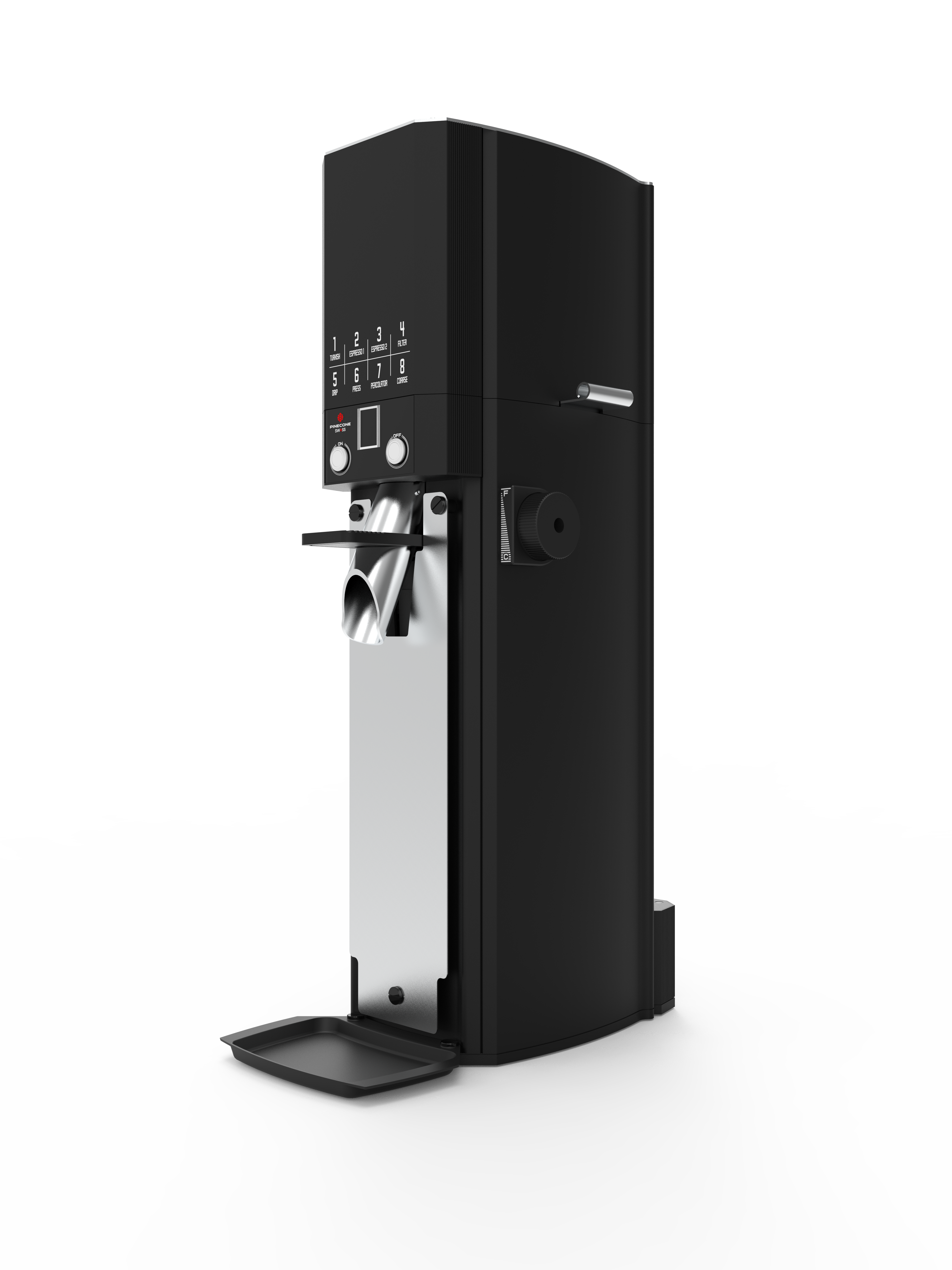
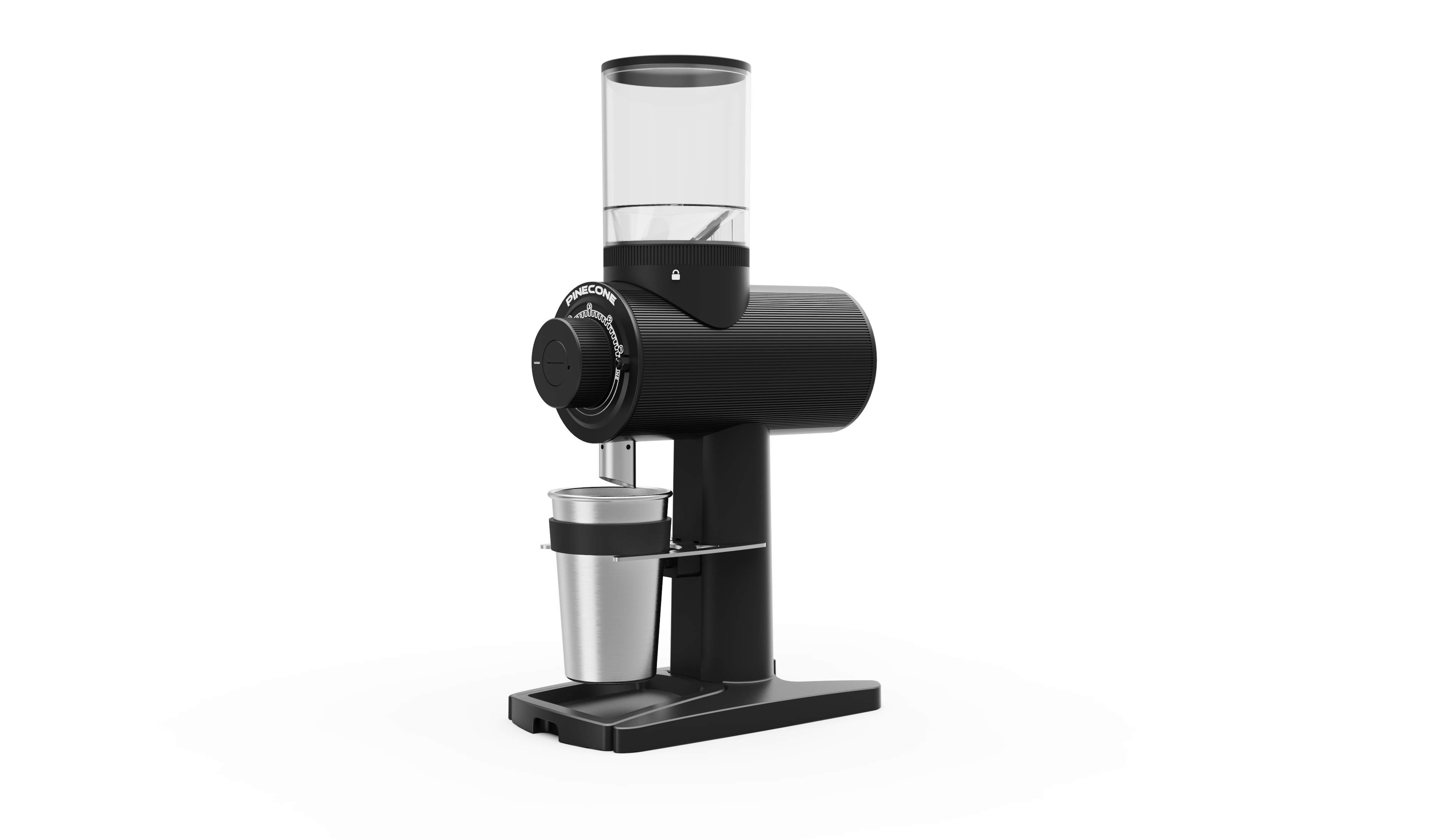
Every category benefits significantly from fresh-ground coffee, but the degree varies. French press and cold brew are most forgiving of grind inconsistency. Pour-over and espresso are most demanding. For any category beyond pod machines, a burr grinder is the single most impactful purchase in the home coffee setup. Flat burr grinders (Baratza Vario, Ode) produce the most even particle distribution and suit pour-over and filter methods. Conical burr grinders (Baratza Encore, Comandante) suit a range from French press through espresso and produce slightly more fines, which some espresso drinkers prefer for body. Budget $80–$200 for a grinder before adding that same amount to a brewing device — the grinder compounds across every method you use.
Choosing the Right Category: Quick Reference
| Category | Best For | Time Per Cup | Budget Range | Skill Level |
|---|---|---|---|---|
| Drip Machine | Volume, convenience | Minimal, programmable | $50–$300 | None |
| Single-Serve Pod | Ultimate convenience | 1 minute | $80–$300 plus pods | None |
| French Press | Bold flavor, simplicity | 5 min active | $25–$80 | Low |
| Pour-Over | Origin clarity, specialty | 7 min active | $10–$60 device | Medium |
| Espresso Machine | Milk drinks, craft | Daily maintenance | $300–$3,500 | High |
| Cold Brew Maker | Smooth, batch prep | 12–24 hr passive | $25–$60 | Low |
Frequently Asked Questions
What is the best coffee maker for a beginner?
A SCAA-certified drip machine (Technivorm Moccamaster or Breville Precision Brewer) is the best starting point for most beginners. It produces quality coffee with minimal technique. A French press is the natural next step for those who want to develop manual brewing skill.
Is an expensive espresso machine worth it?
Only if you will make espresso daily and are willing to invest in technique. A $300 semi-automatic operated correctly consistently outperforms a $2,000 super-automatic that is never properly maintained or dialed in. Match the machine to your actual commitment level.
How long do coffee makers last?
Drip machines last 5–10 years with regular descaling. French presses last indefinitely (glass breaks; replace cheaply). Espresso machines last 5–15 years depending on build quality and maintenance. Super-automatics tend toward the shorter end due to mechanical complexity.
Do I need a dedicated grinder?
Yes, if you care about cup quality. Pre-ground coffee begins staling within 15–30 minutes of grinding. A burr grinder has more impact on cup quality than upgrading your brewing device, and it improves every brewing method you will ever use.
Conclusion
The right coffee maker is the one whose category fits your actual daily behavior — not your aspirational brewing self. Drip machines suit volume-first households. French presses suit texture-first drinkers. Pour-over drippers suit origin-curious enthusiasts. Espresso machines suit committed craft practitioners. Pod machines suit convenience-first users who accept the per-cup cost trade-off. Cold brew makers suit smoothness-preferring, batch-minded households. Before spending money on any specific model, confirm you are buying from the right category. Browse our roasted coffee selection to pair your new setup with coffee that matches your chosen brewing method.