The Budget Brewing Method Tiers
Different brewing methods cost different amounts. Here's the hierarchy:
Tier 1: Under $40 (Most Affordable)
French Press: $20–40 for a durable model. Bodum Chambord (32 oz) runs $30–35. You need only hot water and a spoon.
Pour-Over Dripper: Hario V60 plastic dripper: $4–8. Chemex 3-cup: $30–40. Both are minimal, durable, and produce excellent coffee.
Moka Pot: Stovetop espresso maker, $20–50. Produces strong, concentrated coffee without electricity.
Tier 2: $40–100
Basic Drip Machine: Mr. Coffee or Hamilton Beach 12-cup models, $50–80. Reliable, no-fuss, makes large batches.
Cold Brew Maker: Toddy or OXO model, $20–35. Brews concentrate overnight; very low cost per cup.
Tier 3: $100+
Espresso machines start here, but you can build a complete budget bar without entering this tier.
The Complete Budget Setup: $180–200
Here's a realistic all-in breakdown:
| Item | Cost | Notes |
|---|---|---|
| Pour-over dripper (Hario V60) | $8 | Plastic is fine; cheaper than ceramic |
| Gooseneck kettle | $25 | Critical for pour-over control; basic works |
| Manual burr grinder | $40 | Essential; a blade grinder ruins coffee |
| Storage jars (2–3 glass/ceramic) | $15 | Thrift store ceramics or new mason jars |
| Spoon, timer, thermometer | $10 | Many are in your kitchen; fill gaps |
| Fresh beans (3 bags @ $5 each) | $15 | Start exploring single-origins |
| Mugs or cups (thrift) | $8 | Thrift store finds |
| Scale (optional, highly recommended) | $20 | Transforms consistency; accurate dosing |
| Total | $141 | Add filters ($3–5) and you're at $150 |
Alternatively, if you prefer drip coffee:
| Item | Cost | Notes |
|---|---|---|
| 12-cup drip machine | $60 | Mr. Coffee or Hamilton Beach |
| Burr grinder | $40 | Non-negotiable for quality |
| Storage (jars) | $15 | |
| Beans, filters, cups | $25 | |
| Total | $140 | Simple, reliable, no learning curve |
The Non-Negotiables
Where you absolutely must spend:
1. Burr Grinder ($30–70)
Do not use pre-ground coffee. Ground coffee oxidizes within minutes; whole beans stay fresh for weeks.
Options:
- Manual burr grinder ($30–50): Hario Skerton, Baratza Encore hand crank. Takes 2–3 minutes to grind for one cup. No electricity. Perfect for pour-over or French press daily routines.
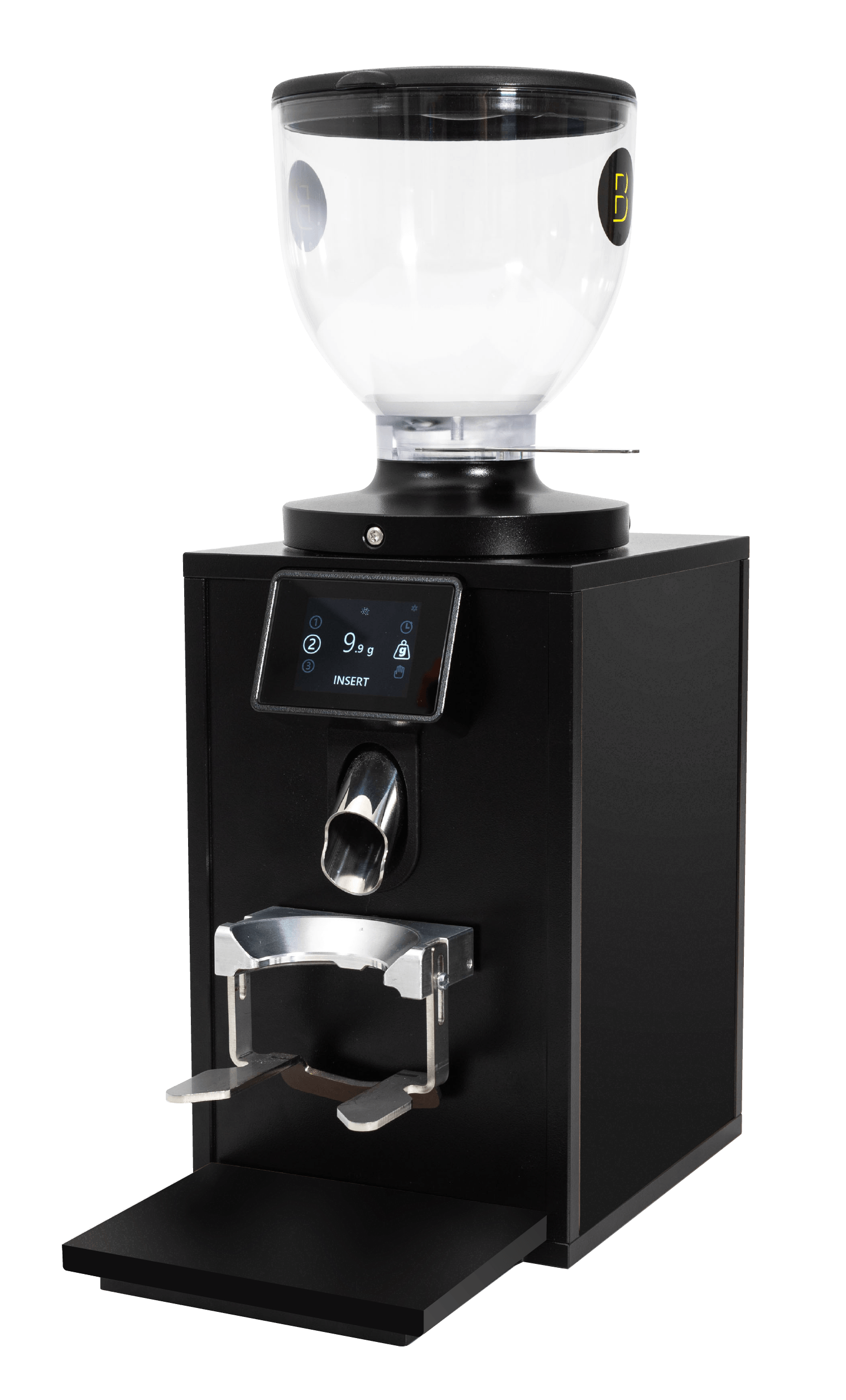
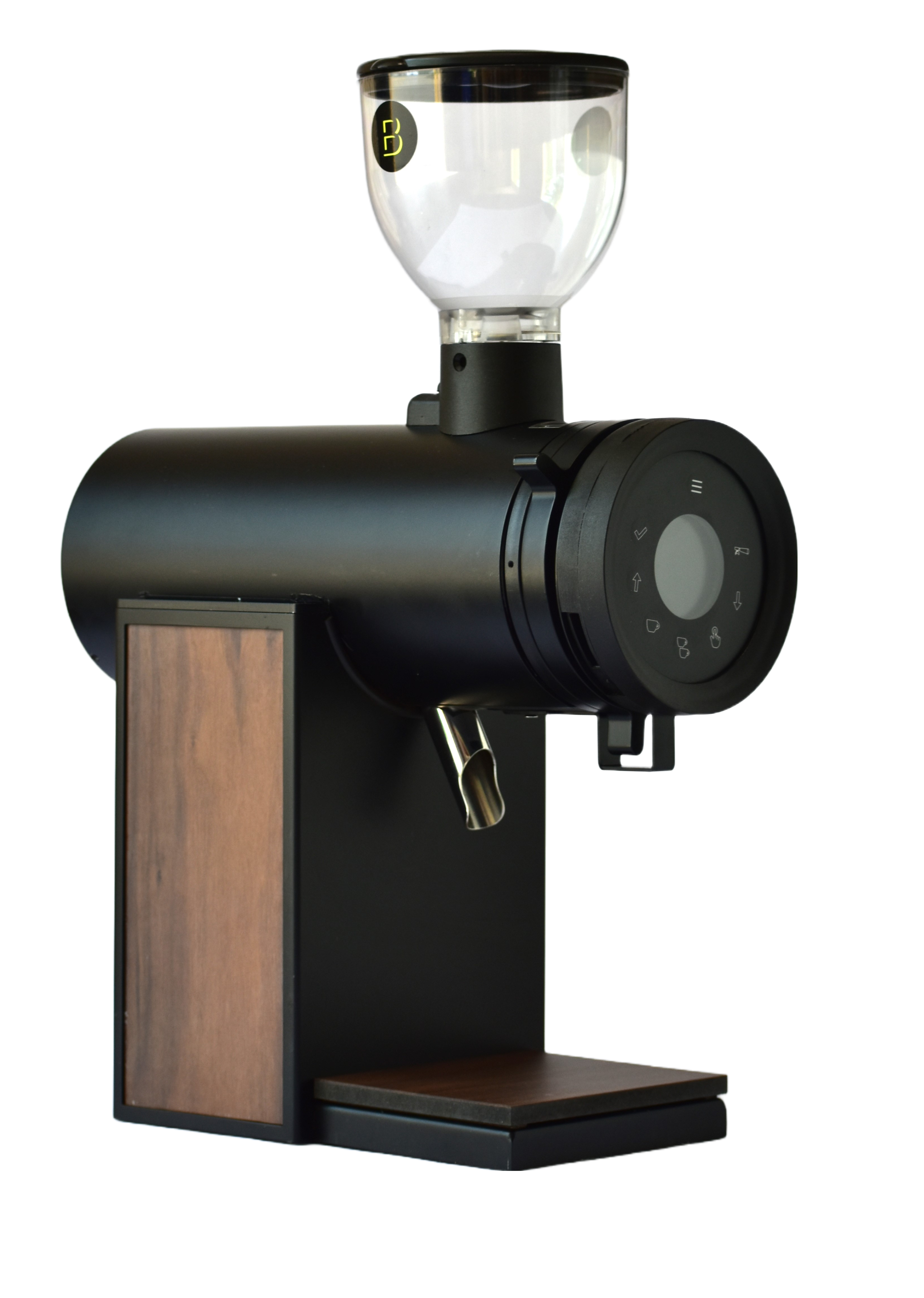
- Budget electric burr grinder ($50–70): Baratza Encore ($30–40 on sale), Capresso Infinity. Fast (1–2 minutes), many grind settings, no hand labor.
Avoid: Blade grinders. They produce inconsistent particle sizes and heat the coffee (oxidizing delicate aromatics).
2. Brewing Method ($20–80 depending on preference)
At this price, your options are drip, French press, pour-over, or Moka pot. All produce excellent coffee with proper technique.
3. Storage ($10–25)
Keep beans in airtight containers away from light and heat. Glass jars with tight lids work perfectly. Thrift stores often have ceramic canisters for $2–5.
Budget-Friendly Brewing Methods
French Press: $30–50 | Easiest for Beginners
Bodum Chambord or other brands: durable, simple, produces rich coffee. Grind coarse, add water, steep 4 minutes, press.
Pros: No filters, reusable metal mesh, forgiving (harder to over-extract than other methods).
Cons: Sediment in the cup; cleanup takes a minute (mesh can trap oils).
Best for: Morning ritual people who enjoy body and richness.
Pour-Over: $8–40 | Best for Flavor
Hario V60 plastic dripper ($8) + basic filters ($3 per 100 pack). Chemex 3-cup ($35) is prettier but both brew identically well.
Pros: Clean, bright cup. No waste (just compostable grounds). Lightweight, portable.
Cons: Requires pouring skill; needs separate kettle for control. Filter cost adds up ($15–20/year).
Best for: People who enjoy ritual and want to learn extraction basics.
Moka Pot: $25–50 | Stovetop Espresso
Also called a stovetop espresso maker. Produces concentrated, strong coffee. 6-cup (standard) moka pot costs $20–40.
Pros: No electricity, very cheap, durable (lasts decades), produces strong coffee for lattes or Americanos.
Cons: Small batches (usually 3–6 cups per pot). Requires stove access. Consistency is harder than with auto-machines.
Best for: People who want strong coffee without electricity or espresso machine costs.
Cold Brew: $10–35 | Prep-Ahead Champion
A simple jar (you likely have one) or a Toddy Cold Brew maker ($15–25). Steep coarse grounds 12–24 hours in the fridge.
Pros: Smooth, less acidic, concentrate keeps 1–2 weeks, hands-off brewing.
Cons: Requires planning (you can't brew and drink immediately). Filter cleanup.
Best for: People who drink iced coffee or want to batch-brew for the week.
Essential Accessories (Already in Your Kitchen?)
Check your drawers first—many items you already own:
- Kettle: You have one. A gooseneck ($20–30) is better for pour-over, but any kettle works for French press or Moka pot.
- Spoon: For stirring, breaking the crust in French press, or skimming espresso foam. Use what you have.
- Timer: Phone timer. Free.
- Thermometer: Optional but helps. $5–10 for a cheap candy thermometer.
- Scale: Nice-to-have, not essential. A $20 kitchen scale (Amazon Basics) transforms consistency and replicates recipes.
- Cups: Thrift stores have beautiful mugs for $1–3 each.
- Filters: Paper pour-over filters: $3–5 per 100-pack. Cloth filters: $5–10, washable, last years. Metal mesh (built into Moka or French press): free.
Storage: Keeping Beans Fresh
Fresh beans are critical. Opened bags lose flavor within 2 weeks.
Best Storage Solutions (Budget-Friendly)
- Airtight glass jars ($2–5 each at thrift stores or $4–8 new): Perfect. Label with bean name and roast date using a marker or chalkboard label.
- Mason jars with tight lids: $3–6 for a set. Works excellently.
- Ceramic canisters (thrift stores): $1–5, often have rubber gaskets for airtight seals.
- Repurposed food containers: Empty pasta sauce jars, pickle jars—if they seal tight, they work.
Storage Rules
- Airtight: Oxygen degrades coffee oils and acids. Use containers you can seal completely.
- Dry: Humidity causes mold and off-flavors. A cool, dry cupboard is ideal.
- Dark: Light fades flavor. Opaque ceramic or closed cupboard beats clear glass on counters.
- Cool: Room temperature is fine; avoid near stoves or windows.
Finding Affordable, Quality Beans
You don't need expensive beans, but avoid bulk supermarket coffee (often stale).
Budget-Conscious Sourcing
- Local roasters: Many offer "house blends" at $4–6/12oz. Ask about bulk discounts (5+ bags).
- Online subscriptions: Dripkit, Fresh Roasted Coffee, and others offer $4–5 per bag if you subscribe. Get variety without committing.
- Costco or warehouse stores: Their store-brand coffee is decent ($8–10/lb). Not specialty, but fresh and affordable.
- Bulk coffee shops: Some cities have bulk coffee shops where you buy by weight and bring your own container. Often cheaper than bagged.
- Discount roasters: Some roasters sell "seconds" (beans with minor cosmetic flaws, same flavor) at discount.
Quality Indicators (Budget Roasters)
Look for:
- Roast date (not "roasted on" but ideally within 2 weeks of purchase).
- Origin and region ("Colombian Huila" is better than "Colombian blend"; single-origin is usually fresher).
- Whole beans (not pre-ground).
- Smaller bag sizes ($4–6 for 8–12oz); fresh coffee at lower cost.
Assembling Your Space: The Budget Setup
You don't need a dedicated coffee bar. A corner of your kitchen works.
Space: What You Actually Need
- Counter or shelf space: 18 x 12 inches minimum for grinder, kettle, dripper, and a cup.
- Nearby storage: A cupboard or shelf for beans, filters, and cups.
- Water access: Kitchen sink (obvious but necessary).
- Electrical outlet: For kettle or grinder (if electric). If using manual methods, any counter works.
Budget-Friendly Organization
- Use vertical space: Floating shelf ($15–30) or wall-mounted hooks ($3–5) above a small table.
- Thrift store furniture: A small side table ($10–30) or repurposed bookshelf creates dedicated space without renovations.
- Drawer organizers: Repurposed ceramic bowls or jars hold filters, spoons, thermometer ($0—use what you have).
- Open shelving: Display jars of beans and mugs. It looks intentional and keeps everything accessible.
Daily Brewing on a Budget: Tips to Stretch Cost
Batch Brewing
Brew larger batches and store in a thermal carafe or thermos ($15–30). One 30-minute brewing session yields 4 cups instead of four 4-cup sessions. Saves energy and time.
Water Quality
Bad water ruins good coffee. If your tap water is chlorinated or hard, use a basic water filter pitcher ($15–25) or filter jug. Filtered water improves flavor noticeably.
Dosing Precisely
Use a simple ratio: 1:16 (coffee to water) or 1:15. Don't guess. A cheap scale ($20) ensures you use exactly enough—not too much (waste) or too little (weak coffee). This saves money.
Compost Grounds
Used grounds have a second life: fertilizer for plants, odor eliminator for fridges, or even DIY exfoliate. Zero waste = money saved.
Buy Whole Beans, Grind Fresh
Whole bean lasts 3–4 weeks; ground lasts 3–4 days. One bag of whole beans = essentially free if you stretch it. Blade grinding doesn't extend coffee life anyway (inconsistent particles lead to poor extraction).
Frequently Asked Questions
Can I make great coffee under $200?
Absolutely. A $40 pour-over or French press, $40 grinder, and $5 beans produce coffee that rivals $300+ espresso machines. Technique and freshness matter more than cost.
Is a manual grinder worth it?
Yes, if you have 3 minutes before brewing. Hario Skerton ($35) hand grinder produces grind consistency equal to electric grinders costing $100+. The tradeoff: time. If you're rushed mornings, get electric. For weekends, manual is meditative and cheap.
What's the cheapest way to drink good coffee daily?
French press ($30) + manual grinder ($40) + $5 beans = $75 setup costs. Per cup: beans cost $0.30, no other consumables (reusable mesh). A $4 café latte is 13 cups of your coffee. Breakeven is 20 café visits.
Should I buy a cheap espresso machine to save money?
No. Budget espresso machines (under $150) are frustrating and often make bad shots. If you want espresso, either: (1) skip it and drink pour-over, (2) save for a decent pump machine ($400+), or (3) use a Moka pot ($30). Cheap espresso will disappoint you.
What grinder should a beginner buy?
If budget is tight: Hario Skerton hand grinder ($35–40). If you have $60: Baratza Encore electric (on sale, $25–40). Either beats any blade grinder. A burr grinder is the single best investment for home coffee.
Conclusion
A specialty coffee bar at home doesn't require luxurious equipment or high budgets. A French press or pour-over dripper, a hand grinder, fresh beans, and clean water produce coffee indistinguishable from specialty cafés. The difference: you control every variable and save money.
Start minimal: a $20 dripper, $40 grinder, and $5 beans. Brew for a month. Learn what you like—bright acidity or full body, quick preparation or ritual. Once you understand your preferences, add equipment intentionally, not out of gadget lust.
The espresso machine, the fancy scale, the third grinder—those are for later, if ever. Most home coffee drinkers are happiest with a single, simple brewing method mastered over weeks. A $200 budget is more than enough to reach that point.