What Makes a Coffee Maker "Manual" or "Automatic"
The distinction is simpler than marketing language suggests. A manual coffee maker requires you to supply energy, attention, and technique at every step — heating water separately, controlling pour rate, timing the steep, applying pressure. An automatic coffee maker handles at least some of those steps through electromechanical automation: heating water internally, controlling temperature, timing extraction.
In practice, this creates a spectrum. A basic French press is entirely manual. A drip machine automates water heating and dispensing. A bean-to-cup super-automatic automates grinding, tamping, extraction, and milk frothing with a single button press. The spectrum matters because the right answer for most people lies somewhere in the middle, not at either extreme.
Manual Coffee Makers: The Full Picture
French Press
The French press is an immersion brewer: coffee grounds steep directly in hot water for 3–4 minutes before a metal plunger separates them from the liquid. This gives it an unusually full-bodied cup because the metal mesh allows oils and fine particles to pass through into the cup — something paper filters prevent.
The French press rewards attention to grind coarseness (too fine and grounds slip through the mesh; too coarse and the cup is thin) and to timing. Left too long before plunging and decanting, the grounds continue extracting and the cup turns bitter. At its best, a properly brewed French press delivers a rich, round, oil-forward cup that drip machines cannot replicate.
Pour-Over (Hario V60, Kalita Wave, Chemex)
Pour-over is a manual drip method. You pour hot water over a bed of grounds in a filter-fitted dripper, controlling flow rate and coverage pattern by hand. This gives you direct influence over extraction evenness in a way no automatic drip machine matches.
The Chemex uses its own thick, bonded paper filters that produce one of the cleanest, most sediment-free cups in coffee — intense clarity, low body, pronounced aromatics. The Hario V60 and Kalita Wave use thinner filters and produce a slightly fuller result. All three reward practice: consistent pour rate and even saturation are skills that take time to develop.
AeroPress
The AeroPress, invented by Alan Adler in 2005, is a pressure-brewer that uses air pressure — applied by hand — to push water through grounds. Typical brew time is 60–90 seconds, producing a concentrated, clean, low-acid cup. It is forgiving of grind inconsistency, quick to clean, and adaptable to a wide range of recipes. The World AeroPress Championship has produced hundreds of distinct recipes over the years, demonstrating the format's unusual flexibility.
Moka Pot
The stovetop moka pot generates pressure from steam and produces a dense, espresso-adjacent coffee — though the 1–2 bars of pressure it achieves are far below the 9 bars of a true espresso machine. Moka coffee is concentrated and intensely flavored, with a degree of bitterness that reflects its high-extraction character. It requires attention to prevent scorching.
Automatic Coffee Makers: The Full Picture
Drip Machines
A standard drip coffee maker heats water to brewing temperature and dispenses it through a showerhead over a filter basket containing grounds. It is the most familiar coffee appliance in the world, and the quality range is enormous — from basic machines that barely reach 90°C to certified SCAA-standard brewers like the Technivorm Moccamaster and Breville Precision Brewer that maintain precise temperature and bloom timing.
A well-designed drip machine can produce excellent coffee consistently. The limitation is that it gives you almost no control over individual brewing variables — you cannot adjust pour rate, bloom time, or temperature on most models. You buy the engineering decisions the manufacturer made.
Single-Serve Pod Machines (Nespresso, Keurig)
Pod machines trade coffee quality for maximum convenience. Nespresso Original line machines use aluminium capsules at 19 bars of pump pressure to produce a short, espresso-style extraction with a defined crema. The quality ceiling is limited by the fact that the coffee is pre-ground months before use and sealed under nitrogen — fresher than stale grocery-store ground coffee, but no match for freshly ground beans brewed immediately.
Keurig K-Cup machines brew a longer, filter-coffee-style cup using disposable plastic pods. Quality is average at best. The environmental cost of single-use pods — roughly 60 billion K-Cups sold globally per year, the majority not recycled — is a significant downside that consumers increasingly weigh in purchasing decisions.
Automatic Espresso Machines
Semi-automatic espresso machines (Breville, Rancilio, ECM) heat water to a precise temperature, generate 9 bars of pressure, and give you control over the shot — you still dose, tamp, and time extraction manually. These machines are the "best of both" option for espresso: professional-level results with meaningful control, but requiring skill to operate well.
Fully automatic espresso machines handle dosing, tamping, and extraction automatically. Bean-to-cup machines add integrated grinding. For people who want cafe-quality espresso drinks without barista training, this is a serious option — at a serious price.
Side-by-Side Comparison
| Feature | Manual (French Press / Pour-Over) | Automatic Drip | Pod Machine | Auto Espresso |
|---|---|---|---|---|
| Flavor control | Maximum | Low | Minimal | Medium–high |
| Consistency brew-to-brew | Depends on skill | High | High | High |
| Brew speed | 3–5 min (+ water heating) | 5–8 min | Under 1 min | 25–30 sec per shot |
| Capacity per brew | 1–4 cups | 4–12 cups | 1 cup | 1–2 shots |
| Initial cost | $20–200 | $30–350 | $60–250 | $300–3,000+ |
| Ongoing cost | Minimal | Filters only | High (pods) | Maintenance |
| Environmental impact | Low | Low | High (pods) | Low–medium |
| Portability | Excellent | Poor | Poor | Poor |
| Skill required | Medium–high | Low | None | Low–high |
| Best for | Enthusiasts, travelers | Households, offices | Speed, convenience | Espresso lovers |
Cost Analysis: True Cost of Ownership
The sticker price is only part of the equation. Ongoing costs, lifespan, and repair potential define the true cost of ownership over 3–5 years.
Manual brewers have essentially zero ongoing costs beyond coffee and replacement filters (pour-over) or replacement plungers (French press). A quality V60 setup costs $40–80 in hardware and lasts indefinitely with basic care. An AeroPress costs $35–45 and has a proven track record of multi-year durability.
Drip machines have low ongoing costs (paper filters, occasional descaling). The difference is in initial quality: a $40 drip machine and a $300 Moccamaster both produce similar-looking cups, but the $300 machine actually hits the correct brewing temperature and uses a pulsed spray that achieves even saturation — details that translate directly to cup quality.
Pod machines appear inexpensive upfront but are expensive to operate. A Nespresso pod costs $0.70–1.20 per cup. At two cups per day over five years, that is $2,555–4,380 in pod costs alone — far more than any manual setup.
Automatic espresso machines have the highest ceiling in both cost and quality. A serious semi-automatic setup (machine + grinder) typically starts at $600–800 and can reach $5,000+ at the prosumer level. These machines require periodic maintenance (gasket replacement, descaling, boiler servicing) and a grinder that meets the machine's precision demands.
When Manual Wins
Manual brewing wins when coffee itself is the point. If you are selecting single-origin beans, varying origins by season, or brewing for focused sensory evaluation, manual methods give you the extraction control necessary to explore what each coffee actually tastes like without machine variables obscuring the picture.
Manual wins for travelers and outdoor brewing. An AeroPress, a hand grinder, and a compact kettle fit in a day bag and produce better coffee than 99% of hotel rooms or campsite alternatives.
Manual also wins on longevity. A French press has no mechanical parts to fail. A V60 is essentially indestructible. These are tools, not appliances.
When Automatic Wins
Automatic brewing wins when reliability and throughput matter more than exploration. A household brewing for four people at 7 AM needs a drip machine or automatic espresso setup — not a pour-over ritual that requires undivided attention.
Automatic wins for consistency. Once a drip machine is calibrated with the right ratio and grind, it produces the same cup every day. This predictability is a genuine virtue in a morning routine that has no room for variation.
Bean-to-cup automatic machines win for people who want espresso drinks but have no intention of developing barista skills. Milk-to-espresso ratios, temperature, and extraction are handled without manual intervention.
The Grinder Variable: Neither Type Compensates for Bad Grinding
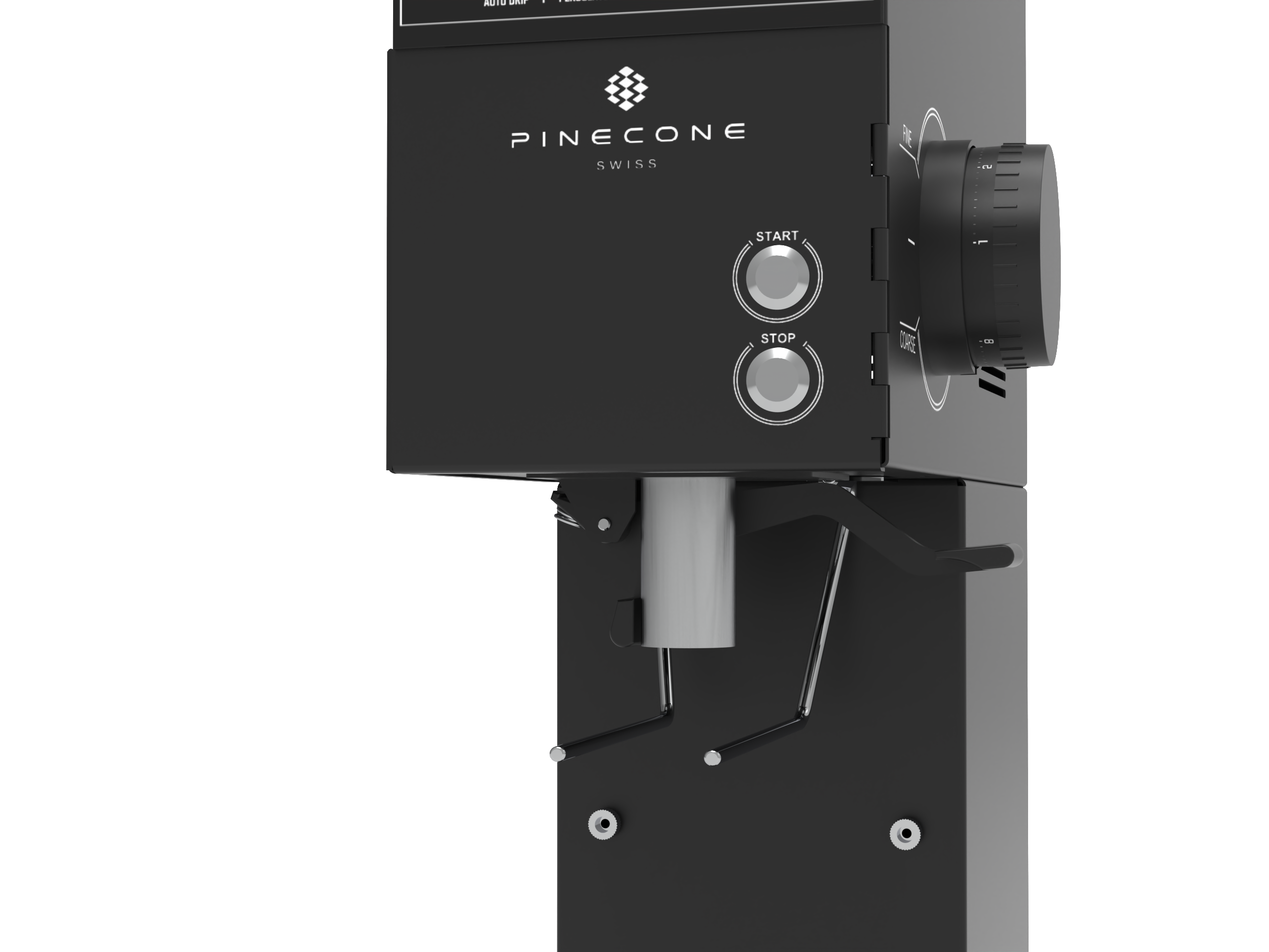
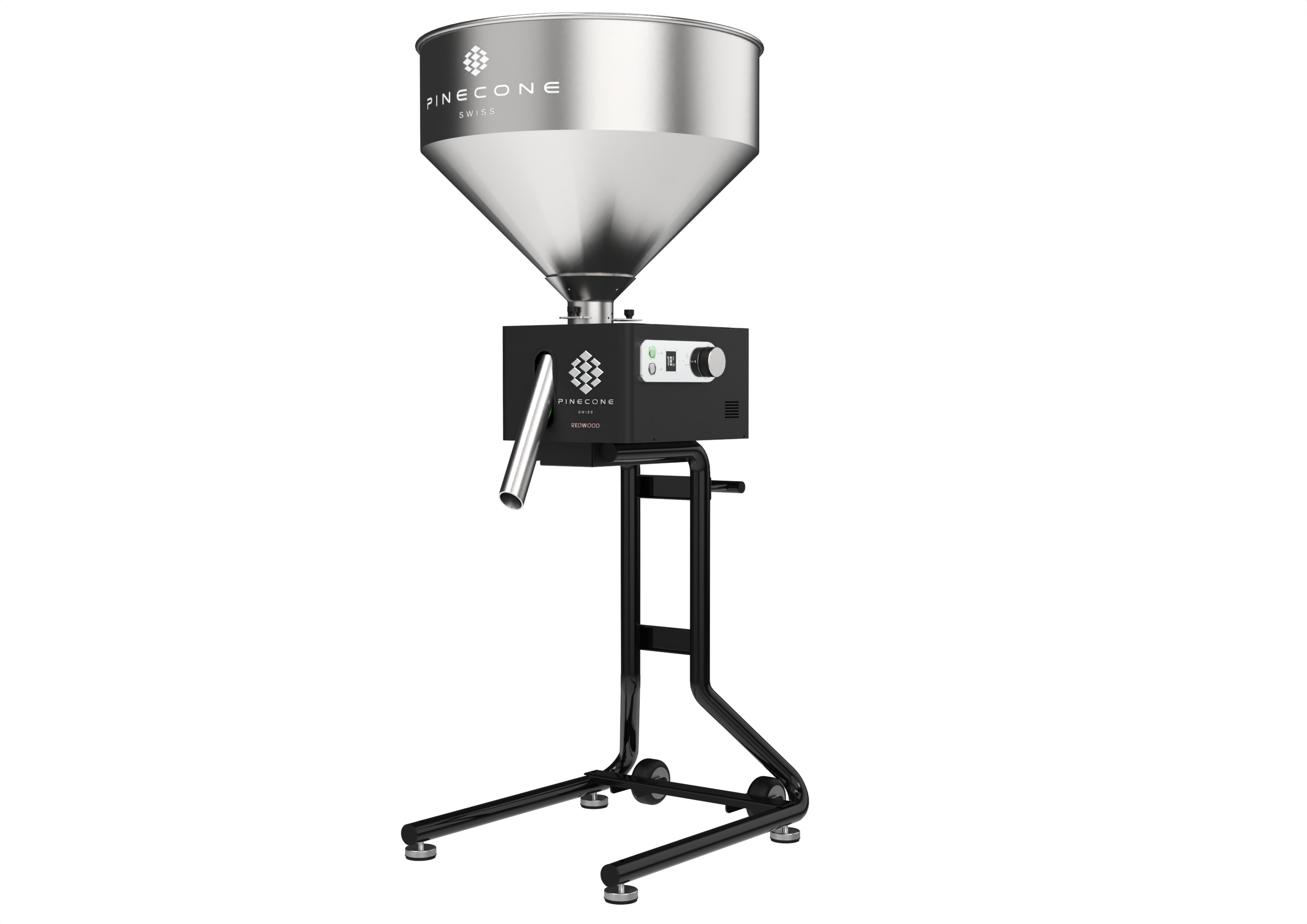
One area where both manual and automatic coffee makers share the same limitation: neither compensates for inconsistent grinding. Whether you are brewing pour-over or using an expensive drip machine, a blade grinder producing irregular particle sizes will undermine the result. Uniformly sized particles extract at the same rate; mixed sizes produce a cup where coarse particles are under-extracted (sour, thin) and fine particles are over-extracted (bitter, astringent) simultaneously.
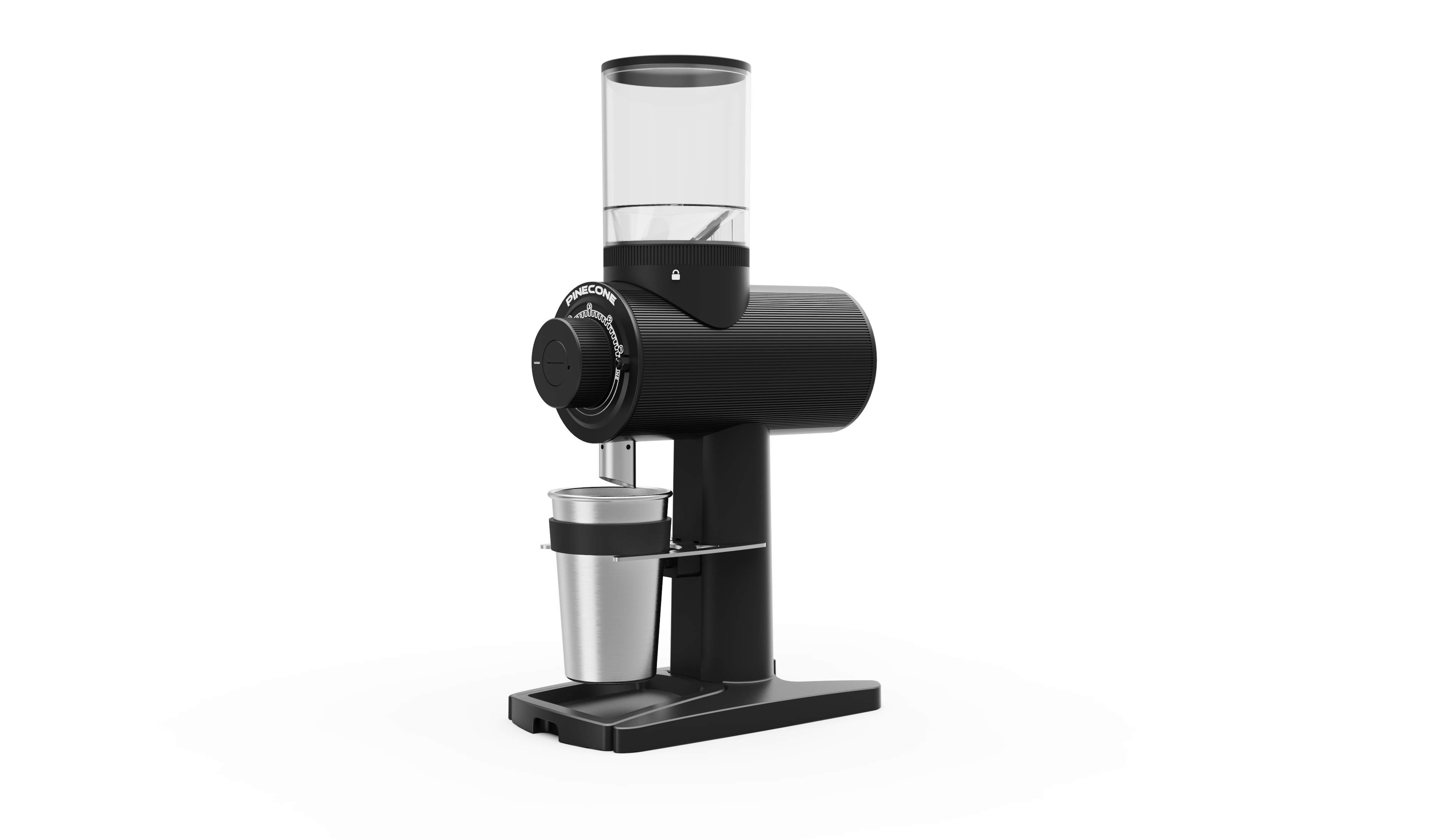
A burr grinder — whether manual or electric — crushes beans between two abrasive surfaces at a defined gap, producing reliably uniform particle size. The entry point for a usable burr grinder is $40–50 for a hand grinder (Hario Ceramic Slim, Timemore Chestnut C2) or $120–150 for a compact electric (Baratza Encore, Oxo Brew Conical Burr).
For any brewing setup above $100, a burr grinder is the single highest-leverage upgrade available. If your current setup includes a blade grinder, replacing it will improve your coffee more than upgrading the brewer.
Frequently Asked Questions
Can a manual coffee maker produce coffee as good as an expensive automatic?
Yes, in many cases better. A skilled pour-over at $50 in hardware can outperform a $500 drip machine on cup quality when the brewer understands extraction. Automatic machines offer consistency and convenience — not an inherent quality ceiling that manual methods cannot match.
Is an automatic drip machine worth the upgrade over a French press?
For households brewing multiple cups consistently and without time for hands-on brewing, yes. For single-cup brewing where attention is available, a French press or AeroPress produces a more nuanced cup at lower cost.
How long does a manual coffee maker last compared to automatic?
Quality manual brewers — ceramic V60s, stainless steel AeroPresses, glass Chemex — last decades with basic care. Automatic machines have mechanical and electronic components that typically need servicing or replacement within 5–10 years. Manual brewers have a significant durability advantage.
What is the cheapest setup for genuinely good coffee?
An AeroPress ($35) plus a hand grinder like the Hario Slim or Timemore C2 ($40–70), fresh whole beans, and a standard kitchen kettle. Under $120 total, this produces cafe-quality coffee at home.
Conclusion
The manual versus automatic debate dissolves once you are honest about your priorities. If you have time, curiosity, and interest in coffee as a craft, manual brewing — particularly pour-over or AeroPress — delivers flavor depth and engagement that no automatic machine can replicate at any price point. If you need reliability, speed, and the ability to make eight cups before the household is awake, a quality automatic drip machine or bean-to-cup setup serves you better.
Most serious coffee drinkers end up with both: a daily-driver automatic for weekday efficiency and a manual setup for weekend brewing with better beans. Start with the manual — it builds the palate that makes everything else make sense. Browse our specialty coffee beans to find origins worth brewing carefully.