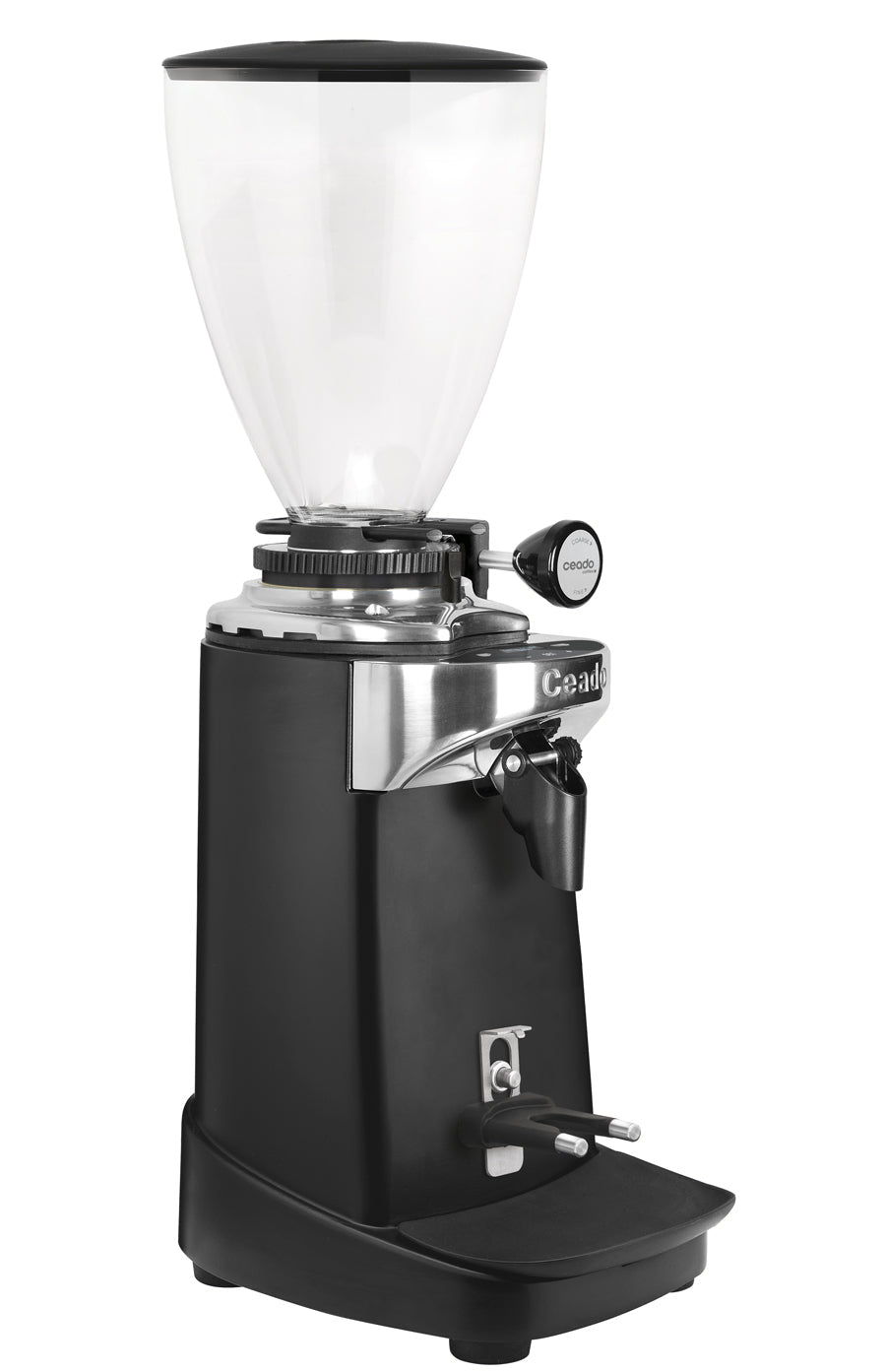
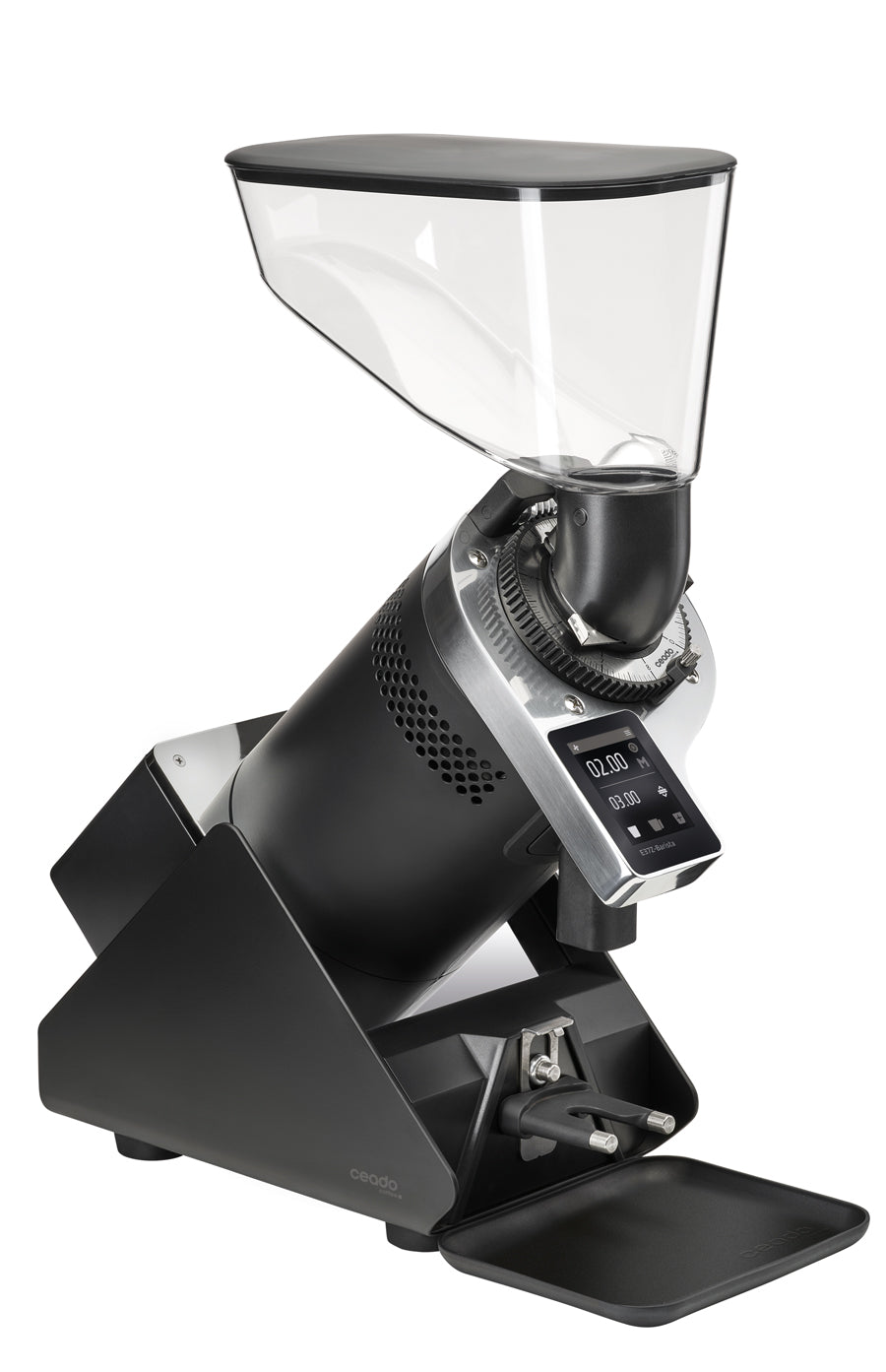
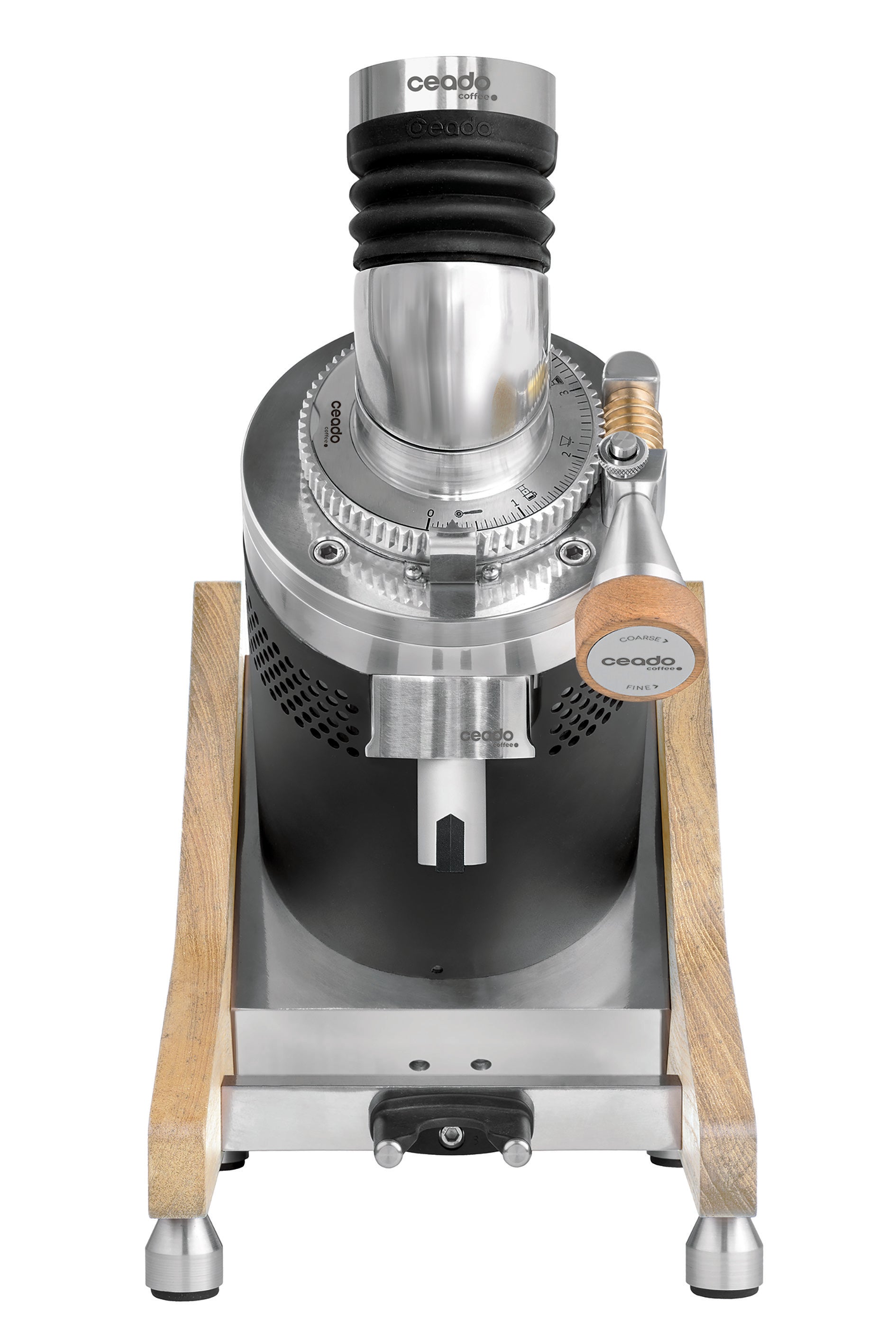
A burr grinder does one thing: it fractures coffee beans into particles of controlled size by passing them through a gap between two hardened abrasive surfaces — the burrs. Everything that affects how well it does that thing — burr sharpness, burr alignment, cleanliness of the grinding chamber, consistency of bean feed — is within your control through maintenance. Understanding what each maintenance practice does mechanically makes the difference between following a checklist and actually optimizing your grinder's output.
Conical vs. Flat Burrs: Different Architectures, Different Maintenance Demands
The two burr geometries in consumer and commercial grinders each have distinct maintenance characteristics that determine cleaning frequency, wear rate, and alignment sensitivity.
Conical burrs consist of a cone-shaped inner burr spinning inside a ring-shaped outer burr. The gap between them is annular — beans enter at the top of the cone and work their way down and outward through progressively finer sections of the gap before exiting at the bottom. The grinding action involves both cutting and crushing. Conical burrs rotate at lower RPM (typically 300–600 RPM for home grinders), which generates less heat. They retain fewer grounds after each dose — the natural gravity-assisted exit path means less cross-session contamination.
Flat burrs consist of two parallel discs with opposing cutting teeth or serrations. Beans fall into the center, are drawn outward by centrifugal force, and exit radially at the burr edge. Flat burrs rotate faster (600–1,800 RPM depending on design), which generates more heat per grind session. They tend to retain more grounds between doses due to the horizontal exit geometry — this is the primary reason flat burr grinders often show higher shot-to-shot retention figures than conical counterparts.
The maintenance implication: flat burr grinders require more frequent retention management and are more sensitive to burr alignment because the parallel disc geometry means any non-parallel mounting directly causes one sector of the grind to be finer than another ("wobble").
Ceramic vs. Steel Burrs: Wear Rates and Cleaning Compatibility
Burr material determines lifespan, heat sensitivity, and how the burrs respond to cleaning methods.
Steel burrs (typically hardened stainless steel or tool steel) are sharper initially and produce more uniform particle distributions at new. Their cutting geometry is more aggressive — they shear beans rather than crush them. Steel burrs are compatible with Grindz tablets and rice-based cleaning methods. Their primary weakness is oxidation: steel burrs left with moisture or acidic coffee residue will surface-rust, dulling cutting edges and potentially introducing metallic flavor notes. The other weakness is chipping — very dark, oily roasts can cause micro-chipping on steel burr edges over time.
Ceramic burrs are harder and more heat-resistant than steel. They do not rust. Their lifespan can be 2–3× that of steel burrs under identical usage conditions. However, ceramic is brittle — impact with an unroasted bean, a pebble (not uncommon in lower-grade lots), or an accidental hard drop can chip or crack a ceramic burr catastrophically. Ceramic burrs are also less aggressive in their cut, which some argue produces a slightly wider particle distribution but generates less fines.
| Burr Material | Initial Sharpness | Lifespan | Heat Generation | Rust Risk | Cleaning Compatibility |
|---|---|---|---|---|---|
| Hardened steel | Very high | Moderate | Moderate | Yes (dry immediately) | Grindz, rice, brush |
| Tool steel (Mazzertool, Ditting) | Very high | Moderate-High | Moderate | Yes | Grindz, brush |
| Titanium-coated steel | High | High | Low | Very low | Grindz, brush |
| Ceramic | High | Very high | Low | None | Brush only (no abrasive tablets) |
| Carbide (commercial) | Very high | Extremely high | Low | No | Industrial cleaning |
Realistic Burr Wear Timelines
Burr lifespan is the most misunderstood aspect of grinder maintenance. Most home users grind the same set of burrs for 5–10 years without replacement, not knowing that the burrs may have been performing at degraded capacity for half that time. Commercial operators know burr lifespan in detail because it directly affects extraction consistency and customer experience.
| Equipment Tier | Burr Type | Approximate Lifespan | Notes |
|---|---|---|---|
| Home conical (Baratza Encore, DF54) | 40mm–54mm conical steel | ~200–300 kg | Home use; replace every 3–4 years at 1–2 kg/week |
| Prosumer conical (Niche Zero, Ode) | 63mm–83mm conical steel | ~300–500 kg | Wider burrs last longer per kg |
| Entry commercial flat (Mazzer Mini) | 64mm flat steel | ~300–500 kg | Dependent on roast consistency |
| Mid commercial flat (Mazzer Super Jolly) | 64mm–83mm flat steel | ~500–800 kg | Industry-standard; replace at performance drop |
| High-end commercial flat (Mazzer Kold, Ditting 807) | 83mm–98mm flat | ~800–1,200 kg | Verified by commercial shop data |
| Ceramic conical (Comandante, Fellow Ode v2) | Ceramic conical | ~500–800 kg | No oxidation; longer service life |
These figures assume standard medium roasts. Dark, oily roasts accelerate steel burr wear by 15–25% due to the increased moisture and surface oil contact. Very light roasts (hard, dense green beans) also accelerate wear due to higher grinding resistance.
"Most home grinder owners have never replaced their burrs. If you have been grinding for three years at a kilogram a week without a burr change, you are grinding with tools that are noticeably less sharp than they were when new — and your extraction distribution is showing it."
The Grindz Cleaning Protocol
Grindz tablets (Urnex) are the industry-standard cleaning medium for steel and tool steel burr sets. They are composed of food-safe, pH-neutral cereal-based material engineered to absorb coffee oils and physically dislodge ground particles from burr grooves and the grind chamber walls during the grinding action.
The protocol for home conical grinder cleaning with Grindz:
- Empty the hopper completely. Any remaining beans will mix with the cleaning tablets and absorb tablet flavor into the next dose.
- Set grind to medium (avoid the finest espresso setting, which can overstress the tablet material and leave residue in tightly gapped burr channels).
- Add approximately 35g of Grindz tablets (one full dose per the package instruction — this is calibrated per the tablet volume).
- Grind through completely. The exiting material will appear off-white to beige and may smell faintly sweet.
- Immediately follow with 30g of sacrificial coffee beans ground at the same setting. This purges any tablet residue from the burr chamber and grind channel.
- Discard the purge dose. Do not use it for brewing.
- Repeat the purge once more if the ground coffee from step 5 shows any visual tablet residue.
For commercial flat burr grinders with high retention, the purge dose in step 5 should be increased to 50–70g because retention volumes are higher.
Frequency: every 200g of coffee ground for home conical grinders. For flat burr commercial grinders, standard shop practice is every 3–5 kg, or whenever flavor becomes muddy and the barista detects stale contamination.
Disassembly and Chaff Brush Routine
Beyond tablet cleaning, physical disassembly and manual brushing is necessary for maintenance tasks that tablets cannot address: chaff accumulation in the hopper feed zone, coffee oil buildup on non-burr surfaces, and inspection of alignment and wear.
For most home grinders, partial disassembly means:
- Remove the hopper and wash with warm water (no soap — soap residue affects flavor). Dry fully before reinstalling.
- Remove the outer burr carrier by following the manufacturer's procedure (usually a counterclockwise rotation of the upper burr ring).
- Using a stiff natural-bristle brush (2–4cm face width), brush all accumulated coffee powder from: the inner burr face, the outer burr face, the burr carrier housing, and the grind chute entry.
- Use a vacuum or canned air to remove loosened material from the grind chamber.
- Inspect both burr faces for chipping (small bright shiny divots on the cutting edges), heavy dulling (leading edges appear rounded rather than sharp), or asymmetric wear patterns.
- Reassemble and purge with 30g of beans at espresso setting before first use.
Chaff — the dried silverskin fragments that separate from roasted beans during grinding — accumulates fastest in the upper hopper zone and bean-entry port. In dark-roasted coffees, which shed more chaff, this buildup can restrict bean feed rate and create intermittent clumping at the burr entry. Clean chaff accumulation every 500–700g in grinders used primarily with dark roasts.
Static Management: Ross Droplet Technique and Beyond
Static electricity in coffee grinding is caused by the triboelectric effect: the high-velocity friction between coffee particles and the plastic or metal surfaces of the grind chamber generates surface charge. Charged particles repel each other in the collection vessel and cling to any nearby grounded surface — often the walls of the grind chamber itself or the inside of the portafilter. The result is erratic dosing, scattered grounds, and inconsistent puck density.
The Ross Droplet Technique (RDT) is the simplest and most widely used static mitigation method. Before grinding, add a single drop of water (approximately 0.5ml) directly onto the bean dose in the hopper or feed chute. The water microcoats the outer surface of the beans, dramatically reducing static charge generation during grinding. The water volume is too small to affect extraction noticeably but sufficient to dissipate the charge differential.
Variants and alternatives:
- RDT with a spray bottle: For single-dosing users, a fine mist from a spray bottle produces more even water distribution across the bean surface than a single drop.
- Anti-static grind vessels: EuroProcella, Saint Anthony Industries, and others make aluminum catch cups with anti-static coatings that ground excess charge from the grind stream.
- Ionizer wands: Niche, Weber Workshops, and several aftermarket suppliers offer ionizing wands that emit positively and negatively charged ions to neutralize ground-coffee charge before it exits the chute. These are most useful in very-low-humidity environments.
Flat Burr Alignment Shimming
Alignment shimming is an advanced maintenance practice primarily relevant to flat burr grinders. It addresses the condition known as "burr wobble" — where the spinning upper burr is not perfectly parallel to the stationary lower burr, causing one sector of the grind to produce finer particles than the opposite sector. The result is a bimodal particle distribution: the grind appears correct on average but contains alternating fine and coarse bands depending on where the bean passed through the burr gap.
To diagnose misalignment: distribute a small amount of ground coffee onto a flat dark surface and examine under raking light. Misaligned burrs produce a grind that looks uneven under close inspection, with noticeable fine powder patches alongside coarser particles despite correct grind setting.
Shimming procedure (simplified — specific steps vary by grinder model):
- Disassemble to expose the upper burr carrier mounting points.
- Using a laser alignment tool or "sharpie test" (coat one burr face with a marker, run a brief grinding cycle, and examine which side shows more marker removal — the side with more removal is the closest side), identify which sector of the upper burr carrier is too close to the lower burr.
- Add 0.05mm–0.1mm stainless steel shim tape or machined shim washers to the opposite side of the carrier (the side that needs to come closer to parallel).
- Reassemble, run a test grind, and re-examine the particle distribution.
- Repeat until the grind distribution is as symmetrical as possible.
Shimming kits and alignment guides exist for popular flat-burr grinders including the Eureka Mignon range, the Baratza Vario, and the Versalab M3. The practice is well-documented in the home-barista and r/espresso communities, with model-specific guides available.
Retention Management and Single-Dosing
Grinder retention — the mass of coffee that stays inside the grinder after a dose is complete — is a flavor quality issue. Retained grounds are stale; they mix with the next fresh dose and dilute extraction quality proportionally. In a grinder with 2g of retention and a 16g espresso dose, 12% of the dose is yesterday's grounds.
Single-dosing (loading only the exact bean weight needed for one brew, then grinding immediately with a clean exit) is the most effective retention management strategy. It requires:
- Purging the previous session's retained grounds with 1–3 grams of fresh beans before the actual dose (discard the purge output).
- Using a grinder with a near-zero dead space path (lower grind chute, fewer bends in the exit channel).
- Weighing input beans on a 0.1g precision scale.
For high-retention flat burr commercial grinders used in café settings, baristas use timed dosing combined with a consistent "purge" at the start of each shift — grinding and discarding the first dose, which contains overnight retention, before pulling service shots.
Frequently Asked Questions
How often should I replace my burrs?
For a home user grinding approximately 500–700g per week, conical steel burrs typically warrant replacement every 3–5 years. The best indicator is not elapsed time but cup quality: if you notice increased fines, bimodal extraction behavior (shots that alternate between fast and slow without grind setting changes), or a general flatness in flavor despite fresh beans, test by grinding coarse and examining the particle size distribution visually. A sharp set of replacement burrs will show immediate improvement.
Can I use regular rice to clean my grinder?
Rice is a widely used DIY alternative to Grindz tablets for steel burr grinders. Uncooked white rice (not the quick-cook or parboiled varieties) absorbs coffee oils and physically clears retained grounds effectively. Use 30–40g at medium grind setting and follow with a full purge dose of coffee. Do not use rice in ceramic burr sets — the silica content in rice is hard enough to abrade ceramic cutting edges.
What is the sharpie test for burr alignment?
Coat the flat face of one burr completely with a permanent marker. Reassemble the grinder, run it for three to five seconds without beans, then disassemble and examine the marked burr face. The marker will be erased by metal-to-metal contact from the opposite burr at the closest points. If the erasure pattern is symmetric around the full circle, alignment is good. If one sector shows more erasure than the other, the burr is closest to the opposing face on that side — that is the area with a tight gap and is producing your finest particles.
Does grinding dark, oily beans harm burrs faster?
Yes, with caveats. Oily beans do not damage burrs mechanically — the oil itself is not abrasive. What oily beans do is coat burr faces and grind chamber walls more aggressively, requiring more frequent cleaning to prevent rancid oil accumulation. The harm to steel burrs from oily beans is primarily corrosion-accelerated dulling: the combination of moisture and organic acids in the surface oil creates a mildly corrosive microenvironment at the burr edge. Clean steel burr sets more frequently (every 150g instead of 200g) when running dark oily roasts.
Is a hand grinder worth maintaining carefully?
Yes. High-quality hand grinders (Comandante C40, 1Zpresso JX-Pro, Kinu M47) use the same burr geometries and wear mechanisms as electric grinders, just at lower throughput. Their burrs last longer per kilogram because they run at very low RPM and generate minimal heat. Clean hand grinder burrs with a brush every 50–100g; disassemble and inspect every 3–6 months.
Conclusion
A grinder that is cleaned on schedule, has its burrs replaced when wear evidence appears, manages retention systematically, and runs alignment-verified flat burrs is not a grinder that occasionally produces good results — it is a grinder that produces good results consistently. The cost of a burr set replacement every 3–5 years is a fraction of the cost of the grinder itself and eliminates the most common cause of inexplicable extraction inconsistency in home setups.
Grinder maintenance is not mechanical expertise reserved for technicians. It is ten minutes of periodic attention applied with knowledge of what each action accomplishes mechanically. The protocols in this guide — Grindz cleaning, disassembly and brush routine, RDT for static, and alignment shimming when needed — cover every maintenance need that arises in the normal lifespan of a home or prosumer burr grinder.
Browse our selection of specialty coffee beans precision-roasted to reward a well-maintained grinder.