The Sequencing Problem Most Home Setups Have
A common home coffee setup: a $400 espresso machine, a blade grinder, a gooseneck kettle, a nice scale, and three specialty filter cones. The machine and the kettle are excellent. The filter cones are unnecessary variety. The scale is correct. The grinder is destroying the potential of everything else.
Equipment sequencing errors are the norm, not the exception, because good brewing equipment is well-marketed and grinders are not. This guide provides a decision framework for evaluating what you actually need to add or upgrade versus what you already have, and in what order these decisions compound most effectively.
The framework has three layers: extraction control (grinder, scale, kettle), brewing vessel (the method), and water. Get the first layer right and the second layer becomes genuinely interesting. Get it wrong and the second layer is irrelevant.
Layer 1: Extraction Control Equipment
The Grinder
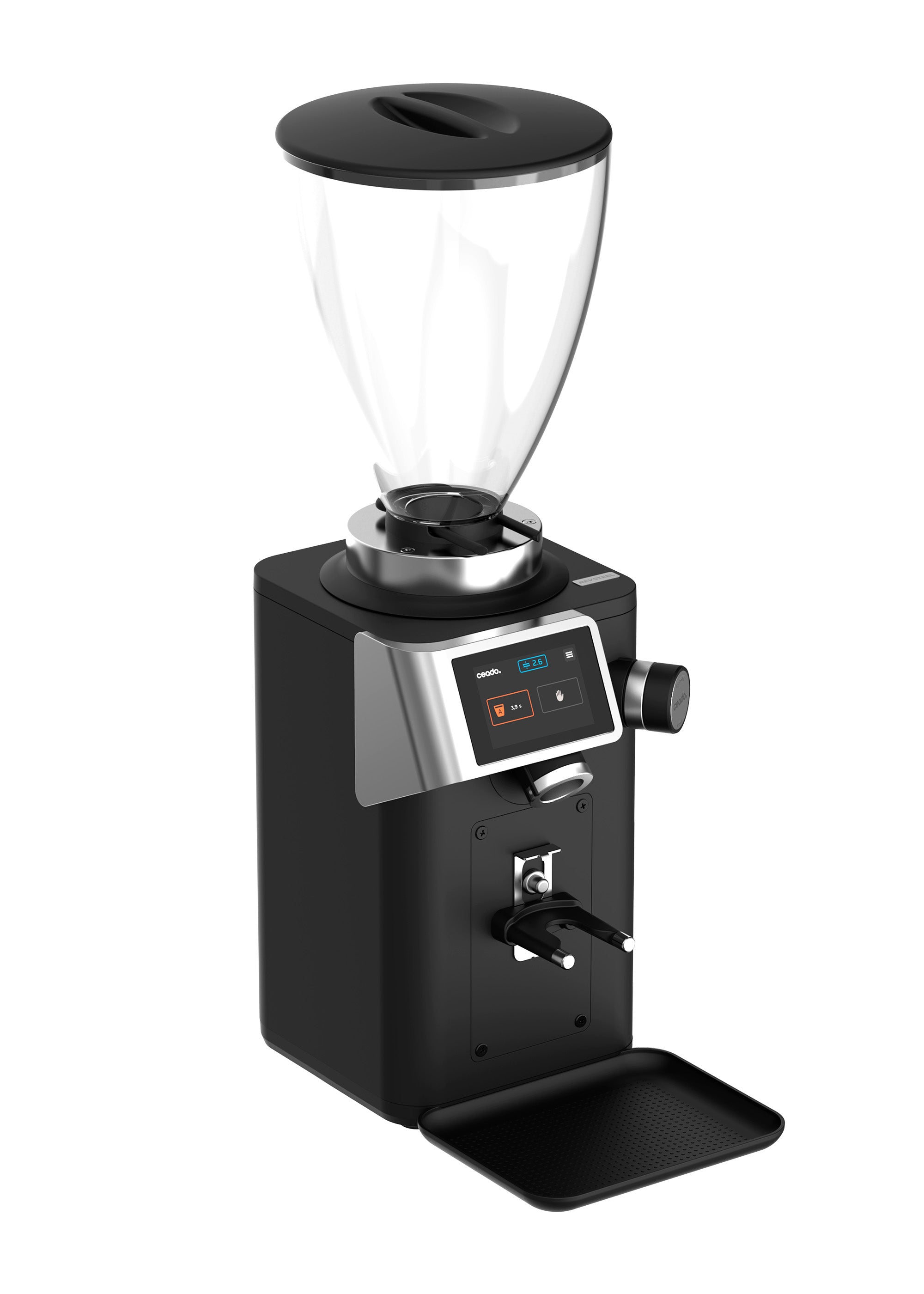
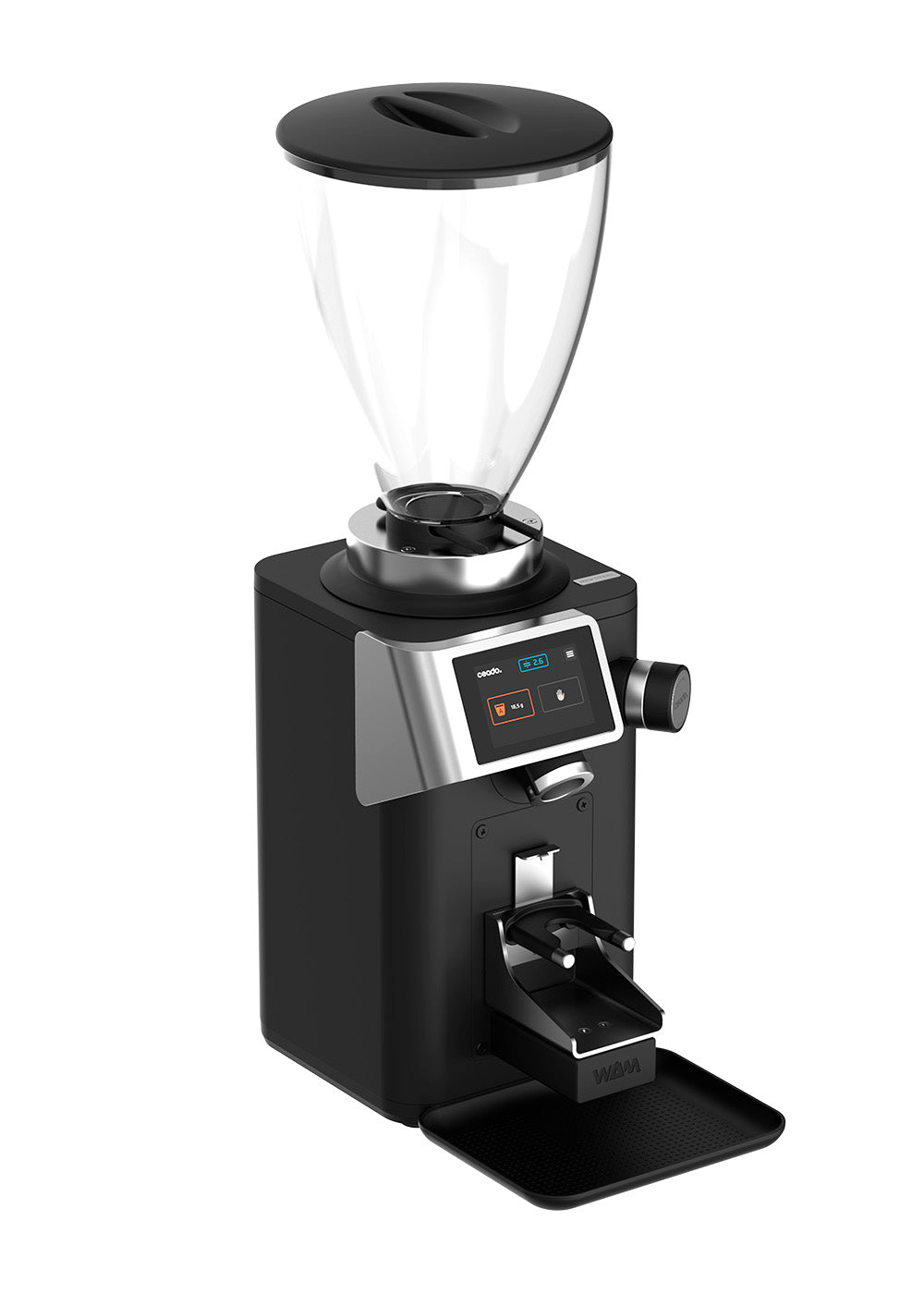
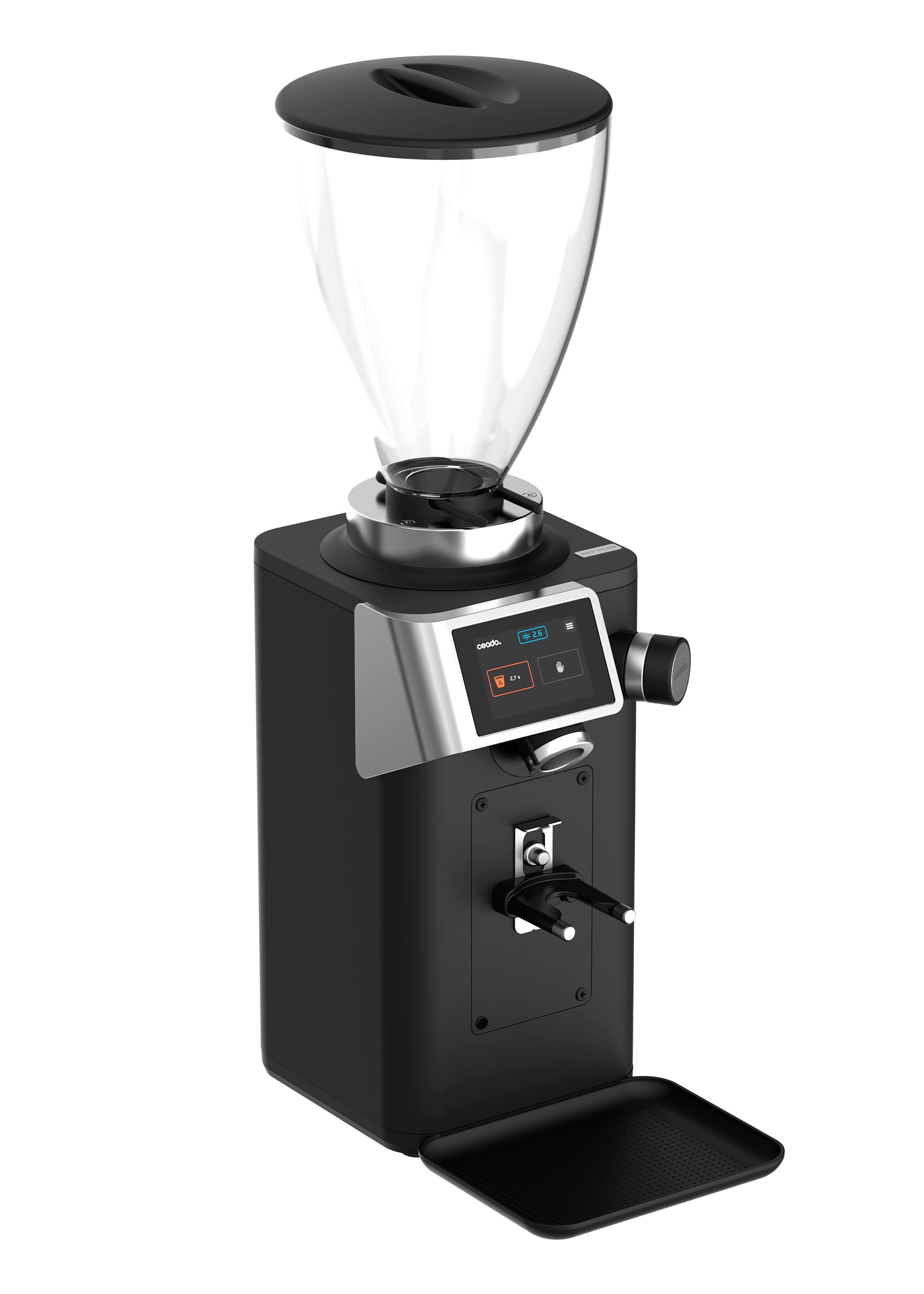
The grinder is the most impactful single piece of equipment in any brewing setup — filter, immersion, or espresso. A quality burr grinder (starting around $150–$200 for filter, $350–$400 for espresso-capable) removes the largest single variable in extraction consistency.
For a filter-only setup (V60, Chemex, drip, AeroPress), a Baratza Encore or Fellow Ode Gen 2 handles everything reliably. For espresso, the minimum viable option is the Niche Zero, Eureka Mignon Specialita, or Breville Smart Grinder Pro in the $350–$500 range.
The grinder is the one piece of equipment where you should not compromise on quality to afford a more impressive brewing device. A Niche Zero and a $400 espresso machine outperforms a $1,200 machine with a blade grinder by a categorical margin — not a slight one.
Beyond the specific model, what you are buying with a quality grinder is: (a) a consistent particle size that allows even extraction, (b) precise adjustment range so you can dial in each coffee separately, and (c) low heat generation during grinding that preserves the volatile aromatic compounds responsible for the flavors you spent money on the beans to access. A blade grinder fails on all three counts regardless of price.
Precision Scales
A scale accurate to 0.1 g is non-negotiable for reproducible brewing. The alternatives — scoops, volume measurements — introduce enough variance to make any other precision effort pointless. If you are measuring your coffee by the scoop while using a temperature-controlled kettle and a quality grinder, you are eliminating two variables precisely and introducing a third through the front door.
Acaia Pearl ($225) is the specialty industry standard: fast response, high precision, Bluetooth connectivity for logging. The companion app tracks historical brews, which is valuable for iterative improvement.
Hario V60 Drip Scale ($60) is the best value option — dual-display (weight + time), 0.1 g resolution, and compact enough to live under the kettle during a pour.
Felicita Arc ($100) and Timemore Black Mirror ($75) are excellent mid-tier options that punch above their price in response time.
For espresso, the scale needs to fit in the drip tray under the portafilter. The Acaia Lunar ($250) and the Felicita Parallel ($120) are built for this. General kitchen scales are typically too large and too slow.
Temperature-Controlled Kettles
Brewing temperature affects extraction rate and therefore which flavor compounds are prominent in the cup. Light roasts extract optimally at 94–96°C; dark roasts at 88–92°C. A kettle without temperature control makes this variable unmanageable — you are guessing within a range that produces meaningfully different cups at either end.
| Kettle | Temperature Control | Gooseneck | Capacity | Best For |
|---|---|---|---|---|
| Fellow Stagg EKG | ±1°C, hold 60 min | Yes | 0.9 L | Pour-over precision |
| Bonavita Variable | ±2°C | Yes | 1.0 L | Value pour-over |
| Brewista Artisan | ±1°C | Yes | 1.2 L | Higher volume brewing |
| Hario V60 Drip | No precise control | Yes | 0.8 L | Manual, budget option |
| Standard electric | No | No | Varies | Not recommended |
The gooseneck spout is essential for pour-over only — it provides the flow control needed for even saturation of a V60 or Chemex bed. For any other method (AeroPress, immersion, espresso), a standard kettle with temperature control is sufficient.
Layer 2: Brewing Vessels
With the grinder, scale, and kettle established, the brewing vessel becomes the interesting decision rather than the critical one. The same quality grounds extracted at the same temperature and ratio through different vessels produce different results — but the quality floor set by Layer 1 equipment is what makes those differences worth exploring.
For filter coffee clarity: V60 and Chemex are the standard references. The V60 (Hario) is more flexible — smaller brews, wider grind range, faster adjustment. The Chemex produces a cleaner cup due to its proprietary thicker filter, which removes more oils and produces a brighter, lighter-bodied result. Both require the gooseneck kettle and scale as prerequisites.
For espresso at home: The entry level for genuinely good home espresso is higher than most people expect — roughly $500 for a machine plus $400 for a grinder. The Breville Bambino Plus ($500) + Niche Zero ($500) produces professional-quality espresso. At this level you are not compromising; you are producing shots equivalent to most commercial cafés.
For immersion without complexity: The AeroPress is the most forgiving device in specialty coffee — it is hard to make a genuinely bad cup, it is easy to travel with, and the parameterizable variables (steep time, temperature, ratio, filter type) are wide. It is not the highest-ceiling device but it has the lowest floor. For French press, the key variable is grind coarseness — a quality grinder makes the difference between a clean cup and a silty one.
For batch convenience: The Breville Precision Brewer and the Moccamaster are the two household-name precision drip machines that consistently reproduce proper extraction temperatures and bloom. Both hover around $300 and require only a quality grinder to produce very good filter coffee with minimal daily effort.
Layer 3: Water
Water quality is the most undervalued variable in home coffee. Two concerns: mineral content (affects extraction chemistry) and off-flavors (chlorine, hydrogen sulfide).
Ideal mineral profile for coffee brewing: Total dissolved solids (TDS) of 75–175 ppm, with magnesium as the dominant mineral (magnesium preferentially extracts sweet and fruity compounds from coffee, while calcium extracts body). Most municipal water is within an acceptable range but may be high in calcium or contain chlorine.
Practical solutions by water type:
- Chlorinated municipal water: Brita-style activated carbon filter removes chlorine effectively. This is the minimum intervention and often sufficient.
- Very hard water (>250 ppm TDS): Use a 3:1 blend of filtered water with distilled water, or use Lotus Water capsules, which allow you to build custom mineral profiles from distilled water.
- Soft water (<50 ppm TDS): Add small amounts of magnesium sulfate (food-grade Epsom salt: 0.3 g per liter) and potassium bicarbonate (buffer). The Barista Hustle Water Calculator provides ratios for target profiles.
Building Your Setup: Prioritized Investment Path
If you are building from scratch or upgrading incrementally, this is the recommended sequencing:
Phase 1: Foundation ($150–$300)
- Burr grinder: Hario Skerton Plus (manual, $60) or Baratza Encore ($170)
- Scale: Hario Drip Scale ($60) or Timemore Black Mirror ($75)
- Kettle: Bonavita Variable Temperature ($55)
- Brewing vessel: Whatever you already have, or a V60 starter kit ($25)
Phase 2: Filter Precision ($300–$600 above Phase 1)
- Upgrade grinder to Fellow Ode Gen 2 or Baratza Virtuoso+
- Add or upgrade to Fellow Stagg EKG kettle
- Add Chemex or Kalita Wave as second filter method
Phase 3: Espresso ($500–$1000 above Phase 2)
- Add espresso machine: Breville Bambino Plus or Breville Barista Express Pro
- Upgrade grinder to Niche Zero or Eureka Mignon Specialita if not already espresso-capable
Phase 4: Water and Accessories
- Water filtration or mineral supplementation (based on local water analysis — a $40 TDS meter tells you where you stand)
- Acaia Pearl or Lunar scale for higher precision and pour-rate tracking
- VST refractometer if you want to measure extraction yield directly (optional for most home brewers, essential for systematic recipe development)
- Cleaning supplies: Urnex Cafiza for espresso machines, Grindz tablets for grinders — these are consumables, not luxuries; neglecting them produces measurable flavor degradation within weeks
Frequently Asked Questions
Do I need a separate grinder for espresso and filter?
Technically no — many grinders cover both (the Niche Zero, Eureka Mignon Specialita). Practically, switching between espresso and filter grind settings repeatedly means purging coffee each time and losing dose consistency during the transition. Two grinders is a luxury that pays for itself in workflow if you brew both daily.
Is a semi-automatic espresso machine worth learning compared to an automatic?
Semi-automatic machines (where you control shot start and stop) produce better espresso when operated well — you respond to visual cues and adjust timing for each dose. Automatic machines produce more consistent results with less skill but cap out at "good" rather than "excellent." If you are willing to invest the learning time (roughly 30–50 shots to develop reliable technique), semi-automatic is the better long-term investment.
At what point does upgrading equipment stop making a perceptible difference?
The perceptible improvement curve is steep from blade grinder to quality burr grinder, moderate from entry-level burr to mid-range, and very gradual from $600+ grinders upward. For brewing vessels, there is essentially no taste difference between a $25 plastic V60 and an $80 copper one — the filter and pour technique determine the cup. Water quality improvements are perceptible when you are in a hard-water or strongly chlorinated area. Scale precision beyond 0.1 g is not perceptible in cup quality.
Conclusion
Building a capable home coffee setup is a sequencing problem more than a budget problem. The same $800 produces dramatically different results depending on whether you spend it on a flashy espresso machine or on a quality grinder, a precise scale, and a temperature-controlled kettle. The extraction-control layer — grinder, scale, kettle — is where every dollar compounds most effectively. Once that layer is in place, brewing vessel choices become genuine expressions of preference rather than blind variables. Browse our roasted coffee selection to find single-origin lots that reward the investment in proper extraction control — each one is selected for the kind of expressive flavor profile that makes the equipment investment worthwhile.