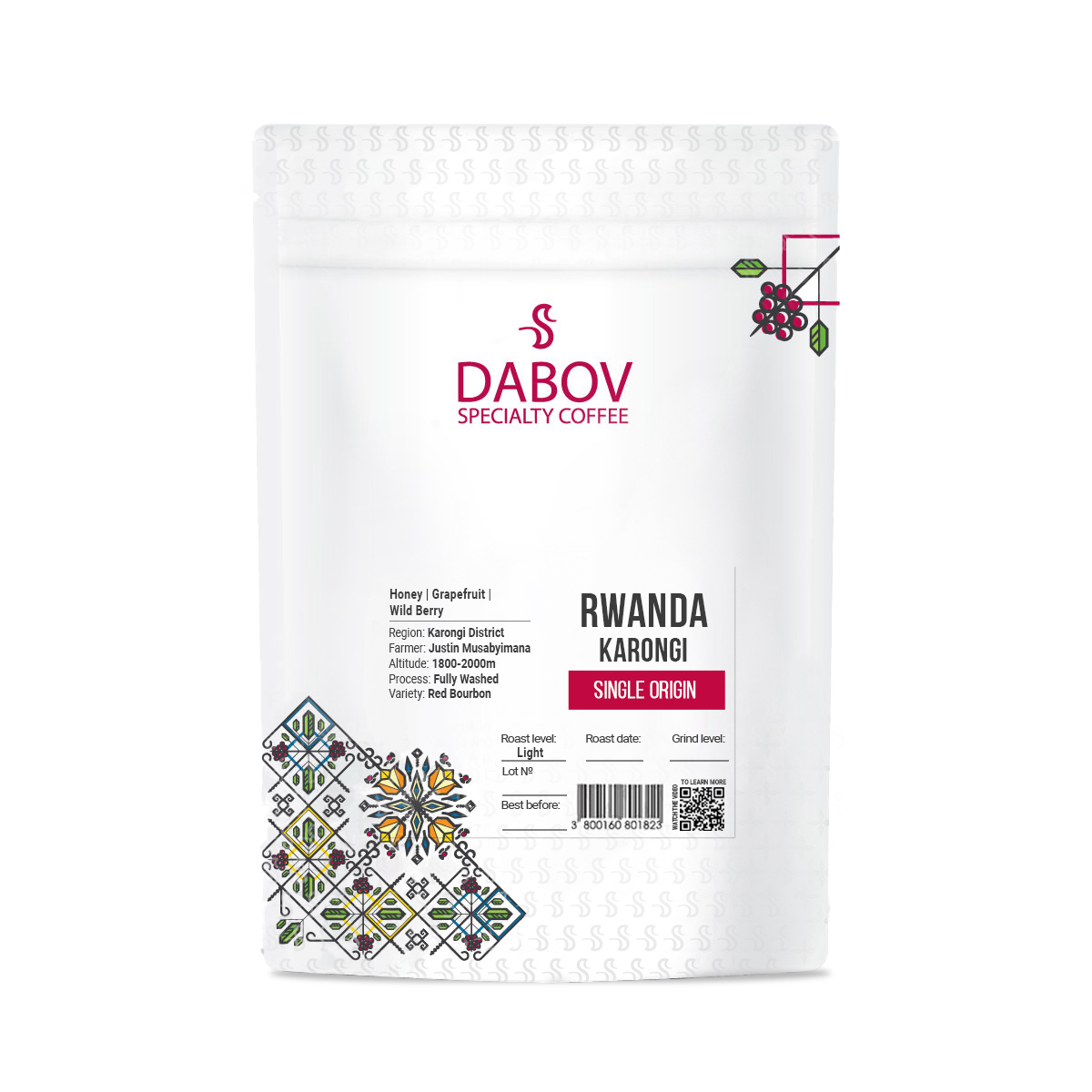
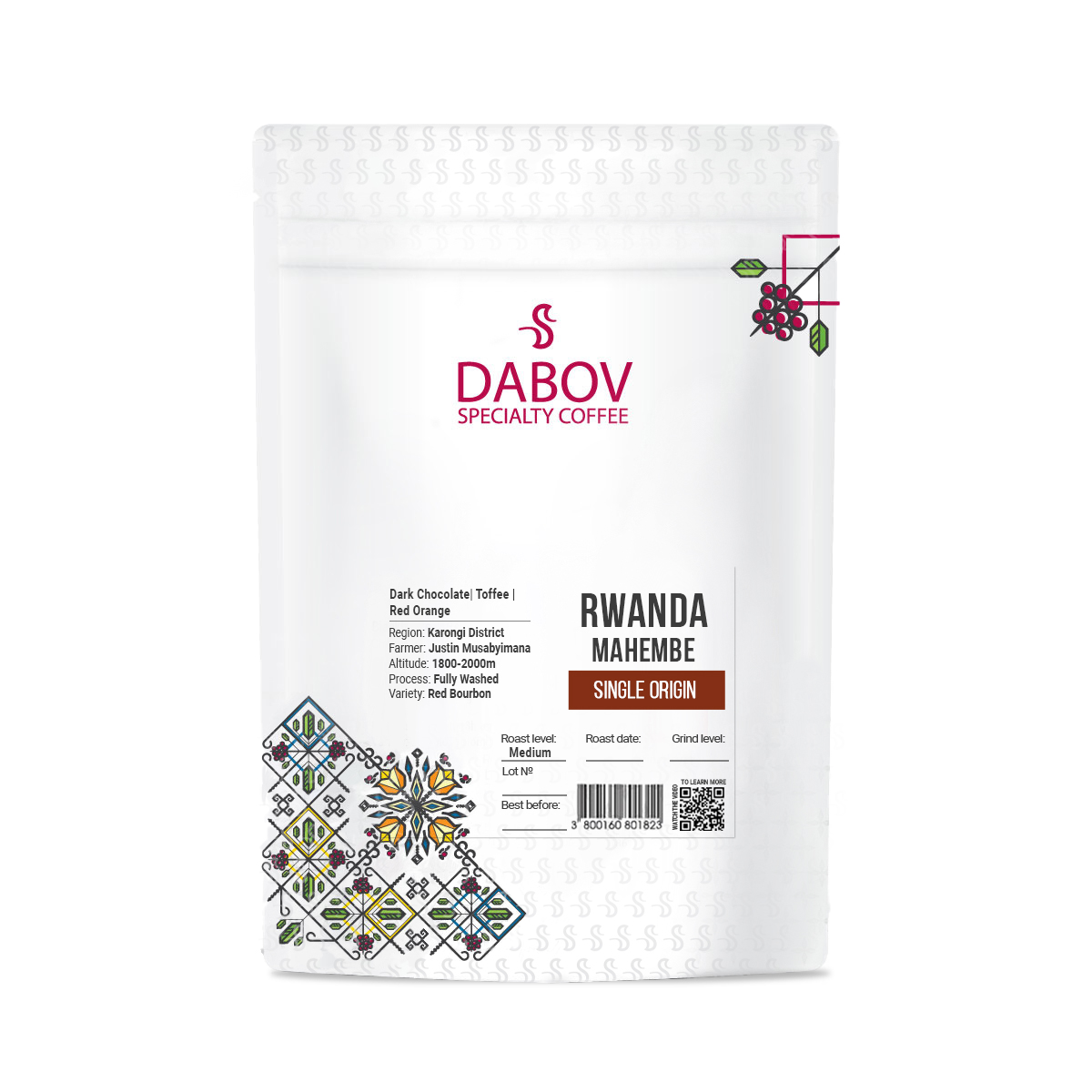
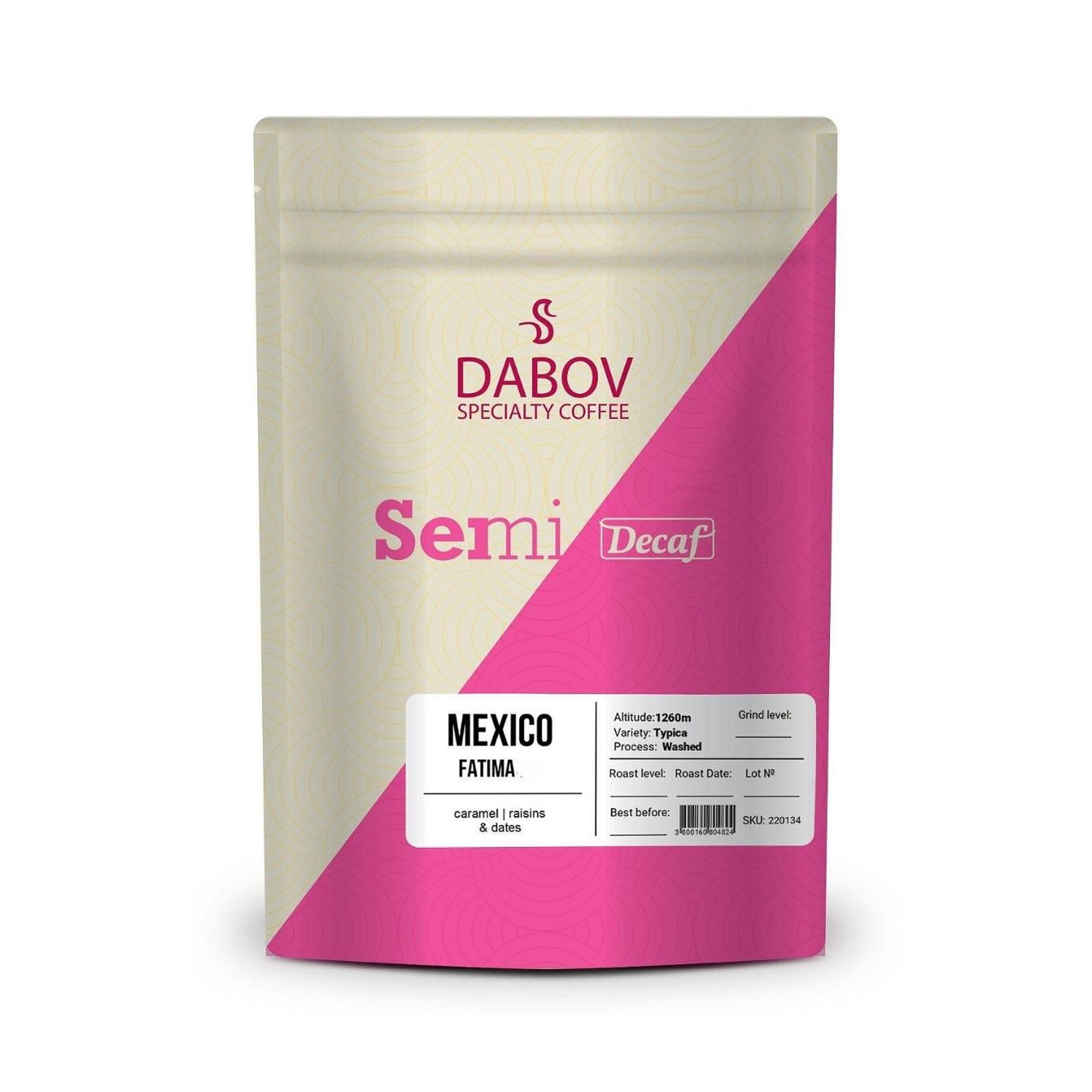
Specialty decaf has improved dramatically. The question is no longer whether good decaf exists—it does—but how to find the specific cup that matches what you actually enjoy. That requires understanding two variables: decaffeination method and coffee origin. Each method leaves a distinct flavour fingerprint; each origin brings its own baseline character that persists, to varying degrees, through the process.
The Three Decaffeination Methods and Their Flavour Signatures
All commercial decaffeination happens before roasting, using one of three principal approaches. Understanding the flavour signature of each method allows you to predict what a cup will taste like before you open the bag.
Swiss Water Process
The Swiss Water Process (SWP) uses only water, activated carbon filters, and temperature to remove caffeine. Green coffee beans are soaked in hot water to extract caffeine and flavour compounds; the water is then passed through activated carbon filters sized to trap caffeine molecules while allowing smaller flavour compounds to pass through. The resulting 'green coffee extract' is caffeine-free but rich in flavour compounds. Subsequent batches of beans soak in this extract: caffeine transfers out of the beans into the water, but other flavour compounds remain in equilibrium—because the water is already saturated with them.
Flavour signature: the SWP preserves origin character well, particularly the brighter acidic and floral notes of washed coffees. It can slightly mute the most delicate top-note aromatics—the jasmine or bergamot notes in a high-grade Ethiopian—but produces a clean, balanced cup without the off-notes that characterise poor-quality decafs. It works especially well with:
- Light-to-medium roast washed origins (Colombia, Kenya, Ethiopia)
- Pour-over and filter brewing
- Drinkers who prioritise acidity and clarity
CO2 Decaffeination
Liquid carbon dioxide under supercritical pressure (around 74 bar, 31°C) selectively dissolves caffeine while leaving most other compounds intact. The high selectivity of CO2 for caffeine molecules—more than water or solvents achieve—makes this the method that best preserves the full aromatic complexity of a green bean.
CO2 decaffeination is expensive and uses specialised industrial equipment, which is why it is less common than Swiss Water but increasingly favoured by specialty roasters for high-value lots. Flavour signature: the cleanest, most transparent expression of origin character available in decaf. Best results come from high-quality single-origin lots where the flavour compounds worth preserving are abundant.
- Best for: high-clarity origins like washed Ethiopia or Kenya, and delicate varietals like Gesha
- Best brew method: pour-over, Chemex, AeroPress at lighter extraction
- Drinker profile: specialty coffee enthusiasts who want decaf that genuinely tastes like its origin
Ethyl Acetate (EA) Decaffeination
Ethyl acetate is an organic solvent that occurs naturally in fermented fruit juices and ripening coffee cherries. Commercial EA decaffeination typically uses synthetically produced EA derived from ethanol and acetic acid, though some producers use EA sourced from sugar cane fermentation (marketed as 'natural' or 'sugar cane process').
Green beans are steamed to open their pores, then rinsed repeatedly with EA to extract caffeine. The solvent is then removed by steam stripping. Trace EA residues remain but are classified as safe at the levels typically found in decaf.
Flavour signature: EA decaffeination has a characteristic effect on body and sweetness—it tends to enhance the perception of sweetness and produce a slightly heavier, syrupier mouthfeel than Swiss Water. This makes it particularly well-suited to:
- Medium-to-dark roast origins (Colombia, Peru, Brazil, Mexico)
- Espresso brewing, where body and sweetness are prioritised over brightness
- Drinkers who prefer chocolate and caramel notes over acidity
The 'sugar cane process' variant from Colombian and Peruvian farms is growing in popularity in specialty decaf and often produces particularly clean results because the EA comes from a fermentation process adjacent to the coffee farm itself.
The Method × Origin Matrix
The table below matches decaffeination methods to the origin profiles that produce the best results with each approach. This is the core tool for matching your palate to a decaf purchase.
| Decaf Method | Best Origin Match | Cup Character | Best Brew Method | Palate Profile |
|---|---|---|---|---|
| Swiss Water | Colombia (washed) | Balanced, citrus-caramel, clean | Pour-over, drip | Balanced, medium acidity |
| Swiss Water | Kenya (washed) | Blackcurrant, bright, juicy | Pour-over, AeroPress | Fruit-forward, high acidity |
| Swiss Water | Ethiopia (washed) | Floral, stone fruit, delicate | V60, Chemex | Floral, tea-like |
| CO2 | Ethiopia (washed/natural) | Highest clarity, full origin | Pour-over, AeroPress | Specialty enthusiast |
| CO2 | Gesha varietal | Jasmine, bergamot, tea | Pour-over only | High-end specialty |
| EA Sugar Cane | Colombia (washed) | Caramel, milk chocolate, medium body | Drip, espresso | Approachable, sweet |
| EA Sugar Cane | Peru (washed) | Hazelnut, dark chocolate, clean | French press, espresso | Rich, low acidity |
| EA (conventional) | Brazil (natural) | Heavy body, nut, chocolate | Espresso, moka pot | Espresso-forward |
| EA (conventional) | Mexico (washed) | Toasted almond, brown sugar | Drip, French press | Classic American style |
"The single best decaf I have tasted was a CO2-processed washed Yirgacheffe—it was closer to the undecaffeinated cup than any Swiss Water or EA I had tried. The method mattered more than any other variable for that particular origin."
Single-Origin Decaf vs Blends: Which to Choose
The choice between single-origin decaf and a decaf blend parallels the same choice in regular coffee—but with one additional consideration: the decaffeination process itself introduces variability, and blending can mask either the best or the worst of that variability.
Single-origin decaf rewards drinkers who want to taste a specific place. A washed Colombian from Huila through Swiss Water and a washed Guatemalan Antigua through the same process taste demonstrably different. If you know you enjoy the caramel-and-citrus profile of Colombian washed coffee, you will find that character persists through SWP—muted somewhat, but present.
Single-origin decaf also lets you compare the same origin processed through different decaffeination methods—a useful exercise if you are trying to understand which method suits your palate.
Decaf blends are useful when you want consistency across multiple purchases and do not want to taste for origin character. A well-crafted decaf espresso blend—typically a combination of a chocolatey Brazilian, a sweet Colombian, and a richer Sumatran or Peruvian—produces a stable, full-bodied espresso that works reliably as a base for milk drinks. Blends are also more forgiving of minor lot-to-lot variation in the decaffeination process.
For filter drinkers, single-origin decaf at light to medium roast through Swiss Water or CO2 is almost always more interesting than a blend. For espresso drinkers, a well-designed decaf blend that has been dialled in by a roaster often performs better than a single-origin that was not specifically designed for espresso extraction parameters.
Roast Level and Decaf: The Interaction
Decaffeinated beans behave slightly differently during roasting than undecaffeinated beans. The decaffeination process removes some of the volatile compounds that act as development indicators, which means decaf beans can reach similar colour readings while being fractionally underdeveloped inside. Experienced roasters who specialise in decaf compensate by extending the development phase slightly.
The practical implication for buyers:
- Light roast decaf requires a skilled roaster who understands the modified development curve. Poorly roasted light decaf tastes hollow and astringent.
- Medium roast decaf is the most forgiving and most widely available. The fuller development masks minor process artefacts and produces a well-rounded cup.
- Dark roast decaf can produce an excellent espresso base—the extended roast mitigates any residual process off-notes and produces the heavy body and chocolate-bittersweetness that espresso extractions suit.
Tasting Recommendations by Palate Profile
The following guidance maps common flavour preferences to specific decaf styles.
If you want bright and citrus-forward: Swiss Water Process or CO2 washed Colombia or Kenya. Brew as pour-over or V60 at 92–94°C. A medium-light roast from a roaster who dials in their decaf curves. This is the category where decaf most convincingly competes with regular coffee for flavour complexity.
If you want chocolate and caramel richness: EA Sugar Cane washed Colombia or Peru, medium to medium-dark roast. Brew as drip or use as a milk drink base. This category is where most commercial decaf blends sit—approachable, sweet, low acidity, and forgiving of a wide range of brewing variables.
If you want fruity and complex: CO2 natural Ethiopia or Colombian natural-process. Natural processing preserves more fruit-forward character than washed even through decaffeination, because the fermentation-derived compounds that create fruit notes are not caffeine-dependent. This is a small and expensive category but produces genuinely distinctive decaf.
If you want espresso body and crema: EA Brazil or a medium-dark decaf blend designed for espresso. Look for a blend that specifies it was formulated for espresso extraction—20% higher yield at 92°C, 30 seconds. Decaf espresso requires finer dialling of dose and yield because the absence of crema-contributing oils (partially removed by decaffeination) means you need to dial by taste rather than visual crema volume.
If you want the closest thing to undecaffeinated specialty coffee: CO2 process, high-quality washed single-origin (Ethiopia, Kenya, Guatemala), roasted by a specialist. The CO2 method's high selectivity for caffeine means more of the original flavour matrix survives—enough that an experienced drinker choosing between a CO2 decaf and the undecaffeinated version of the same lot may have genuine difficulty distinguishing them in blind pour-over format.
Frequently Asked Questions
How much caffeine is actually in decaf coffee?
FDA rules require that coffee labelled decaf must have had at least 97% of its caffeine removed. In practice, most commercial decaf retains 2–12 mg per 8 oz cup, depending on the method and the original green coffee's caffeine level. Swiss Water and CO2 methods typically achieve the lower end of this range (2–5 mg). Ethyl acetate methods typically land in the 5–12 mg range. For most people, including pregnant individuals staying under 200 mg/day, even several cups of decaf contribute a negligible amount to daily intake.
Does decaf taste worse than regular coffee?
Modern high-quality decaf processed through Swiss Water or CO2 methods from specialty-grade green coffee is dramatically better than the decaf available ten years ago. In double-blind pour-over tastings using CO2-decaffeinated specialty lots, experienced tasters routinely score the decaf within a few points of the undecaffeinated version. The assertion that decaf is inherently inferior reflects the commercial-grade solvent-processed decaf that dominated retail until recently, not the current specialty category.
What is the sugar cane process and is it better?
Sugar cane EA process uses ethyl acetate derived from fermented sugar cane rather than petroleum-based synthesis. The flavour difference is real but subtle—slightly cleaner and with less of the characteristic syrupy note that industrial EA processing can produce. From a sourcing perspective, it is often associated with cooperative producers in Colombia and Peru where the sugar cane is a local crop. Whether 'better' depends on your flavour preference; for chocolate-rich medium roast filter or espresso, sugar cane EA from Peru or Colombia is among the best available options.
Should I grind decaf differently?
Slightly coarser is often a better starting point for decaf filter brewing. The decaffeination process partially modifies the cellular structure of the bean, which can affect how water moves through the puck or grounds bed. Starting 1–2 clicks coarser than your regular grind setting and adjusting by taste is a good baseline. For decaf espresso, the absence of crema as a visual guide means you need to rely on taste and yield weight more than visual cues—be patient with the dial-in.
The Takeaway
The best decaf for your taste depends on two decisions: which decaffeination method matches the flavour signature you want (Swiss Water for clarity and brightness; CO2 for maximum origin fidelity; EA/sugar cane for sweetness and body), and which origin complements that method (washed Colombia and Kenya through SWP for balance; natural Ethiopia through CO2 for fruit complexity; Peruvian or Colombian washed through EA for chocolate richness).
Single-origin decaf is almost always more interesting than a blend for filter brewing. Decaf blends designed specifically for espresso outperform single-origins for that brew method. Roast level interacts with the decaffeination process—light roast decaf requires a specialist; medium and medium-dark roasts are more consistent across roasters.
Browse our roasted coffee selection to find specialty-grade options, and ask about our current decaf sourcing if you want origin and method details before you buy.