The Geography and Geology of New Flavor Territories
Rwanda: Volcanic Resilience and Lactic Fermentation
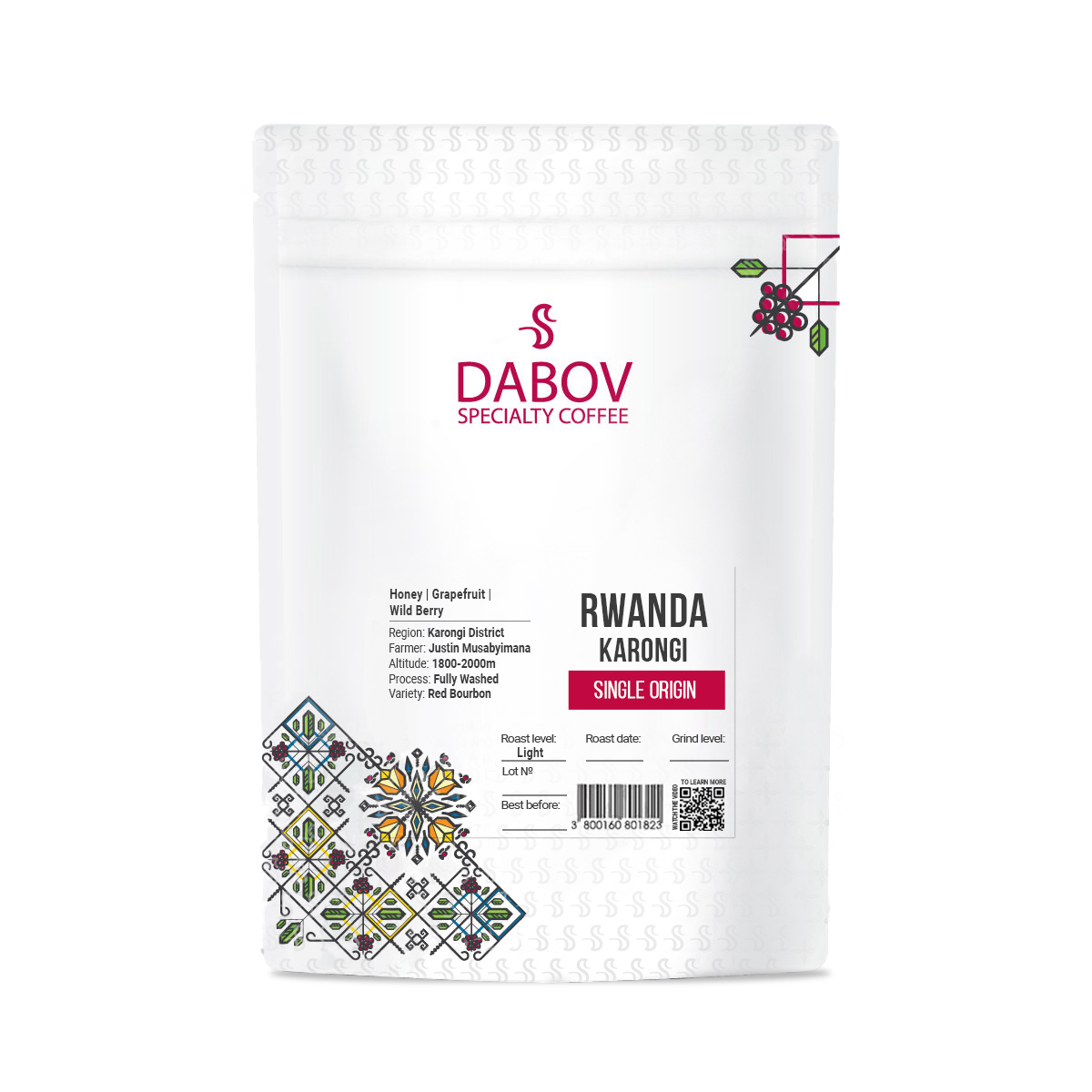
Rwanda's coffee renaissance emerged from post-1994 reconciliation and agricultural investment. The country's narrow central mountain range (elevation 1,400–2,000 meters) sits atop volcanic basalt parent material, creating soils rich in potassium and phosphorus—minerals that support amino acid and protein development in coffee cherries.
Rwandan coffee (95% Bourbon varietal) expresses this minerality through crisp acidity and subtle saltiness. The standout characteristic, however, comes from processing innovation: extended washed fermentation (18–36 hours at controlled temperature) encourages lactic acid bacteria proliferation, creating:
- Lactic acidity: Tart, yogurt-like compounds that soften brightness
- Berry and citrus notes: Fermentation-derived esters and aldehydes
- Tea-like clarity: Light body with pronounced acidity and clean finish
- Sweetness: Residual sugars developed during fermentation
Cupping notes for top Rwanda lots: "red currant, citric acid, jasmine, tea-like finish." The flavor profile sits between Kenya's fruity brightness and Colombia's chocolate roundness—a unique expression of Bourbon terroir under specialized fermentation.
Key regions: Lake Kivu area (Karongi, Nyungwe); Ruhengeri highlands; Gitarama province. Most Rwandan coffee moves through washing stations (cooperative infrastructure) that manage fermentation temperature and duration with precision uncommon in Africa.
Laos: Bolaven Plateau and Catimor Hybrids
Laos, historically invisible in global coffee, is emerging as a source of complex, unusual flavor profiles. The Bolaven Plateau (elevation 1,200–1,400 meters in southern Laos) combines volcanic soil, misty monsoon influence, and elevation stress to produce coffees with distinctive character.
Laotian coffees blend Catimor hybrid genetics (a cross between Robusta and Typica, bred for productivity and disease resistance) with terroir expression. While Catimor varietals are grown worldwide—often dismissed as "low-quality" by specialty roasters—Laotian lots at high elevation develop:
- Floral-fruity character: Jasmine, honeysuckle, tropical fruit (mango, guava)
- Wine-like acidity: Fermented-fruit notes from extended natural or honey processing
- Cocoa undertones: Roasting-era Maillard reactions enhanced by hybrid's fat content
- Medium body: Dense cherry from slower maturation at altitude
Laotian cooperatives (OLAM supports 8,000+ farmers) emphasize natural and honey processing—methods that amplify these inherent characteristics. A well-executed Laotian natural-processed lot can score 85–87 SCA points, rivaling washed East Africans despite different varietals.
Key regions: Bolaven Plateau (Paksong, Attapeu provinces); growing recognition of higher-altitude microlots. Production remains small (45,000 bags/year) due to infrastructure constraints, supporting direct-trade premiums ($2.50–$3.50/lb to farmer vs. $1.50–$2.00 commodity pricing).
Timor-Leste: Hibrido Revival and Tea-Like Delicacy
Timor-Leste (East Timor) grows a unique coffee varietal—Hibrido, an ancient cross between Arabica and Robusta. After Indonesian occupation (1975–1999) devastated coffee infrastructure, smallholders replanted heirloom Hibrido from remaining seeds. The varietal expresses remarkable flavor complexity despite genetic hybridity:
- Tea-like aromatics: Delicate, floral character uncommon in Robusta hybrids
- Cocoa and nutty notes: Subtle chocolate undertones with almond character
- Bright acidity: Unusual for hybrids; suggests high elevation (900–1,600 meters) stress
- Spiced finish: Cinnamon, clove aromatics from extended fermentation
Timorese coffee terroir combines volcanic soil, equatorial elevation, and traditional organic farming (few inputs available post-independence). These factors create low-volume, high-quality lots (18,000–25,000 bags/year) that score 84–87 SCA points and command specialty pricing ($4–$6/lb green).
Key regions: Ermera district (highest elevation), Aileu (central plateau), Liquiça. Most coffee moves through Fair Trade or direct-trade channels; certification income funds processing equipment and farmer organization.
Processing Innovations Driving Flavor Diversity
Anaerobic Fermentation: Sealed Vessel, Concentrated Flavor
Anaerobic fermentation—sealing freshly pulped cherries in airtight containers for 24–72 hours—produces coffees with wine-like, fruity, intense aromatics. The oxygen-free environment forces specific bacterial and yeast strains to dominate, creating distinct metabolic byproducts (esters, aldehydes, volatile sulfur compounds) that define the cup.
Emerging regions pioneer this technique because:
- Equipment is simple (plastic bins, lids, airlocks)
- Labor-intensive monitoring suits smallholder operations
- Results are dramatic and marketable ("funky," "wine-fermented," "exotic")
Cupping profiles: "Tropical fruit bomb," "blue cheese earthiness," "berry wine notes." Properly executed, anaerobic lots score 86–89 SCA points. Spoiled batches (contamination, over-fermentation) score 70–76. Risk/reward calculus encourages experimentation.
Rwanda, Colombia, and Laos have embraced anaerobic fermentation; Ethiopian natural-processed lots use similar oxygen-limited conditions. The technique is now shorthand for "innovation" among third-wave roasters and commands 30–50% price premiums.
Extended Fermentation Periods and Temperature Control
Traditional wet processing: 12–18 hour fermentation at ambient temperature, timing determined by feel and experience. Emerging regions increasingly employ:
- Temperature-controlled fermentation: 18–24°C target (cooler = slower fermentation = more complex acid development)
- Extended duration: 24–36 hours, sometimes 48–72 hours for specific results
- Monitoring pH and bacterial profiles: Using basic testing (pH strips) or advanced microbiology
These practices allow:
- Lactic acid development (Rwanda's signature flavor)
- Malic acid preservation (brightness, tartness)
- Reduced astringency (longer fermentation breaks down chlorogenic acids)
Rwandan cooperatives adopted temperature control ~2010 (with NGO support and training). The investment in thermometers and shade structures cost $2,000–$5,000 per washing station but increased cup scores 2–3 points (translating to $0.50–$1.00/lb price premium across a station's annual production = $30,000–$50,000 revenue increase). Payback period: 1 season.
Flavor Comparison: Emerging Regions vs. Established Origins
Tasting Panel: Rwanda, Laos, and Timor Side-by-Side
| Origin | Varietal | Altitude | Processing | Primary Flavor | Secondary Flavor | Acidity | Body | SCA Range |
|---|---|---|---|---|---|---|---|---|
| Rwanda Kivu | Bourbon | 1,600m | Washed, extended fermentation | Red currant, citrus | Lactic tang, jasmine | High (tartness) | Medium | 85–87 |
| Laos Bolaven | Catimor | 1,300m | Natural/honey | Mango, guava, floral | Wine-like, cocoa | Medium-High | Medium-Full | 85–87 |
| Timor Ermera | Hibrido | 1,400m | Washed, traditional | Tea, cocoa, spice | Almond, subtle earthiness | Medium | Medium | 84–86 |
All three score within specialty range (85+) but express distinct sensory profiles. A Rwanda washed Bourbon tastes "bright and tart;" Laos natural Catimor tastes "fruity and wine-forward;" Timor Hibrido tastes "delicate and tea-like." These differences signal processing technique (Rwanda's extended fermentation vs. Laos's natural drying) and varietal genetics (Bourbon's tartness vs. Hibrido's floral finesse) more than elevation or soil.
Cup Scoring and Transparency
Emerging-region coffees increasingly arrive with SCA cupping scores (0–100 scale, 85+ = specialty). A Rwanda lot scored 86.5 communicates:
- Aroma: 7.5/10 (clear, pleasant, origin-appropriate)
- Flavor: 8.0 (complex, balanced, distinctive character)
- Aftertaste: 8.0 (lingering, clean, pleasant)
- Balance: 7.5 (acidity-sweetness-body proportion)
- Uniformity: 8.5 (batch consistency across 5 cups)
- Defects: 0 (no taints, off-flavors, or processing faults)
Published scores build consumer confidence in emerging regions and create price floors. A 86-point coffee commands $5–$7/lb green; an 88-point rare lot might fetch $12–$20/lb. Scores incentivize quality investment at origin.
Sourcing Emerging-Region Coffees
Direct Trade and Traceability
Emerging regions benefit disproportionately from direct relationships:
- Fair Trade (minimum $2.00/lb to farmer) vs. Direct Trade ($2.50–$4.00/lb) vs. Commodity ($1.00–$1.50/lb)
- Direct-trade premiums enable washing-station infrastructure, fermentation temperature control, and farmer education
- Transparency: roasters can name the washing station, farmer cooperative, or individual farm
When purchasing emerging-region coffee, look for:
- Farm/station name: "Kibuye Washing Station, Karongi District" (not just "Rwanda")
- Harvest year: 2024 harvest = current crop; 2023 or older = stale inventory
- Processing method: "Extended washed fermentation, 30 hours," providing flavor expectation
- SCA cupping score: 85+ signals specialty quality; 84–84.5 risks being under-developed
- Roaster sourcing statement: "Direct trade with RWACOF cooperative, $2.80/lb to farmer"
Subscription Services and Tasting Notes
Specialty roasters increasingly feature emerging-region coffees in rotating subscriptions, often with detailed tasting notes:
- "Laos Bolaven natural: tropical fruit-forward, wine-like acidity, balanced body, best for pour-over"
- "Rwanda Kibuye washed: crisp red currant, lactic tang, delicate sweetness, excellent for espresso"
These notes signal processing method (natural = fruitier; washed = brighter) and suggest brew method (pour-over highlights acidity; espresso concentrates sweetness). Using tasting notes to anticipate flavor empowers intentional brewing choices.
Challenges and Opportunities for Emerging Origins
Infrastructure Barriers
Emerging regions face:
- Processing equipment scarcity: Washing stations cost $50,000–$200,000; credit access limited
- Export complexity: FTA (Free Trade Agreement) certification, phytosanitary approvals, shipping logistics
- Price volatility: Commodity-market prices can undercut quality premiums; farmer income instability
- Buyer concentration: Few roasters willing to source emerging origins limits negotiating power
Direct-trade models help: roasters commit to multi-year purchases at fixed premiums, allowing farmers to invest confidently in infrastructure. Rwanda's washing-station growth accelerated only after roasters committed to buying volumes at predictable prices.
Opportunity for Enthusiasts
Buying emerging-region coffee creates:
- Economic incentive for quality (direct-trade premiums reward cupping scores)
- Infrastructure investment (washing-station training, fermentation equipment)
- Long-term sustainability (stable farmer income supports generational farming knowledge)
- Flavor innovation (experimentation thrives with premium-market incentives)
Each bag of Rwanda Kibuye or Laos Bolaven purchased funds the next harvest's infrastructure upgrade.
Brewing Emerging-Region Coffees
Method Selection by Flavor Profile
Rwanda Washed (bright, lactic, tart): Pour-over or Chemex
- Water: 195°F, slightly acidic if using filtered water
- Ratio: 1:16 coffee-to-water
- Grind: Medium-fine (just finer than Chemex default)
- Result: Brightness and tartness shine; lactic complexity visible
Laos Natural (fruity, wine-forward): French press or immersion brewer
- Water: 200°F, neutral pH (avoid acidic water that amplifies astringency)
- Ratio: 1:15 coffee-to-water
- Grind: Coarse
- Result: Full body amplifies tropical fruit; immersion prevents over-extraction of fines
Timor Hibrido (tea-like, delicate): Pour-over or AeroPress
- Water: 195°F, slightly soft (lower TDS favors delicate flavors)
- Ratio: 1:17 coffee-to-water (higher water ratio for lighter flavor profile)
- Grind: Medium (coarser than espresso, finer than French press)
- Result: Tea-like acidity and floral notes emerge without bitterness
Conclusion
Emerging coffee regions aren't novelties—they're laboratories where flavor science and smallholder innovation intersect. Rwanda's lactic-forward fermentation, Laos's fruit-forward naturals, and Timor's delicate Hibrido express possibilities invisible in commodity coffee. By understanding their flavor profiles, sourcing directly, and brewing intentionally, enthusiasts can access coffees at the frontier of global specialty production while supporting the farmers and cooperatives pioneering these techniques.
Explore emerging-region coffees at DABOV's specialty selection, where we highlight origin stories and tasting notes alongside direct-trade partnerships.