Why Coffee Prices Vary So Dramatically
Coffee price is set by a chain of compounding decisions, each of which adds cost. Understanding that chain helps you read a price tag accurately — whether it reflects genuine quality or margin inflation.
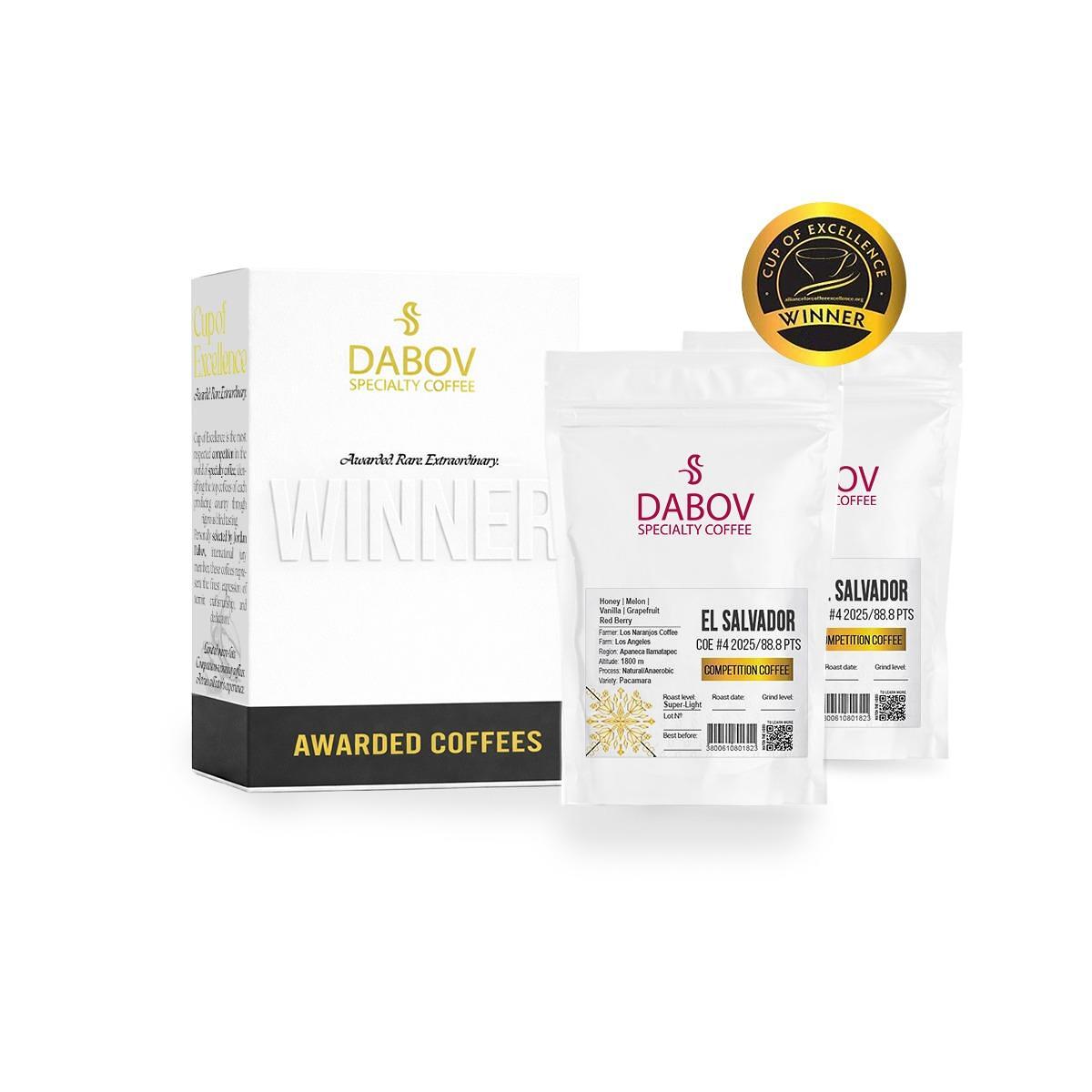
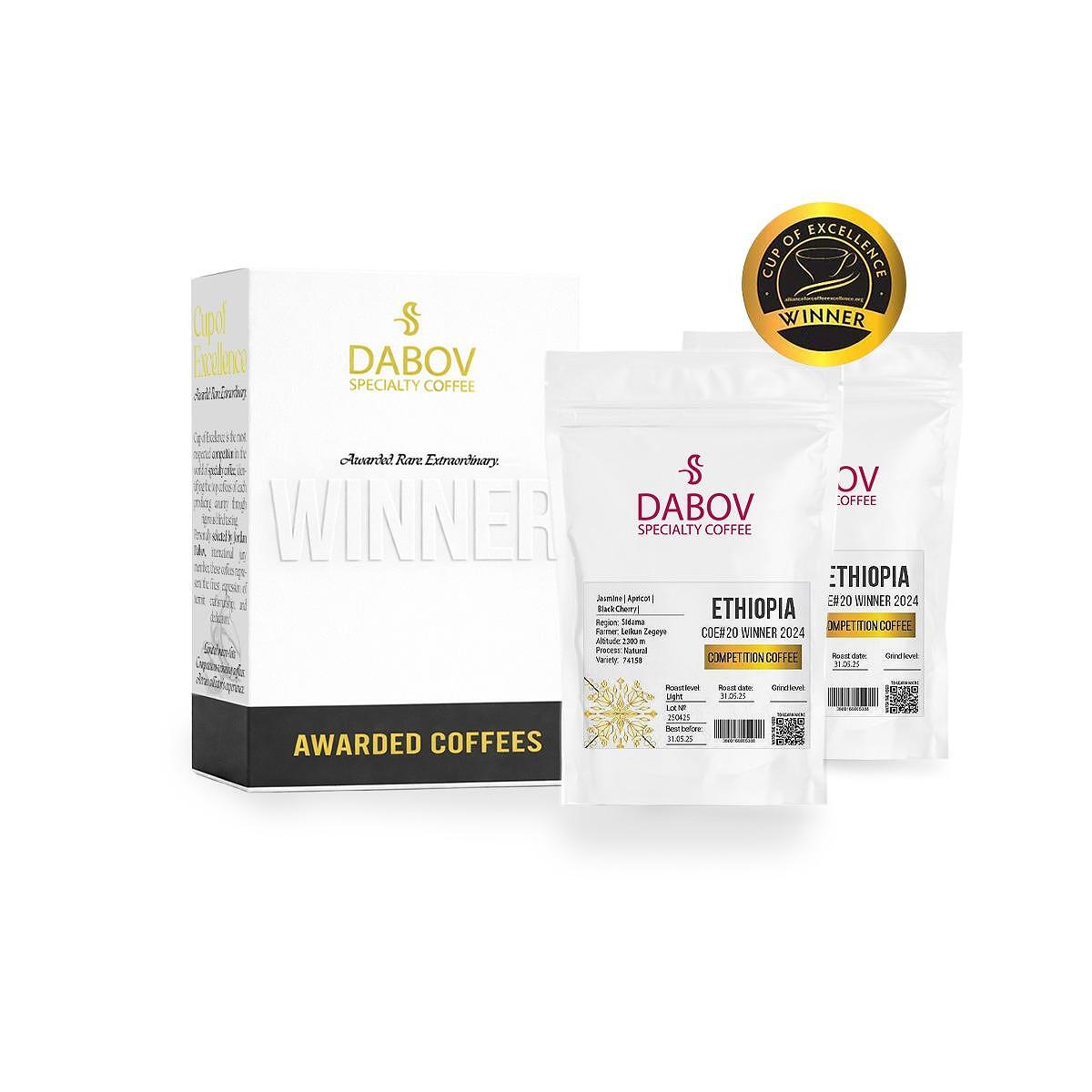
The base price for commodity-grade Arabica is the C-price, traded on the Intercontinental Exchange (ICE). In 2023–2024 that price ranged from roughly $1.60 to $2.20 per pound of green coffee. This is the floor for commercial-grade beans. Specialty coffee — beans scoring 80 or above on the 100-point SCA cupping scale — commands a premium above the C-price, negotiated directly between roaster and producer or through importers. That premium ranges from a few dollars per pound for solid 83-point lots to $30–$80 per pound for auction-winning micro-lots from the Cup of Excellence.
Between the green price and the retail bag sits the roaster's cost: roasting itself (energy, labor, quality control cupping, rejected batches), packaging, distribution, and margin. Specialty roasters operating at small batch sizes carry higher per-unit costs than commodity roasters running industrial-scale operations. The result is a retail price that typically falls between $18 and $30 per 250g for genuine specialty-grade single-origin coffee.
What pushes a bag beyond $30 per 250g? Three things: exceptional green coffee (auction lots, rare varietals like Gesha or Wush Wush), very small batch quantities that spike per-unit costs, and brand positioning that prices to exclusivity rather than cost recovery.
The Price-Quality Relationship: Where It Holds and Where It Breaks
Price correlates with quality most reliably at the bottom of the market. The jump from mass-market instant or commodity supermarket ground to genuine specialty is dramatic and consistent — better sourcing, more careful roasting, and fresher product all converge at once. The correlation weakens significantly above $25 per 250g, where you are increasingly paying for rarity, story, and brand positioning, not for proportionally better flavor.
The law of diminishing returns in coffee operates steeply: the difference between a $12 bag and a $22 bag is usually obvious to any attentive palate. The difference between a $22 bag and a $45 bag is often only meaningful in specific brewing conditions, with well-calibrated equipment, and to a trained taster. A $100 micro-lot brewed on a poorly calibrated drip machine tastes worse than a $20 specialty lot brewed on a properly set up pour-over.
Other factors that complicate the price-quality read:
Freshness beats price. A $14 bag from a local roaster purchased within one week of roast outperforms a $28 bag from a national brand sitting on a shelf for two months. Roast date is a more reliable quality signal than price tier, full stop.
Brand premium is real and unrelated to quality. Some recognized names charge 30–50% more than smaller roasters for equivalent green coffee and roasting quality. You are paying for distribution infrastructure and marketing investment, not better beans.
Brewing proficiency matters more than equipment cost. Fresh specialty beans extracted correctly on an $8 Hario V60 with a $60 burr grinder will outperform the same beans in a $500 automatic espresso machine operated without dialing in the grind. No equipment upgrade compensates for stale coffee or inconsistent grind size.
Price Tiers: What You Actually Get
The coffee market organizes into five meaningful tiers, each with a distinct quality ceiling and sourcing profile.
| Tier | Price per 250g | Quality Profile | Typical Sourcing | Best For |
|---|---|---|---|---|
| Commodity | Under $6 | Blended, anonymous origin, defects tolerated | C-market brokers | Cooking, large office drip machines |
| Mass-market | $6–$12 | Consistent but generic, minimal freshness info | Large roasters blending multiple origins | Daily convenience, milk-heavy drinks |
| Entry specialty | $12–$20 | Single origin, roast date present, 80–84 SCA | Direct import, small regional roasters | Everyday specialty drinking, pour-over, French press |
| Premium specialty | $20–$35 | High-score lots (85+), transparent supply chain | Direct trade, Cup of Excellence lots | Dedicated home brewing, cupping practice |
| Micro-lot / auction | $35+ | 88+ SCA, rare varietals, auction-verified | Cup of Excellence, Best of Panama auction | Enthusiast, gift, special occasions |
The entry-specialty range from $12–$20 is where most coffee drinkers find their best value. You get genuine specialty grade, roast-date freshness, and identifiable origin — all the factors that produce a meaningfully better cup — without the diminishing-returns premium of the top tier.
What Pushes Cost Up Without Improving Quality
Several factors increase retail price without improving what is in your cup. Recognizing them helps you avoid over-spending.
Elaborate packaging. Nitrogen-flushed valve bags are standard in specialty and justified. Beyond that — heavy kraft boxes, wax-sealed tins, handwritten labels — you are paying for aesthetics and unboxing experience, not coffee quality. The packaging cost can add $3–$7 to a bag with no impact on the beans inside.
Certification premiums with variable quality correlation. Fair Trade, Rainforest Alliance, and Organic certifications are legitimate ethical signals, but they guarantee process compliance, not cup quality. A Fair Trade certified commercial lot can score below 80 SCA; an uncertified direct-trade micro-lot can score 90. The ethical value of certification is real; the quality implication is not automatic.
Famous brand name. Established national roasters carry distribution costs, marketing budgets, and investor expectations into their pricing. Smaller regional roasters with equivalent sourcing relationships often charge 20–30% less for the same quality tier.
Subscription convenience markup. Subscription services build platform, curation, and logistics costs into their per-bag pricing. Some are worth it for the variety exposure and curation value; many charge $5–$8 per bag more than buying directly from the roaster's own website with the same or shorter roast-to-ship time.
Hidden Costs of the Coffee Habit
The true cost of your coffee routine extends beyond the bag price, and most calculations miss several significant components.
Equipment amortized over daily use. A $150 burr grinder spread over three years of daily use adds roughly $0.14 per day to the per-cup cost. A $500 espresso machine adds $0.46 per day. Most home brewers dramatically overestimate equipment cost as a proportion of total coffee spending because they experience the purchase price as a one-time shock rather than a daily amortized figure.
Water quality. If you are using municipal tap water with high chlorine or very low mineral content, your cup will suffer regardless of bean quality. A basic carbon filter costs roughly $0.02 per liter of water treated — negligible cost, but the quality impact is meaningful and consistent. Specialty water mineral additions (Third Wave Water, Barista Hustle tablets) cost about $0.10 per batch and can transform the flavor of any brew.
Waste from improper storage. Ground coffee goes stale within 7–14 days; whole beans within four to six weeks of roast. Buying more than you can consume in that window is money discarded. Buying in smaller quantities more frequently — even at a slightly higher per-bag price — typically produces better value measured by drinkable, fresh cups actually produced.
Café spending. A single $5 specialty café cortado costs the same as a full 250g bag from a quality roaster. Regular café visits dwarf home brewing costs for most people, which means improving your home setup almost always delivers a higher quality-per-dollar return than visiting cafés more frequently.
Strategies for Maximum Quality Per Dollar
The following approaches consistently deliver better coffee for less money, regardless of where you start on the quality spectrum.
Buy directly from the roaster. Roaster websites typically offer the freshest stock at the lowest margin, bypassing distributors and retailers who add cost and holding time simultaneously.
Prioritize grinder spend over brewer spend. Grind consistency is the single largest variable under a home brewer's control. A $50–$80 hand burr grinder (Timemore C2, Hario Skerton Pro) outperforms any $20 blade grinder regardless of how expensive the brewing device it is paired with.
Buy whole beans and grind at home. Pre-ground coffee loses CO2 and volatile aromatics within days. Even a modest hand grinder, paid back within days of meaningfully better-tasting coffee, is the highest-return investment in most home setups.
Explore seasonal and rotating single-origins. Roasters regularly receive exceptional lots at mid-range price points — a Colombian Caturra from a high-altitude farm, a Rwandan Bourbon from a well-run cooperative — that compete with much pricier branded coffee. These are often the best value in any roaster's lineup precisely because they are not marketed around famous names or auction provenance.
Consider smaller local roasters. Lower overhead, faster turnover, and the ability to ask directly about sourcing and freshness. Many excellent regional roasters roast twice a week and ship immediately, delivering fresher beans than national brands sitting in distribution warehouses.
Frequently Asked Questions
Is more expensive coffee always better?
No. Price correlates with quality reliably only at the low end of the market — the jump from commodity to entry specialty. Above $20–$25 per 250g, you are increasingly paying for rarity, story, and brand positioning rather than proportionally better flavor. Freshness and brewing proficiency have more impact on the final cup than price tier above the specialty threshold.
How do I know if a specialty coffee claim is legitimate?
Look for a published SCA cupping score above 80, a specific roast date within the past three weeks, and named origin information — country, region, farm or cooperative, varietal, and processing method. Marketing language like "premium," "reserve," or "artisanal" without these specifics is marketing, not quality evidence.
Should I buy a coffee subscription service?
Subscription services add value primarily through curation and variety exposure — genuinely useful for building a palate across origins and roasters. They typically cost $5–$8 per bag more than buying directly from a roaster. If you have a roaster you trust, buying directly is almost always the better value. If you are still exploring, a curated subscription for three to six months accelerates taste education efficiently.
What is the best value entry point into specialty coffee?
The $14–$18 per 250g range from a roaster with transparent sourcing and a printed roast date. You get genuine specialty grade, single-origin character, and freshness — all three factors that produce a meaningfully better cup — without the diminishing-returns premium of auction-tier pricing.
Conclusion
The balance between coffee quality and price is not complicated once you understand what actually drives cost at each stage of the supply chain. Real quality gains are concentrated at the transition from commodity to entry specialty — roughly the $12–$20 per 250g range for most markets. Above $25 per 250g, you are mostly buying rarity and brand story, which have genuine enthusiast value but are not necessary for excellent daily coffee.
Spend on a good burr grinder, buy from roasters who print the roast date, stay within the entry-to-premium specialty range, and brew with consistent technique. Those four habits will consistently outperform spending three times as much on branded bags while ignoring grind consistency and freshness. Browse our specialty coffee selection for freshly roasted single-origin lots with full sourcing transparency and published roast dates.