Origin as a Flavor System, Not a Geography Lesson
When a roaster says a coffee "tastes like its origin," they're describing a relationship between a specific set of growing conditions — altitude, soil, temperature, rainfall pattern, processing method — and the hundreds of chemical compounds those conditions deposited inside the bean before it was harvested. Geography is the shorthand; the underlying story is biochemistry. Two Arabica plants from the same cultivar, one grown at 1,200 m in Guatemala's Antigua valley and one grown at 900 m in lowland Honduras, will produce measurably different beans with different flavor potential in the roaster. The altitude difference changes ripening speed, which changes sugar accumulation, which changes what happens during the Maillard reaction, which changes what ends up in the cup.
This is why "origin" in specialty coffee is not a marketing category — it is a roasting input. The same roaster who applies a 14-minute profile with 2.5 minutes of development time to an Ethiopian Yirgacheffe would destroy a low-grown Brazilian natural if they applied the same profile without adjusting. Origin knowledge is roasting knowledge.
The Building Blocks of Origin Flavor
Several environmental and varietal factors interact to build what we call "origin character." None of these factors operates in isolation, and the same factor — say, volcanic soil — affects different varieties differently.
Terroir is the borrowed wine term that bundles together soil type, microclimate, rainfall, sun exposure, and altitude into a single concept. In practice, terroir in coffee means that a Bourbon variety grown in Colombia's Nariño department at 2,100 m will taste different from a Bourbon grown in Costa Rica's West Valley at 1,400 m, even before processing differences are factored in.
Altitude is the clearest predictor of flavor complexity. Higher altitude means slower ripening, more accumulated sucrose and chlorogenic acids, and a denser bean with more precursor material for roasting reactions. Ethiopian coffees from Guji and Yirgacheffe typically grow above 1,900 m; Kenyan AA from Kirinyaga comes from the slopes of Mount Kenya at 1,700–1,900 m. These coffees are expensive partly because the growing conditions that make them distinctive also make them lower-yielding.
Variety shapes baseline flavor independent of terroir. Gesha from Ethiopia's Jimma region, introduced to Panama's Boquete highlands in the early 2000s, carried its jasmine-bergamot character across both continents — the terroir modulates, but the variety's signature persists. Bourbon produces red fruit and chocolate across all its growing regions. Typica, one of the oldest Arabica varieties, produces a clear, clean cup that shows terroir well but contributes less variety-specific character of its own.
Processing method is the final environmental filter before roasting. Washed processing removes the fruit layer and lets the bean's inherent character dominate. Natural processing lets the fruit imprint heavily on the bean's flavor. Honey processing sits between these extremes (see our article on the honey process for detail). The same Ethiopian Yirgacheffe coffee can cup as bright and floral (washed) or deeply fruity and wine-like (natural) depending purely on how the cherry was processed.
The Major Origin Profiles and How They Respond to Roasting
African Coffees: Preserving Volatile Complexity
Ethiopian coffees contain some of the highest concentrations of citric and malic acid among commercial Arabica origins, producing the bright, wine-like acidity that defines Yirgacheffe and Guji. They also carry high levels of volatile esters responsible for floral and fruity aromatics — these compounds degrade at high temperatures. Roasting Ethiopian coffees to medium-dark or dark levels destroys most of what makes them distinctive, replacing jasmine and blueberry with caramel and roast char.
The appropriate profile for most Ethiopian single-origins ends development at 195–200°F bean temperature (or roughly 60–90 seconds after first crack), preserving the bright acids while developing enough sweetness to balance them. Washed Yirgacheffe tends toward tea-like body and floral perfume; natural Ethiopian shows more intense berry and stone fruit, which can withstand slightly more development time without losing character.
Kenyan coffees from SL-28 and SL-34 varieties are known for intense phosphoric acid, which registers as a clean, bright, almost effervescent quality in the cup. This brightness survives a slightly longer development time than Ethiopian florals, making Kenyan AA well-suited to medium roasts for espresso, where the blackcurrant and grapefruit notes work well with milk.
Central American Coffees: The Balance Sweet Spot
Guatemalan, Costa Rican, and Salvadoran coffees sit in the middle of the origin spectrum. They are not as acidically intense as Kenyan, not as fruit-forward as Ethiopian, and not as heavy as Brazilian. Their moderate acidity, medium body, and stone fruit baseline make them the most versatile origin class for roasters developing a commercial lineup.
Guatemala's Antigua and Huehuetenango are the benchmark high-altitude Central American origins. Antigua coffees grown in volcanic soil at 1,500–1,700 m produce chocolate, almond, and light spice. Huehuetenango, the more isolated northwestern region, grows coffee at 1,500–2,000 m with a distinctive fruit-forward brightness that approaches African complexity.
Costa Rican Tarrazú coffees from high-altitude farms respond particularly well to medium roast development. The clean, well-structured washed process coffees from this region clarify at medium development times into a cup that shows equal parts caramel sweetness and bright citric acidity — the textbook expression of Central American specialty coffee.
South American Coffees: Developing What's There
Colombian coffees occupy the widest commercial tier in specialty coffee for good reason: the country's unusual geography provides a near-continuous harvest across diverse microclimates, producing coffees at every quality level from commodity to micro-lot competition winners. At the top of that range, Nariño and Huila coffees grown above 1,800 m show fruit complexity and acidity approaching East African standards, with the characteristic Colombian caramel sweetness as a foundation.
The mainstream Colombian profile — medium body, caramel sweetness, hazelnut, restrained acidity — suits medium roast development (1.5–2 minutes after first crack) across most roasting equipment. This is a forgiving profile; slight over- or under-development does not dramatically change the cup in the way it would for a delicate Ethiopian.
Brazilian coffees, the world's largest production volume by a wide margin, represent the opposite end of the Arabica density spectrum: mostly low-altitude, mostly natural processed, lower in organic acids, heavier in body and chocolate character. The natural processing amplifies sweetness and adds dried-fruit complexity to a baseline of nuts and chocolate. Brazilian naturals suit medium to medium-dark development where caramelization can proceed and body can develop without the bright acids of high-altitude beans to balance against.
Asian/Pacific Coffees: Embracing Body and Earth
Indonesian coffees — Sumatra Mandheling, Sulawesi Toraja, Flores — present a distinct flavor category shaped largely by their processing method rather than altitude alone. The wet-hulled process (called giling basah in Indonesia) removes parchment from the bean while it still has 40–50% moisture content, exposing the green bean surface to oxygen and promoting the earthy, herbal, cedar-like flavors that define Indonesian profiles. These coffees have naturally low acidity and a syrupy, full body that suits medium-dark to dark roasts.
Yemeni coffees, often naturally dried on raised beds at significant altitude, carry unique winey and spice characteristics — cardamom, clove, dried fruit — that reflect centuries of traditional cultivation of heirloom landrace varieties unrelated to modern Arabica cultivars.
| Origin | Altitude | Typical Profile | Best Roast Level | Key Flavor Compounds |
|---|---|---|---|---|
| Ethiopian Yirgacheffe | 1,800–2,200 m | Floral, citrus, blueberry, tea body | Light | Citric acid, malic acid, floral esters |
| Kenyan AA | 1,700–1,900 m | Blackcurrant, wine, bright | Light-medium | Phosphoric acid, quinic acid |
| Colombian Nariño | 1,800–2,100 m | Stone fruit, caramel, balanced | Medium | Sucrose, chlorogenic acids |
| Guatemalan Antigua | 1,500–1,700 m | Chocolate, almond, light spice | Light-medium | Maillard compounds, moderate acid |
| Brazilian Catuaí | 900–1,200 m | Chocolate, hazelnut, full body | Medium-dark | Low acid, high lipid content |
| Sumatra Mandheling | 1,000–1,500 m | Earthy, cedar, herbal | Medium-dark | Earthy pyrazines, low acidity |
The Maillard Reaction and Caramelization: Where Origin Meets Roasting
Understanding how origin compounds are transformed during roasting connects the two sides of the equation. The Maillard reaction — the series of reactions between amino acids and reducing sugars that produces hundreds of flavor and aroma compounds — is not uniform across origins because the amino acid and sugar profiles differ significantly by origin.
Ethiopian coffees are high in chlorogenic acids. During roasting, these acids degrade into quinic acid and caffeic acid, contributing the bright, clean acidity that cuppers appreciate in light roasts. Over-roasting Ethiopian beans destroys more of these acids without replacing them with desirable compounds, because the lower lipid content of Ethiopian beans provides less substrate for the pleasant caramelization products that Brazilian naturals develop at similar temperatures.
Brazilian naturals are higher in lipids (coffee oils) and lower in organic acids. During roasting, the lipids act as carriers for volatile compounds and contribute to the heavy, creamy mouthfeel of the cup. The natural processing provides additional sugars from the dried fruit, which caramelize at medium-dark temperatures into the milk chocolate and walnut notes that make Brazil the foundation of most commercial espresso blends.
"The best roast profile for any coffee is the one that most completely expresses what the farmer built into the bean. The roaster's job is not to transform the coffee — it's to unlock it." — a common formulation in specialty coffee education.
Frequently Asked Questions
How do I know which roast level to use for a given origin?
Follow the altitude and processing method as your first guide. High-altitude, washed African origins (Ethiopian, Kenyan) reward light roasts that preserve bright acids and volatile aromatics. Lower-altitude or natural-processed South American and Asian origins reward medium to medium-dark roasts where body and caramelization are the primary value. Central American origins are the most versatile.
Does origin affect how I should brew coffee?
Yes. High-acid origins (Ethiopian, Kenyan) extract well at slightly lower water temperatures (88–91°C) and shorter contact times, where over-extraction can amplify sharpness. Full-bodied low-acid origins (Brazilian, Indonesian) tolerate higher temperatures and longer contact times, where under-extraction can read as flat. Adjusting your brew recipe to match origin character produces noticeably better cups.
Why do coffees from the same country taste different?
Microclimate, altitude, variety, and processing all vary within a single country. Ethiopia produces both wildly fruity natural coffees from Sidama and ethereally floral washed coffees from Yirgacheffe within 200 km of each other. Colombia's Nariño tastes nothing like Antioquia; Kenya's Kirinyaga differs from Nyeri. Country is a starting point, not a prediction.
Conclusion
Origin shapes everything that reaches the roaster: the density of the bean, the balance of organic acids and sugars, the aromatic volatile compounds, and the character the processing method imposed before drying. A roaster's primary task is understanding what each origin's chemistry promises and then designing a profile that unlocks that promise rather than overwriting it with roast character. For consumers, knowing origin gives you a map: Ethiopian floral for pour-over mornings, Colombian balance for espresso afternoons, Sumatran earth for cold winter evenings.
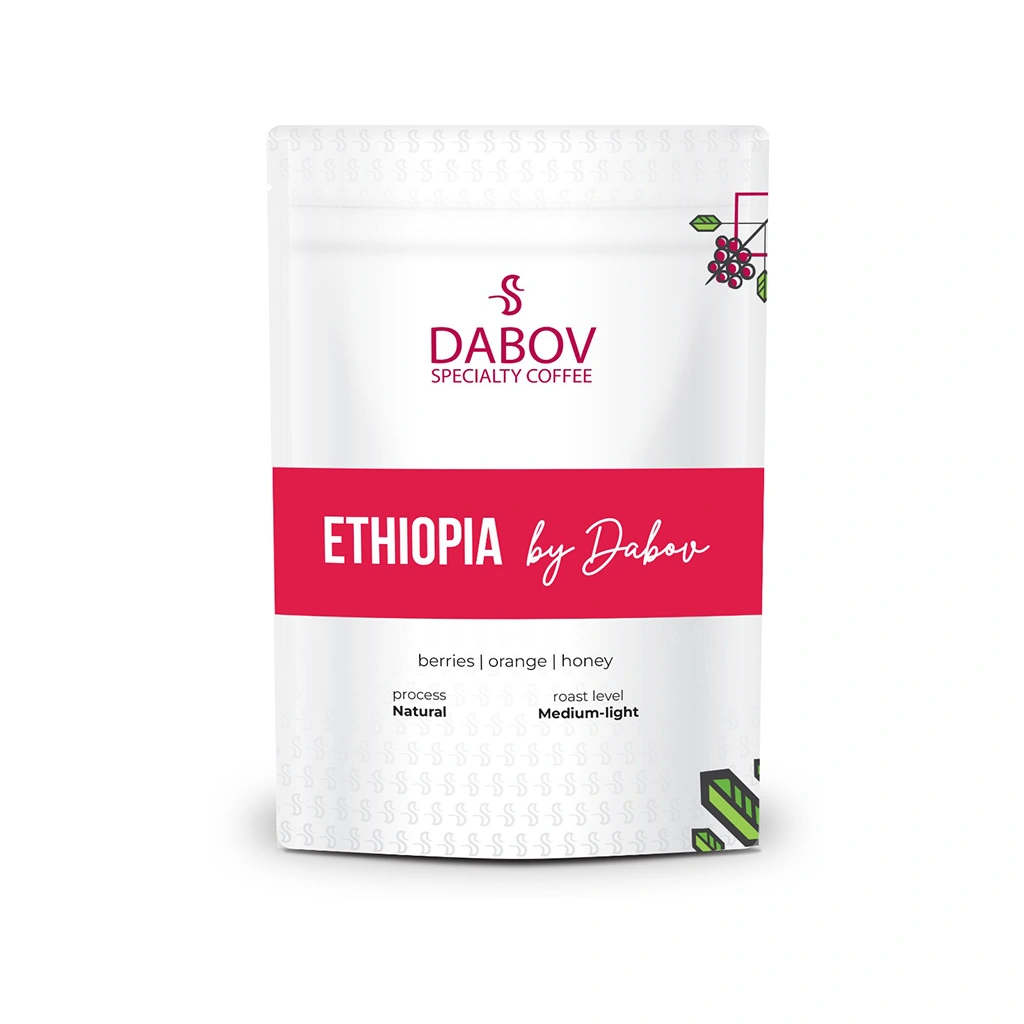
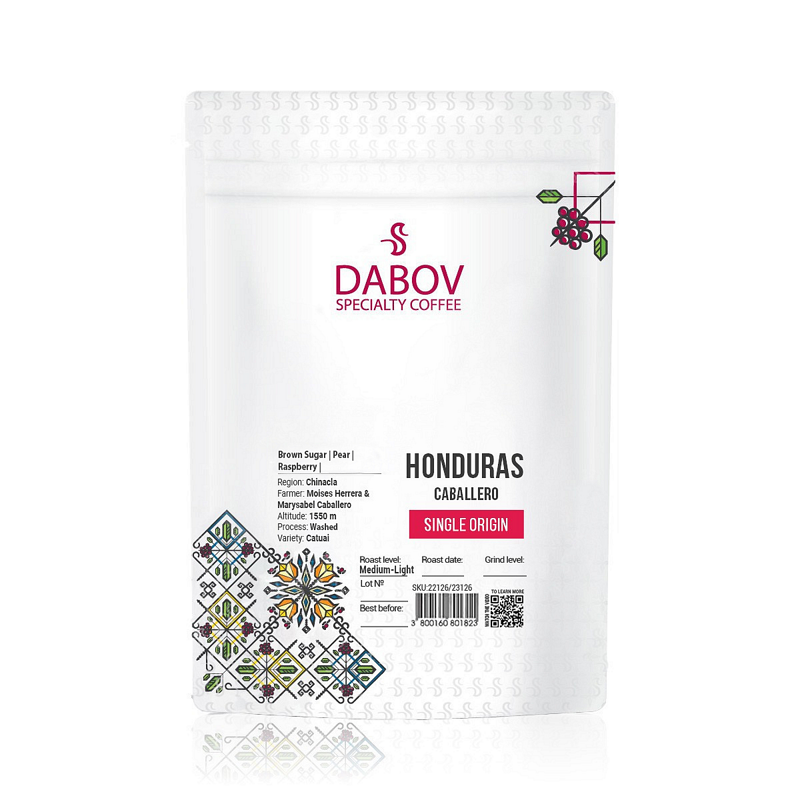
Browse our roasted coffee selection for single-origin offerings across the major origin profiles — each bag notes the growing region, altitude, and processing method so you can connect what you're tasting to what the farmer built.