What is Specialty Coffee?
Specialty coffee, formally defined by the Specialty Coffee Association (SCA), is coffee scoring 80 points or above on a standardized 100-point evaluation scale. This definition matters. It separates premium coffee from commodity coffee not by marketing or brand, but by measurable sensory criteria applied consistently across the global market.
The definition encompasses more than cup quality. Specialty coffee also implies:
- Traceability: The coffee's origin, farm, processing method, and harvest date are documented.
- Quality control: Defects are minimized; beans are graded for size and color uniformity.
- Intentional cultivation: Farmers employ specific practices to develop desired flavor profiles.
- Fair compensation: Direct relationships between roasters and producers replace anonymous commodity trading.
- Transparency: Information flows freely between farmers, importers, roasters, and consumers.
Commodity coffee, by contrast, is typically anonymous, blended from multiple origins, often genetically diverse in varieties, and often sourced through brokers who conceal origin details. Commodity coffee is cheaper because it prioritizes volume and consistency over quality or traceability.
The Specialty Coffee Association (SCA) and Standards
The Specialty Coffee Association, formed in 2017 through the merger of the Specialty Coffee Association of America (SCAA) and the Specialty Coffee Association of Europe (SCAE), is the global authority defining specialty coffee standards.
The SCA's mission is to create a vibrant specialty coffee community and support activities that make specialty coffee a thriving, equitable, and sustainable activity throughout the value chain. To achieve this, the SCA develops and publishes:
Cupping Protocols
The SCA cupping form is a standardized template used to evaluate coffee sensory attributes in a consistent, reproducible manner. A professional cupping involves:
- Fragrance Evaluation: Dry grounds are smelled; initial aroma notes are recorded.
- Breaking the Crust: Hot water is poured over grounds; after 4 minutes, grounds floating on the surface are "broken" with a spoon; the released wet aroma is assessed.
- Tasting and Spitting: The cooled coffee is slurped using a special cupping spoon, spraying it across the palate to ensure contact with all taste receptors. Tasters record flavor notes, acidity intensity, body, balance, and aftertaste.
- Score Calculation: Scores across nine attributes (fragrance, aroma, flavor, aftertaste, acidity, body, balance, uniformity, overall impression) are summed, yielding a 100-point score.
Water Standards
The SCA specifies ideal brewing water composition: specific levels of calcium, magnesium, potassium, sodium, and alkalinity. Water that deviates from these ranges can cause under- or over-extraction, masking true coffee quality. Many specialty roasters use mineral-adjusted water to ensure consistent cupping and brewing results.
Green Coffee Classification
The SCA defines defect categories—visible damage (cracks, discoloration), internal defects (fermentation, fungus), and processing defects (parchment remnants)—and assigns severity scores. Specialty-grade coffee allows only a few permissible defects per sample.
Q Graders: Training and Certification
A Q Grader is a certified coffee professional trained to evaluate and score coffee using SCA protocols. The Q stands for "qualification"—a Q Grader has demonstrated competency in sensory analysis, green coffee grading, roasting, and brewing.
Becoming a Q Grader requires passing multiple exams:
- Green Coffee Grading Exam: Candidates identify visual and tactile defects in samples of green (raw) coffee, grading consistency with SCA standards.
- Cupping Skills Exam: Candidates taste and score coffees, demonstrating ability to identify flavor attributes and assign points consistently with established protocols.
- Sensory Skills Tests: Candidates undergo taste and smell discrimination tests to ensure their sensory acuity meets minimum thresholds.
- Roasting and Brewing Exam: Candidates demonstrate knowledge of roasting profiles, water parameters, and brewing methods.
The program is rigorous. In the SCAA's final years (pre-2017 merger), approximately 30-40% of candidates failed their first attempt at Q Grader certification. Global Q Grader population numbers roughly 15,000-20,000 individuals—a small cadre relative to the millions working in coffee globally.
Q Graders work as:
- Green coffee buyers for importers and roasters, evaluating and purchasing beans at origin
- Quality assurance managers at mills and exporters, ensuring processing consistency
- Roast development specialists, optimizing roast profiles for specific coffees
- Educators, training baristas and consumers on coffee appreciation
Direct Trade vs. Commodity Trading
Commodity coffee flows through a supply chain of brokers, exporters, and importers, each taking margins. The final farmer never meets the roaster; quality, flavor, and origin story are lost in anonymity.
Direct trade, by contrast, establishes relationships between roasters and farmers (or cooperatives). A roaster may visit a farm annually, taste the coffee while still green, negotiate pricing directly, and establish multi-year purchase commitments.
Advantages of Direct Trade
- Pricing: Farmers receive higher prices (often 30-50% above commodity rates) in exchange for consistent quality.
- Feedback: Farmers learn how their coffee tastes in the finished cup, allowing refinement of cultivation and processing.
- Stability: Multi-year contracts provide farmers income certainty, enabling investment in equipment or land.
- Traceability: Every bag can be traced to a specific farm, lot, and harvest, supporting marketing and consumer engagement.
Challenges of Direct Trade
- Scale: A single roaster may purchase only 5-20 tons annually from one farm; very small farms cannot sustain volume.
- Risk: If the roaster's sales decline, the farmer faces sudden loss of a major buyer.
- Complexity: Roasters must manage relationships with dozens of farms; logistics become complicated.
- Certification: Direct trade is not a formal certification; quality verification relies on trust and cupping protocols.
The Processing Difference: From Seed to Green Bean
How coffee is processed after harvest dramatically influences flavor and determines specialty-grade quality.
Washed (Wet) Processing
In washed processing, the coffee cherry's skin and fruit are mechanically removed immediately after harvest. The bean, still covered in mucilage (sticky pulp), ferments in water tanks for 12-72 hours. Fermentation breaks down the mucilage; beans are then thoroughly washed and dried to 11-12% moisture.
Washed coffees taste clean, bright, and accent the bean's inherent characteristics. Acidity is often prominent. Washed processing is the standard in Kenya, Colombia, Central America, and most highland regions.
Natural (Dry) Processing
In natural processing, the entire coffee cherry is dried intact, with the bean inside. Drying occurs on raised beds or patios for 3-4 weeks. As the cherry dries, it ferments around the bean, imparting fruity, wine-like, or fermented flavors.
Natural coffees taste fuller-bodied and sweeter than washed coffees. Acidity is softer. Flavors are more intense—often described as berry, tropical fruit, or wine-like. Natural processing is traditional in Ethiopia and Yemen, and increasingly used in specialty lots from Kenya, Colombia, and Central America to create unique flavor profiles.
Honey (Pulped Natural) Processing
Honey processing removes the cherry skin but leaves some or all of the mucilage on the bean during drying. The amount of mucilage left determines the honey process type:
- White honey: Minimal mucilage (10-25% remaining)
- Yellow honey: Moderate mucilage (50% remaining)
- Red honey: Most mucilage (75% remaining)
- Black honey: All mucilage retained
Honey processing balances washed and natural characteristics, yielding coffees with bright acidity but fuller body and higher sweetness than fully washed coffees.
Terroir and Origin Flavor Profiles
Terroir—the complete environmental context of a coffee's cultivation—influences flavor profoundly. Altitude, soil composition, climate, surrounding vegetation, and local farming practices all leave sensory signatures in the cup.
High-Altitude Flavor Development
At elevations above 1,200 meters (4,000 feet), coffee cherries mature slowly. Extended maturation allows more sugars and organic acids to accumulate in the bean. The result: complex acidity and nuanced sweetness. High-altitude coffees (1,800-2,100 meters) are prized for their flavor clarity.
Soil Influence
Volcanic soils, rich in potassium and trace minerals, tend to produce coffees with pronounced acidity and bright, citrusy notes. Limestone-based soils often correlate with coffees exhibiting chocolate or nut notes. Soil organic matter influences microbial activity during fermentation, affecting flavor development.
Regional Flavor Profiles
| Region | Typical Altitude | Flavor Profile | Processing | Acidity |
|---|---|---|---|---|
| Kenya | 1,600-1,900m | Black currant, grapefruit, wine-like | Washed | Bright |
| Ethiopia | 1,800-2,100m | Blueberry, jasmine, floral | Natural or washed | Bright |
| Colombia | 1,400-1,900m | Chocolate, nuts, caramel, balanced | Washed | Medium |
| Guatemala | 1,600-1,900m | Spice, cocoa, fruit | Washed | Medium |
| Brazil | 600-1,200m | Chocolate, nuts, low acidity | Natural | Low |
| Indonesia | 800-1,600m | Earthy, herbal, full body | Wet-hulled | Low |
From Cupping to Cup: The Roaster's Role
A specialty coffee roaster receives green coffee, tastes it (cupping), and develops a roast profile to highlight its strengths while minimizing weaknesses.
Roasting for Terroir
A light roast preserves the coffee's origin characteristics—bright acidity, fruity notes, floral aromas—making it ideal for high-altitude, washed coffees like Kenyan or Ethiopian lots.
A medium roast balances origin character with roasting flavor development—caramel, sweetness, body—making it suitable for coffees with good but not exceptional acidity.
A dark roast emphasizes roasted flavor (chocolate, bittersweet, smoke) over origin character, often masking flaws. Specialty roasters rarely roast specialty-grade coffees dark, as it defeats the purpose of sourcing high-quality beans.
Storage and Freshness
Roasted coffee begins degassing CO2 immediately; peak flavor occurs 3-14 days post-roast, depending on roast level. Specialty roasters typically date every bag and recommend consuming within 2-4 weeks of roasting. Freshness is critical; 6-month-old roasted coffee, no matter the original quality, will taste stale and flat.
The Barista and Final Expression
Even specialty coffee brewed poorly tastes mediocre. A specialty barista:
- Grinds freshly for each drink (not pre-grinding)
- Measures precisely (18 grams for espresso, adjusted for the shot size and machine)
- Controls water temperature (200-205°F for most methods)
- Brews at the intended time (shots pulled 25-30 seconds for espresso; pour-overs 2.5-4 minutes)
- Cleans equipment daily to prevent rancid oil buildup
These small decisions determine whether specialty coffee tastes like its tasting notes or like generic coffee.
Conclusion: The Transparency Value
Specialty coffee costs more because institutions and standards govern its production. The SCA's protocols ensure consistent evaluation. Q Graders provide expert sensory assessment. Direct trade relationships replace anonymous brokers. Processing is intentional and documented. Roasting is precise. Brewing is skilled.
When you drink an 83-point Kenya AA single-origin pour-over, you are drinking the cumulative benefit of transparent systems designed to preserve quality. That transparency has a price—but the flavor, and the story, justify it.
Frequently Asked Questions
How do I find specialty coffee?
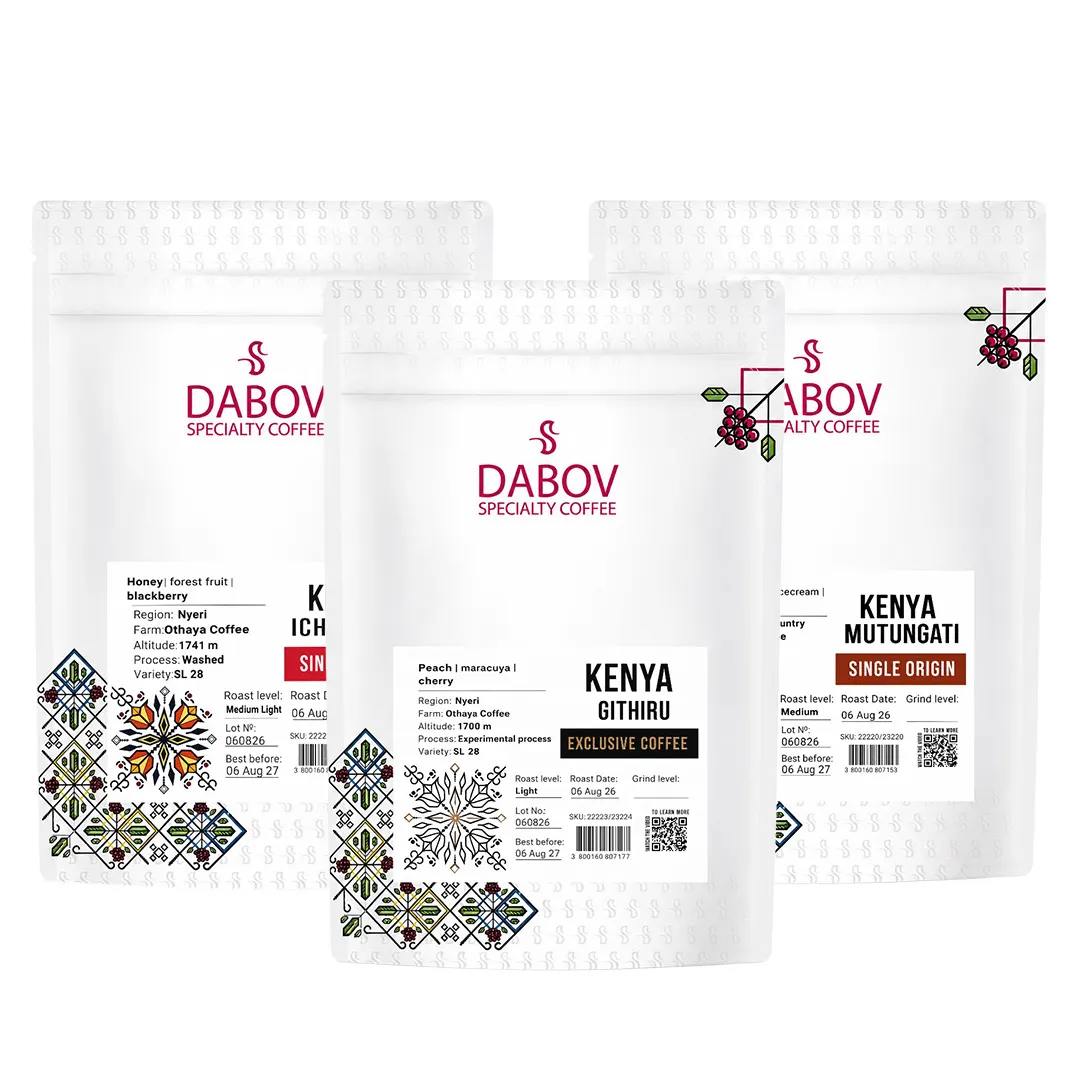
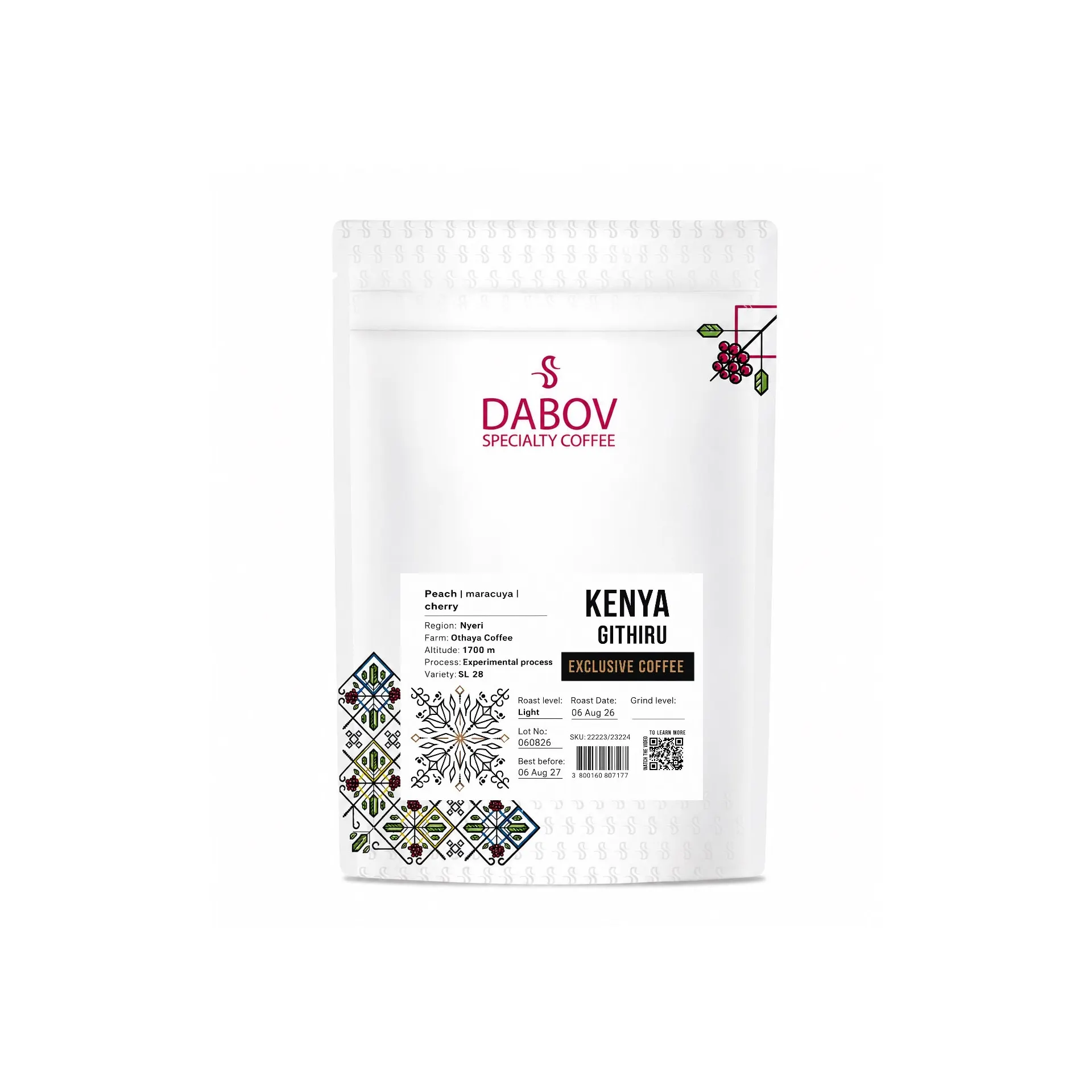
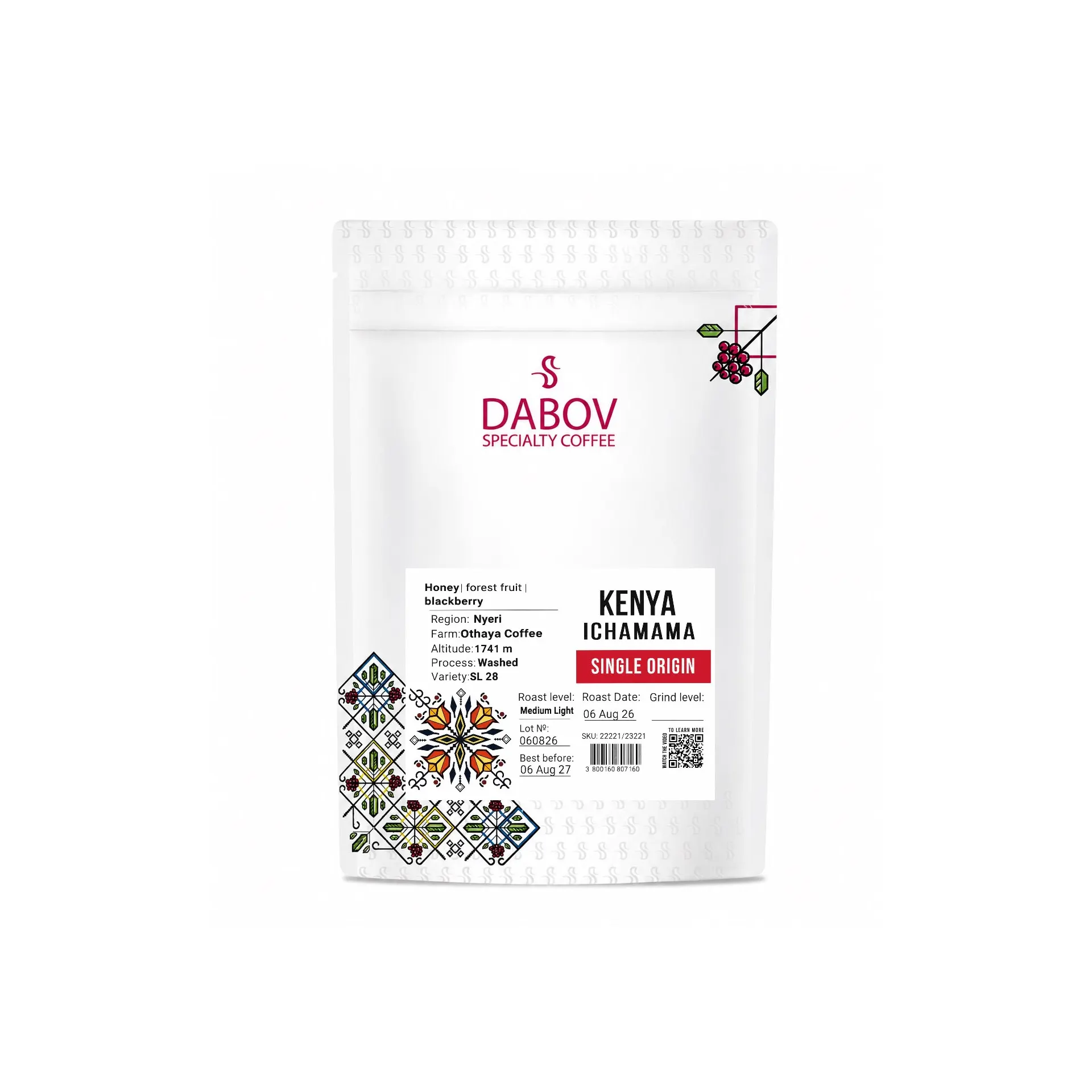
Look for bags with SCA cupping scores (80+), the coffee's origin and farm name, harvest date, roast date, and tasting notes. Specialty roasters typically list all this information prominently. Commodity coffee bags say only "medium roast" or "Colombian blend" without details.
Is specialty coffee worth the price?
Specialty coffee costs $3-8 per pound (green) versus $1.50-2.50 for commodity. At the cafe, specialty pour-overs cost $4-5 versus $2 for drip. The premium reflects higher farmer payments, stricter quality control, and skilled labor. If you taste coffee actively and appreciate nuanced flavors, the price is justified. If you drink coffee habitually without paying attention, commodity coffee is sufficient.
Can I taste the difference between an 82-point and 85-point coffee?
Yes, typically. An 82-point coffee is specialty-grade but may have subtle defects, less balanced acidity/body, or less complex flavor. An 85-point coffee has cleaner sensory profile, more balanced complexity. Side-by-side comparison makes the difference obvious; single cups less so.
Does direct trade really pay farmers more?
Direct trade relationships often result in 30-50% price premiums over commodity, but not always. Some direct trade roasters still negotiate aggressively. Look for roasters publishing their prices and inviting farm visits; transparent roasters tend to pay fairly.