The SCA Definition: A Quantified Threshold
The Specialty Coffee Association defines specialty coffee as coffee that scores 80 points or above on its standardized 100-point cupping scale during a green-coffee evaluation. That scale assesses ten attributes: fragrance/aroma, flavor, aftertaste, acidity, body, balance, uniformity, clean cup, sweetness, and an overall impression score. A Q Grader — a licensed sensory evaluator trained and certified by the Coffee Quality Institute — conducts the evaluation under controlled conditions.
Below 80 points: commercial grade. Above 80: specialty. The line is precise. At 79.75, a lot is commodity coffee regardless of how beautiful the farm's Instagram page looks.
This matters because the score corresponds directly to the physical quality of the green bean. Category 1 defects — full black beans, full sour beans, insect-damaged beans, large foreign matter — disqualify a lot from specialty grading entirely, regardless of cup score. Category 2 defects (partial blacks, partial sours, broken beans) accumulate against the sample and reduce the score.
The SCA scale also distinguishes tiers within specialty itself: a lot scoring 80–84 is "good specialty"; 85–89 is "excellent"; 90 and above is "outstanding." In practice, publicly traded lots above 90 points at Cup of Excellence auction regularly sell at $50–$200+ per pound green — prices that reflect rarity, not marketing.
How Commercial Coffee Is Made (and Why It Tastes That Way)
Commercial coffee — commodity coffee — is traded primarily at the C-market price on the ICE Futures exchange. Buyers purchase large volumes from cooperatives, exporters, or trading houses without specifying farm provenance. The primary purchase criteria are price, volume consistency, and moisture content, not cup quality above a commodity baseline.
The typical commercial coffee supply chain involves these sequential decisions:
- Beans sourced from multiple regions and often multiple countries are blended to hit a consistent, reproducible flavor target year-round.
- Industrial drum or fluid-bed roasters process hundreds of kilograms per batch; roasting curves are automated and optimized for throughput, not flavor development.
- Dark roasting masks variability: at Agtron 30–45 (very dark), pyrolysis-derived flavors — carbon, bitterness, smoky sweetness — homogenize differences in origin and processing. If one batch of Brazilian beans roasts slightly differently from the last, pushing to French roast levels erases the difference. Consistency is achieved by destruction.
- Off-gassing occurs during extended warehouse storage; vacuum sealing or nitrogen-flushing delays but does not stop staling.
- Shelf placement may occur 2–6 months post-roast; roast date rarely appears on packaging because the date would be embarrassing.
This is not inherently inferior for its intended purpose — delivering a consistent, affordable caffeine vehicle at scale. The problem arises when consumers pay specialty-adjacent prices for commodity product, or when dark roasting is used to hide defects rather than express a deliberate flavor preference.
The Specialty Coffee Supply Chain: Traceability as Infrastructure
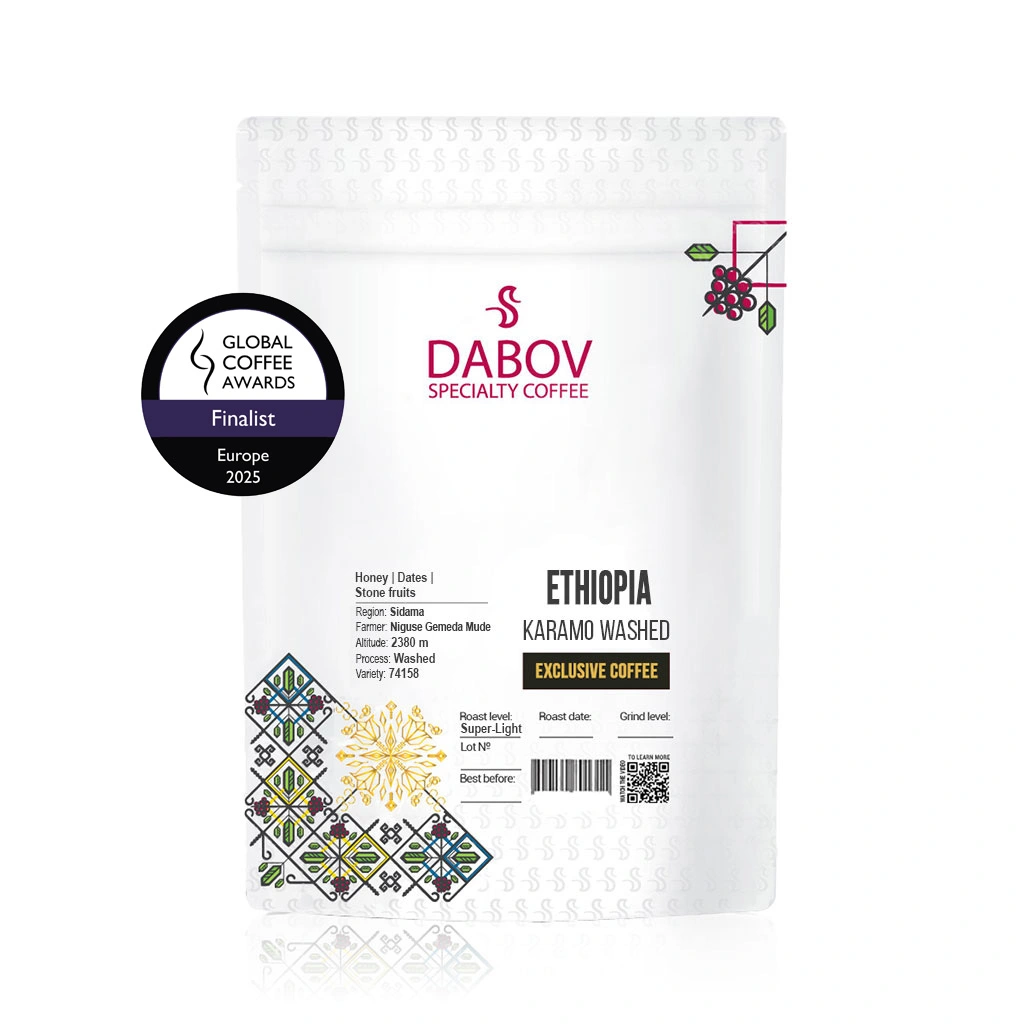
Specialty coffee traces every lot to its source. Minimum traceability in the specialty sector includes country and region; genuine specialty traceability specifies farm, producer name, cultivar, processing method, lot number, and harvest season. Some roasters go further, listing specific fermentation protocols, drying duration, and green coffee moisture content at export.
This traceability is functional, not decorative. It enables quality accountability — if a lot scores 82 this year and 78 next, the roaster can identify whether the problem is at the farm (processing change, harvest timing), during export (moisture exposure, container conditions), or in the roastery (roast profile drift). It enables price negotiation: roasters pay premiums correlated with cupping scores. And it enables producer feedback loops: farmers who receive cupping notes alongside price signals can make targeted improvements to variety selection, fermentation duration, or drying technique.
"Traceability is not a marketing tool. It is the accountability infrastructure that makes specialty premiums defensible and quality improvement at origin economically rational." — World Coffee Research Annual Report
Head-to-Head Comparison
| Dimension | Commercial Coffee | Specialty Coffee |
|---|---|---|
| SCA cupping score | Below 80 | 80+ (specialty threshold) |
| Defect tolerance | Category 1 & 2 defects present | Zero category 1; limited category 2 |
| Sourcing model | Blended lots at C-market price | Single-origin or traceable blend; above C-market |
| Roast philosophy | Consistency via dark roast | Roast to reveal origin; typically lighter |
| Freshness expectation | 6–18 months post-roast acceptable | Sold within 2–8 weeks of roast date |
| Retail price per 250g | $5–$12 | $15–$50+ |
| Farmer compensation (FOB) | C-market (~$1.00–$2.00/lb) | $2.50–$10.00+/lb for premium lots |
| Traceability depth | Country of origin | Farm, producer, cultivar, lot, process, harvest year |
| Brewing recommendation | Works with milk and sugar | Designed to be excellent black |
Roast Philosophy: Light Reveals, Dark Conceals
The roast philosophy differences between commercial and specialty production are philosophical before they are technical.
Commercial roasters aim for a repeatable flavor profile year-round. If the Colombian component of a blend this year tastes slightly different from last year's — because of rainfall variation, harvest timing, or processing differences — darker roasting absorbs that variability. The product tastes consistent because roast-derived flavors overwhelm origin signals. That consistency is a genuine commercial virtue; a diner customer expects the same cup from Monday to Monday.
Specialty roasters approach each origin individually. The question is always: what roast profile maximizes the qualities inherent in this specific lot from this specific harvest? A washed Yirgacheffe with jasmine and lemon verbena character is roasted lightly (Agtron 70–80) to preserve those volatile aromatic compounds, which degrade rapidly above 205 °C. A natural Sumatra with earthy, cedar, and dark berry character might be roasted to a medium profile (Agtron 55–65) to balance body and sweetness without eliminating complexity. Roasting darker than the origin's quality warrants destroys what the farmer and processor worked to create — and cannot be undone.
The lightest specialty roasts often taste surprising on first encounter: bright, acidic, fruit-forward, sometimes tea-like in body. Consumers accustomed to dark commercial coffee interpret this as "weak" or "sour." It is neither — it is simply a different flavor register, one that rewards attentive tasting rather than reflexive addition of milk and sugar.
What Your Palate Will Actually Notice
Tasted side by side without milk or sugar, the differences between commercial dark roast and specialty light-to-medium roast are immediate:
Commercial dark roast: uniform bitterness, smoky-caramel sweetness, dense body, minimal acidity, generic "coffee" aroma. Designed to be palatable with milk and sweetener; often requires them to be pleasant.
Specialty light-to-medium roast: acidity resembling fruit brightness rather than sourness; sweetness reading as caramel, brown sugar, honey, or ripe fruit; body varying from tea-like to syrupy depending on variety and processing; aroma potentially including jasmine, bergamot, dried berry, cocoa, tropical fruit, or cedarwood — all without any additive.
The vocabulary gap between these two experiences is real. Specialty coffee requires palate adjustment if you've only ever drunk commodity coffee. Acidity that initially reads as "sour" becomes "bright" after a few weeks of deliberate tasting. Body that seems "thin" without milk reveals itself as "clean" on its own terms. Most specialty tasters describe the transition as a process of subtraction — removing the expectation of bitterness and heaviness, and discovering what was always there underneath.
Pricing and the Economic Signal You Send
Specialty coffee costs more at every stage of the supply chain. A specialty micro-lot from a small Colombian farm costs more to grow (selective picking, hand processing, raised drying beds), more to export (smaller shipment volumes, GrainPro liner bags, shorter transit times), more to roast (smaller batches, more labor-intensive profile development), and more to package (roast date, origin notes, one-way degassing valves). The $28 price tag on a 250g bag of specialty Gesha reflects a cost structure shaped by quality standards at each stage, not inflated margins.
That cost flows back upstream as a signal. A direct-trade roaster paying $7.00/lb FOB for a 90-point Guatemala micro-lot tells the producer: quality is rewarded. That producer invests in raised drying beds, replants disease-damaged areas with improved cultivars, and pays harvest pickers above the local minimum because the economics support it. Your purchase participates in this feedback loop.
Commercial coffee prices transmit the opposite signal. At $0.90/lb FOB, growing coffee is economically precarious for smallholder farmers. The economics of commodity production push toward volume maximization at minimal cost — lower-quality cultivars, strip picking, accelerated processing that prioritizes throughput over cup quality. The cup reflects those decisions.
Frequently Asked Questions
What makes coffee "specialty grade"?
Specialty grade means a green coffee lot scored 80 or above on the SCA 100-point cupping scale by a certified Q Grader, with zero Category 1 defects in a 350-gram green-coffee sample. The ten scoring attributes include aroma, flavor, aftertaste, acidity, body, balance, uniformity, clean cup, sweetness, and overall impression.
Is specialty coffee always better than commercial coffee?
By the SCA quality definition, yes — specialty coffee has passed a documented quality threshold that commercial coffee has not. Sensorially, "better" is personal: if you strongly prefer a dark, bitter, milk-friendly cup, you may initially prefer commercial dark roast over a light specialty roast. Most specialty tasters find their palate adapts within weeks when given access to genuinely fresh specialty coffee.
Why is specialty coffee more expensive?
Specialty coffee carries higher costs at every supply chain stage: selective hand-picking, small-lot processing, GrainPro export packaging, short shelf timelines, and premium producer contracts all add cost. The price also reflects better compensation to farmers — the economic foundation that makes consistent specialty supply possible over the long term.
What is a Q Grader?
A Q Grader is a certified professional who has passed 22 exams administered by the Coffee Quality Institute, covering sensory acuity, cupping protocol, defect identification, and green-coffee grading. Q Graders are the industry standard for scoring green coffee against the SCA 100-point scale; specialty lots sold with scores were evaluated by one.
How do I find genuinely fresh specialty coffee?
Look for: (1) a roast date on the packaging, not a best-by date; (2) a sourcing description specific enough to include at least country, region, and processing method; (3) a roaster who can tell you when the next harvest of a given lot will arrive. Subscription boxes from specialty roasters often ship within days of roasting, which is the most practical way to access peak-freshness coffee without proximity to a specialty shop.
Conclusion
The distinction between commercial and specialty coffee is not a matter of taste preference or marketing positioning — it is a documented quality threshold backed by a standardized evaluation protocol, a traceable supply chain, and an economic model that either sustains or undermines the producers who grow the coffee. When you choose specialty, you participate in a feedback loop that rewards quality from the cup all the way back to the cherry on the tree.
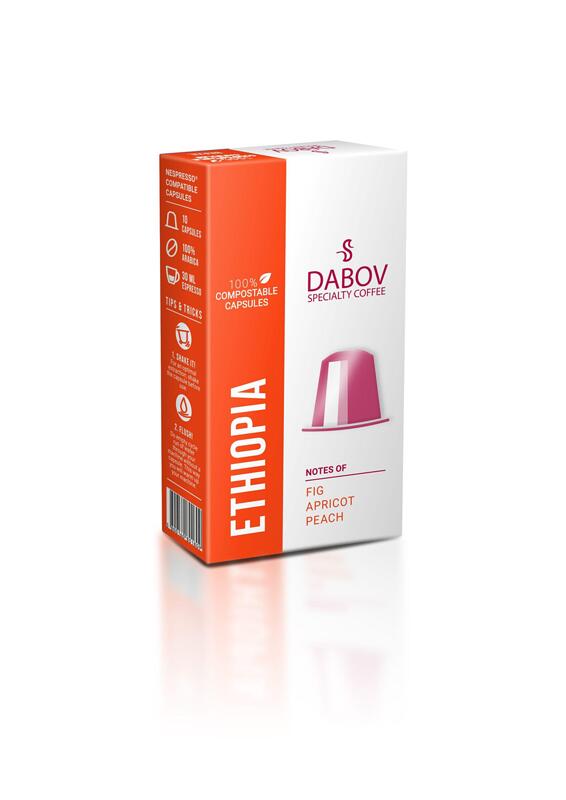
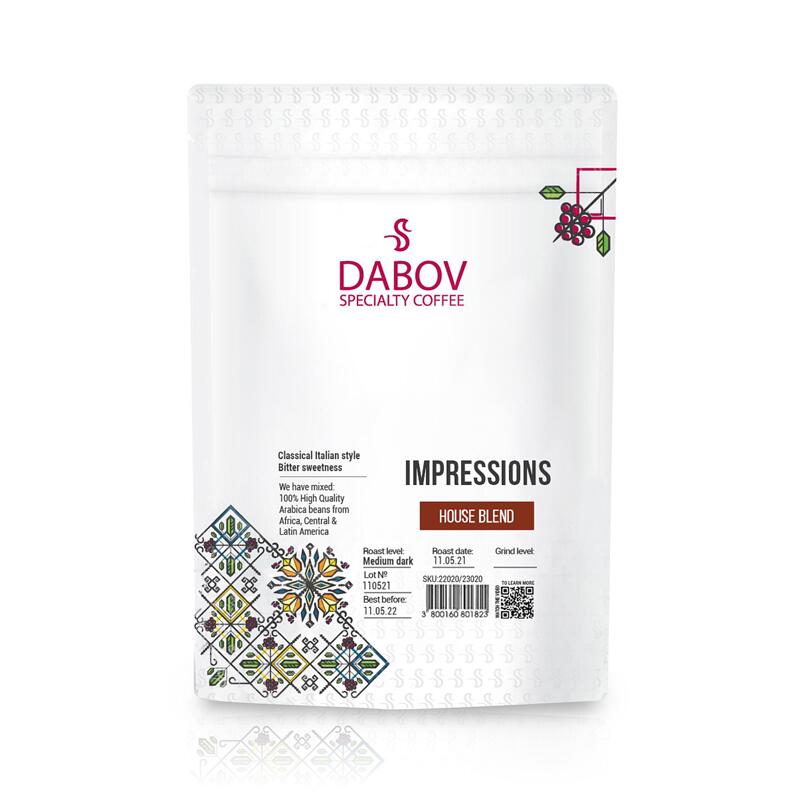
Browse our roasted coffee selection for single-origin lots with full traceability — cupping notes, farm details, processing method, and roast date on every bag.