What Specialty Coffee Actually Means
The Specialty Coffee Association defines specialty coffee as any lot scoring 80 or above on a 100-point cupping scale — assessed by a Q Grader using the SCA cupping protocol across ten attributes including aroma, flavor, aftertaste, acidity, body, balance, uniformity, clean cup, sweetness, and overall impression. That number is not arbitrary. It represents a threshold of quality that requires intentional cultivation, careful post-harvest processing, and skilled roasting to achieve reliably.
The definition matters because "specialty" has become a marketing term as much as a quality designation. A cafe can call itself specialty without sourcing above-80-point lots. A roaster can display SCA membership without following cupping protocols. The underlying discipline — systematic evaluation, transparent sourcing, traceable supply chains — is what separates genuine specialty practice from aesthetic positioning.
The global specialty coffee market was valued at approximately $36 billion in 2020 and is projected to grow at a compound annual rate above 10% through 2028. The growth is driven partly by demographic shift (younger consumers in both producing and consuming countries treating coffee as a culinary category, not a commodity) and partly by market structure (specialty's premiums have made it economically rational for a growing number of farmers and roasters to invest in quality over volume).
The Third Wave in Historical Context
To understand where specialty coffee is heading, it helps to know where it came from. Coffee historians typically divide modern coffee culture into three waves:
- First wave (1960s–1980s): Mass-market coffee as utility beverage. Maxwell House, Folgers, vacuum-sealed cans. Price competition. Robusta blending for cost reduction.
- Second wave (1980s–2000s): Starbucks-led premiumization. Espresso drinks normalized. Dark roast as quality signal. Coffeehouse as third place.
- Third wave (2000s–present): Coffee as artisanal agricultural product. Light roasts to expose origin character. Single-origin and micro-lot sourcing. Brewing precision. Barista as skilled professional.
The third wave is not monolithic. The early 2010s saw an emphasis on pour-over technique and water temperature precision that sometimes felt exclusionary. The mid-2010s brought more accessible formats — nitro cold brew, ready-to-drink specialty, subscription delivery — without sacrificing sourcing standards. The 2020s have introduced a genuine global dimension, with producing-country specialty scenes (Colombia's urban cafe culture, Ethiopia's Addis Ababa coffee bars, Taiwan's independent roasters) generating their own aesthetic vocabulary.
SCA cupping protocols standardised
World Barista Championship reaches new audiences
Pour-over spreads from Japan worldwide
Cold brew goes mainstream in the US
SCA Asia-Pacific expansion accelerates
Competition circuit showcases experimental processing
Local specialty consumption rivals export demand
Brewing Technology: Where Precision Has Arrived
The third wave's commitment to precision has driven genuine hardware innovation. The tools available to a serious home brewer or cafe barista today are categorically more capable than those of 2005.
Espresso: The Decent Espresso DE1PRO allows baristas to program and replay pressure profiles, real-time flow rates, and water temperature across a 40-second pull. Each extraction parameter is graphed; divergence from target is visible. At the commercial level, the Modbar under-counter system removes the espresso machine from the customer-facing counter entirely, reducing visual clutter while maintaining full pressure and temperature control. Both represent a shift from craft intuition toward repeatable process.
Pour-over and filter: Automatic pour-over machines like the Breville Precision Brewer (BCA home) and the Marco SP9 (commercial) replicate the bloom, pour volume, and temperature curve of manual brewing with sub-degree precision. For cafes serving high volumes, this removes human technique variance without sacrificing quality.
Grinding: The move from stepped to stepless adjustment in burr grinders (Baratza Sette, Fellow Ode Gen 2, EK43S) has allowed cafes to dial dialing accuracy within 0.1g of dose. Weight-based dosing — where the grinder stops at a target output weight rather than a time setting — has reduced shot-to-shot variance significantly in high-volume espresso bars.
| Equipment Category | Key Innovation | Primary Benefit |
|---|---|---|
| Decent DE1PRO (espresso) | Programmable pressure profiling | Repeatable extraction at any pressure curve |
| Modbar under-counter | Hidden group head, separate boiler | Full pressure control without counter clutter |
| Acaia Pearl scale | Bluetooth, real-time flow display | Brewing ratio accuracy to 0.1g |
| Fellow Stagg EKG kettle | ±1°C temperature hold, variable pour | Consistent water temperature across full pour |
| Marco SP9 batch brewer | Programmable bloom + pour sequence | Pour-over consistency at cafe volume |
| EK43S grinder | Wide burr, uniform particle distribution | Filter and espresso from one grinder |
Single-Origin and Micro-Lot Sourcing
Single-origin coffee — beans traceable to one country, region, farm, or cooperative — was the defining commercial innovation of the third wave. It transformed coffee from an anonymous blended product into one with a named place and often a named farmer or producer.
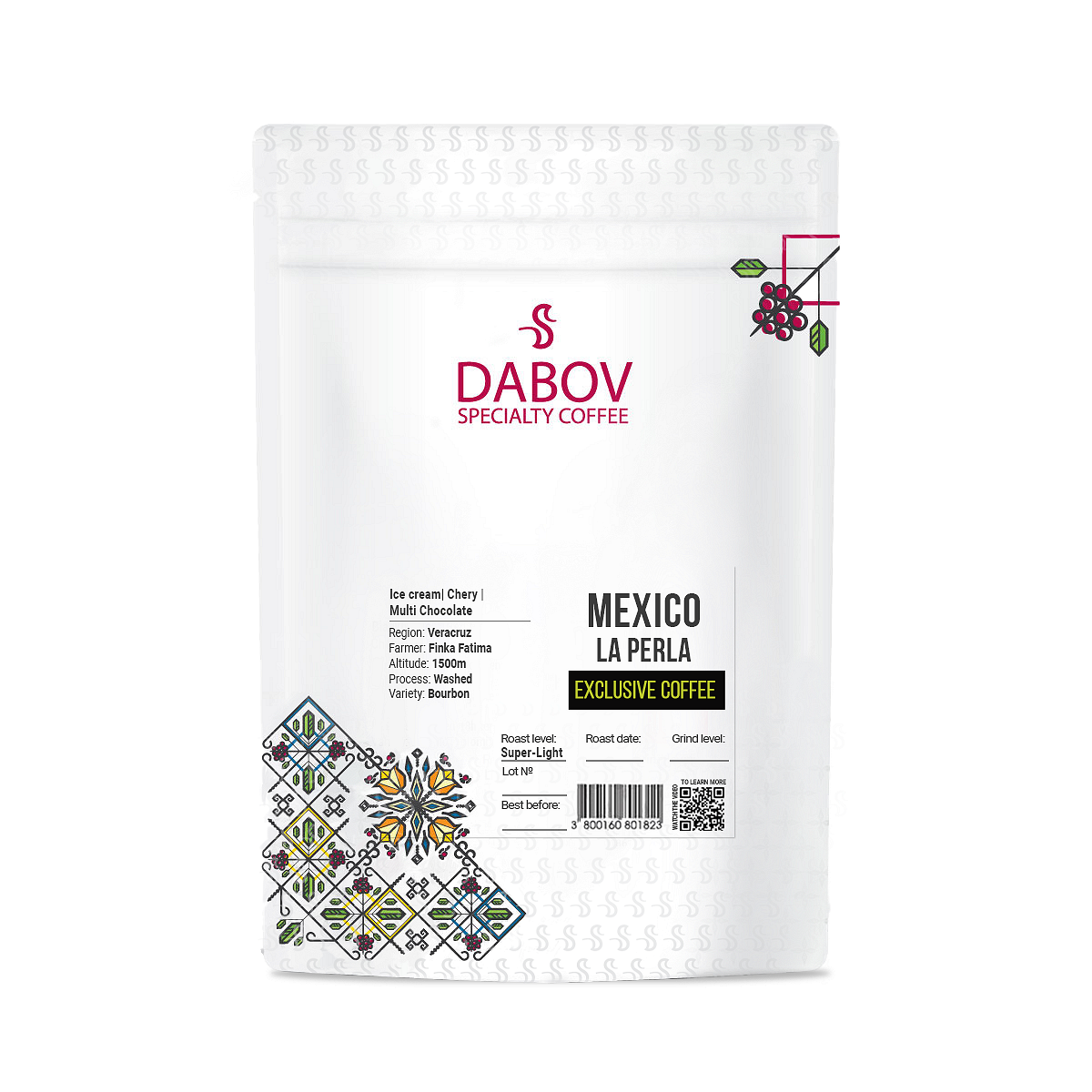
The sourcing model has grown more granular. "Kenya" became "Kenya AA," then "Kenya Kirinyaga," then "Kamwangi Cooperative," then "Lot #5, Natural Process, Batian variety, 1800m." Each step of specificity represents a finer filter in the supply chain: a buyer selecting not just for country quality level but for a specific lot with particular sensory attributes and a known producer relationship.
Micro-lot sourcing — buying the output of a single picking day, a single fermentation tank, or a single farm section — is now standard practice among leading specialty importers. Direct Coffee, Cafe Imports, Onyx Coffee Lab's green buying arm, and Nordic Approach all publish green lot descriptions with full traceability. For roasters who buy through these importers, the information necessary to tell the coffee's story to their customers already exists in the supply chain.
Health, Functional, and Wellness Coffee
The specialty coffee industry has run parallel to the health and wellness industry for the past decade, and the intersection is growing commercially significant. Several distinct trends operate simultaneously:
Low-acid coffees: Cold brew, specifically the 12–24 hour immersion process in cold water, produces coffee with measurably lower titratable acidity than hot-brewed equivalents. Several roasters now offer specific low-acid designations for consumers managing GERD or other acid-related issues.
Adaptogenic additions: Mushroom coffees combining instant or concentrated espresso with reishi, lion's mane, or chaga extracts have moved from niche health-food stores to mainstream grocery. Four Sigmatic — the Finnish brand that mainstreamed the category — reported $60M in revenue in 2020 on the back of this single innovation.
Precision caffeine: Awareness of individual caffeine metabolism differences (driven by CYP1A2 gene variation) is creating consumer interest in coffees with measured and labeled caffeine content. This is already technically possible: gas chromatography caffeine testing is routine in food science. What remains is supply chain integration to make per-bag caffeine labeling standard rather than exceptional.
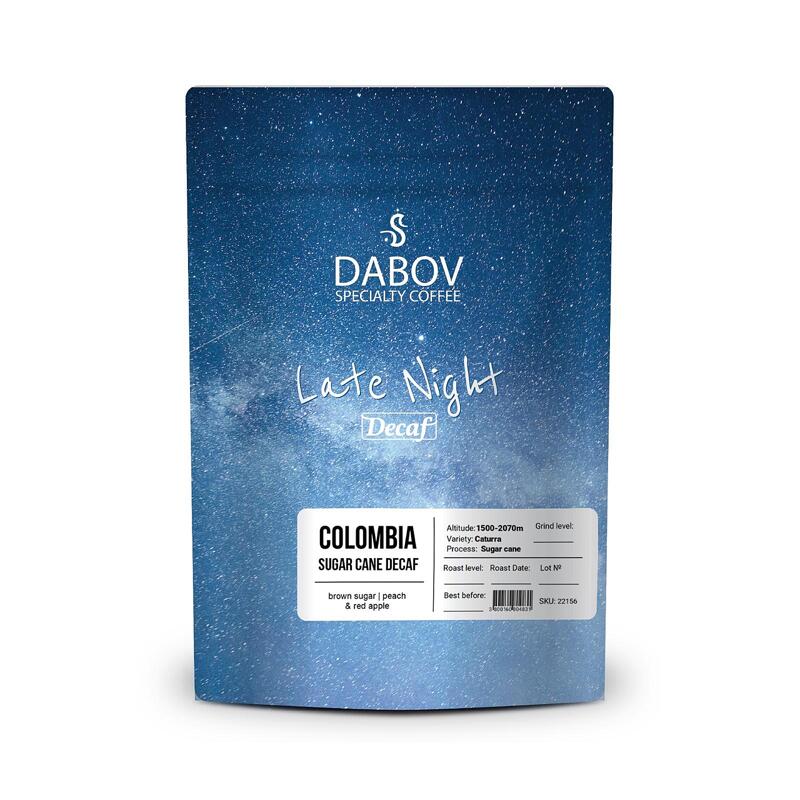
High-quality decaf: Natural decaffeination processes — Swiss Water Process, ethyl acetate from sugar cane, supercritical CO2 extraction — have improved significantly. The old assumption that decaf is necessarily inferior applies less to lots processed with modern techniques, especially when applied to high-scoring green coffees. The market for genuinely good decaf is growing.
Personalization and Digital Platforms
Specialty coffee has built a digital distribution infrastructure that matches its sourcing infrastructure in sophistication. Subscription delivery — where a roaster ships freshly roasted beans on a recurring schedule, often personalized to flavor preference — has become a standard revenue model for independent roasters. Platforms like Trade Coffee and Atlas Coffee Club act as taste-matching curators, connecting consumers with roasters whose profiles match their stated preferences.
The data layer is becoming richer. Acaia's app ecosystem records brewing parameters across sessions; some smart espresso machines log extraction data that users can compare across different beans or dialing iterations. For the precision-oriented home brewer, this creates a feedback loop that accelerates learning. For brands, it creates first-party data about customer preferences at a granularity that traditional retail never provided.
Virtual origin visits — 360-degree farm videos, producer Q&A sessions streamed over Zoom, and behind-the-scenes roastery access — have become part of how specialty brands maintain emotional connection with subscribers between shipments. They are marketing, but they are also genuine education: a consumer who has "visited" a Yirgacheffe cooperative on video has more context for what they're tasting in the cup.
What the Next Five Years Look Like
Several trends that are currently at the experimental edge of specialty coffee are likely to become mainstream by 2030:
Producing-country specialty markets will continue to grow in sophistication. Brazil, Colombia, Ethiopia, and Rwanda all have vibrant domestic specialty cafe scenes that are beginning to influence global aesthetic preferences — not just supply. What Addis Ababa's specialty baristas define as excellent Ethiopian coffee will eventually inform how those coffees are positioned in importing markets.
Carbon and environmental data on green lots will move from voluntary to expected. Several importers are already piloting per-lot carbon footprint reporting using on-farm measurement tools. As scope 3 reporting requirements expand for large roasters and retailers, demand for verified origin environmental data will pull this from early adopters to standard practice.
Cultivar specificity will increase at the retail level. As more farms segregate lots by variety and as roasters compete on the specificity of their storytelling, consumers will increasingly expect to know not just where their coffee came from but which plant grew it.
Frequently Asked Questions
What score makes a coffee "specialty"?
The Specialty Coffee Association's threshold is 80 points on a 100-point cupping scale. Coffees scoring 80–84 are "very good specialty"; 85–89 are "excellent specialty"; 90+ are "outstanding." The score is assigned by a Q Grader using standardized SCA cupping protocol.
What is a Q Grader?
A Q Grader is a coffee professional certified by the Coffee Quality Institute who has passed a set of rigorous sensory examinations covering cupping calibration, triangulation, sensory skills, and green coffee grading. The certification is valid for three years before recertification is required.
Is light-roast coffee always better in specialty?
Light roasting preserves origin character — the varietal and terroir flavors that developed during cultivation — that darker roasts cover with pyrazines and caramel compounds. For single-origin coffees with distinctive flavor profiles, light roasting is the preferred approach. For espresso blending and certain origin profiles (Brazilian natural, Sumatran), medium roasts often produce better balance. "Light" is a means to an end, not a value judgment.
How is specialty coffee different from premium commercial coffee?
The distinction is traceable quality standards and independent evaluation. Specialty coffee lots are cupped and scored before purchase; quality is documented at origin, at import, and often at roasting. Premium commercial coffee may be excellent but lacks the traceability and independent evaluation that allow buyers to make informed comparisons. The price difference reflects sourcing infrastructure, not just marketing.
Conclusion
Specialty coffee has matured from a niche movement into a global industry with its own standards, infrastructure, and aesthetic traditions. The tools are better, the sourcing is more traceable, the producing-country scenes are more sophisticated, and the consumer base is more knowledgeable than at any point in specialty coffee's history.
What remains unresolved — and what will define the next decade — is whether the industry can close the gap between the quality story it tells at the retail end and the economic reality it creates at the farm end. Third-wave craft and ethical sourcing were always meant to be the same project. Getting there requires the precision that specialty brought to extraction applied with equal discipline to pricing, climate adaptation, and supply chain accountability.
Explore our specialty coffee range — each lot selected by cup score and sourced with published origin information.