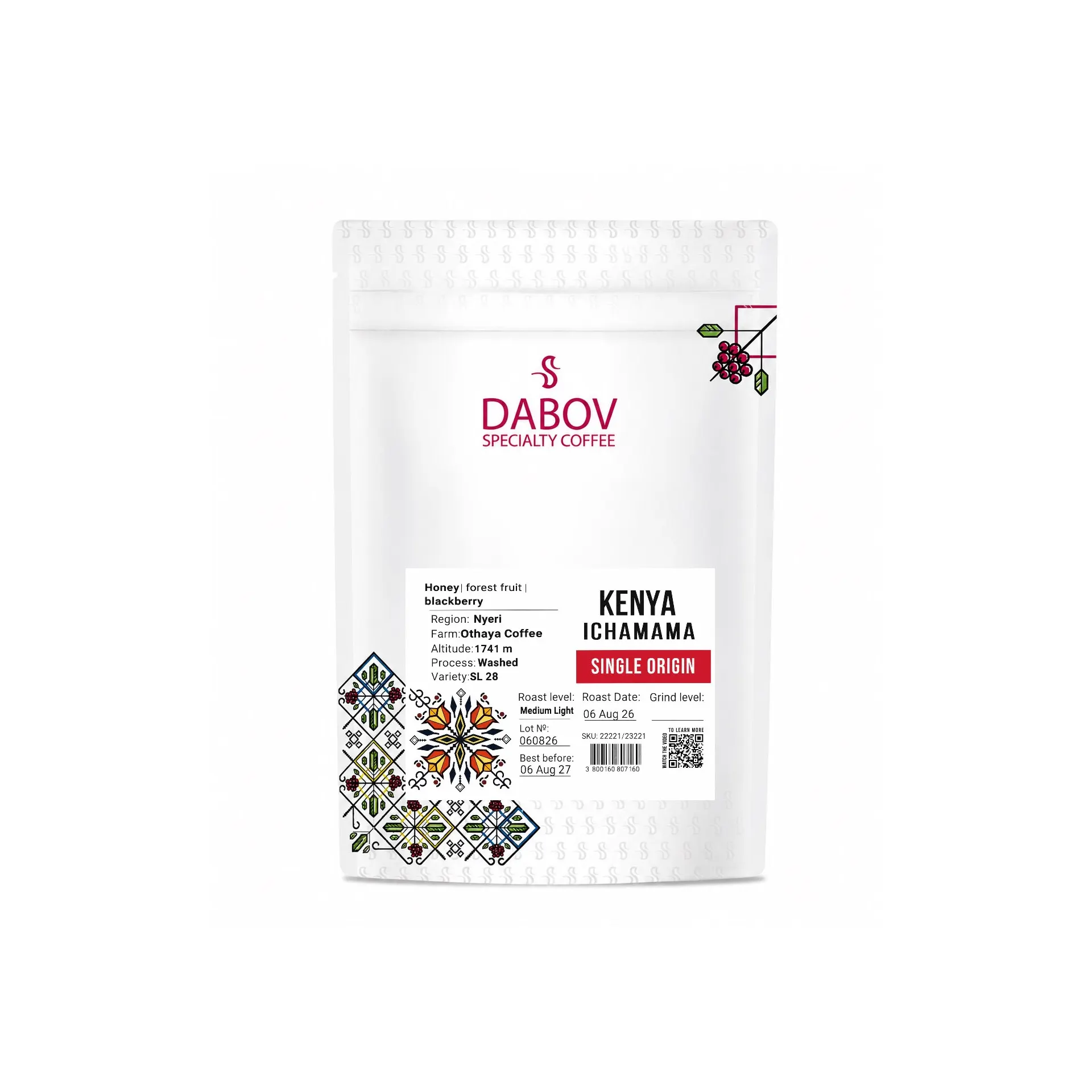


What Coffee Fermentation Actually Is
Fermentation in coffee occurs during post-harvest processing when naturally occurring microorganisms — primarily yeasts and bacteria — metabolize the sugars in the coffee cherry's mucilage layer. The mucilage is a thick, pectin-rich coating that surrounds the green bean inside the cherry, and it must be removed (or allowed to dry off the bean) before the coffee can be milled and exported. Fermentation accomplishes this removal while simultaneously generating organic acids, alcohols, and aromatic compounds that migrate into the bean and survive into the cup.
The primary sugars involved are glucose, fructose, and sucrose. As yeasts break these down through glycolysis, they produce ethanol and carbon dioxide. Lactic acid bacteria take a different metabolic path, producing lactic acid. Acetic acid bacteria, if oxygen is present, oxidize ethanol into acetic acid. The specific blend of these products — and their relative concentrations — determines the fermentation's contribution to flavor.
Fermentation cannot be avoided in coffee processing — even dry natural processing involves fermentation occurring inside the intact drying cherry. The producer's choice is not whether to ferment but how much control to exercise over when, where, and under what conditions it happens.
The Four Major Processing Methods
Processing methods differ primarily in how much cherry material surrounds the bean during fermentation and drying, and how much producer intervention guides the process.
Washed (Wet) Processing
In washed processing, coffee cherries are depulped immediately after harvest — a machine removes the outer skin and most of the pulp, leaving the bean covered in mucilage. The mucilage-covered beans are then placed in fermentation tanks (concrete or plastic) filled with water, where they ferment for 12–36 hours depending on altitude, temperature, and target flavor profile.
The fermentation here is aerobic at the surface and increasingly anaerobic as depth increases. Producers monitor completion by touch — when the mucilage slips off the bean cleanly, fermentation is done. Under-fermentation leaves residual mucilage that can produce fermented or "potato" defects; over-fermentation produces vinegar and rot notes.
After fermentation, the beans are washed thoroughly to remove all fermentation by-products, then dried on raised beds or patios to a target moisture content of 10–12%.
Cup character: Washed coffees express origin and variety most directly. Without the fruit sugars of the surrounding mucilage influencing the bean, the cup reflects the bean's inherent chemistry — acidity, mineral character, and varietal aromatics. Ethiopia Yirgacheffe washed coffees are the canonical example: clean, floral, with lemon-citrus acidity and a tea-like body.
Natural (Dry) Processing
In natural processing, harvested cherries are spread whole on drying beds with the skin, pulp, and mucilage intact. Fermentation occurs inside the drying cherry over several weeks as wild yeasts and bacteria work through the fruit sugars. The process requires regular turning to prevent mold and ensure even drying.
Because the bean is in contact with fermenting fruit solids for weeks rather than hours, it absorbs significantly more fruit-derived compounds. The result is typically a heavier-bodied cup with pronounced sweetness and fruit character — blueberry, strawberry, and tropical notes are common — and lower perceived acidity.
Cup character: Natural coffees from Ethiopia (especially Sidamo and Harrar) showcase the method at its most dramatic: intense fruit, wine-like complexity, and a syrupy body. When done carefully, naturals can achieve remarkable sweetness and complexity. Done carelessly, they produce fermented funk and defects. The margin for error is narrower than in washed processing.
Honey Processing
Honey processing is the bridge between washed and natural. Cherries are depulped but the mucilage is left on the bean in varying amounts before drying. The classification system is based on the percentage of mucilage retained:
- White honey: ~10% mucilage retained — closest to washed character
- Yellow honey: ~25–50% retained — some added sweetness
- Red honey: ~75% retained — fuller body, more fruit influence
- Black honey: ~90–100% retained — closest to natural character
The drying time increases with mucilage level, as the sticky coating slows moisture loss. Honey-processed coffees from Costa Rica, El Salvador, and Colombia have become signature offerings at specialty roasters for their balance: the clarity and acidity of washed coffees with added sweetness and body.
Cup character: Honey coffees tend toward stone fruit, peach, and apricot notes, with a sweetness that reads as caramelized or syrupy rather than the direct fruit-forward sweetness of naturals.
Anaerobic Fermentation
Anaerobic fermentation is the most recent major innovation in coffee processing and borrows conceptually from natural winemaking. Coffee cherries or depulped beans are sealed in airtight containers — typically stainless steel tanks or thick plastic vessels — and allowed to ferment without oxygen. The oxygen-free environment shifts the microbial population toward organisms that thrive anaerobically, primarily heterofermentative lactic acid bacteria and certain yeast strains that produce distinct secondary metabolites.
The results are often polarizing. Anaerobic coffees can exhibit intense tropical fruit, passionfruit, or wine-like profiles that have no precedent in traditionally processed coffees. Extended anaerobic periods (72 hours or longer at controlled temperatures) can produce what cuppers describe as boozy, funky, or cheese-adjacent notes — highly valued by some, off-putting to others.
Carbonic maceration, a specific anaerobic variant borrowed directly from Burgundy winemaking, places whole cherries in tanks flooded with CO2. The CO2 environment triggers intracellular fermentation within the intact cherry before the fruit breaks down, producing distinctive bright fruit and fermented wine notes.
Fermentation's Chemical Contributions to Flavor
Fermentation does not just modify the exterior of the bean — the compounds produced migrate into the bean's cellular structure during processing and survive roasting in modified forms.
Organic acids produced during fermentation (lactic, acetic, citric, malic) contribute directly to perceived acidity and brightness in the cup. Lactic acid produces a soft, round acidity; acetic acid at controlled levels adds a slight vinegar-like brightness; citric acid produces a sharper, more citrus-forward acidity. The balance between these acids is one of the most important determinants of the cup's overall character.
Aromatic precursors. Esters — formed when fermentation-produced alcohols react with organic acids — are responsible for fruity and floral aromas in the cup. Ethyl acetate (pear/apple) and isoamyl acetate (banana) are among the most recognizable. The specific ester blend is driven by which yeast and bacterial strains dominate the fermentation.
Sugar modification. Fermentation consumes some of the sugars that would otherwise be available for Maillard reactions during roasting, which is why heavily fermented coffees can sometimes taste less sweet in a roasted-caramel sense and more sweet in a fruit-forward sense.
Microbiology: Who Is Doing the Work
Spontaneous fermentation in coffee involves a succession of microbial populations. In the first hours, fast-growing, sugar-tolerant yeasts (including Saccharomyces cerevisiae and Pichia kluyveri) dominate and drive rapid sugar breakdown. As pH drops due to acid accumulation, lactic acid bacteria (Lactobacillus, Leuconostoc) become dominant. If oxygen is present, acetic acid bacteria (Acetobacter, Gluconobacter) can convert ethanol to acetic acid.
Producers working with inoculated fermentation introduce specific strains rather than relying on the natural succession. This allows more consistent outcomes — a roaster can describe a coffee as "inoculated with Saccharomyces cerevisiae IWBT Y1082" and a buyer can reasonably predict the flavor contribution. Terroir-driven fermentation starters — where producers isolate and propagate native strains from their own successful fermentations — represent a middle ground: local microbial character with some added consistency.
Controlling Fermentation Quality
The most common defects in fermented coffees — vinegar, rot, over-ripe fruit, "potato" defect — all originate in fermentation that exceeded its optimal endpoint or occurred under conditions that favored the wrong microbial populations.
Key control variables:
- Temperature: Higher temperatures accelerate fermentation and increase risk of off-flavors. Most high-quality washed fermentations target 18–25°C.
- Duration: Traditional washed fermentation: 12–36 hours. Honey drying: 1–3 weeks. Anaerobic: 48–120+ hours depending on target intensity.
- Oxygen: Aerobic conditions favor acetic acid bacteria; anaerobic conditions favor lactic acid bacteria and produce different aromatic profiles.
- Cherry quality: Fermentation quality begins at harvest. Unripe cherries contain less sugar and different acid profiles; damaged or overripe cherries introduce pathogenic bacteria that produce off-flavors.
- Water quality: For washed processing, clean water prevents contamination. Some producers use controlled-chemistry water to influence fermentation direction.
| Method | Oxygen Exposure | Typical Duration | Primary Acids | Cup Character |
|---|---|---|---|---|
| Washed | Aerobic | 12–36 hours | Citric, lactic | Clean, bright, origin-forward |
| Natural | Variable (internal) | 3–6 weeks | Acetic, lactic | Fruit-forward, heavy, sweet |
| Yellow honey | Partial | 1–2 weeks | Lactic, citric | Balanced, stone fruit |
| Black honey | Partial | 2–4 weeks | Lactic, acetic | Near-natural sweetness and body |
| Anaerobic washed | None | 48–96+ hours | Lactic dominant | Intense, tropical, wine-like |
| Carbonic maceration | None (CO2) | 24–72 hours | Lactic, fruity esters | Bright fruit, wine, floral |
Frequently Asked Questions
Does fermentation affect caffeine content?
No. Caffeine is stable across typical fermentation conditions and temperatures. Processing method does not change the caffeine content of the finished coffee — that is determined by variety (Arabica vs. Robusta) and roast degree (lighter roasts retain marginally more caffeine than dark roasts, though the difference is small).
Why does the same origin taste different when processed differently?
Processing method determines how much fermentation-derived chemistry is embedded in the bean before roasting. A washed Ethiopian Yirgacheffe expresses the variety's inherent floral and citrus character; a natural from the same region, same farm, can taste like blueberry and dark fruit because fermentation-produced esters and fruit-sugar metabolites have absorbed into the bean during drying. The variety is the same; the chemical composition of the roasted bean is significantly different.
Are anaerobic coffees better than washed coffees?
They are different, not better. Anaerobic coffees can achieve stunning complexity and intensity; they can also produce overwhelming fermentation notes that obscure origin character entirely. The best washed coffees from Ethiopia, Kenya, or Colombia express terroir with a clarity that anaerobic processing can mask. The question is what you want the coffee to taste like, not which process is superior.
How do I tell if a coffee has fermentation defects?
Fermentation defects are recognizable: vinegar or acetic sharpness, rotting fruit, onion or vegetable notes ("Rio taint"), or an astringent, drying finish. None of these should be present in specialty-grade coffee. If a natural coffee tastes boozy in an unpleasant way rather than in a rich, wine-like way, fermentation was poorly controlled.
Is inoculated fermentation allowed in specialty coffee competitions?
Yes, with disclosure. The SCA and Cup of Excellence programs require producers to disclose processing methods including fermentation type. Inoculated fermentation is permitted and increasingly common, particularly in competitions where innovative processing has become a competitive factor.
Conclusion
Fermentation is where coffee's flavor potential is either realized or squandered. The right microbial environment, controlled duration, and appropriate oxygen exposure can transform even a middling variety into a remarkable cup; poor fermentation management can ruin a Geisha. Understanding the four major processing methods — and the anaerobic innovations layered on top of them — equips you to read a coffee label as functional information rather than marketing language.
For producers, the frontier lies in precision: inoculated strains, temperature-controlled tanks, real-time pH monitoring. For consumers and roasters, it lies in asking better questions: not just where the coffee is from, but how it was fermented, for how long, and under what conditions. That specificity is how specialty coffee becomes traceable all the way from drying bed to cup. Browse our roasted coffee selection and look for the processing notes on every bag.