What the Science Says Before You Taste
Arabica (Coffea arabica) and Robusta (Coffea canephora) are not interchangeable commodities that happen to carry different labels. They are genetically distinct species with different chemistry, and that chemistry determines what you taste in the cup. Understanding the differences before reaching for a bag makes you a smarter buyer and a more discerning drinker.
The global split: Arabica accounts for approximately 60-70% of production; Robusta covers the remaining 30-40%. Arabica dominates specialty coffee. Robusta dominates instant coffee, commercial espresso blends, and the Vietnamese coffee market. The choice between them is rarely pure preference - it is also a question of context, preparation, and what role you want caffeine to play in your daily cup.
Key Differences: A Species-Level Comparison
| Characteristic | Arabica | Robusta |
|---|---|---|
| Caffeine content | 1.2-1.5% | 2.2-2.7% |
| Lipid content | ~16% | ~10% |
| Sugar content | ~8% | ~4% |
| Chlorogenic acid | ~7% | ~10% |
| Optimal altitude | 900-2,000m | Sea level-900m |
| Bean shape | Elongated, curved crease | Rounder, straight crease |
| Acidity | Higher, complex | Lower, flat |
| Typical flavor | Fruit, floral, sweet, complex | Earthy, woody, bold |
| Disease resistance | Low | High |
| Global market price | Premium | Commodity |
Why Chemistry Matters for Flavor
Three chemical categories explain most of the flavor difference between the species.
Lipids (fats): Arabica contains nearly 60% more lipids than Robusta. Lipids carry fat-soluble aromatic compounds and contribute to mouthfeel. They explain why a well-extracted Arabica has a smooth, silky texture. Lipids also produce crema in espresso - Arabica gives finer, more stable crema; Robusta produces coarser but more persistent crema, which is why traditional Italian espresso blends include 10-30% Robusta to achieve the thick, lasting foam that Italian cafe culture prizes.
Sugars: Arabica's higher sugar content drives more Maillard reaction products during roasting - caramelized sweetness, complex organic acids, and the fruit-forward aromatic notes that specialty coffee prizes. Robusta's lower sugar content produces fewer of these compounds and more of the harsh, green-pepper-like notes associated with commercial coffee blends that rely on dark roasting to mask defects.
Chlorogenic acids: Robusta contains higher chlorogenic acid levels (~10% vs ~7% in Arabica). These compounds are astringent and bitter when not balanced by sweetness. At lower roast temperatures they produce vegetal off-notes; at higher temperatures they degrade into phenolic compounds. Robusta therefore benefits from darker roasting, but darkness erases any delicate origin flavor in exchange for reducing bitterness.
Arabica's Flavor World: Origin and the Bean Belt
Arabica is not one taste - it is thousands. The species encompasses hundreds of distinct varieties (cultivars) grown across dozens of countries in the Bean Belt - the equatorial band between the Tropics of Cancer and Capricorn where elevation, rainfall, and temperature converge to produce optimal growing conditions. Within this belt, altitude functions as a natural refrigerant, slowing cherry maturation and concentrating sugars and acids. A single cultivar planted in two different countries, or even two different elevations in the same country, produces recognizably different cups.
Key flavor categories across major Arabica origins:
- Ethiopian Yirgacheffe (washed): Jasmine, bergamot, lemon, light body, tea-like clarity - the paradigm case for delicate washed Arabica
- Ethiopian Harrar (natural): Blueberry, wine, dark chocolate, fermented fruit - intense and polarizing, beloved by natural-process fans
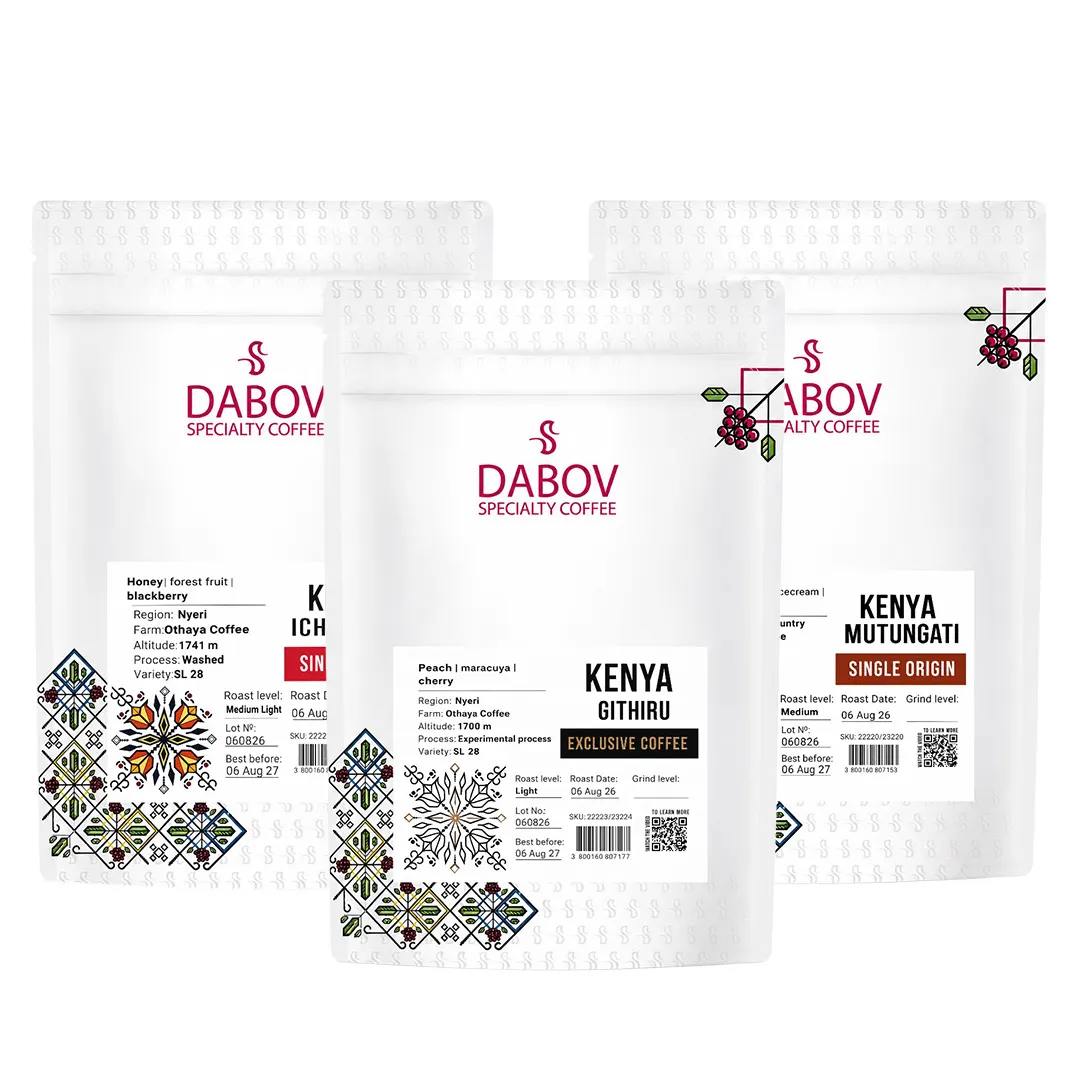
- Kenyan SL-28: Blackcurrant, grapefruit, tomato-like savoriness, high and vibrant phosphoric acidity
- Colombian Caturra/Castillo: Caramel, red apple, mild citrus, balanced acidity - approachable entry point for specialty
- Guatemalan Bourbon: Brown sugar, stone fruit, medium acidity, chocolatey base note with excellent body
- Gesha (Panama, Ethiopia): Intensely floral, peach, apricot, tea-like delicacy - the highest-scoring variety in Cup of Excellence and World Brewers Cup competitions
Arabica's flavor complexity emerges from its higher lipid and sugar content interacting with origin-specific organic acids that develop during the Maillard reaction window of roasting. Light roasting preserves these compounds; dark roasting destroys them. This is why specialty roasters almost exclusively use light to medium-light roasts on Arabica - darker roasting erases the genetic and terroir investment embedded in the bean at origin.
Robusta's Legitimate Role
Robusta has a reputation problem in specialty circles - often dismissed as the cheap filler in supermarket blends. That framing ignores two areas where Robusta performs genuinely well.
Espresso Blending
Traditional Italian espresso culture was built on Arabica-Robusta blends, particularly in southern Italy where strong, bold coffee is the cultural expectation. Robusta contributes dense crema persistence, a bittersweet base note, and higher caffeine intensity. A 10-20% Robusta addition to an Arabica espresso blend adds body and produces the robust, lingering aftertaste that Italian cafe culture associates with a well-pulled shot.
High-quality fine Robusta - a subset of Robusta production focused on superior genetic selections, higher altitudes (600-900m), and careful washed or honey processing - produces cups with chocolate, hazelnut, and dark fruit notes rather than the rubber or woody off-notes that define commodity Robusta. Fine Robusta commands prices 3-4x standard Robusta and is increasingly used in specialty espresso blends across Italy, Scandinavia, and the United Kingdom.
"The best espresso I have ever tasted was a single-origin Ugandan Robusta, natural-processed at 900 meters. It had dark chocolate, dried cherry, and none of the harshness that makes people dismiss the species." - A perspective increasingly common among specialty espresso roasters experimenting with fine Robusta.
Vietnamese Phin Coffee
Vietnam's coffee culture was built entirely on Robusta. The phin filter - a small metal drip device placed directly on top of the cup - produces a concentrated, intensely caffeinated brew served with sweetened condensed milk (ca phe sua da over ice). The condensed milk's sweetness tames Robusta's bitterness; the combination produces a drink that tastes nothing like a conventional latte but is exactly right within its cultural and climatic context. Substituting light-roast Arabica misses the point and produces a fundamentally different beverage.
Conducting a Side-by-Side Taste Test
To taste the difference meaningfully, you need controlled conditions. These variables must be identical for both samples:
- Roast date: Within 2-4 weeks of roasting, same freshness window for both
- Roast level: Both medium (light roast amplifies Arabica's advantage; dark roast narrows the gap considerably)
- Brew method: French press or standard cupping protocol - immersion extraction equalizes efficiency across species
- Ratio: 60g coffee per liter of water, measured by weight
- Water temperature: 93 degrees C (200 degrees F)
- Grind: Same burr grinder, same setting, same grinding duration for both samples
Standard cupping protocol: grind 8.25g per 150ml water, place in identical ceramic bowls, add water at 93 degrees C, steep 4 minutes. Break the crust that forms on top, remove floating grounds with a spoon, and taste with cupping spoons using short, sharp inhalation slurps that spread coffee evenly across your entire palate.
Evaluate in sequence: dry aroma (grounds before water), wet aroma (after pouring), acidity, body, flavor notes, aftertaste, and balance. Most untrained tasters immediately perceive Arabica as brighter and more aromatic; Robusta as stronger with denser body and more persistent bitterness. With a high-quality fine Robusta in the same test, the gap narrows considerably - revealing that species alone does not determine outcome. Processing quality and sourcing standards matter at least as much as species classification.
Caffeine, Price, and Practical Decisions
Double the caffeine in Robusta matters outside of flavor discussions. For sensitive individuals, a Robusta-dominant blend can cause anxiety, heart palpitations, or disrupted sleep at doses that Arabica-dominant coffee would not trigger. Conversely, athletes, shift workers, or those specifically seeking higher caffeine per cup may prefer Robusta blends for physiological efficiency.
Arabica commands a consistent price premium globally. Commodity Arabica trades at roughly 1.5-2x commodity Robusta per pound. Specialty Arabica - cupped and scored 80+ points on the SCA 100-point scale - trades at 2-10x commodity prices depending on origin and lot quality. The price gap is real, but Arabica alone does not guarantee a good cup. A stale, over-roasted Arabica from a supermarket bin is worse in the cup than a freshly roasted, well-processed Robusta. Roast freshness and sourcing standards dominate species as variables in actual cup quality.
Frequently Asked Questions
Which is better for cold brew, Arabica or Robusta?
Arabica produces sweeter, more nuanced cold brew. Robusta's higher chlorogenic acid content can taste harsh over the 12-18 hour cold extraction window. Start with 100% specialty Arabica and experiment with small Robusta additions only if you want more caffeine intensity or body in the concentrate.
Is Arabica healthier than Robusta?
Both contain similar antioxidant profiles overall. Robusta has slightly higher chlorogenic acid content, which some research links to blood glucose metabolism. However, the concentration difference in a typical serving is not clinically significant. Neither species is meaningfully healthier than the other for regular consumption.
Why do specialty espresso blends sometimes include Robusta?
Fine Robusta contributes crema persistence, caffeine intensity, and a bittersweet base note that balances Arabica's brightness in espresso. In a 1:2 espresso extraction ratio, a 10-20% fine Robusta addition often improves sensory balance rather than degrading it, particularly in milk-based drinks where the espresso must cut through steamed milk.
Can I tell Arabica from Robusta by looking at the bean?
Yes, when unroasted. Arabica beans are larger and more elongated with a curved S-shaped crease down the center. Robusta beans are smaller and rounder with a straighter, more pronounced crease. After roasting and especially after grinding, the visual difference is nearly imperceptible without a magnifier.
Conclusion
Arabica and Robusta are not good and bad - they are different species optimized for different purposes. Arabica's higher lipid and sugar content, combined with the genetic diversity of its cultivars grown across diverse terroirs within the Bean Belt, makes it the choice for specialty filter coffee and nuanced single-origin espresso. Robusta's disease resistance, high caffeine, and crema-producing properties make it genuinely valuable in espresso blends and in beverage traditions built around its specific character.
The most useful thing you can do as a coffee drinker is taste a well-sourced specialty Arabica and a well-sourced fine Robusta side by side under controlled conditions, form your own sensory impression, and stop relying on marketing language to make the decision. Browse our roasted coffee selection for single-origin Arabica options from traceable producers worldwide.