The Grinder Hierarchy
Grinders range from $15 blade grinders to $2,000+ commercial equipment. Within home-user budget, three categories exist:
- Budget burr grinders ($50-150): Entry-level consistency, manual adjustment, suitable for drip and pour-over
- Mid-range burr grinders ($150-400): Precise settings, faster grinding, espresso-capable
- Premium/manual grinders ($80-300): Manual consistency, specialty features, portable
Choosing the wrong category wastes money; choosing wrong within a category leads to frustration.
Grinder Types and Trade-Offs
Manual Grinders: Consistency With Effort
Manual grinders use hand-cranked burrs, avoiding motors entirely.
Pros:
- Quiet operation
- Portable (ideal for travel, camping, office)
- Typically lower price ($80-250)
- Precise control over grinding speed allows flavor optimization
- No electricity required
Cons:
- 5-15 minutes of hand-cranking per brew (tedious for daily use)
- Wrist fatigue with dark roasts (denser beans require more effort)
- Slower grinding means morning routine takes time
Best for: Occasional brewing, travel, enthusiasts who enjoy ritual over efficiency, camping.
Avoid if: You grind daily for multiple people, have limited hand strength, or prioritize speed.
Recommended models:
- Comandante C40 ($50): Excellent conical burrs, lightweight, 40+ grind settings
- 1Zpresso JX: Flat burrs, espresso-capable, portable
- Feldgrind: Budget-friendly, good reputation, hand-cranked
Electric Burr Grinders: The Standard
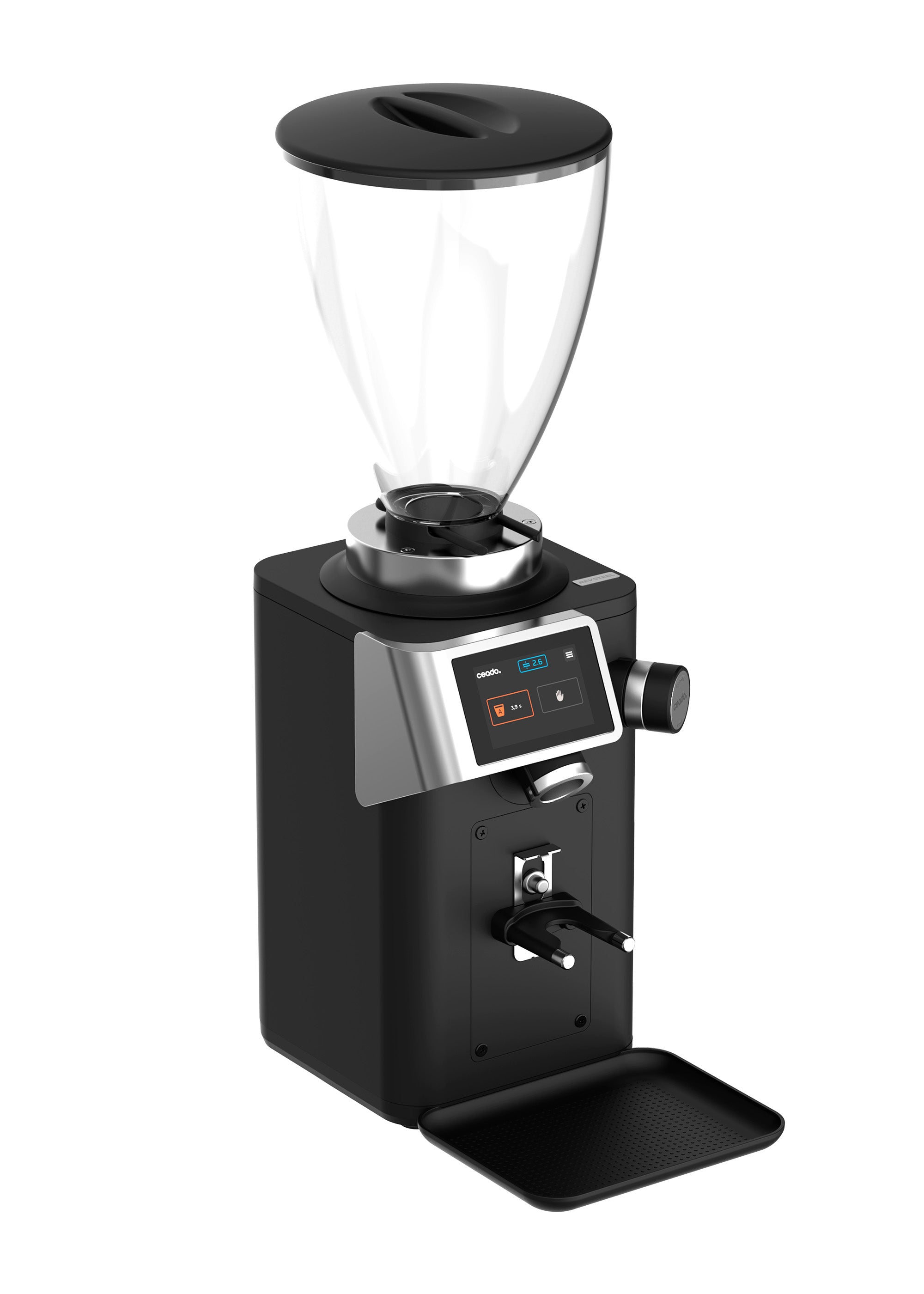
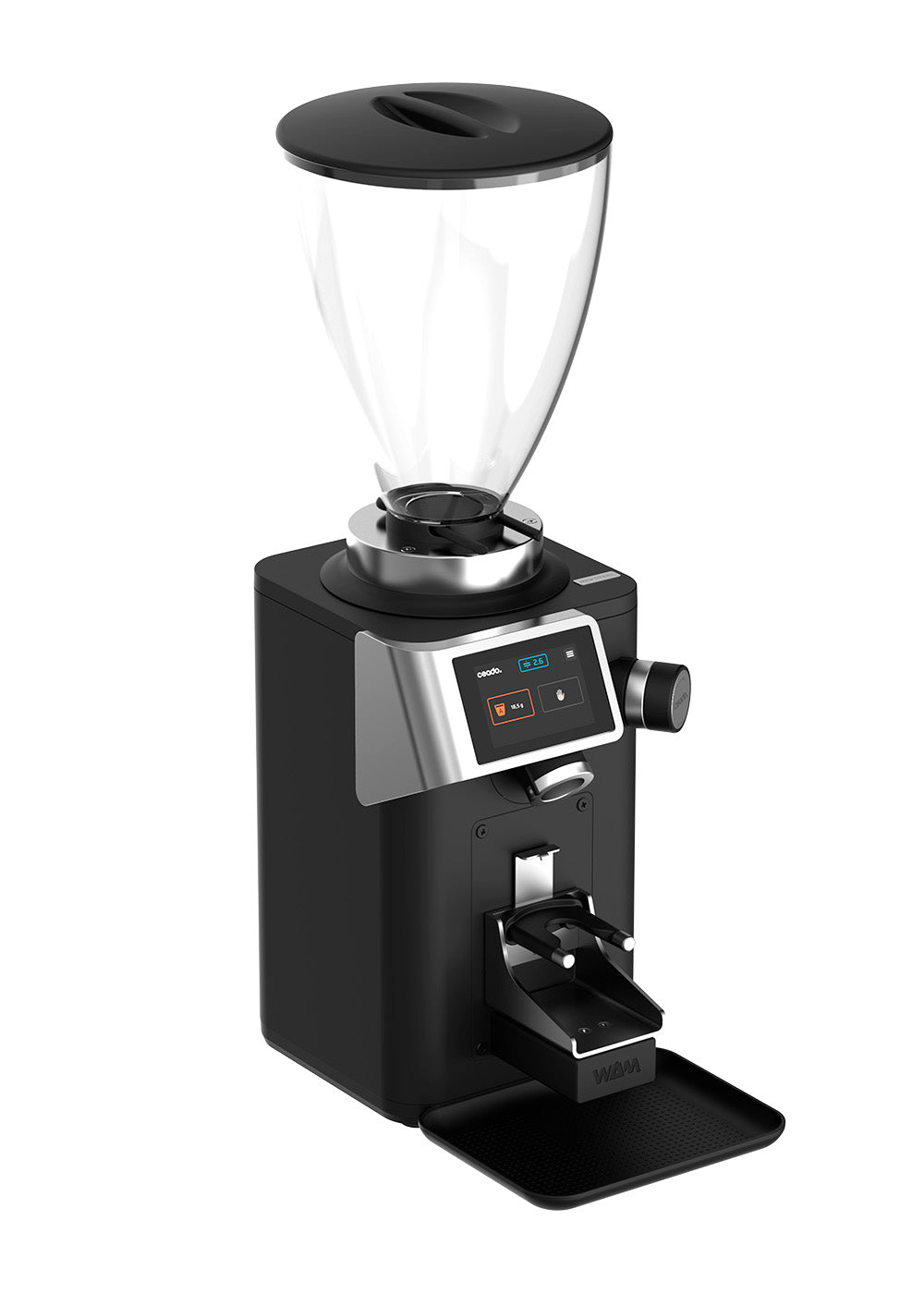
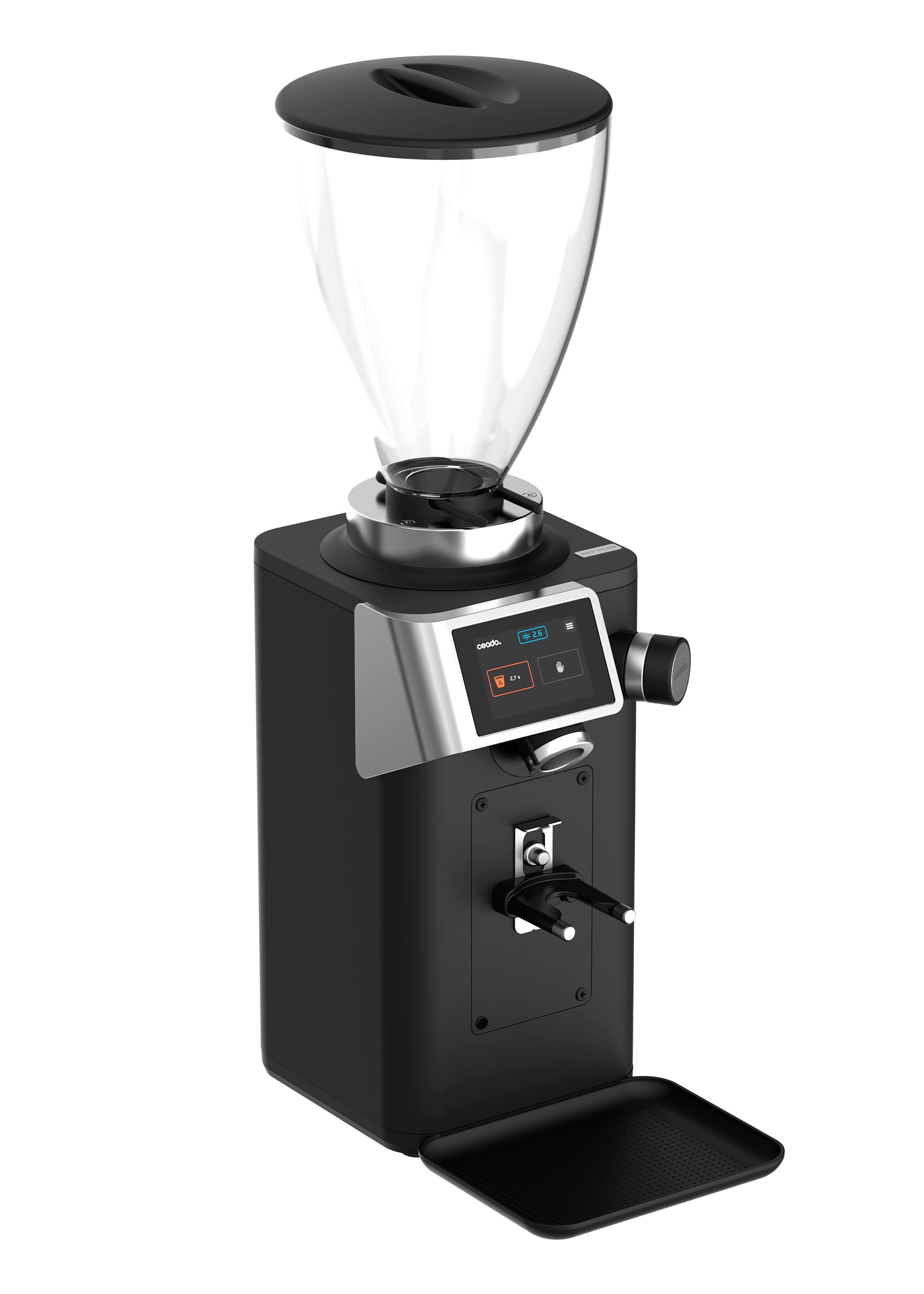
Electric motors turn conical or flat burrs, grinding 50-200g in 30 seconds to 2 minutes depending on fineness.
Pros:
- Speed: 30-120 seconds per grind
- Precision: Multiple settings (20-40+) for targeting specific grind sizes
- Consistency: Uniform particle distribution superior to blade
- Repeatability: Set and grind; no dial-twisting mid-grind
Cons:
- Motor noise (30-80 dB depending on model)
- Electricity requirement
- Thermal buildup: High-speed motors generate heat, potentially affecting flavor
- Retention: Ground coffee clings to burrs, requiring cleaning
Best for: Daily grinding, multiple brew methods, precise espresso preparation, consistency-focused brewing.
Recommended options by price:
- $50-100: Baratza Encore (conical, versatile, reliable, long warranty)
- $100-200: Wilfa Svart Nimo (flat burrs, espresso-capable, quiet, excellent customer service)
- $200-400: Baratza Sette 270 (espresso specialist), Eureka Mignon Notte (commercial-grade home use)
- $400+: Specialita, Rancilio Rocky (commercial-grade conical burrs)
Blade Grinders: Speed Without Consistency
As discussed extensively elsewhere, blade grinders chop with high-speed rotation.
Avoid for specialty coffee. Use only if budget is absolute constraint or method is French press/coarse-only.
Decision Tree: Finding Your Grinder
Question 1: What Do You Brew?
Espresso: Requires fine, uniform grind. Non-negotiable: mid-range or premium burr grinder (minimum $150). Baratza Sette 270 ($200) is espresso-specific; Wilfa Svart Nimo ($150) is versatile-plus-espresso.
Pour-over / Drip: Medium consistency required. Budget burr ($50-100) is acceptable; mid-range ($150-250) is better.
French press / Coarse-only: Least demanding. Budget burr ($50) or even blade grinder acceptable, though burr is better.
Multiple methods: Mid-range burr ($150-300) essential for flexibility.
Question 2: Daily Grinding Frequency?
1-3 times per week: Manual grinder practical (Comandante, 1Zpresso). Effort is minimal at low frequency.
Daily (single brew): Electric burr minimum ($50+). Manual becomes tedious.
Daily (multiple brews): Mid-range electric burr ($150+) or high-capacity manual.
Question 3: Portability Required?
No: Electric burr optimal (speed, consistency). Buy the best you can afford.
Yes (travel, office): Manual grinder essential. Comandante or 1Zpresso portable, durable.
Question 4: Budget Limit?
$50-100: Baratza Encore only serious option. Avoid blade grinders.
$100-200: Wilfa Svart Nimo (versatile), Baratza Sette 270 (espresso), Comandante C40 (manual, portable).
$200-400: Specialita, Rancilio Rocky, high-end manuals, or premium mid-range.
$400+: Niche specialty grinders (Lunar, Fellow, high-end commercial).
Brand Reputation and Reliability
Baratza: Reliable, good warranties, affordable. Encore is the budget standard. Customer service is responsive.
Wilfa: Premium build quality, quiet, excellent consistency. Higher price reflects quality. Norwegian brand, strong reliability.
Fellow: Design-focused (beautiful aesthetics), solid performance, premium price. Ode (pour-over optimized) is $160.
Specialita: Commercial-grade home grinders. Expensive ($300+) but durable.
1Zpresso, Comandante: Manual specialists, high-quality burrs, portable. Trusted by specialty coffee community.
Budget brands (Capresso, Krups): Acceptable for occasional use, but lower build quality and shorter lifespan.
Key Specification: What Actually Matters
Burr Type (Conical vs. Flat)
Impact: Minimal for home use. Both produce good consistency when quality is high.
- Conical: Quieter, lower heat, slightly less precise
- Flat: Slightly more precise, potentially louder, slightly more heat
Practical note: Don't let burr type dominate your decision. A quality conical burr grinder is better than a poor flat burr grinder.
Number of Grind Settings
What matters: Is there a setting for your brew method (fine for espresso, medium for pour-over, coarse for French press)?
What doesn't matter: 20 settings vs. 40 settings. More settings allow finer tuning but don't improve basic functionality.
Practical minimum: 20 settings for versatility.
Motor Power (Watts)
What it affects: Grinding speed and consistency. Higher wattage = faster grinding, slightly more uniform particle size.
Practical impact: 100W vs. 150W is negligible. 50W vs. 150W shows difference in espresso fineness grinding speed.
Practical minimum: 100W for espresso, 50W acceptable for coarser methods.
Retention
Definition: How much ground coffee remains in the burr chamber after grinding.
Practical impact: High retention (>1g) means leftover grounds from previous brew mix with fresh grind. For espresso, this is problematic. For drip, it's minor.
Ideal: <0.5g retention (Wilfa, Sette 270 excel here). Budget burrs often have 1-3g retention.
Noise Level
Reality: Burr grinders are inherently noisy (70-80 dB). No silent electric grinder exists.
Best for quiet: Conical burr grinders, which operate at lower RPM. Wilfa is quieter than most.
If noise is critical: Manual grinder or embrace the noise.
Sizing: Capacity and Form Factor
Bean Hopper Capacity
100-200g: Compact, suitable for 1-2 cups per grind.
200-400g: Versatile for 2-4 cups per grind.
400g+: Bulk grinding, less frequent refills.
Practical recommendation: 200-300g capacity balances frequency of hopper refill against counter space.
Ground Coffee Container
Some grinders have integrated containers (grounds fall into a catch cup); others require external containers.
Integrated: Simpler, less retention.
External container: More flexibility (grind directly into brew vessel or portafilter).
Maintenance and Longevity
Regular cleaning: Monthly light brushing of burrs removes residual coffee oils.
Burr replacement: Conical burrs last 500-1,000 hours (2-5 years with daily use). Replacement cost: $30-100.
Motor reliability: Electric motors last 3-5 years with daily use. Most grinders aren't repairable once motors fail—grinder is discarded.
Manual grinders: Burr replacement is common ($30-80); mechanics are simple, often repairable indefinitely.
Frequently Asked Questions
Is a manual grinder fast enough for espresso?
Yes, though it takes 5-10 minutes. 1Zpresso and Comandante both excel at espresso-fineness grinding despite being manual. Only espresso-specialty users prioritizing speed should consider electric.
Should I buy a grinder+brewer combo?
No. Combo units compromise on both. Buy a quality grinder separately, and a quality brewer separately. Each deserves budget allocation.
Can I use a spice grinder for coffee?
Technically yes, but it's a blade grinder and subject to all blade limitations. Not recommended for specialty coffee.
How much should I spend on a grinder relative to my brewer?
Ideally, 30-40% of brew equipment budget. If your espresso machine is $500, grinder should be $150-250. This isn't a hard rule, but it reflects that grinder quality significantly impacts results.
Conclusion: Invest in Consistency
Grinder choice is the highest-leverage equipment decision. More important than brewer, more important than bean selection (bad grinder ruins good beans). Budget accordingly: start at $100 minimum for burr consistency, aim for $150-250 if you value versatility, go higher if espresso is your focus.
Choose based on your brew method and daily grinding frequency. Manual grinders are excellent for occasional brewing; electric burrs are essential for daily use. Ignore marketing claims about "innovation"—consistency, adjustability, and reliability matter.
Explore our grinder recommendations and coffee bean selection to pair your grinder with quality beans.