How Coffee Prices Are Set
The Commodity Exchange Foundation
Most green coffee in the world is priced as a commodity, not a craft product. Arabica coffee trades on the Intercontinental Exchange (ICE) in New York; Robusta trades on the London International Financial Futures and Options Exchange (LIFFE). These futures contracts set the benchmark against which virtually all commercial coffee transactions are negotiated. A roaster buying Colombian Excelso is not paying the ICE C price directly — they are paying the C price plus or minus a differential that reflects the origin, quality, and current supply picture.
This structure makes coffee prices unusually volatile for a consumer staple. Agricultural commodities are exposed to weather, crop disease, and geopolitical disruption. When a late-season frost hits Minas Gerais, Brazil's main Arabica belt, within hours the ICE futures price can move $0.10 or more per pound — which translates, across the global supply chain, to millions of dollars shifting between buyers and sellers.
The Differential: Where Quality Shows Up in Price
Commodity price sets the floor; the differential adjusts it for quality and origin. A washed Ethiopian Yirgacheffe from a top cooperative might trade at ICE + $1.00 or higher. A natural Brazilian Cerrado natural might trade at ICE - $0.10. Colombian Supremo from a producing region with a clean reputation typically commands a positive differential.
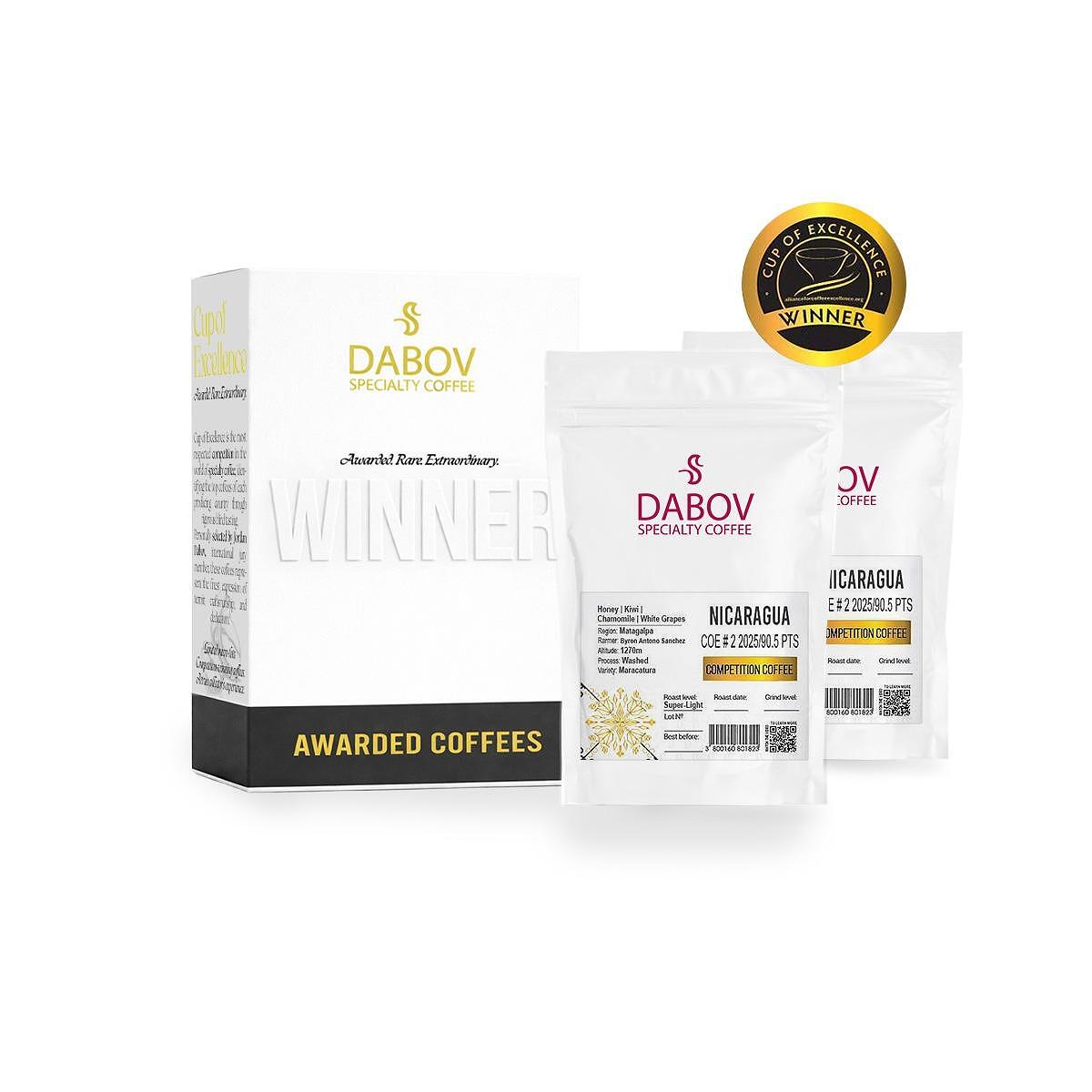
Specialty coffee further separates from commodity pricing through direct trade and Cup of Excellence auction mechanisms. A farm that scores 87+ on SCA cupping protocols can negotiate directly with roasters at prices that may be three to ten times the commodity price. This is the commercial logic behind quality investment at origin: farmers who produce traceable, high-scoring lots can escape commodity volatility.
What Drives the C Price Up and Down
The factors that move the global benchmark price fall into several predictable categories:
| Driver | Direction | Mechanism |
|---|---|---|
| Brazilian weather event (frost/drought) | Up | Brazil supplies ~35% of global Arabica; production shock creates scarcity |
| Bumper crop year in Vietnam | Down | Vietnam dominates Robusta supply; surplus weighs on Robusta and blended coffees |
| US dollar strengthening | Down | Coffee trades in USD; stronger dollar makes imports cheaper for consuming nations |
| Shipping container shortage | Up | COVID-era disruption of 2021–22 added $0.20–0.40/lb in effective cost |
| Climate-driven production shifts | Trending up | Long-term suitable area reduction creates structural supply tightening |
| Speculative hedge fund positioning | Volatile | Fund managers can amplify both bull and bear moves independent of physical supply |
From Farm Gate to Your Cup: The Cost Stack
The Journey of a Dollar
The retail price of a bag of roasted coffee is not mostly the cost of the coffee itself. Understanding the cost stack explains why a small change in green coffee prices does not translate 1:1 into higher shelf prices — and why roasters can sometimes absorb price spikes without passing them on immediately.
A simplified cost breakdown for a mid-range specialty bag retailing at $22/250g looks approximately like this:
| Cost Component | Approximate Share | Notes |
|---|---|---|
| Green coffee purchase | 20–30% | Varies sharply with origin quality tier |
| Roasting (labor, energy, equipment) | 15–20% | Fixed + variable |
| Packaging | 5–10% | Specialty valve bags, labels |
| Freight and import duties | 5–8% | Varies by origin and destination |
| Roaster overhead and margin | 15–20% | Rent, admin, quality control |
| Retail margin (if third-party) | 30–40% | Grocery vs. direct-to-consumer gap |
The implication: a 50% increase in green coffee prices — say, from $2.00/lb to $3.00/lb — raises the green coffee share of a $22 bag by perhaps $1.50–2.00. Whether that becomes a consumer price increase depends on whether the roaster absorbs it, passes it through, or accepts reduced margin.
Large commercial roasters with long-term forward contracts often absorb price spikes for 12–18 months before adjusting retail prices. Specialty micro-roasters with no hedging capability typically adjust within one to three bag cycles.
Historical Coffee Price Context
The 1990s Coffee Crisis
The collapse of the International Coffee Agreement (ICA) in 1989, which had regulated global supply quotas for decades, led to a period of oversupply and price collapse in the 1990s and early 2000s. At the nadir in 2001, Arabica futures fell below $0.45/lb — well below the cost of production for most farmers. The resulting "coffee crisis" devastated producing communities in Central America, Africa, and parts of Asia, triggering rural-to-urban migration, farm abandonment, and long-lasting economic damage.
The ICA's dissolution was not simply an economic event; it changed the political economy of coffee production permanently. It demonstrated that commodity markets left unmanaged by supply agreements do not equilibrate at farmer-sustaining prices — and it catalyzed the growth of fair trade and direct trade as market responses to the floor problem.
The 2011 Peak and the Oversupply Cycle
Coffee prices reached a 34-year high in 2011, with Arabica futures briefly exceeding $3.00/lb. High prices incentivized planting in Brazil and other producing countries. The new trees came into production from 2013 onward, creating a supply surge that crashed the market. By 2019, Arabica prices had fallen to a 13-year low below $1.00/lb, again threatening farmer livelihoods in countries with production costs above the market price.
This cycle — high prices stimulate planting, supply eventually exceeds demand, prices crash below cost of production, neglect and underinvestment follow, then a supply shortfall creates the next price spike — has repeated roughly every eight to twelve years throughout coffee's commodity history.
Post-2020 Volatility
The 2020–2023 period saw extreme volatility driven by multiple simultaneous shocks: COVID-19 disrupted supply chains and shipping; 2021 Brazilian frosts reduced production; 2022 global inflation raised input costs and energy prices across the supply chain; and a La Nina-driven drought in Central America strained regional supplies. Arabica prices, which had been below $1.00/lb in 2019, exceeded $2.50/lb in late 2021 and remained elevated through 2022.
The period illustrated how coffee pricing is exposed not just to agricultural factors but to global macroeconomic and logistical conditions. Roasters who had locked in forward contracts were insulated; those buying spot were exposed to the full spike.
What Consumers Actually Pay For
The Home-Brewing Value Calculation
The cost of home-brewed specialty coffee is dramatically lower per cup than cafe-purchased coffee, even when using premium beans. At $22 per 250g bag (a specialty mid-range price), and assuming 15g per cup of filter coffee, you get roughly 16 cups — about $1.38 per cup. A third-wave cafe in a major city charges $4–6 for the same preparation. The overhead differential — rent, staff, equipment, waste, hospitality — accounts for the gap.
For someone buying one cafe coffee per day at $5, the annual spend is approximately $1,825. Switching to home-brewed specialty coffee using $22 bags reduces that to roughly $500 per year. The savings fund better equipment, better beans, and still leave margin.
Specialty vs. Commodity: What the Premium Buys
Not all affordable coffee is bad and not all expensive coffee is good. But understanding what the price tiers actually represent helps avoid both over-paying and under-buying.
| Price Tier (250g bag) | Typical Profile | Sourcing Model | Cup Quality |
|---|---|---|---|
| Below $10 | Blended commodity, Robusta-heavy | Spot buying, no traceability | Functional |
| $10–16 | Blended or named-origin commercial | Volume buying, SCA-compliant | Consistent |
| $16–25 | Single-origin specialty | Direct or relationship buying | Traceable, nuanced |
| $25–45 | Single-farm or microlot | Direct trade, farm relationship | High complexity |
| Above $45 | Auction lot, experimental process | COE or private auction | Exceptional |
The largest quality leap is typically between commodity tier (below $10) and entry specialty tier ($16+). Within specialty, the price-quality relationship is real but the marginal return diminishes. A $35 bag is meaningfully better than a $16 bag; a $90 bag is marginally better than a $35 bag and represents more of a collector's experience than an everyday quality upgrade.
Strategies for Navigating Price Volatility
Buy Closer to Harvest
Specialty coffees peak in freshness within 6–12 months of harvest. Most roasters source based on harvest schedules: Central American harvest runs October–March, East African harvest May–September, Brazilian harvest April–September. Buying in-season (freshly harvested and recently roasted) often means better prices because supply is at its highest and demand-premium has not yet built.
Many specialty roasters publish harvest dates on their bag notes. Coffees labeled "new crop" or with a harvest date within the last six months represent the best value in the freshness-price intersection.
Subscriptions Stabilize Your Cost
Roaster subscription programs typically offer 10–15% discounts relative to one-off purchases and lock in pricing at time of enrollment. In a volatile market — such as the 2021–22 spike period — subscribers were partly insulated from mid-year price increases. The trade-off is commitment to a fixed rotation rather than opportunistic buying.
Direct-to-Roaster Purchases Capture Value
Buying from roasters who sell direct-to-consumer, rather than through grocery or third-party platforms, typically saves the retail margin. That 30–40% markup goes to the roaster rather than the distributor, often allowing the roaster to pay farmers more without raising consumer prices.
Frequently Asked Questions
Why does specialty coffee cost so much more than grocery coffee?
The price gap reflects real cost differences in sourcing, quality control, and freshness management, not just branding. Specialty roasters buy smaller lots at higher differentials, roast on shorter cycles, and sell direct rather than through distribution chains that require long shelf life and lower price points.
Will coffee prices keep rising long-term?
The structural trend points upward. Climate change is gradually reducing suitable Arabica growing area; labor costs in producing countries are rising; and the premium paid for quality and sustainability continues to grow. Short-term volatility will persist, but the medium-term price floor for specialty coffee is likely to rise.
Is cheap coffee getting cheaper or more expensive?
Commercial and commodity-grade coffee has experienced the same volatility as specialty. The ICA collapse and subsequent oversupply cycles drove prices to historically low levels repeatedly, but the 2020s have seen sustained elevation above historical norms due to supply disruption. The era of very cheap coffee may be ending regardless of quality tier.
Conclusion
Coffee prices are shaped by commodity markets, agricultural weather, geopolitical trade conditions, and a layered cost stack that separates farm gate from retail shelf by four to six intermediary steps. Understanding this system helps you read price changes as signals rather than surprises — and make informed choices about where in the quality and sourcing spectrum your spending delivers the best return.
For everyday drinkers, the most actionable insight is this: the gap between commodity and entry-level specialty coffee is small in price and large in quality. Browse our specialty coffee selection to find freshly roasted, direct-trade options that represent genuine value at the price tiers that matter.