Why Maintenance Determines Cup Quality
Coffee equipment degrades in two parallel ways. Chemically, coffee oils oxidize on contact surfaces — portafilter baskets, group-head screens, brew chambers, and grinder burrs. Rancid oils impart bitterness and muddiness that no amount of technique adjustment will fix. Physically, mineral scale deposits from water progressively narrow flow paths, alter temperature consistency, and — in boiler-based machines — eventually cause element failure.
Both processes are predictable and largely preventable. The difficulty is that the timeline is slow enough that each individual cup appears acceptable, while the cumulative effect over weeks and months is substantial. The practical standard for home use is this: if you cannot remember the last time you backflushed the group head, it has been too long.
Cleaning by Equipment Type
Different machines require different protocols, but the principle is consistent: remove coffee residue on a short cycle, remove mineral scale on a longer cycle, and replace worn mechanical parts before they fail.
Espresso Machines
Espresso machines are the most maintenance-intensive equipment in a home coffee setup because they combine pressurized water, high heat, and concentrated coffee oils in a single machine.
Daily tasks:
- Purge the group head with a short flush before and after each shot.
- Wipe the steam wand immediately after steaming milk. Milk residue dries quickly and is difficult to remove after it sets. Follow the wipe with a brief steam purge to clear the wand interior.
- Empty and rinse the drip tray. Standing water and coffee residue create a breeding environment for bacteria.
- Rinse the portafilter and basket with hot water after each use.
Weekly tasks:
- Backflush the group head using a blind basket and an espresso machine cleaner tablet (such as Cafiza or Puly Caff). For a standard single-boiler home machine, one backflush cycle per week is sufficient at normal use rates.
- Soak the portafilter basket and dispersion screen in a solution of hot water and espresso cleaner for 20 to 30 minutes. Rinse thoroughly before reassembling.
Monthly tasks:
- Inspect and replace the group-head gasket if it shows cracking, deformation, or if you notice channeling during extraction. Most home machine gaskets last 6 to 12 months under regular use.
- Remove and clean the shower screen if your machine allows it. Scale and fine coffee particles collect here and affect extraction distribution.
Burr Grinders
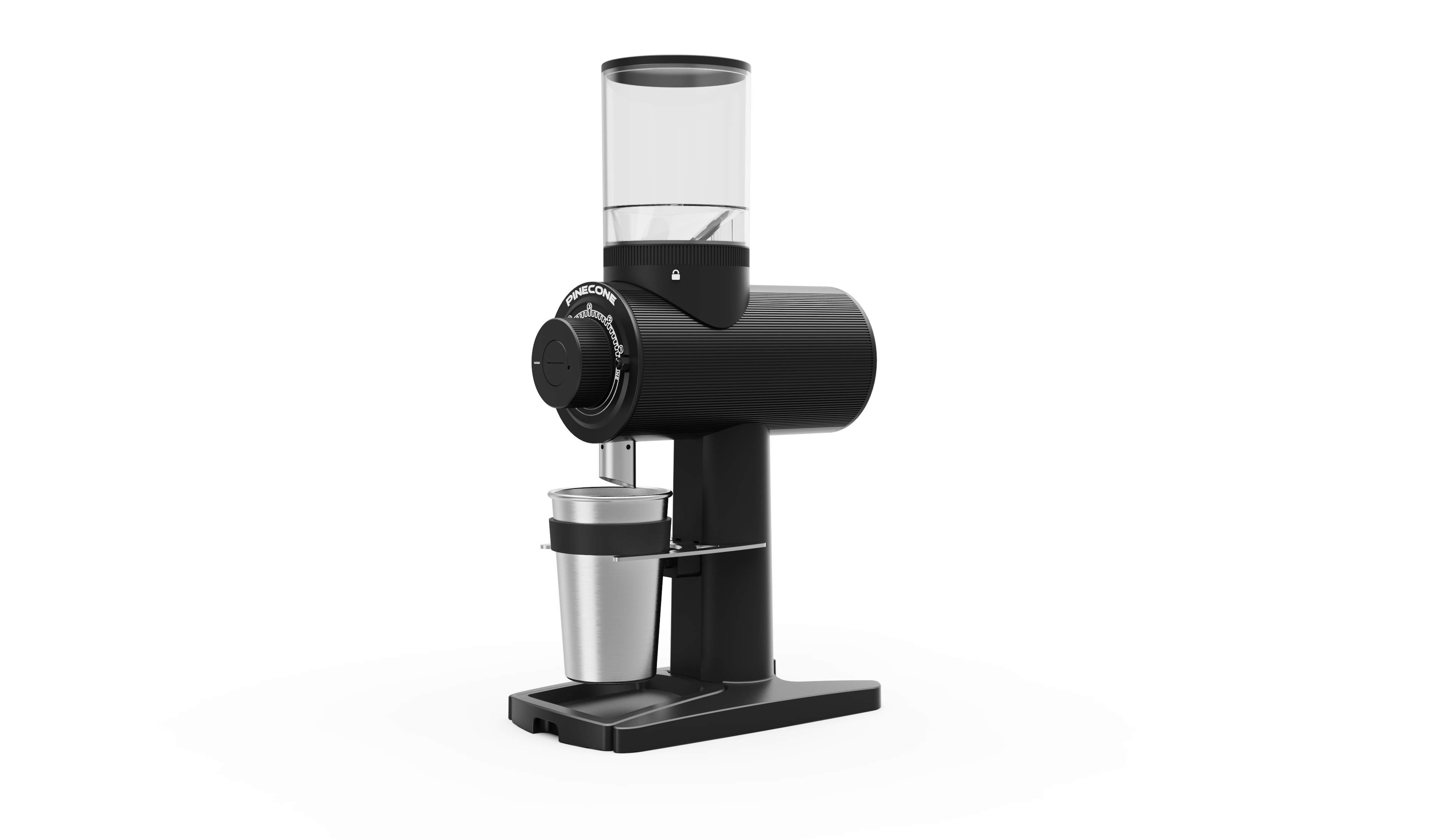
Grinder maintenance is frequently neglected because grinders are mechanically simpler than espresso machines and the consequences of neglect appear gradually. The two primary failure modes are burr dulling (which produces inconsistent grind size distribution) and coffee oil buildup on the burr faces and grinding chamber walls (which turns rancid and taints subsequent grinds).
Daily tasks:
- Brush loose grounds from the grinding chamber. Most burr grinders ship with a small brush; use it after every grinding session to prevent packed grounds from accumulating in the throat.
- Do not use water near the motor or grind chamber. Moisture accelerates the rancidity of oil residue and can damage ceramic components.
Weekly tasks:
- For flat-burr grinders used daily, run a small batch of grinder cleaning tablets (such as Grindz) through the grinding mechanism. These tablets absorb coffee oils from the burr surfaces and grinding chamber without introducing water.
- Remove the upper burr carrier on grinders that allow easy disassembly and brush out any packed grounds. This takes 3 to 5 minutes and makes a measurable difference in grind clarity.
Annual tasks:
- Replace the burr set. Most high-quality flat-burr sets — such as those in entry-to-mid-range home grinders — should be replaced after approximately 500 to 800 kg of coffee, which translates to roughly one to two years of daily home use. Conical burrs typically last longer, up to 3 to 5 years. Dull burrs produce more fines, which lead to over-extraction and bitterness regardless of grind setting.
French Press and Immersion Brewers
These are the simplest brewing devices to maintain but are often cleaned inadequately because they look clean after rinsing. The mesh filter on a French press traps fine coffee particles in its mesh structure, which oxidize over multiple uses.
Disassemble the plunger assembly after each use and clean all components separately — the mesh screen, the plate, the cross plate, and the spring — with warm water. Periodically wash the carafe with a mild dish soap solution to remove the oily film that builds up on glass or stainless steel walls. Replace the mesh filter when it shows deformation or when fine grounds consistently appear in the cup despite proper coarse grinding.
Pour-Over Equipment
Pour-over drippers (V60, Chemex, Kalita Wave) require minimal maintenance beyond thorough rinsing after each use. Metal filters should be cleaned weekly with hot water and occasionally with a mild soap rinse, then dried completely before storage. The Chemex carafe has a narrow waist that can accumulate a coffee-oil film; use a bottle brush and soapy water monthly.
Descaling: Timing and Method
Descaling removes calcium and magnesium carbonate scale — limescale — from internal water passages, heating elements, and boiler walls. How often you need to descale depends on water hardness and machine use frequency.
| Water Hardness | Descale Interval (Daily Use) | Descale Interval (Weekly Use) |
|---|---|---|
| Soft (0–50 ppm) | Every 3 months | Every 6 months |
| Moderate (50–150 ppm) | Every 6–8 weeks | Every 3 months |
| Hard (150–250 ppm) | Every 4–6 weeks | Every 6–8 weeks |
| Very Hard (250+ ppm) | Every 3–4 weeks | Every 6 weeks |
Signs your machine needs descaling before the scheduled interval: slower-than-normal water flow, changes in boiler pre-infusion sound, reduced steam pressure, or slightly cooler brew temperature.
Descaling protocol:
- Use a purpose-formulated descaling solution (citric acid or phosphoric acid-based products designed for coffee equipment). Household vinegar works in principle but leaves residual acidity that can damage rubber seals over time and affects flavor in subsequent brews if not fully rinsed out.
- Follow the manufacturer's recommended concentration — typically 1 sachet or 25–30ml liquid per 1 liter of water.
- Run the descaling solution through the machine in the sequence the manufacturer specifies. For most single-boiler machines, this means running a portion through the steam wand, a portion through the group head, then completing the cycle.
- Follow with at least two full tank cycles of clean water to rinse completely before brewing.
Preventive Measures: Water Quality
The most effective long-term descaling strategy is controlling input water quality. Hard water is the primary cause of scale; if your tap water exceeds 150 ppm total dissolved solids, consider using a water filter. The Specialty Coffee Association recommends water in the 75–250 ppm range for brewing, with an ideal target around 150 ppm. Filtered water in this range reduces scale formation substantially while providing the mineral content that supports extraction.
Some home baristas use third-wave water products — mineral concentrates dissolved in distilled water — to hit precise mineral profiles. This is particularly relevant for espresso machines with large boilers, where mineral accumulation happens faster. For most home users, a quality inline filter or filtered pitcher water is sufficient.
Parts Replacement Schedule
| Component | Home Use Replacement Interval | Signs It Needs Replacement |
|---|---|---|
| Group-head gasket | 6–12 months | Channeling, gasket cracking, coffee leaking at portafilter |
| Shower screen | 12–18 months | Visible scale or pitting, uneven extraction |
| Flat burr set | 500–800 kg coffee | Increased fines, inconsistent grind, loss of clarity |
| Conical burr set | 1000–1500 kg coffee | Same as flat burr signs |
| French press mesh | 12–18 months | Deformation, fines in cup despite coarse grind |
| Steam wand O-ring | 12 months | Milk steaming resistance, O-ring visible deformation |
Troubleshooting Common Problems
The most common equipment issues trace directly to deferred maintenance. Here is a diagnostic framework:
Inconsistent espresso extraction (channeling or channeling-like symptoms): Check the group-head gasket first. A worn gasket allows uneven pressure distribution that mimics bad technique. Inspect the shower screen for blocked holes. If those are clean, examine whether your portafilter basket needs replacement — baskets wear and the holes can become uneven.
Bitter or muddy espresso despite correct technique: This almost always means accumulated rancid oil. Backflush the group head, soak the portafilter basket in cleaner, and — critically — run Grindz or equivalent through the grinder. All three surfaces can contribute simultaneously.
Inconsistent grind distribution (lots of fines, clumping): Worn burrs or misaligned burr carriers. Clean the grinder first; if the problem persists after cleaning, the burrs need replacing.
Steam pressure dropping: Scale buildup in the steam boiler or steam wand. Descale the machine. If pressure does not recover after descaling, the boiler element may need professional service.
Espresso running too fast: Check the portafilter gasket for wear, then inspect the group head for leaks past the gasket during extraction. Fast shots that are also pale indicate either too coarse a grind or — if grind is correct — a group-head temperature drop from scale on the boiler element.
Frequently Asked Questions
How often should I backflush my home espresso machine?
Once per week for machines used 5 to 7 days a week. If you use the machine only on weekends, once every two weeks is sufficient. Machines with E61 group heads benefit from more frequent flushing due to the thermosyphon design that recirculates water through the group.
Can I use vinegar instead of a dedicated descaling solution?
Vinegar works chemically but is not recommended for machines with rubber seals or aluminum components, which it can degrade over time. It also requires more thorough rinsing to remove residual acidity — typically 3 or 4 rinse cycles rather than 2. Use a citric acid or purpose-formulated descaler for reliable, safe results.
When should I seek professional service rather than maintaining equipment myself?
If descaling does not restore steam pressure, if the machine produces inconsistent temperatures despite clean heating elements, or if you notice water leaking from a location that is not a removable seal, professional service is warranted. Annual service by a qualified technician is worth the cost for machines used daily.
Does water quality really affect equipment life that much?
Yes, substantially. A machine used with very hard water in the same period will have 3 to 5 times as much scale accumulation as the same machine used with filtered water. That difference translates directly into element stress, temperature instability, and more frequent deep-cleaning requirements.
Conclusion
Coffee equipment maintenance is not complicated, but it does require consistency. The grinder burrs, group-head gasket, portafilter basket, and boiler element all have predictable service lives. Cleaning protocols remove the chemically active residues that degrade cup quality day by day. Descaling prevents the physical damage that eventually makes machines unrepairable.
Treat maintenance as part of the brewing process, not a separate chore. Rinsing the portafilter after each shot, brushing the grinder chamber after each session, and descaling on a calendar schedule will extend equipment life by years and ensure that every variable you can control is working in your favor. Browse our roasting equipment selection if you are considering an upgrade — durable equipment paired with proper care is always the better investment.