The Cost of Neglect
Ignoring maintenance creates cascading problems. Mineral deposits (scale) accumulate inside water pathways, restricting flow. Rancid coffee oils coat internal components, promoting corrosion. Resulting failures are expensive: a espresso machine descale costs $0 if done yourself, $200-400 if you call a technician. A complete group head replacement costs $500-1,500. Prevention is far cheaper than repair.
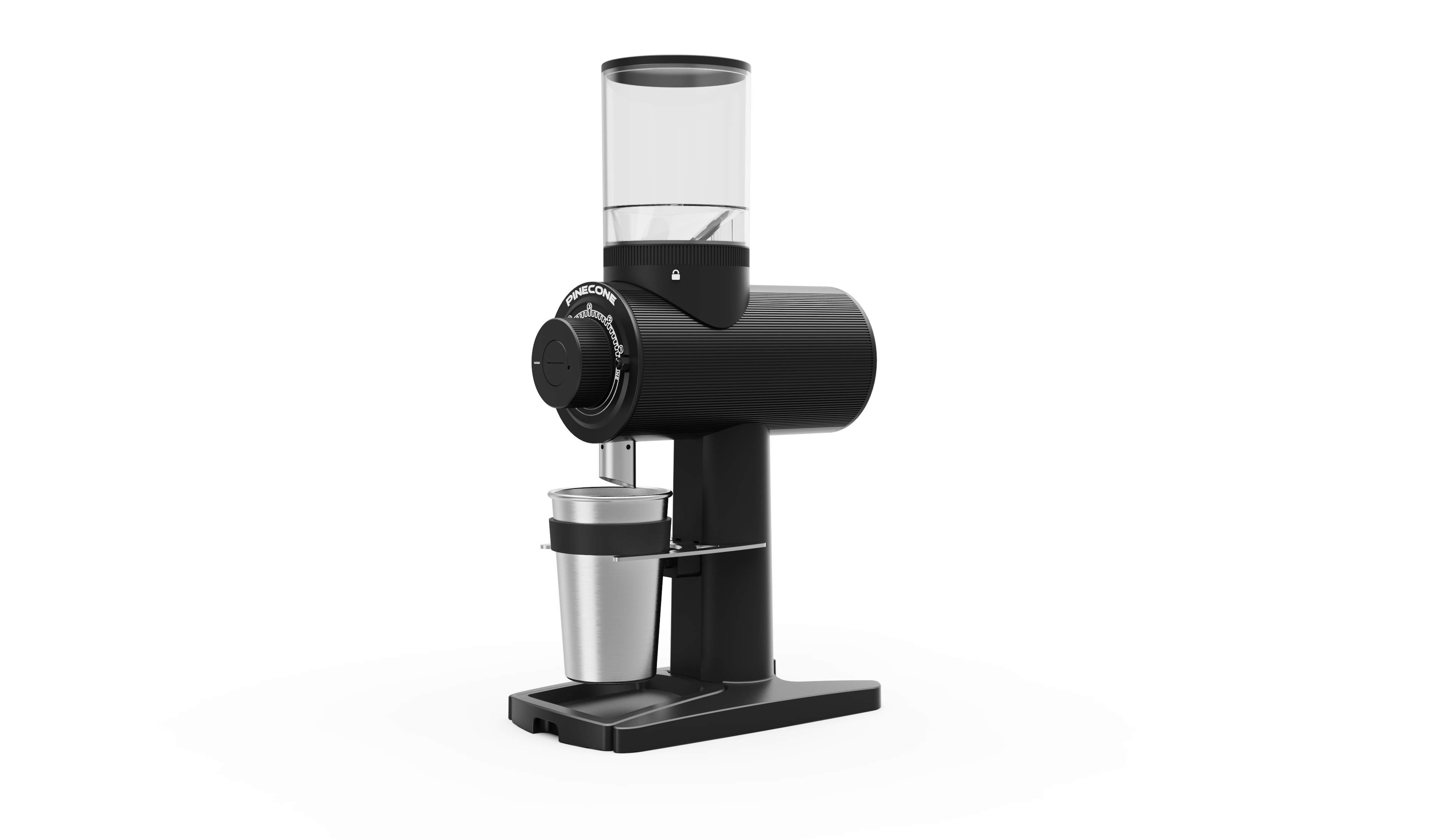
Grinder Maintenance
Routine Cleaning (Weekly)
After each use, brush out remaining grounds from the burr chamber using a small brush. This prevents oil accumulation and rancid flavors.
Steps:
- Unplug the grinder
- Remove the hopper
- Use a soft-bristled brush (dedicated or old toothbrush) to brush out ground coffee from the burr chamber
- Wipe the interior with a dry cloth
- Replace the hopper and plug in
Why: Fresh coffee oils oxidize after 30 minutes, creating rancid flavors. Removing grounds immediately prevents this degradation.
Burr Cleaning (Monthly or Every 50-100 Grinds)
Deeper cleaning requires removing burrs to access residual buildup.
Steps (burr type varies; consult manual):
- Unplug the grinder
- Remove the hopper
- Remove the ground coffee container
- Following the manual, remove the burr set (most grinders use a simple clip or twist-lock)
- Brush out accumulated grounds and oil using a small brush
- Wipe the burr surfaces with a dry cloth (avoid water, which causes corrosion)
- Reassemble in reverse order
Frequency: Every 50-100 grinds if grinding darker roasts (more oils); every 100-200 if grinding lighter roasts (less oil).
Deep Clean with Grinder Cleaner (Every 6 Months)
Commercial grinder-cleaning products (Cafiza, Grindz) are finely granulated abrasives that suspend in the hopper like coffee beans, then grind through to remove oil buildup from burr surfaces.
Steps:
- Grind 5-10g of cleaning granules through the grinder into the grounds container (discard)
- Repeat 2-3 times until the output is clean
- Run 1-2 hopper-fulls of regular coffee through to purge cleaner residue
- Clean the burr set manually as described above
Why: This removes stubborn oil from burr surfaces that brushing alone doesn't eliminate.
Espresso Machine Maintenance
Espresso machines have more components than other brewers, requiring systematic care.
Daily Cleaning (After Each Use)
Portafilter and basket:
- Empty spent grounds immediately
- Rinse the basket and portafilter thoroughly under water
- Tap the basket gently to remove excess water
- Dry completely before storage to prevent mold
Group head:
- Run water (without the portafilter) through the group head for 2-3 seconds to flush residual grounds
- Insert a blind basket (no holes) into the portafilter and run a backflush cycle: pull the lever, immediately release, repeat 3-4 times. Water and grounds will spray out—this is normal. This dislodges grounds from the group head seal.
- Install the portafilter with the blind basket and pull shots with just water 2-3 times to purge all water and grounds
- Remove the portafilter and wipe the group head with a damp cloth
- Immediately after steaming milk, purge the steam wand by running steam for 1-2 seconds (milk will expel)
- Wipe the wand tip with a damp cloth while warm
- Run steam again for 1 second to dry the wand
Why: Milk proteins solidify inside the steam wand when left to cool, creating blocked passages and bacterial growth. Immediate cleaning prevents these problems.
Weekly Deep Clean
Backflush and clean the group head: Follow the daily backflush process, but spend 10-15 seconds total with multiple cycles.
Remove and soak the portafilter and basket: Soak in hot water with a small amount of espresso machine cleaning powder (Cafiza) for 15-20 minutes, then scrub with a brush and rinse thoroughly.
Clean the shower screen: Unscrew the shower screen (the part that water sprays from above the group head) and soak in Cafiza solution, scrub, and rinse.
Purge the group head seals: Grind coffee into the basket without tamping, install the portafilter, pull the lever to force water and grounds out. This pushes residual grounds from the group head seal. Repeat 3-4 times until the water runs clear.
Descaling (Every 2-4 Weeks, Depending on Water Hardness)
Hard water deposits mineral scale inside heating elements and water pathways, restricting flow and reducing heating efficiency. Descaling removes these deposits chemically.
Steps:
- Fill the water tank with descaling solution (follow product instructions for ratio; typically 1:2 descaling solution to water)
- Run the solution through the group head portafilter for 10 seconds, stop for 10 seconds, repeat for 5-10 minutes total. This flushes the group head and heating element
- Run solution through the steam wand for 5 seconds
- Let the machine sit for 15-20 minutes with hot descaling solution inside
- Repeat steps 2-3
- Empty the water tank and refill with fresh water
- Flush fresh water through the group head and steam wand for 30+ seconds, repeatedly, until the water runs clear and odorless (no vinegar/chemical smell)
- This purging step is critical—incomplete purging leaves descaling residue in the machine
Descaling products: Cafiza descaler, Espresso Machine Descaling Solution, vinegar (budget option but not ideal). Use products specifically designed for espresso machines—general descalers may damage seals.
Frequency depends on water hardness:
- Hard water (>10 grains per gallon): Every 2 weeks
- Moderate water (5-10 grains): Every 3-4 weeks
- Soft water (<5 grains): Monthly or less frequent
Test your water: Your water utility provides hardness data, or test strips are available at hardware stores.
Brewer Maintenance (Drip, Pour-Over, French Press)
Drip Coffee Makers
Daily: Empty the filter basket and remove used grounds immediately. Rinse the filter basket and carafe.
Weekly: Soak the filter basket and carafe in hot water for 15 minutes, then brush any residual oils and rinse thoroughly.
Monthly descaling: Run descaling solution (same as espresso machines) through the brewer following the manufacturer's instructions, then flush 2-3 tanks of fresh water through to purge all descaling residue.
Pour-Over Equipment
Daily: Rinse the dripper and serve vessel immediately after brewing. Dried coffee residue hardens.
Weekly: Soak in hot water with a small amount of baking soda or Cafiza for 15 minutes, then scrub and rinse.
No descaling needed (pour-over doesn't have internal heating elements), but if hard water is used consistently, occasional soaking in dilute descaling solution helps prevent buildup in narrow passages.
French Press
Daily: Empty the carafe immediately, rinse the press basket mesh, and wipe down the carafe.
Weekly: Disassemble the press basket completely (most unscrew into plunger rod, mesh screen, and cap). Soak all parts in hot water for 15 minutes, scrub the mesh to remove oils, rinse thoroughly, and reassemble.
Note: French press mesh screens eventually accumulate oils that affect flavor. Replacement screens are inexpensive ($5-15) and recommended yearly for daily users.
Water Filter Maintenance
Why Filters Matter
Unfiltered tap water contains chlorine (affects flavor), minerals (cause scaling), and sometimes bacteria. Filters remove chlorine and reduce mineral content.
Replacement Schedule
Charcoal filters (Brita, Pur, PUR): Replace every 2-3 months (40-60 gallons filtered) or when flow slows visibly.
Espresso machine built-in filters: Replace every 3-6 months depending on usage and water hardness. Check the manufacturer's recommendations.
Failure to replace: Flow slows, scaling accelerates, equipment lifespan decreases.
Seasonal Deep Maintenance
Quarterly Deep Clean
- Grinder: Perform the grinder cleaner flush (Cafiza or similar), then deep-clean the burr set
- Espresso machine: Full descale cycle followed by thorough flushing
- Other brewers: Descaling flush if hard water is used
Yearly Inspection
- Check gaskets and seals: In espresso machines, rubber gaskets degrade over time. If a seal looks cracked or compresses unevenly, replacement is warranted ($20-100)
- Inspect hoses: If your machine uses rubber hoses, check for cracks or discoloration
- Test water flow: Poor flow post-descaling suggests internal buildup; repeat descaling or seek professional service
- Listen to the pump: Unusual grinding or squealing sounds suggest mechanical issues warranting inspection
Common Problems and Solutions
| Problem | Likely Cause | Solution |
|---|---|---|
| Slow flow in grinder | Oil buildup on burrs | Monthly Cafiza flush + burr cleaning |
| Slow espresso flow | Excessive coffee packed / scale | Proper tamping technique + descaling |
| Sour espresso taste | Under-extraction (too fast flow) | Grind finer, check descaling, verify temperature |
| Bitter espresso taste | Over-extraction (slow flow) | Grind coarser, reduce tamping pressure |
| Blocked steam wand | Dried milk | Immediate wand purging after each use; if blocked, soak in hot water + small needle to clear passage |
| Machine leaks | Worn gasket or seal | Replace gasket ($20-50 DIY, $100-200 professional) |
| Weak flow from group head | Scale buildup | Descaling cycle |
| Rancid taste in all coffee | Dirty grinder or old coffee | Grinder Cafiza flush, discard old beans |
DIY vs. Professional Service
DIY Maintenance (You Can Handle)
- Daily cleaning (backflushing, steam wand purging)
- Burr grinder cleaning and assembly/disassembly
- Descaling
- Water filter replacement
- Replacing gaskets (with manual instructions)
Professional Service (When to Call)
- Machine won't hold pressure / severe leaks
- Pump makes grinding sounds
- Temperature control erratic
- Heating element failure (no water heats)
- Electrical issues
Cost: Professional descaling $200-400, group head inspection $100-250, full service $500+. Justify this by maintaining equipment carefully to prevent major failures.
Maintenance Schedule Reference
| Task | Frequency | Time Required |
|---|---|---|
| Brush out grinder | Daily or after each use | 2 minutes |
| Backflush espresso group head | Daily | 3 minutes |
| Steam wand purge | Daily | 1 minute |
| Soak and scrub portafilter | Weekly | 10 minutes |
| Deep clean grinder burrs | Monthly or every 50-100 grinds | 10 minutes |
| Descale espresso machine | Every 2-4 weeks (hard water) | 30 minutes |
| Grinder Cafiza flush | Every 6 months | 10 minutes |
| Professional full inspection | Annually | 2 hours (at shop) |
Frequently Asked Questions
Can I use vinegar to descale instead of commercial descaler?
Vinegar works in a pinch, but it's not ideal. Espresso machine seals may degrade over time from acetic acid exposure. Commercial descalers (Cafiza, etc.) are formulated for coffee equipment and are inexpensive ($8-15). Use them.
What happens if I don't descale?
Scale accumulates inside heating elements, restricting water flow and reducing temperature. You'll notice increasingly slow flow and sour shots (under-extraction). Eventually, the machine becomes unusable. Descaling is preventive maintenance, not emergency repair.
How do I know if my grinder burrs are worn out?
Worn burrs produce inconsistent grind sizes and grinding becomes noticeably slower. If your espresso flows too fast despite fine grinding, worn burrs are likely. Replacement is straightforward ($50-150) and extends grinder life another 2-3 years.
Is it worth learning to replace gaskets myself?
Yes, if you're somewhat mechanical. Most manufacturers provide tutorials, and gasket replacement is $20-50 in parts vs. $100-200 professional. A single DIY gasket replacement pays for the cost of the equipment investment.
Conclusion: Small Effort, Major Payoff
Regular maintenance is the highest-leverage investment in coffee equipment longevity and performance. Daily cleaning takes 5 minutes; monthly deep cleaning takes 20 minutes. This minimal effort extends equipment lifespan from 3-5 years to 10+ and preserves brewing quality throughout.
Document your maintenance on a calendar. Set reminders for filter replacement and descaling. Budget $20-40 annually for cleaning products and filters. This discipline will keep your gear working optimally and make your coffee taste its best for years to come.
Explore our coffee equipment collection and maintain it properly for years of excellent brewing.