What Pour-Over Actually Does Differently
Pour-over is a percolation brewing method: water flows through a bed of coffee grounds by gravity, extracting compounds as it passes and draining into a vessel below. This distinguishes it from immersion methods (French press, Aeropress steep phase, cold brew) where grounds sit in water for a fixed time.
The distinction matters because percolation creates a continuously refreshed extraction gradient. Fresh water is always arriving at the top of the grounds bed, while already-concentrated water drains away at the bottom. This dynamic prevents the concentration equilibrium that slows extraction in immersion brewing, and it produces a cup that is characteristically bright, clean, and high in perceived acidity. Automatic drip machines simulate this process but lack the temperature precision and flow-rate control that make manual pour-over consistent.
Paper filters — standard for Chemex, V60, and Kalita Wave — remove nearly all coffee oils and suspended fine particles from the brew. This produces a physically clear cup that allows volatile aromatic compounds to express without the mouthfeel masking that comes from French press's oils and sediment.
"The paper filter doesn't just clarify the liquid — it clarifies the flavor. Notes that hide behind body in other methods become legible in a V60." — A common observation among specialty coffee educators
Retronasal Olfaction and Why It Changes Everything
Most of what we call "taste" is actually smell processed retronasally — aromas traveling from the mouth to the olfactory epithelium via the passage at the back of the throat rather than through the nostrils. A hot, physically clear liquid like pour-over coffee releases volatile aromatic compounds more effectively than a cold or oil-laden brew.
This is the mechanism behind pour-over's reputation for flavor complexity: the clear, hot liquid creates optimal conditions for retronasal aroma delivery. Ethiopian Yirgacheffe's jasmine and bergamot notes, Colombian washed coffee's caramel and stone fruit, Brazilian natural coffee's chocolate and dried fig — all of these are aromatic compounds that register through retronasal olfaction, and pour-over serves as a superior delivery vehicle for each of them.
Pour-Over's Relationship to Terroir
Terroir is a concept borrowed from wine: the idea that environmental factors — soil, altitude, climate, aspect — imprint distinctive characteristics on agricultural products from specific places. Coffee terroir is real. The same Caturra variety grown at 1,200 meters produces a different cup than Caturra grown at 1,800 meters on the same farm. Washed Ethiopian Sidama tastes nothing like washed Honduran Santa Barbara, even at similar roast levels.
Pour-over is uniquely equipped to reveal terroir because its brew clarity removes the noise. French press body can obscure delicate floral notes. Espresso's concentrated intensity and thermal degradation erase nuance. Pour-over's clean, bright extraction allows the specific chemical profile of a coffee's origin and processing to come through without interference.
For coffee buyers who care about provenance — direct-trade relationships, specific farm or cooperative sourcing, processing method transparency — pour-over is the evaluation standard. Specialty roasters use it to assess incoming lots precisely because it shows everything the bean has to offer, for better or worse.
The Third-Wave Context
The specialty coffee movement that emerged in the early 2000s — often called "third wave" to distinguish it from the commodity era (first wave) and the espresso-chain era (second wave) — placed pour-over at its center. The V60, introduced by Hario in 2004, became the emblematic brewing device of this movement. Its open spiral ribs, single large drainage hole, and cone geometry put all extraction control in the brewer's hands.
Third-wave coffee culture made several arguments that pour-over embodied:
- Origin matters. Coffee is an agricultural product with traceable provenance. The method that best expresses origin character is the most honest method.
- The brewer is a craftsperson. Variable control — temperature, ratio, pour technique — gives the brewer agency over the final cup. This is intrinsically satisfying in a way that pressing a button is not.
- Freshness is fundamental. Pour-over's small-batch nature means you brew only what you drink, immediately. No holding in a carafe for hours.
These arguments have become mainstream. Specialty coffee shops worldwide use pour-over as their primary filter offering, and the equipment — V60, Chemex, Kalita Wave, Origami dripper — has become recognizable signifiers of coffee seriousness. Competition baristas at World Brewers Cup events use manual pour-over precisely because its transparency makes excellence demonstrable.
Comparing Pour-Over to Other Brew Methods
| Method | Body | Clarity | Acidity | Brew Time | Terroir Expression |
|---|---|---|---|---|---|
| Pour-over (paper filter) | Light-medium | Very high | High | 3–4 min | Excellent |
| French press | Heavy | Low | Moderate | 4 min + | Good but masked |
| Automatic drip | Light-medium | Medium | Moderate | 6–8 min | Moderate |
| Aeropress | Medium | Medium-high | Low-medium | 2–3 min | Good |
| Cold brew | Heavy | Low | Very low | 12–18 hrs | Poor |
| Espresso | Very heavy | Low | High (concentrated) | 30 sec | Concentrated |
Pour-over's position in this table — light body, very high clarity, strong terroir expression — makes it the right tool for light to medium roast single-origin coffees. It is not the right tool for dark roasts (where body and reduced acidity are the point) or for contexts requiring speed. That context-dependence is not a weakness; it is precision.
The Ritual Dimension
The four-minute pour-over ritual has genuine psychological value beyond the cup. Kettle temperature check. Scale tare. Bloom pour. Timed pulse pours. This sequence interrupts the automatic pace of morning routine and requires physical and sensory attention — a form of enforced presence. Many practitioners describe it as meditative, a small daily structure that transitions from sleep-state to engagement.
This is not unique to coffee, but coffee is unusually well-suited to it. The aromatic progression from dry grounds to bloom to final pour engages smell, sound, sight, and eventually taste in a deliberate sequence. The sensory richness of the process makes it enjoyable independent of the outcome. For a 2000-year-old crop whose quality depends on hundreds of farmer decisions — variety selection, harvest timing, fermentation control, drying — four minutes of attention at the brew stage feels proportionate to the effort already invested.
What You Actually Need to Start
The equipment required for excellent pour-over is less expensive than it looks in specialty shop display cases. A practical starter kit:
- Dripper: Hario V60 (plastic version, $10), Kalita Wave 185 ($35), or Chemex 6-cup ($45). All three produce excellent results. The Kalita Wave's flat-bottomed geometry is the most forgiving for beginners.
- Filters: V60 white paper filters ($7 for 100), Kalita Wave filters ($9 for 50), Chemex bonded filters ($10 for 100). Always buy more than you think you need.
- Gooseneck kettle: The long, thin spout of a gooseneck kettle gives you controlled, low-turbulence flow that is difficult to replicate with a standard spout. Hario V60 Buono stovetop ($35) is the entry point. Stagg EKG ($175) with temperature display is the upgrade when you are fully committed.
- Scale: Any kitchen scale accurate to 1g ($15–$20). A scale with built-in timer ($35–$60) simplifies the process significantly.
- Grinder: The most impactful variable in cup quality. A Timemore C2 or C3 hand grinder ($60–$80) outperforms any blade grinder and most electric burr grinders under $150.
Total entry cost: $70–$120 for a functional, quality setup. The ongoing cost is coffee beans and filters — equivalent to one specialty coffee shop drink per week. The break-even against daily cafe spending typically arrives within two to three months.
A Simple Starting Recipe
For a V60 producing two servings (approximately 500ml):
- Dose: 30g ground coffee, medium-fine (target brew time 3:00–3:30)
- Water: 500g at 93–95°C for a medium roast, 95–96°C for a light roast
- Bloom: Pour 60g water in a slow spiral from center outward. Wait 40 seconds.
- Pour 1: Add 150g water in a slow circular motion. Wait 20 seconds.
- Pour 2: Add 150g water. Wait 20 seconds.
- Pour 3: Add remaining 140g water. Let drain completely.
- Total time target: 3:00–3:30 from first pour.
Taste the result. If it tastes sour or thin, grind slightly finer next time. If it tastes bitter or harsh, grind slightly coarser. Keep notes until the recipe feels dialed in — usually 3–5 brews with any new bag of beans.
Frequently Asked Questions
Is pour-over coffee stronger than drip coffee?
Not necessarily stronger, but more flavorful. At the standard 1:16 ratio, pour-over and automatic drip produce similar brew strengths (TDS). The difference is in clarity and aroma expression, not caffeine content. Pour-over removes oils and sediment that can dull flavor, making it taste more distinct without being more concentrated.
Do I need expensive beans for pour-over to be worthwhile?
Pour-over rewards quality beans more than other methods because it expresses terroir so clearly. Budget commodity coffee won't taste dramatically better in a V60 than in an auto-drip. For pour-over to demonstrate its full value, single-origin specialty coffee (typically $15–$25 per 250g) is the appropriate input.
How fresh do beans need to be for pour-over?
For best results, use beans between 7 days and 4 weeks post-roast. Beans roasted less than 5–6 days ago are often too gassy — the aggressive bloom will over-agitate the brew. Beans older than 6–8 weeks have lost most volatile aromatics and will taste flat. Buy from roasters who print roast dates, and prioritize freshness over price.
Can I make pour-over for more than two people?
Yes — scale the recipe proportionally. A Chemex 8-cup handles up to 800ml (48g coffee / 800g water). The V60 03 size handles up to 700ml (42g / 700g water). For larger groups, a batch brewer that uses pour-over fundamentals (Fellow Stagg XF, Marco SP9) scales without compromise.
Conclusion
Pour-over coffee earns its place in daily practice because it produces a genuinely superior cup for the coffees it is suited to — light to medium roast single-origin beans where terroir, acidity, and aromatic complexity are the point. The four minutes of active brewing time is not a tax; it is the work that produces the result. The equipment investment is modest, the learning curve is measured in days not weeks, and the daily ritual offers a moment of genuine sensory attention in an otherwise automatic morning.
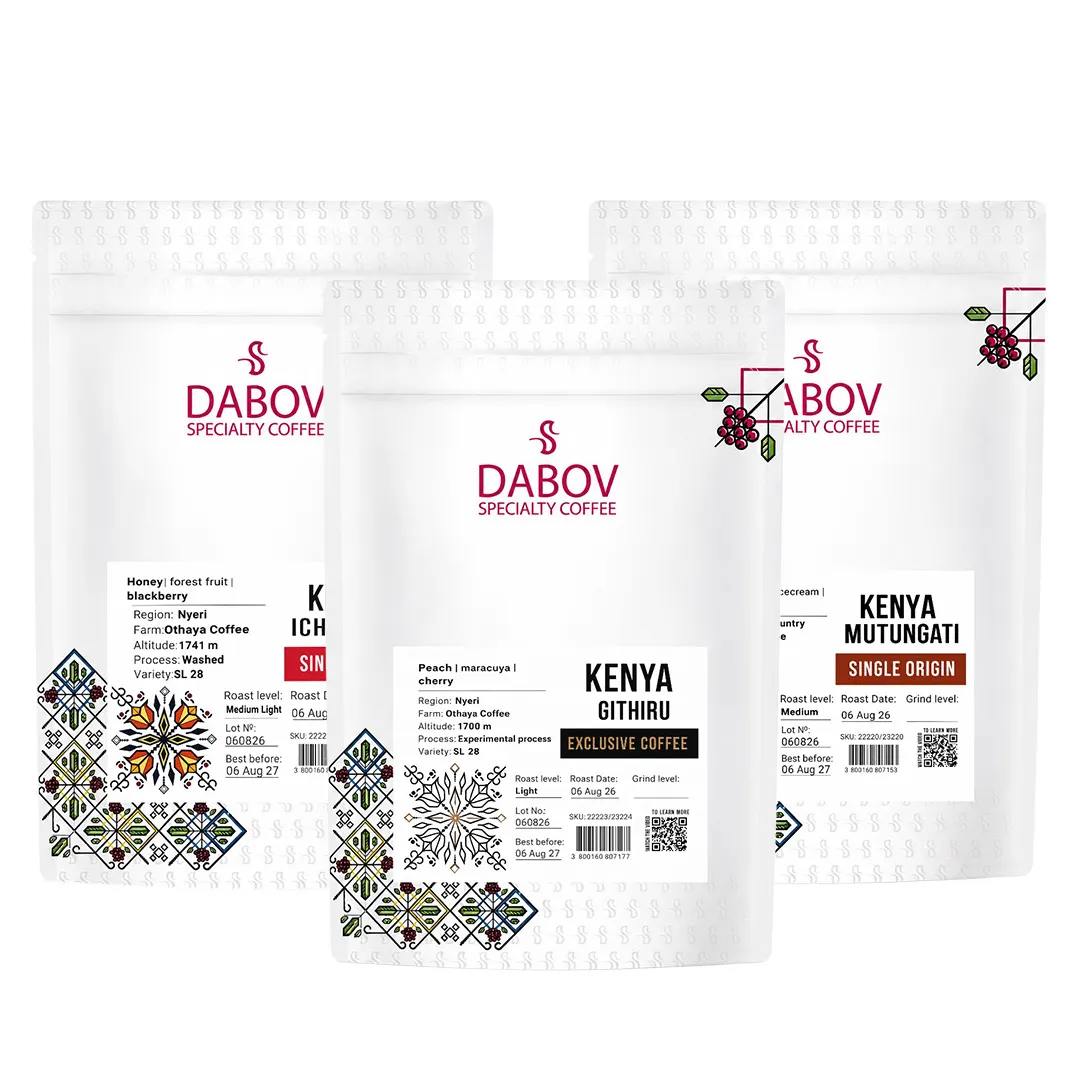
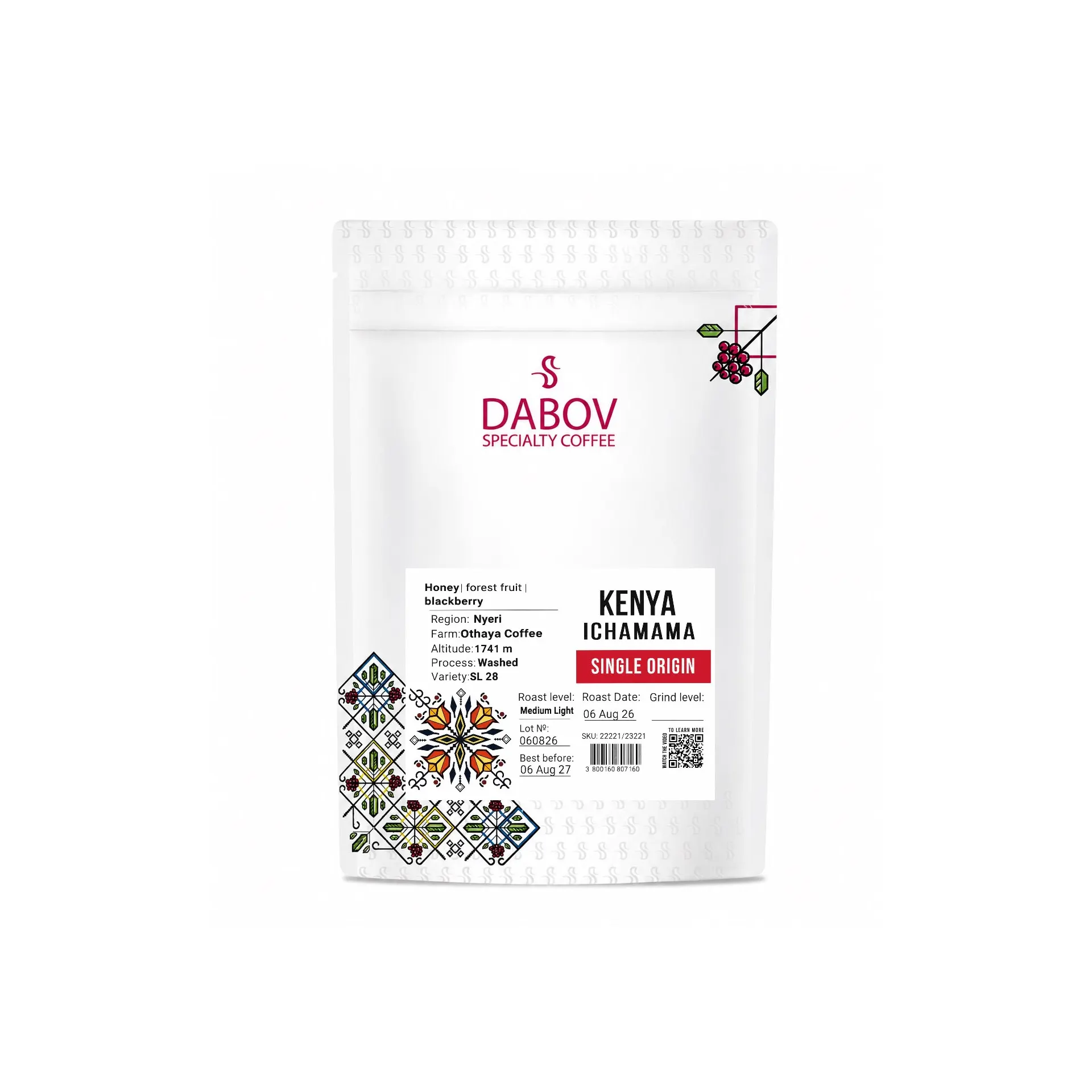
If you are ready to start, browse our roasted coffee selection — we stock fresh-roasted single-origin lots specifically suited to filter brewing, with roast dates on every bag. The beans are the most important ingredient in the cup; everything else is technique.