The relationship between a coffee and the brewing method used to prepare it is not neutral. Water temperature, contact time, filter type, pressure, and agitation interact with the specific compounds in each coffee's roasted bean in ways that amplify some characteristics and suppress others. A skilled match produces a cup where the coffee's best attributes are front and center. A mismatch produces a technically correct extraction that nonetheless fails to show what the coffee is capable of.
This article builds a decision framework. It does not declare one brewing method superior. It maps each method's strengths, its extraction physics, and the specific scenarios where it serves the drinker best.
The Extraction Fundamentals That Drive Every Decision
Before comparing methods, a brief grounding in what extraction actually does. When hot water contacts ground coffee, it dissolves soluble compounds in a specific sequence: first acids and salts (sourness, brightness), then sugars and sweet compounds (sweetness, body), then bitter phenolics and tannins (bitterness, astringency). Extraction yield — the percentage of the ground coffee's mass that ends up dissolved in the water — determines where on this spectrum the final cup sits.
The SCA's Golden Cup standard targets 18–22% extraction yield and 1.15–1.35% TDS (Total Dissolved Solids) for brewed coffee. These are guidelines, not absolutes — some light roast single-origin coffees taste best at 21–23% extraction, some espresso styles target 22–24%. But they give a shared reference point: the goal is dissolving enough to develop sweetness and body without going so far that bitterness dominates.
Three variables control extraction across all methods:
- Contact time: longer contact extracts more
- Grind size: finer grinds have more surface area and extract faster
- Water temperature: hotter water extracts more, faster
Every brewing method is essentially a specific configuration of these three variables, with filter type (paper, metal, cloth, no filter) determining which compounds make it into the cup.
The Seven Methods: Extraction Profile and Best Use
Drip Machine
Automatic drip machines — from entry-level models to SCA-certified brewers like the Technivorm Moccamaster and Breville Precision Brewer — brew coffee at scale (600–1800 mL batches) with minimal manual intervention. The best machines maintain water temperature between 90–96°C throughout the brew cycle and ensure even water distribution across the coffee bed.
Drip excels for:
- Volume brewing: the only practical method for 6–12 cup batches.
- Consistency without skill: once dialed in, the machine replicates results without barista technique variation.
- Medium-roast, lower-complexity blends: the brewing physics favor coffees where balanced extraction rather than nuanced acidity is the goal.
Drip underperforms for:
- Light-roast single-origins where the clarity and precision of manual pour-over better represents the coffee's character.
- Dark roasts where the long, hot extraction cycle can push bitterness.
Manual Pour-Over (V60, Kalita Wave, Chemex)
Manual pour-over gives the brewer direct control over every extraction variable: grind, temperature, pour pattern, bloom timing, and flow rate. This control is its primary advantage — and its primary disadvantage for those who want low-effort consistency.
Pour-over excels for:
- Light-roast washed or natural Arabica where floral, fruit, and tea-like notes benefit from clean, high-clarity extraction.
- Single-origin coffees where origin character is the point.
- Brewers who engage with the process as part of the morning ritual.
The V60 is the most technique-sensitive pour-over; the Kalita Wave the most forgiving. The Chemex produces the cleanest cup due to its thick proprietary filter but requires longer brew times.
French Press
French press is a full-immersion brewing method: grounds and water stay in contact for the entire brew time (typically 4 minutes), then a metal mesh plunger separates grounds from liquid. No paper filter means all oils and fine particles remain in the cup, producing a heavy body and rich texture that paper-filtered methods cannot replicate.
French press excels for:
- Medium-dark and dark roasts where body and richness complement the lower acidity profile.
- Coffees with inherent chocolate, nut, or caramel character — Brazilian naturals, Guatemalan washed coffees, Colombian blends.
- Drinkers who prefer body over clarity.
French press underperforms for:
- Delicate light-roast single-origins: the lack of filtration produces a muddy texture that obscures floral and fruit notes.
- Espresso-adjacent beverages: the method does not produce concentration.
Espresso
Espresso is defined by pressure: 9 bar of force drives water through a tightly packed 18–21 g puck of finely ground coffee in 25–30 seconds, producing a 36–42 g shot. The pressure creates an emulsion of oils, fine particles, and dissolved coffee solids — the crema — that cannot be replicated by any other method.
Espresso excels for:
- Medium to medium-dark roasts where higher solubility and lower acidity are compatible with the fast, high-pressure extraction.
- Coffees designed for milk drinks (flat white, latte, cortado) where espresso concentration is diluted by steamed milk.
- Drinkers who value intensity and crema texture.
Espresso underperforms for:
- Very light roasts from high-elevation origins where sourness dominates the concentrated shot unless the recipe is specifically adjusted (higher temperature, longer pre-infusion, finer grind).
- Casual home setups where the equipment cost ($400+) and the learning curve are prohibitive relative to the result.
AeroPress
The AeroPress (Aerobie, 2005) is a plastic cylinder that combines pressure with immersion: grounds steep in hot water, then the brewer pushes the plunger to force liquid through a paper or metal micro-disc filter. The entire brew takes 60–90 seconds. The result is a concentrated, low-acid cup that sits between filter coffee and espresso.
AeroPress excels for:
- Travel and minimalist setups: the device is indestructible, weighs 230 g, and requires no electricity.
- Experimentation: the AeroPress World Championship has produced hundreds of tested recipes using different steep times, temperatures, water volumes, inverted technique, and filter combinations.
- Medium-roast coffees where the AeroPress's smoothness and low-acid extraction express sweetness cleanly.
The AeroPress is one of the most versatile brewing devices made. It does not produce true espresso (it cannot generate 9 bar pressure) but produces a concentrated cup that mixes with milk or water to approximate espresso-adjacent beverages.
Moka Pot
The moka pot (Bialetti, 1933) forces water from a lower boiler chamber through ground coffee into an upper collection chamber using steam pressure — approximately 1–2 bar, far below espresso. The resulting cup is concentrated, intense, and bitter-forward in a way that espresso is not. Moka pot coffee is not espresso; it is its own category.
Moka pot excels for:
- Dark and medium-dark roasts where high solubility matches the aggressive, high-temperature extraction.
- Budget espresso-adjacent brewing: moka pots cost $20–$60 and produce concentrated coffee without a machine investment.
- Italian-style brewing tradition: the moka pot is the standard home brewing device throughout Italy and much of Southern Europe.
Moka pot underperforms for:
- Light roasts: the high temperature and pressure produce sour, harsh extraction from low-solubility light roasts.
- Clarity-focused brewing: the lack of filter (other than a perforated plate) and the high extraction temperature produce a heavy, sometimes metallic cup with no paper-filter clarity.
Cold Brew
Cold brew steeps coarsely ground coffee in cold or room-temperature water for 12–24 hours. The absence of heat fundamentally changes which compounds extract: cold brew extracts roughly 30% fewer acidic compounds than hot-brewed coffee, producing a smooth, low-acid concentrate that most people find approachable even without milk or sugar.
Cold brew excels for:
- Drinkers sensitive to acidity who find hot-brewed coffee harsh or causes discomfort.
- Warm-weather consumption: cold brew concentrate keeps refrigerated for 10–14 days, enabling on-demand preparation.
- Medium and dark roasts where chocolate and nut notes are amplified by cold extraction without the bitterness that hot water would extract.
Cold brew underperforms for:
- Light roasts and high-grown Arabica: the cold extraction does not develop the bright fruit and floral notes that define these coffees — it produces a flat, muted cup.
- Drinkers who value immediacy: the 12–24 hour steep time requires planning.
The Decision Matrix: Drinker Profile × Recommended Kit
This matrix maps drinker profile and coffee preference to the primary and secondary recommended brewing method and equipment.
| Drinker Profile | Coffee Preference | Primary Method | Primary Equipment | Secondary Option |
|---|---|---|---|---|
| Clarity-first, patient | Light roast, floral/fruit origins | Pour-over | Hario V60 + gooseneck kettle | Chemex for larger batch |
| Complexity-first, patient | Light-to-medium, single-origin | Pour-over or Chemex | Chemex or Kalita Wave | AeroPress with paper filter |
| Body and richness | Medium-dark blend, nut/chocolate | French press | Bodum or SealPod 1L | AeroPress with metal disc |
| Intensity, milk drinks | Medium espresso roast | Espresso machine | Entry: Breville Barista Express | Moka pot as budget option |
| Versatile, travel | Any roast level | AeroPress | AeroPress + Commandante grinder | Pour-over as home option |
| Low-acid, summer focus | Medium or dark roast | Cold brew | 1L mason jar + paper filter | Kyoto cold drip for clarity |
| Volume, minimal effort | Medium blend | Drip machine | Technivorm Moccamaster | SCA-certified auto-drip |
| Budget, concentrated | Dark or medium-dark | Moka pot | Bialetti Moka Express 3-cup | AeroPress |
Roast Level × Brewing Method Compatibility
Roast level is the single strongest predictor of which brewing method will produce the best result for a given coffee. The compatibility is biochemical: roast level determines solubility, acidity balance, and oil content, all of which interact differently with each method's extraction physics.
Grinder Selection: The Common Thread
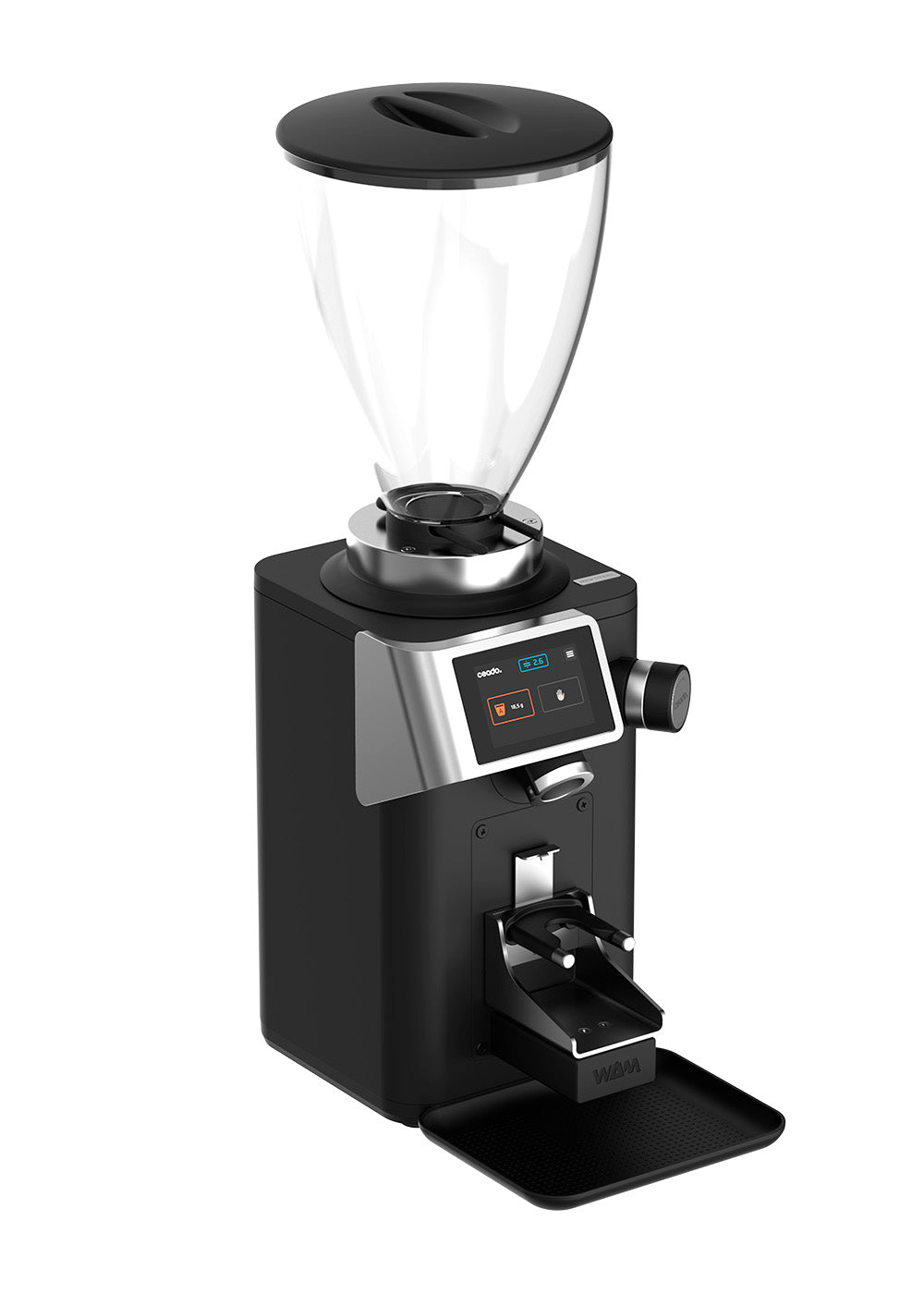
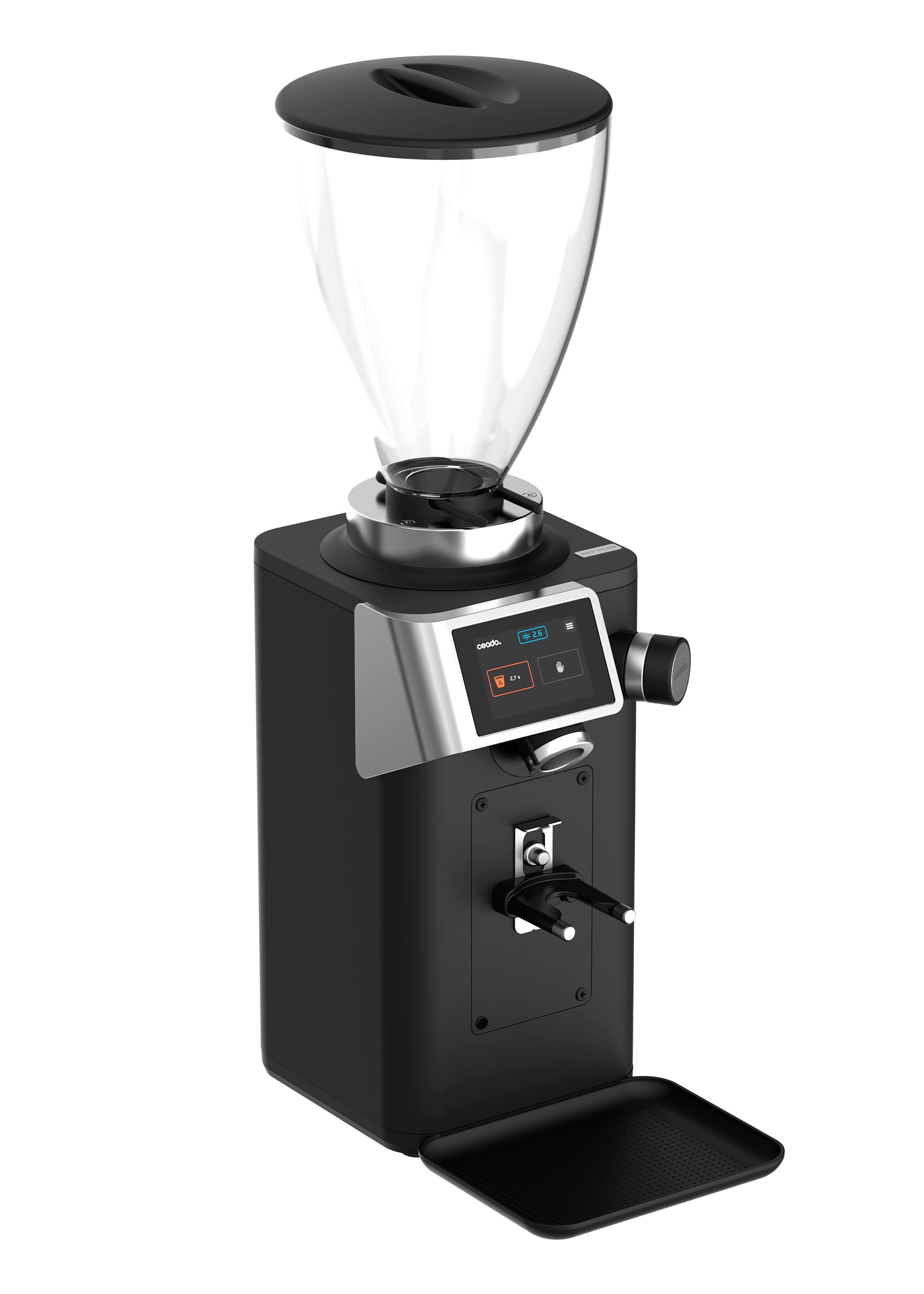
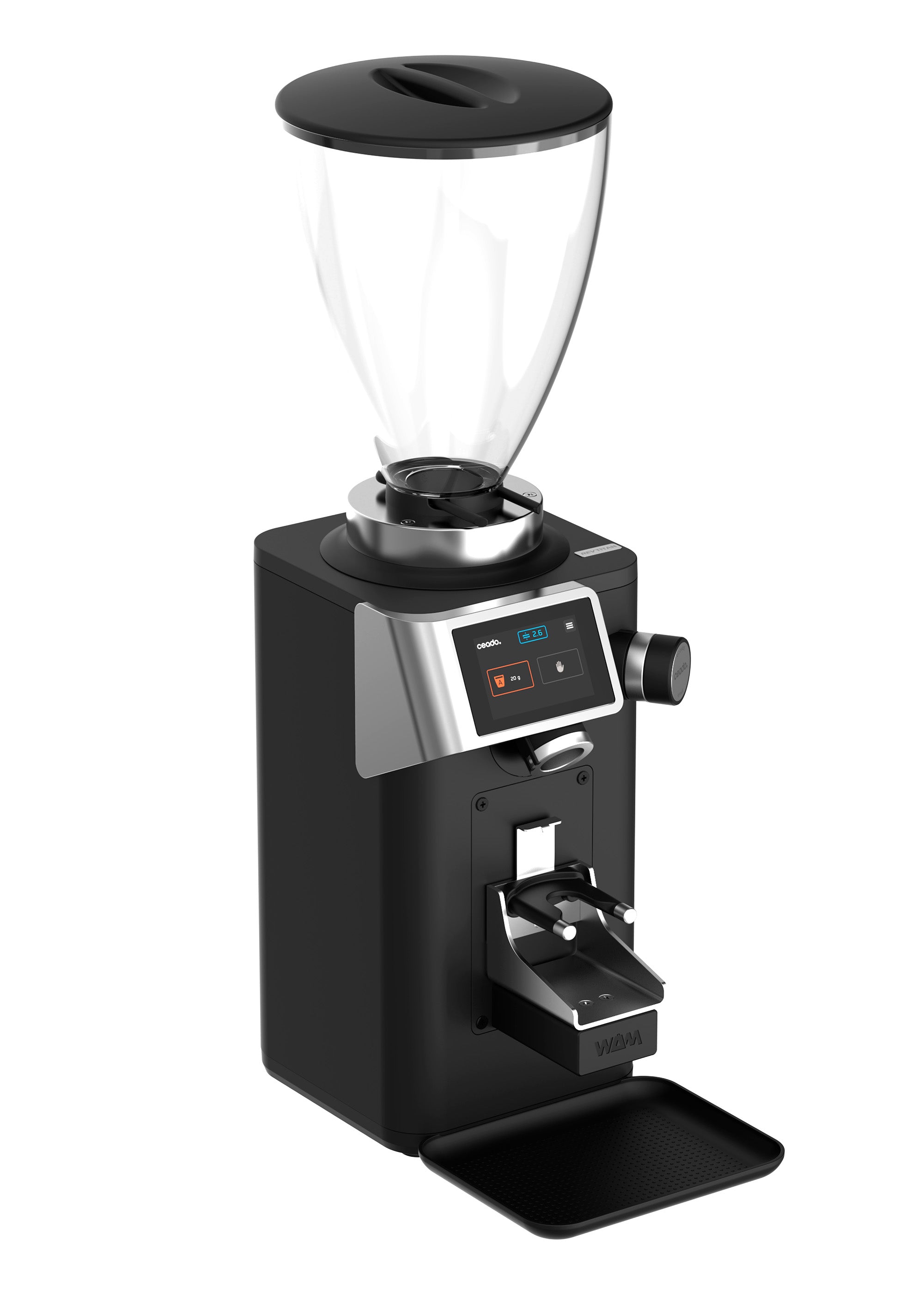
Every brewing method in this guide requires a different grind size. The single piece of equipment that enables all of them — and that most dramatically affects the quality of extraction regardless of method — is the grinder.
Blade grinders (which chop beans with a spinning blade) produce inconsistent particle distributions: a mix of fine powder and coarse chunks from the same dose. This bimodal distribution means fines extract very quickly (contributing bitterness) while coarse pieces under-extract (contributing sourness) in the same brew. Blade grinders are incompatible with consistent results across any method.
Conical burr grinders crush beans between two conical burr surfaces to a consistent target size. Entry-level options (Baratza Encore, Oxo Brew Conical) are adequate for filter methods. Mid-range options (Baratza Virtuoso+, Comandante C40) produce consistent results for pour-over and batch drip. High-end flat burr grinders (Mazzer Mini, Weber Key) are optimized for espresso and fine pour-over work.
The practical guidance: spend 50% of your total brewing equipment budget on the grinder, regardless of which brewing method you choose. A $200 grinder with a $30 AeroPress produces better results than a $30 grinder with a $200 espresso machine.
Water Quality: The Underrated Variable
Water is 98% of brewed coffee by mass. The mineral content of the water affects extraction efficiency, flavor perception, and equipment longevity.
The SCA's water quality guidelines target:
- TDS: 75–250 mg/L (parts per million)
- Calcium hardness: 50–175 mg/L
- Total alkalinity: 40–75 mg/L
- pH: 6.5–7.5
Very soft water (below 50 mg/L TDS) under-extracts — it lacks the mineral ions that act as extraction carriers. Very hard water (above 300 mg/L TDS) over-extracts and can taste chalky, plus it scales espresso machines rapidly. The practical solution for most homes is a Brita or ZeroWater filter followed by a remineralization solution (Third Wave Water capsules are specifically formulated to SCA targets).
For espresso specifically, water hardness matters for machine longevity: scale buildup in a boiler is the primary cause of home espresso machine failure. Soft water (treated or naturally soft) dramatically extends equipment life.
Frequently Asked Questions
Which brewing method is best for a beginner?
The AeroPress or the Kalita Wave. Both are forgiving of technique variation, inexpensive (under $50 for the brewing device), and produce consistently good results across a wide range of grind sizes and temperatures. The AeroPress is more versatile; the Kalita Wave teaches the fundamentals of pour-over that transfer to the V60 and Chemex as skills develop.
Can I use light roast coffee in a French press?
You can, but the combination rarely serves the coffee well. Light roast coffees are selected for brightness, clarity, and floral or fruit character. French press's full-immersion, unfiltered extraction suppresses clarity and adds body that competes with rather than complements those notes. Light roasts express far more of their character in a V60 or Chemex.
Is espresso always better than drip coffee?
No — it is more concentrated and more technique-dependent, which is not the same as better. Drip coffee at its best (SCA-certified machine, fresh medium roast, correct ratio) produces a cup whose clarity and balance are distinct virtues not achievable with espresso. The comparison is between different experiences, not a quality hierarchy.
What grind size should I use for each method?
As a reference range: extra coarse (cold brew) → coarse (French press) → medium-coarse (Chemex) → medium (drip, Kalita) → medium-fine (V60) → fine (AeroPress concentrated, moka pot) → very fine/powdery (espresso). The exact setting depends on your specific grinder; calibrate by targeting the expected brew time for your recipe, not by texture alone.
Does water temperature matter for cold brew?
In cold brew, temperature is irrelevant to extraction rate in the conventional sense — the cold-brew process relies entirely on extended contact time to compensate for the low extraction efficiency of cold water. Room-temperature cold brew (20–22°C) extracts slightly faster than refrigerator cold brew (4°C) and produces a marginally different flavor profile (somewhat brighter acidity), but both are functional approaches. Refrigerating the entire steep reduces microbial risk for 24-hour steep times.
Conclusion
The perfect brewing setup is not the most expensive one — it is the one that systematically matches the method's extraction physics to the coffees you enjoy most and the drinker behavior that fits your actual life. A Chemex on a weekend with a washed Ethiopian Yirgacheffe is one kind of perfection. An AeroPress on a Tuesday morning with a medium Colombian is another. A French press serving a Brazilian natural at the right grind is a third.
Start with the drinker profile matrix: identify where your preference for body versus clarity, intensity versus nuance, and effort versus convenience puts you. Then choose your method and equipment accordingly. The grinder, not the brewing device, is where the quality ceiling lives — invest there first.
Explore our full range of roasted coffee and brewing equipment — matched by roast level and origin style to help you find the combination that works best for your method.