
Coffee does not begin at the roastery. It does not begin at the port. It begins in the dark, when a seed no bigger than a thumbnail is pressed into nursery soil and covered with a thin layer of composted pulp. Three to four years pass before that seedling produces its first meaningful crop. Most of the people involved in coffee never meet each other — but every decision made at each stage of the journey leaves a fingerprint in the cup.
The Farm: Reading the Cherry
Coffee cherries ripen over six to nine months from flowering to harvest. At peak ripeness, Arabica cherries turn a deep, saturated red — some varieties go yellow, others purple-red — and the skin gives slightly under thumb pressure without splitting. Inside are two seeds face-to-face, each wrapped in layers: a papery parchment, a thin silver skin, and a dense green endosperm where the flavor compounds live.
Pickers who do this work well are worth far more than their wage suggests. Selective hand-picking — the method used on most specialty farms — means walking the same rows of trees multiple times through the harvest season, taking only what is ready on each pass. An experienced picker can identify over-ripe cherries by their softness, under-ripe ones by their density, and fermented ones by the faint vinegar smell that precedes visible defects. A bag of selectively picked cherries from a skilled picker will cup 20 to 30 points higher than a strip-picked bag from the same trees.
In Brazil's flatlands of Cerrado Mineiro, where land is vast and terrain is manageable, mechanical harvesters strip entire rows in hours. This efficiency serves Brazil's volume-first model, and modern sorting equipment compensates for the mixed-ripeness problem downstream. But on the high slopes of Colombia's Eje Cafetero, or in the garden plots of smallholder farmers in Sidama, machines are impossible and hand-picking is simply how it has always been done.
The Washing Station: Where Fermentation Begins
Within hours of picking — the window matters because cherries begin fermenting quickly in warm highland air — the cherries reach a washing station. In Ethiopia and Central America, washing stations serve dozens or hundreds of individual smallholder farms, aggregating cherries from an entire valley's harvest on a single day.
The first act at the station is sorting. Freshly harvested cherries go into a water channel. Ripe, dense cherries sink; floaters — over-ripe, insect-damaged, or hollow — are skimmed off. What remains is sorted again by size through mesh screens before reaching the pulping machine.
Washed process: The pulper strips the cherry skin and much of the fruit mucilage. What emerges is parchment coffee — each seed still wrapped in its papery shell — covered in a slippery layer of remaining mucilage. These beans go into fermentation tanks, where naturally occurring yeasts and bacteria break down the remaining sugars. The fermentation window — typically 12 to 36 hours at highland temperatures — is one of the most delicate control points in specialty coffee. Too short, and the mucilage doesn't fully break down; the cup will be slimy and underdeveloped. Too long, and acetic acid bacteria take over, pushing the coffee into vinegar territory. Skilled station managers taste, smell, and touch the tank contents at regular intervals.
After fermentation, the beans are washed in clean water — sometimes through graded channels that sort further by density — and move to the drying beds.
Natural process: An entirely different path. The whole cherry — skin, pulp, mucilage, and seed intact — goes directly to drying. No fermentation tank, no pulping machine. The cherry dries around the seed over three to six weeks. This is where natural-processed coffees develop their signature characteristics: the berry sweetness, the wine-like body, the fermented complexity that polarizes opinion at cuppings. The tradeoff is vulnerability — an unexpected rainstorm during drying, a day when the beds aren't turned often enough, and mold or over-fermentation damage the lot.
The Drying Beds: Patience as Process
Raised drying beds — woven mesh or screen platforms elevated a meter off the ground on wooden frames — are one of the most photographed images in specialty coffee, and for good reason. They represent a philosophy: slow down, let the sun and wind do the work, preserve what heat and haste would destroy.
Parchment coffee (washed) dries to about 11% moisture content over 10 to 21 days on these beds. Workers rake and turn the beans by hand multiple times each day, monitoring for mold, removing any that show defects, and adjusting coverage against direct midday sun when temperatures peak. The work is repetitive and meditative. The smell of the beds shifts as the coffee dries — from fresh, tropical fruit at the beginning to the grassy-hay scent of drying parchment, to the faint caramel note that signals the beans are approaching optimal moisture.
The best lots are often those where a single person tends the beds for the entire drying period. Consistency of handling — the same rake technique, the same timing, the same eye for color — shows up in the cup as clarity and uniformity.
Dry Milling: The Final Agricultural Step
Once dried to the target moisture content, parchment coffee rests in warehouses — sometimes for weeks or months — before entering the dry mill. Resting lets moisture equilibrate through the seed mass, reducing the risk of cracking during hulling.
At the dry mill, hulling machines remove the parchment layer (or, in the natural process, the dried cherry husk). What emerges is green coffee — the seed in its final pre-roast form, its greenish-gray color varying with variety, altitude, and processing. The mill sorts green coffee by density (gravity tables), size (vibrating screens), and color (optical sorters that can detect and reject discolored beans at thousands per second).
Quality control at this stage is relentless. Samples from every lot are pulled for a dry weight, a screen size analysis, and a cupping. The cupping determines the lot's grade and destination: specialty buyers who need 84+ SCA scores, commodity buyers absorbing good but unexceptional lots, or the discard bin for anything showing mold, phenol, or severe defect.
"What a roaster receives is the accumulated decisions of a hundred people made over months. When you taste a clean, complex green coffee, you are tasting competence across an entire chain."
Export: The GrainPro Bag and the Container
Green coffee that passes quality control is bagged for export. Commodity coffee ships in 60-kg jute or sisal bags, which breathe but also absorb ambient moisture and odors over a long ocean voyage. Specialty coffee increasingly ships in GrainPro bags — thick, sealed plastic liners inside the burlap outer bag — which maintain a stable internal atmosphere and prevent the ambient-humidity absorption that flattens coffee flavor during transit.
The ocean voyage is long and sometimes rough. Coffee from Ethiopia might spend three to four weeks at sea on the way to a US East Coast port. Temperature and humidity inside shipping containers fluctuate with day-night cycles and weather. The best importers track container conditions and inspect every lot on arrival before it enters their warehouse. Any lot with elevated moisture or visible mold is quarantined.
The Importer's Cupping Table
At the importing warehouse — or increasingly at the origin itself, through in-country quality labs — a Q Grader or experienced cupper evaluates every lot before it is offered to roasters. Cupping follows the Specialty Coffee Association protocol: identical brew ratios, defined water temperatures, scored against a 100-point scale. The cupping table is where origin claims are verified or falsified.
An Ethiopian lot sold as Yirgacheffe Grade 1 washed should show florals (jasmine, bergamot), citrus acidity, and a tea-like body. If it cups flat and generic, the sourcing story is undermined regardless of the certificate it carries. The cupping table has no sentiment.
Importers build their reputations on this moment. Roasters who trust an importer's pre-shipment samples trust them because those samples have predicted cup quality reliably across many crops. The relationship is earned slowly and broken quickly.
The Roastery: Heat Reveals What Origin Hides
Green coffee arrives at the roastery as potential — dense, grassy-smelling, tightly wound with chemical precursors. The roaster's job is to unlock that potential without imposing a flavor the bean doesn't contain.
A skilled roaster reads each lot before profiling it: moisture content, density, screen size, and — most importantly — the cupping notes from the importer. A high-density, high-altitude lot from Nyeri will roast differently than a low-density, lower-altitude lot from Santos. The roaster builds a temperature curve — a charge temperature, a rate of rise through the Maillard window, a development time after First Crack — that suits this specific coffee.
The roastery smells of transformation: the grassy note of moisture leaving the drum, the bread-like warmth of early Maillard reactions, the caramel complexity of full development, the sharp edge that precedes Second Crack if the roaster pushes that far. Most specialty roasters stop well before Second Crack, targeting development times of 15–20% of total roast time to preserve origin character.
After roasting, the beans cool on a perforated cooling tray, off-gassing CO2 for the next 24 to 72 hours. A good roaster waits before cupping the results — rushing evaluation while the gas is heavy gives a misleading picture. Five to ten days post-roast is the typical sweet spot for espresso evaluation; three to five days for filter methods.
The Café and the Cup: Where the Journey Ends
The barista receives a bag of roasted coffee with a roast date, a lot number, and a set of tasting notes. Her job — like the picker's, the station manager's, and the roaster's before her — is not to add flavor but to release it without loss.
Grind size determines extraction. Water temperature (90–96°C for most filter methods, 92–94°C for most espresso) determines the solubility of specific compound classes. Brew ratio — grams of coffee to grams of water — determines concentration. The barista adjusting her grind at 7 a.m. in response to yesterday's weather is making a decision that traces back to the cherry a picker pressed six months ago on a slope she will never visit.
When the extraction lands right — when the florals in the cup match the florals on the bag, when the acidity is bright but not harsh, when the finish is clean and long — the entire chain has succeeded. Most of the time, some link has introduced compromise. The coffee in your cup is always a record of what happened, and what was lost, at every stage of the journey.
Coffee's Journey: A Timeline Diagram
What the Journey Costs the People Inside It
The farm-to-cup journey that produces a $5 pour-over typically pays the farmer who grew the cherries somewhere between 5 and 15 cents per cup-equivalent. This is the most documented inequity in the coffee supply chain, and it has resisted solution despite decades of certification programs and direct-trade rhetoric.
The cost is not only financial. Coffee farming is physically demanding work done in remote terrain, often in communities with limited access to healthcare, education, or infrastructure. Climate change is compressing the altitude range where Arabica thrives, forcing farms uphill or out of production entirely. The average age of coffee farmers globally is rising as younger generations leave for cities.
The specialty coffee movement's genuine contribution has been in extending the reach of traceable, premium-priced lots to roasters who pay above commodity pricing — not because they are legally required to, but because they understand that the flavor in their roasts depends on the conditions that produced the green coffee. Direct-trade relationships that return 25–40% premiums above the New York C-market price are not charity; they are the economics of quality.
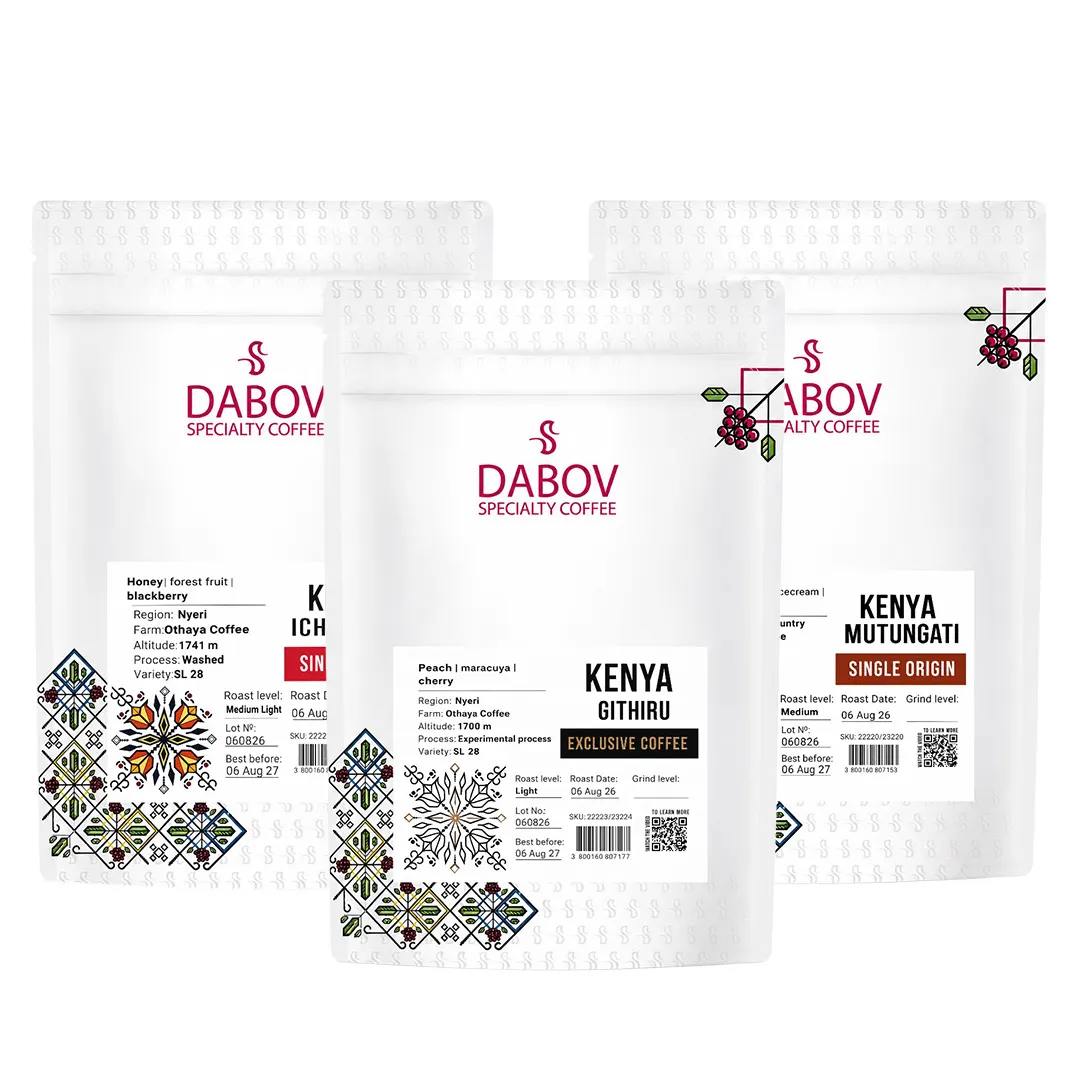
Every bag of freshly roasted specialty coffee you buy is a vote for that model. Browse our selection of roasted coffees, sourced with full lot traceability from farms where premiums reach the people who picked your cherries.
The Takeaway
From the thumb-check in the field to the grind dial in the morning, coffee's journey is one of accumulated craft. The picker who passes twice through a row of trees to take only the ready cherries, the station manager who checks the fermentation tank at midnight, the roaster who waits five days before evaluating the result — each is making decisions invisible in the final cup, but audible in it. Understanding this chain does not make coffee more complicated. It makes it more remarkable.