From Seed to Seedling: Cultivation Fundamentals
The two commercially dominant species are Coffea arabica and Coffea canephora (Robusta). Arabica accounts for roughly 60–65% of global output and thrives at elevations between 900 and 2,000 metres, where cooler temperatures slow cherry development and allow complex organic acids to accumulate. Robusta tolerates heat and humidity far better, grows from sea level to about 800 metres, and carries nearly double the caffeine of Arabica — a natural insecticide that partly explains its disease resistance.
Within Arabica, cultivar choice defines a farm's flavor ceiling. Bourbon and Typica are the classic high-cup-quality varieties; Caturra and Catuaí are compact mutations suited to dense planting; Gesha (sometimes Geisha) commands premium prices for its jasmine-tea florality. The cultivar a farmer plants today determines what a roaster can coax from the bean in three to five years.
Soil and altitude are inseparable. Volcanic soils in regions like Guatemala's Antigua Valley and Indonesia's Aceh province supply the mineral profile that coffee roots need. At elevation, the diurnal temperature swing — warm days encouraging photosynthesis, cool nights slowing sugar conversion — concentrates sweetness and acidity simultaneously. Farms below 1,200 metres rarely produce specialty-grade Arabica because the cherry matures too quickly to build complexity.
Harvesting: Where Quality Is Won or Lost
The harvesting decision is binary: pick only ripe red (or yellow, in some cultivars) cherries one at a time — selective hand-picking — or strip every cherry off the branch in a single pass regardless of ripeness. Strip picking, done manually or mechanically, is faster and cheaper. Selective picking costs roughly three to five times more in labour but is standard for any lot targeting an SCA score above 84.
A farm may pass through the same tree three to five times across a six-to-eight-week harvest window. Unripe cherries produce astringent, grassy cups; overripe cherries ferment on the tree and introduce vinegary defects. Neither defect can be roasted out.
In flat regions like Brazil's Cerrado, mechanical harvesters shake whole rows of trees and collect everything. The economics work because Brazil competes on volume; the trade-off is that processing must absorb more sorting labour to compensate for the ripeness variation.
Processing: The Biggest Flavor Fork in the Road
Once cherries leave the tree, the clock starts. Processors must move quickly to prevent uncontrolled fermentation. The three primary methods each produce distinctly different cups from the same green bean:
| Method | Mucilage Remaining | Drying Surface | Typical Cup Character |
|---|---|---|---|
| Washed (wet) | Fully removed | Raised beds or patios, 10–18 days | Clean, bright, terroir-transparent |
| Natural (dry) | Whole cherry dried intact | Sun-drying beds, 20–40 days | Fruity, wine-like, heavier body |
| Honey | 20–100% left on | Raised beds, 15–25 days | Syrupy sweetness, moderate acidity |
| Anaerobic | Variable, fermented in sealed tank | Varies | Intense, often tropical-fruit or boozy |
| Wet-hulled (Giling Basah) | Removed at 30–40% moisture | Patios at high humidity | Full body, low acidity, earthy |
In the washed process, pulping machines strip the fruit skin immediately after harvest. The beans, still coated in mucilage (a sugary layer), ferment in water tanks for 12–72 hours. Microorganisms break down the mucilage; the beans are then washed clean and dried. The result is the most transparent expression of the bean's origin — a Yirgacheffe washed Heirloom Arabica tastes like the Yirgacheffe highlands, not like the processing.
In the natural process, whole cherries dry in the sun for up to six weeks while the bean absorbs sugars from the drying fruit. Ethiopia and Yemen use this method historically because of limited water access. The payoff is intensity: blueberry, strawberry jam, dried mango. The risk is inconsistency — a week of rain during drying can ruin an entire lot with mold or over-fermentation.
Honey processing is a Brazilian and Costa Rican specialty. Pulping removes the skin, but some mucilage is left adhering. The proportion defines the honey designation: white (very little), yellow, red (heavy), black (maximum). Black honey lots can be nearly as fruit-forward as naturals while retaining slightly more acidity.
After drying, beans are hulled (the parchment layer removed), sorted by size and density, and hand-sorted or optically sorted for defects. The SCA's specialty-grade threshold allows zero primary defects in a 300-gram sample — a standard that eliminates a significant portion of any country's output.
Green Coffee: Export and Traceability
Specialty green coffee travels in 60-kilogram GrainPro bags nested inside jute sacks, or in vacuum-sealed foil bags for very high-value lots. The GrainPro liner blocks moisture and oxygen — the two main causes of green bean degradation during shipping. Transit from Mombasa to Rotterdam takes 20–25 days; from Buenaventura (Colombia) to New York roughly 10–14 days.
During this leg, importers play a quality-assurance role that most consumers never see. A reputable specialty importer cup-tests samples on both ends of the shipment — at origin before export and at destination after arrival — and records variance between the two scores. A drop of more than two SCA points signals something went wrong in transit.
Traceability has improved dramatically in the last decade. Many roasters now publish the GPS coordinates of the farms they source from and the lot numbers used in each bag. This transparency closes the loop: the roaster knows what it paid the farmer, the consumer can verify the chain, and the farmer has an incentive to maintain quality because their name is on the bag.
Coffee Roasting: Chemistry in 12 Minutes
Green coffee tastes grassy and earthy — nothing like the finished product. Roasting drives a cascade of chemical reactions that collectively transform about 800 compounds in the green bean into roughly 1,000 new aroma and flavor molecules.
The Maillard reaction — the same browning chemistry that creates crust on bread — begins around 155°C and runs until sugars are depleted. It produces the majority of roasted coffee's flavor complexity. Caramelization begins slightly later, around 170°C, adding sweetness and body. Together, these reactions are why a roaster who develops the bean too fast (a "baked" profile) produces a flat cup: the reactions ran, but too briefly to build depth.
First Crack is an audible cracking — CO₂ and steam escaping the bean's cell walls — that marks the beginning of drinkable coffee. Stopping the roast 30 seconds after first crack yields a light roast: high acidity, pronounced origin character, lower body. Stopping two minutes after first crack yields a medium roast: balanced acidity and sweetness, fuller body. Allowing the roast to proceed to Second Crack (around 224°C), when oils migrate to the bean surface, produces a dark roast: bitter, roasty, with origin character largely obscured.
The Agtron scale measures roast color quantitatively — a spectrophotometer scores ground coffee from 0 (black) to 100 (very light). SCA uses Agtron descriptors to standardize roast level communication between roasters and buyers.
Grinding: The Extraction Gate
Grinding is not a neutral step. Particle size determines the surface area of coffee exposed to water, which determines extraction rate. The goal is uniform particle size — not uniform grind setting, but genuinely uniform particles.
Burr grinders (conical or flat) slice beans between two abrasive surfaces and produce consistent particle distribution. Blade grinders chop randomly, producing a bimodal distribution: fine powder (over-extracts, tastes bitter) coexisting with large chunks (under-extracts, tastes sour). No amount of brew technique compensates for a bimodal grind.
Different brew methods require different particle sizes because contact time and flow rate vary:
| Brew Method | Grind Size | Particle Reference | Brew Time |
|---|---|---|---|
| Turkish ibrik | Extra fine | Flour | 4–5 min on stove |
| Espresso | Fine | Table salt | 25–30 sec |
| Moka pot | Fine-medium | Fine sea salt | 4–5 min |
| V60 / pour-over | Medium | Coarse sea salt | 2.5–3.5 min |
| Chemex | Medium-coarse | Ground pepper | 4–5 min |
| French press | Coarse | Rough sea salt | 4 min |
| Cold brew | Extra coarse | Breadcrumbs | 12–24 hr |
Brewing: Extraction as a Variable
Brewing is controlled extraction: pulling flavor from ground coffee into water. The SCA defines the ideal extraction yield as 18–22% of the dry coffee mass — meaning 18–22% of the grounds actually dissolve into the cup. Below 18% is under-extraction (sour, thin, grassy); above 22% is over-extraction (bitter, dry, harsh).
Four variables govern extraction: grind size (discussed above), water temperature (90–96°C for most brew methods), coffee-to-water ratio (typically 1:15 to 1:17 by mass for filter coffee), and brew time. Changing any one variable without adjusting the others shifts extraction yield.
Water chemistry matters more than most brewers realise. The SCA recommends 75–150 ppm total dissolved solids (TDS). Water that is too soft (very low TDS) extracts aggressively and unevenly; water that is too hard (high TDS, especially high bicarbonate) suppresses acidity and mutes brightness. Many specialty cafes use Third Wave Water mineral packets or a reverse osmosis system with controlled remineralisation.
Frequently Asked Questions
What is the biggest factor that determines a coffee's flavor?
Processing method and cultivar genetics collectively have the greatest impact, followed by roast level. Origin (soil, altitude, climate) sets the flavor ceiling, but a poorly executed natural process or an over-roasted bean will erase those advantages.
How fresh does green coffee need to be?
Green coffee is typically rested 30–60 days after milling before roasting, to allow moisture to equilibrate. After that, specialty green coffee stays in optimal condition for 12–18 months in proper storage (cool, dry, sealed). Unlike roasted coffee, green beans do not off-gas CO₂ and do not stale quickly.
Why does specialty coffee cost more than commodity coffee?
Specialty involves selective hand-picking, careful processing (raised beds, longer drying, more labour), lower yields per hectare for high-altitude Arabica, SCA cupping and grading at multiple points, and direct or premium-importer sourcing. Each stage commands a price premium over commodity-grade coffee harvested by strip-picking and processed through large wet mills.
How long after roasting should I use coffee?
Roasted coffee is at peak flavor 5–21 days post-roast, depending on the bean and roast level. Light roasts often need 7–10 days of degassing before the CO₂ bloom settles enough for even extraction. Dark roasts degas faster and can be used sooner, but stale more quickly once the CO₂ is spent.
The Takeaway
The lifecycle of coffee is a chain of compounding decisions: cultivar selection, harvest timing, processing method, green coffee handling, roast development, grind calibration, and brew execution. No single variable controls the result in isolation. A spectacular washed Gesha from a Benguet farm in the Philippines can be ruined by a flat roast profile or a coarse grind. Conversely, a skilled roaster can draw genuine sweetness and clarity from an average lot with excellent technique.
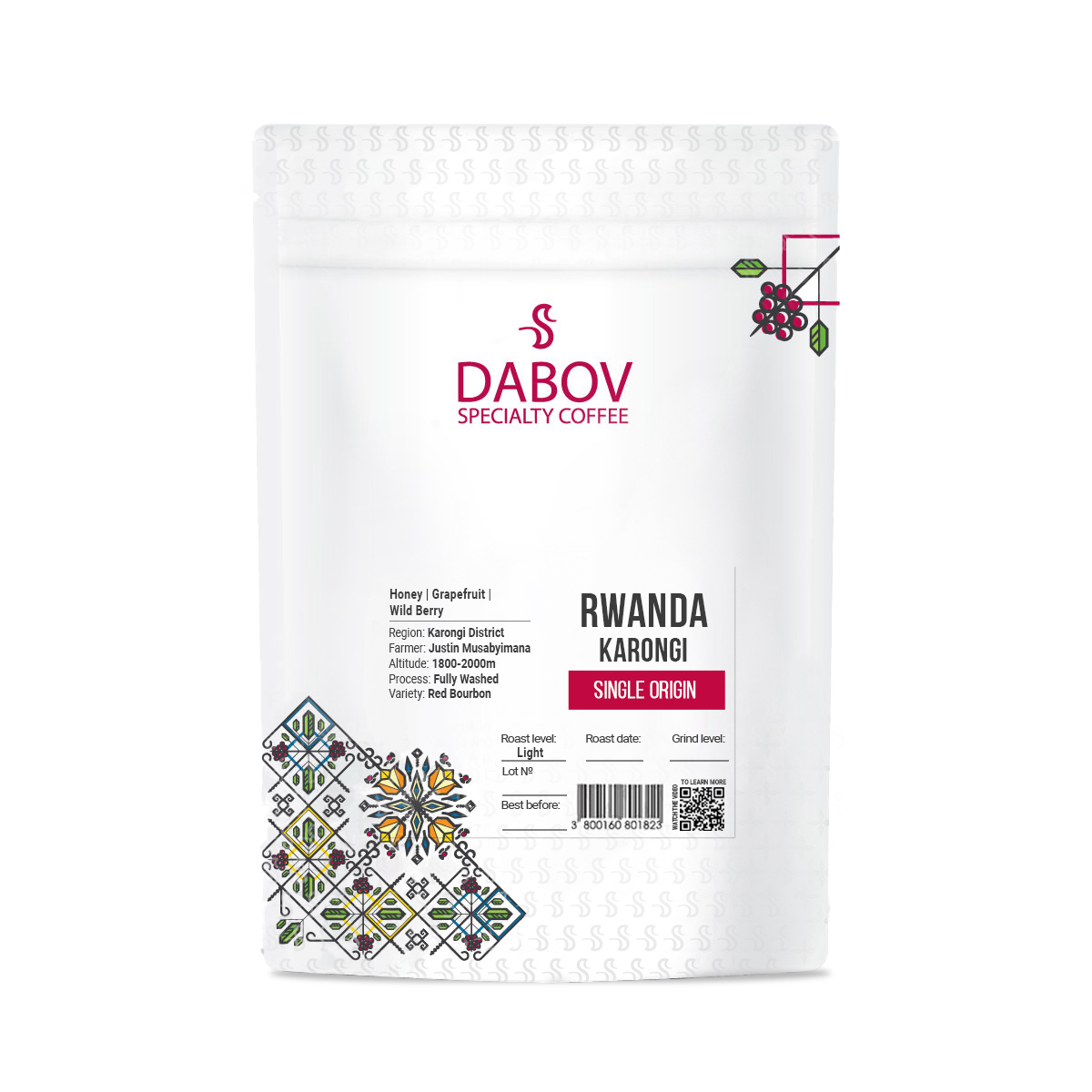
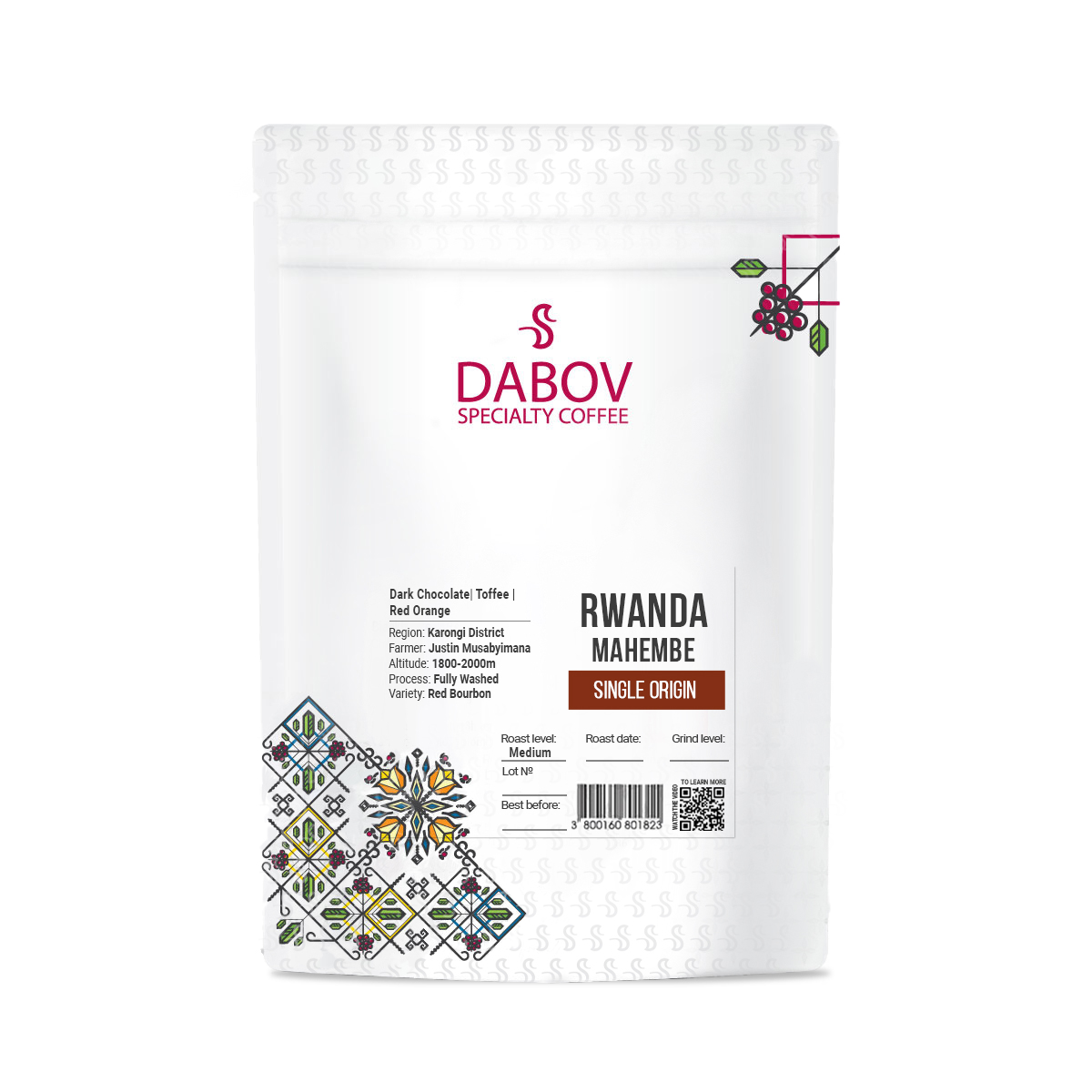
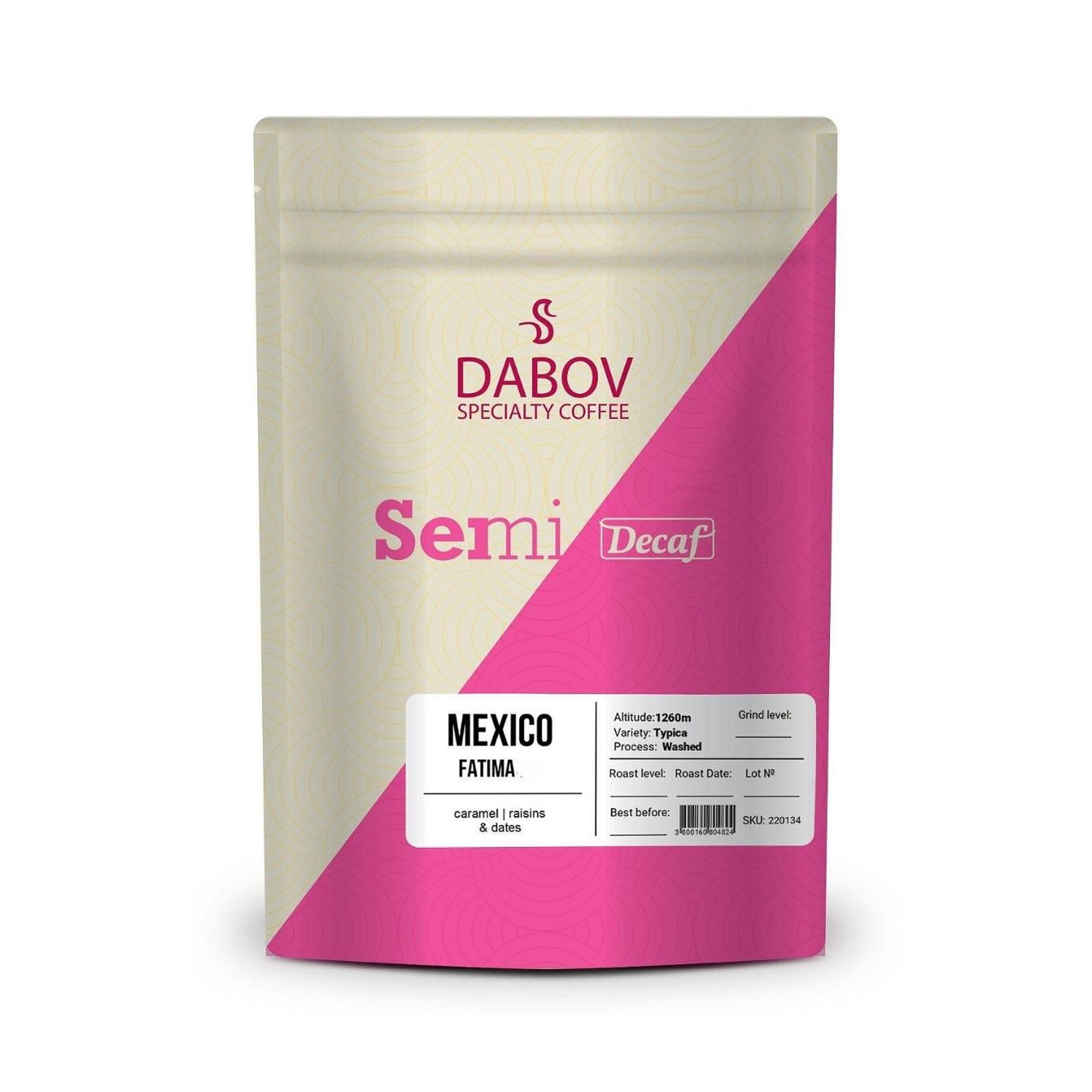
Understanding this chain makes you a sharper buyer — you know what questions to ask on a coffee bag, what "washed" or "natural" signals about flavor, and why a grinder upgrade matters more than a fancier kettle. Browse our roasted coffee selection to see these variables at work across different origins and processing methods, each lot sourced for traceable quality at every step of this journey.