Ethiopia: The Motherland of Coffea Arabica
Every coffee origin story traces back to one place. Ethiopia is not just the birthplace of Coffea arabica — it is the ecosystem where coffee still grows wild, unmanaged, in forests that have never been cleared for monoculture. Three major export regions define Ethiopian coffee for the global market: Yirgacheffe, Sidamo, and Harrar. Each is a distinct experience.
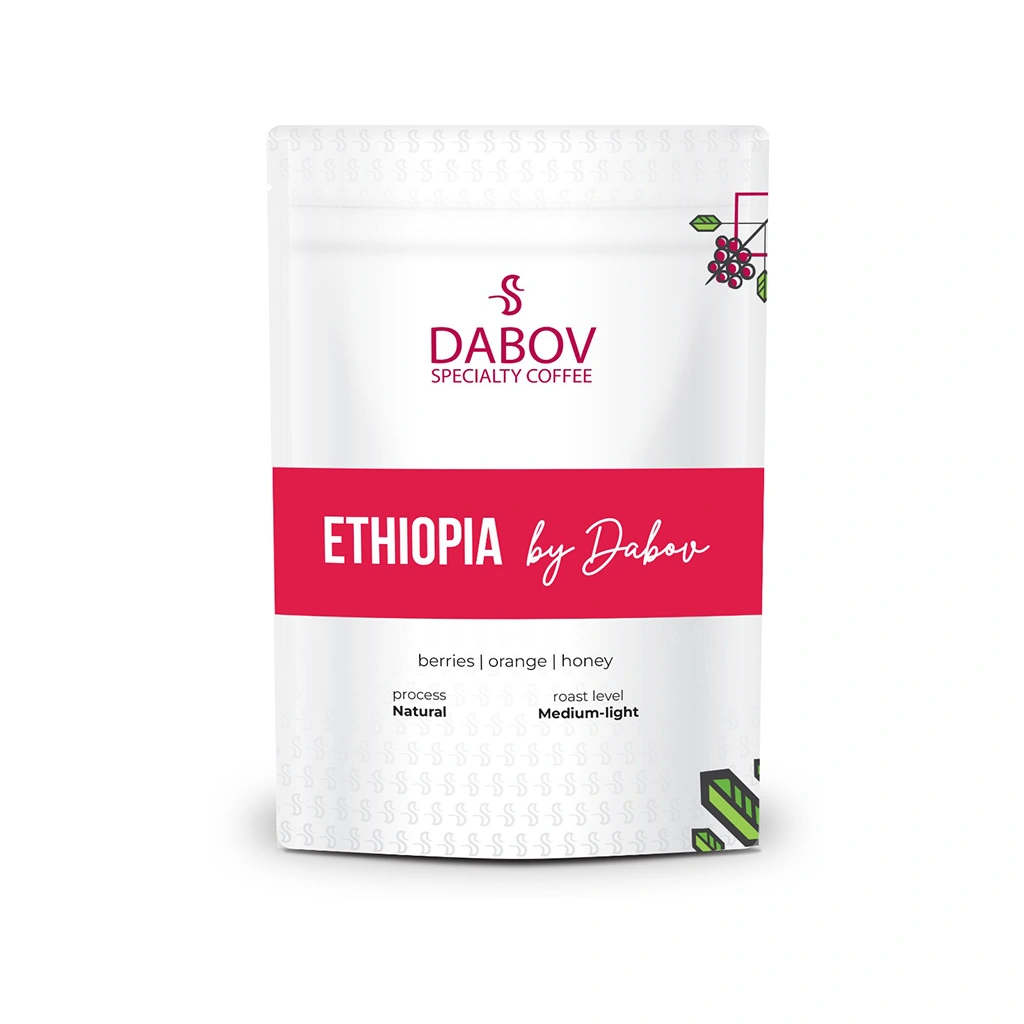
Yirgacheffe, a sub-region within the larger Gedeo Zone, grows coffee at 1,700–2,200 meters above sea level. The washed-process coffees it produces are among the most recognizable in specialty coffee: transparent citrus acidity, jasmine and bergamot aromatics, and a tea-like lightness that surprises first-time drinkers. Sidamo (officially Sidama) coffees are earthier and more rounded — natural-process Sidamo is one of the classic blueberry-forward cups. Harrar, in the country's arid eastern highlands, relies almost exclusively on sun-dried natural processing. Harrar coffees can be intense: wine-like, jammy, sometimes mocha-inflected.
Ethiopia's annual production sits near 7.5 million 60-kg bags, making it Africa's largest producer and the world's fifth-largest overall. Approximately half of all output is consumed domestically — unusual for a producer nation — which speaks to how deeply coffee is woven into daily Ethiopian life.
Heirloom Varieties and Genetic Complexity
Unlike most origins where a handful of named cultivars dominate, Ethiopia's highlands contain thousands of distinct coffee varieties, many unnamed. These are referred to collectively as "heirloom" or "landrace" varieties. Buyers see this on bags as "ETSL" varieties or simply "Ethiopian heirloom." The genetic diversity is not just ecologically important — it is the reason a washed Yirgacheffe smells nothing like a washed Guji from the same country. The two regions share a climate but harbor different genetic populations producing radically different flavor compounds.
The commercial consequence of this complexity is both opportunity and challenge. A roaster sourcing Ethiopian coffee cannot reliably specify a cultivar the way they can request a Gesha or a Pacamara. What they can do is specify the region, processor, and washing station — entities that capture the terroir within Ethiopia's genetic randomness.
The Ethiopian Coffee Ceremony
The Ethiopian coffee ceremony — called buna — is one of the world's oldest continuous coffee rituals. Green beans are roasted over coals in a flat pan, ground in a wooden mortar called a mukecha, brewed in a clay jebena pot, and poured from a height into small cini cups. The ceremony runs three rounds: abol, tona, and baraka. Guests do not decline; accepting coffee is a social obligation.
The ceremony is not merely hospitality. It is a forum for news, dispute resolution, and community decision-making. In many households it runs twice daily, morning and afternoon. Attending it — even as a visitor — gives access to the social logic that governs coffee culture in its origin country.
Kenya: The Science-Driven Origin
Kenya produces less coffee than Ethiopia — roughly 700,000 bags annually — but its quality premium is exceptional. Kenyan AA and AB grades (distinguished by bean screen size, not quality per se, though larger beans tend to fetch higher prices) regularly reach $8–15 per pound green at auction, among the highest for commodity-traded African origins.
The explanation is institutional. Kenya operates a national coffee auction in Nairobi where all licensed coffee must pass. Cooperatives, which aggregate output from thousands of smallholders, submit samples to liquorers (licensed tasters) who grade and classify each lot. This grading infrastructure, combined with the country's SL-28 and SL-34 cultivars, produces the signature Kenyan profile: high phosphoric-like acidity, blackcurrant and dark berry, sometimes a ripe tomato-like savory quality.
The SL-28 cultivar — selected by Scott Laboratories in the 1930s from a drought-resistant tree in Tanganyika — is responsible for much of Kenya's cup character. It is susceptible to coffee leaf rust, which is a persistent challenge, but its flavor yield is difficult to replicate with modern disease-resistant varieties.
Rwanda and Burundi: The Great Lakes Corridor
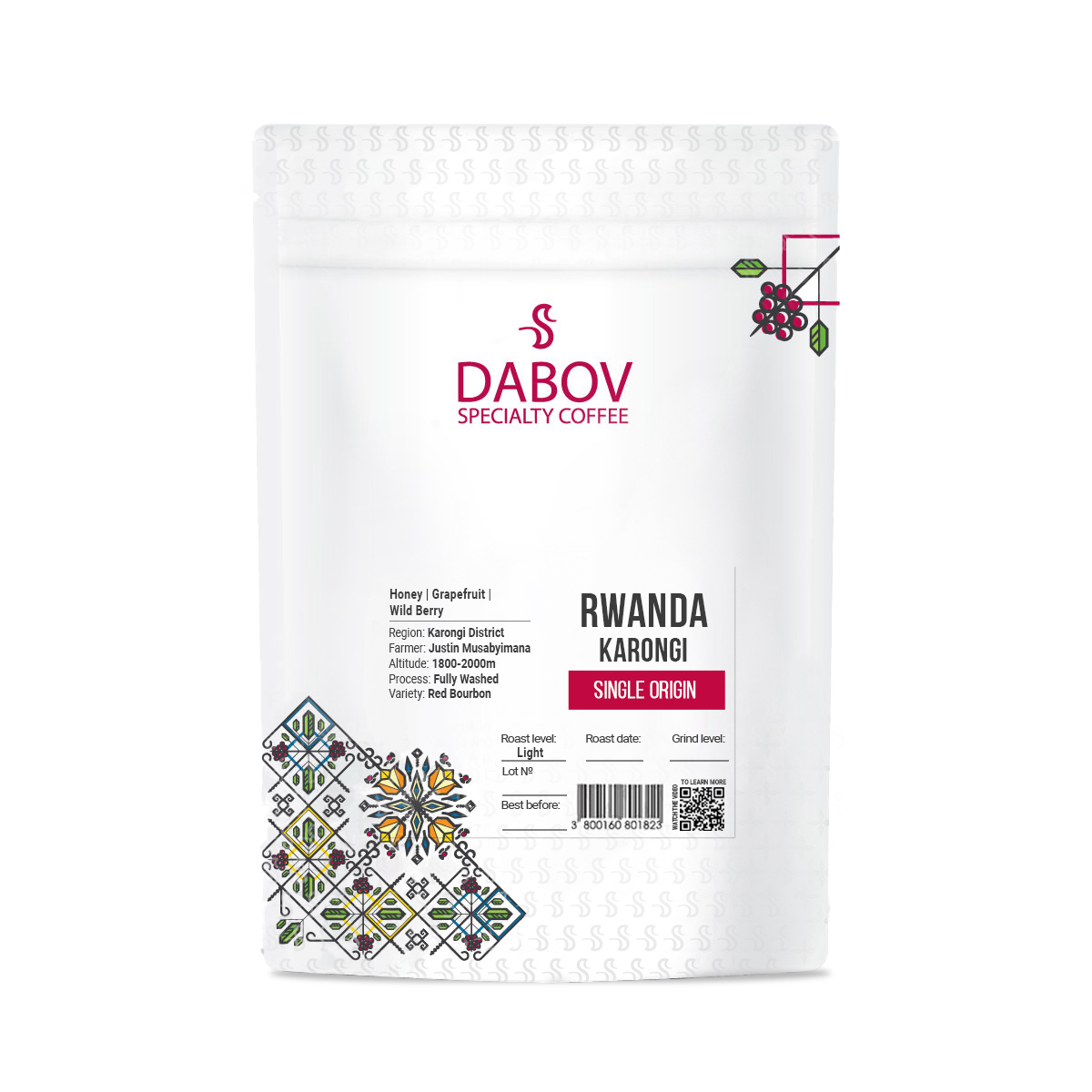
Rwanda's coffee sector was essentially rebuilt from scratch after the 1994 genocide. International NGOs, the government, and specialty buyers invested heavily in washing-station infrastructure through the early 2000s. The result is a new generation of fully washed Bourbon-varietal coffees with clean acidity, caramel sweetness, and a characteristic body sometimes called "buttery."
Burundi follows a similar flavor profile — high-altitude Bourbon, washed or honey-processed — but the supply chain is more fragmented. The Cup of Excellence, which has been held in both Rwanda and Burundi, has surfaced extraordinary lots from both countries and established a price discovery mechanism that rewards quality directly.
The Bourbon cultivar, which arrived in East Africa via the island of Réunion in the 19th century, is particularly well-suited to the Great Lakes corridor. Its cup quality at high altitude is exceptional; its susceptibility to coffee wilt disease and coffee berry disease is a persistent agronomic headache that cooperatives manage through certified nursery stock and agronomist field visits.
| Country | Key Cultivar | Processing | Altitude (m) | Flavor Signature |
|---|---|---|---|---|
| Ethiopia (Yirgacheffe) | Heirloom landraces | Washed | 1,700–2,200 | Jasmine, citrus, tea-like |
| Ethiopia (Harrar) | Heirloom landraces | Natural | 1,500–2,000 | Blueberry, wine, mocha |
| Kenya | SL-28, SL-34, Ruiru 11 | Washed | 1,500–2,100 | Blackcurrant, grapefruit, savory |
| Rwanda | Bourbon | Washed, Honey | 1,600–2,000 | Caramel, orange, buttery |
| Burundi | Bourbon | Washed | 1,400–2,000 | Dark fruit, brown sugar, floral |
| Tanzania | Kent, Bourbon | Washed | 1,400–2,200 | Black tea, citrus, wine |
| Uganda | Bourbon, SL-14 | Washed, Natural | 1,800–2,400 | Chocolate, nuts, balanced |
Uganda and Tanzania: Overlooked Producers with Depth
Uganda is Africa's second-largest producer by volume but receives little specialty attention. It grows predominantly Robusta at lower elevations, but Mount Elgon's Arabica — grown at 1,800–2,400 meters — produces genuinely excellent beans: chocolate, nuts, a satisfying sweetness, lower acidity than Kenyan equivalents.
Tanzania's Kilimanjaro peaberry is famous, but the southern highlands (Mbeya, Mbinga) produce full-sized beans with complexity rivaling better-known origins. The peaberry — a single ovule that forms in a cherry where two fertilizations fail to occur — is often more concentrated in flavor due to its rounder shape enabling more even heat distribution during roasting.
Both countries suffer from the same structural problem: their proximity to Kenya and Ethiopia means global buyers can obtain extraordinary coffees nearby with more established quality infrastructure. This keeps Ugandan and Tanzanian prices lower than quality warrants, which is an opportunity for buyers who research origin rather than simply reaching for the branded names.
Processing Methods and Their Flavor Consequences
Africa's major processing traditions are natural (dry) and washed (wet). A third method, honey processing, occupies the middle ground. Each decision shapes the cup profoundly.
Washed processing — dominant in Kenya, Rwanda, Burundi, and some Ethiopian regions — removes the cherry fruit before drying. Fermentation tanks dissolve the mucilage; the bean dries exposed. The result: clean, high-clarity cups where origin terroir expresses without fruit interference. Acidity is typically brighter and more defined.
Natural processing — traditional in Harrar and still common throughout Ethiopia — dries the whole cherry intact for 3–6 weeks on raised beds. The bean absorbs sugars from the fruit during this period. Flavor consequences: heavier body, wine-like fermented fruit notes, blueberry, and chocolate. Less transparency, more complexity.
Honey processing — less common in Africa, growing in Rwanda — removes the skin but leaves some or all mucilage on the bean during drying. "Yellow honey" retains less mucilage, "red honey" and "black honey" retain more, intensifying sweetness and body progressively.
African AA Grading and the Ethiopian Commodity Exchange
Grading terminology matters when buying African coffee. Kenya uses a screen-size system: E (Extra Large peaberry), AA (screen 18+), AB (screens 15–16), C, PB (peaberry). AA is the most marketed internationally, though some AB lots cup higher.
Ethiopia's grading is more complex. Grades 1 and 2 indicate washed specialty coffees; 3 and 4 are commercial. Region names — Yirgacheffe, Sidama, Limu — appear on the grade certificate. The Ethiopian Commodity Exchange (ECX), established in 2008, routes most coffee through a centralized warehouse and auction system. Critics argue this reduces single-farm traceability; defenders counter that it reduces fraud and creates more transparent pricing for smallholders.
Direct-trade buyers sometimes obtain exemptions from the ECX system to source from specific cooperatives with full lot traceability. This requires licensing and relationship-building, but it enables the kind of named-source transparency that specialty roasters increasingly require.
Domestic Consumption Trends Inside Africa
Africa was, for decades, an almost purely export-oriented coffee producer. That is changing. Nairobi now has multiple specialty coffee shops sourcing directly from Kenyan cooperatives and presenting brewing bars that rival any in London or Tokyo. Kigali's specialty scene has grown alongside Rwanda's position as a regional business hub. Addis Ababa supports a modern café culture layered on top of the traditional ceremony.
The domestic specialty market matters economically: farmers can access premium prices without international export logistics, and young Africans develop literacy about their own origin. Barista competitions in East Africa have launched careers, and several SCAA-certified Q Graders now operate from Ethiopia, Kenya, and Uganda — a structural shift that keeps quality assessment expertise in origin countries rather than exclusively in consuming markets.
"The future of Ethiopian coffee is not about what roasters in New York think of it. It is about what Ethiopians themselves come to demand of it." — A sentiment widely expressed among Ethiopian specialty coffee advocates.
Frequently Asked Questions
What does "washed Ethiopian" taste like compared to natural Ethiopian?
Washed Ethiopian (especially Yirgacheffe) is delicate, floral, and transparent — jasmine, bergamot, and light citrus without heaviness. Natural Ethiopian (especially Harrar or natural Sidama) is denser and fruit-forward: blueberry, dark cherry, wine. The two expressions are dramatically different from the same country.
Why does Kenyan coffee cost more than Ethiopian?
Kenyan coffee passes through a quality-controlled auction with professional liquoring. The SL-28 and SL-34 cultivars are labor-intensive, lower-yielding, and produce exceptional cups. Export requires licensing, and the smallest tradeable lot size is typically higher than in Ethiopia. All these factors compound into premium pricing.
Is African coffee more caffeinated than South American?
No meaningful correlation exists between origin and caffeine content at the varietal level. Arabica (the dominant species across Africa) contains roughly 1.2–1.5% caffeine by weight regardless of growing region. Roast level has a minor effect; lighter roasts retain slightly more caffeine by mass.
What is the Cup of Excellence and why does it matter for African coffee?
The Cup of Excellence (CoE) is an annual competition held in producing countries where lots scoring 87 points or above go to international online auction. Rwanda and Burundi have CoE programs; Ethiopia has a similar structure through its own competitions. Winning lots achieve prices 10–50x commodity rates, creating direct revenue incentives for exceptional quality.
Conclusion
African coffee is not a single category — it is a continent's worth of terroir, tradition, and processing ingenuity compressed into a handful of regions. Yirgacheffe's jasmine notes, Kenya's blackcurrant intensity, Rwanda's buttery Bourbon sweetness, and Harrar's wild fermented character occupy completely different taste universes despite sharing a continent. Understanding which region produces what, and why, turns the act of choosing a bag of coffee into something genuinely interesting.
The traditions that surround African coffee — the Ethiopian ceremony, the cooperative harvest rituals, the communal roasting — are not peripheral to the quality in the cup. They are part of the same system that has maintained genetic diversity, sustainable farming knowledge, and a cultural understanding of what coffee means when it is grown and consumed by the same people. Browse our roasted coffee selection to explore single-origin African offerings sourced with full traceability.