What Makes a Producer a Specialty Producer
Not every coffee farmer is a specialty coffee producer, and the distinction is not primarily about scale or geography. It is about a set of agronomic and processing decisions that consistently produce beans scoring 80 or above on the Specialty Coffee Association's 100-point cupping scale.
That 80-point threshold, evaluated by licensed Q Graders trained and certified by the Coffee Quality Institute (CQI), requires demonstrated quality across ten cupping attributes: aroma, flavor, aftertaste, acidity, body, balance, uniformity, clean cup, sweetness, and overall. Meeting this standard is not an accident of climate — it requires intentional cultivation decisions compounded over years.
The most common markers of a specialty-oriented producer:
- Selective hand-picking: only ripe red or yellow cherries harvested, with multiple passes through the same trees over the season
- Investment in processing infrastructure: raised drying beds for even airflow, wet mills with controlled fermentation, or experimental anaerobic processing tanks
- Variety selection for cup quality: planting Gesha, Bourbon, Typica, or indigenous Heirloom trees rather than high-yield Catimor hybrids
- Cupping practice at origin: producers who cup their own lots, understand quality signals, and reject sub-standard batches before export
Key Producer Profiles: Three Farmers Who Changed the Industry
Specialty coffee history is inseparable from the decisions of a few key individuals who proved that quality-focused production was economically viable and who set the models others followed.
Aida Batlle — El Salvador, Finca Mauritania: When global coffee prices crashed in the early 2000s to historic lows below $0.50 per pound, Batlle returned to her family's Finca Mauritania in Santa Ana instead of abandoning it. She implemented rigorous cherry sorting, meticulous raised-bed drying, and committed to quality over volume. In 2003, her coffee won El Salvador's inaugural Cup of Excellence competition — proving that a small Central American farm competing against commodity pricing could command premium prices on quality alone. Batlle's lots are now among the most sought-after in the specialty world, and she has trained dozens of producers across El Salvador in quality-first methodology.
Graciano Cruz — Panama, Janson Farm: Cruz represents the innovator archetype in specialty production. Working in Panama's Chiriquí province near Volcán Barú — the same altitude band where Peterson's Hacienda La Esmeralda put Gesha on the map — Cruz has pushed processing experimentation further than most. His "diamond process," a controlled anaerobic fermentation method, produces coffees with intense complexity and unique flavor profiles that have attracted attention from buyers who specifically seek his lots. Cruz demonstrates that the processing stage, not just varietal or origin, is a lever for flavor development at the producer level.
Asefa Dukamo — Ethiopia, Sidama Region: Starting with two hectares of coffee land in the 1990s, Dukamo built one of the most successful single-farm operations in the Sidama region by combining traditional Ethiopian cultivation practices with modern quality controls. His elevation — approximately 2000m above sea level — produces naturally slow-maturing cherries with high sugar density. The traceability of his lots, down to specific harvest dates and processing batches, has made them reliable references for roasters and importers sourcing Ethiopian naturals and washed coffees. Dukamo's success has enabled investment in local schools and infrastructure — a recurring pattern in successful specialty operations where farm revenue recirculates into community development.
The Geography of Specialty: Origins and What They Deliver
Specialty coffee is produced across a band that straddles the equator — roughly 25° north and south — where altitude, rainfall, and temperature variation create the conditions for complex bean development. Within that band, certain origins have earned specific reputations based on consistent quality and distinctive flavor profiles.
| Origin | Key Growing Regions | Flavor Profile | Processing Methods | Notable Varietals |
|---|---|---|---|---|
| Ethiopia | Yirgacheffe, Sidama, Guji, Harrar | Floral, tea-like, citrus, bergamot | Washed and natural | Indigenous Heirloom |
| Kenya | Mount Kenya, Nyeri, Kirinyaga | Berry, wine-like, black currant, bright acidity | Fully washed, double fermentation | SL-28, SL-34, Batian |
| Colombia | Huila, Nariño, Antioquia | Caramel, red fruit, balanced acidity, medium body | Washed | Caturra, Castillo, Gesha |
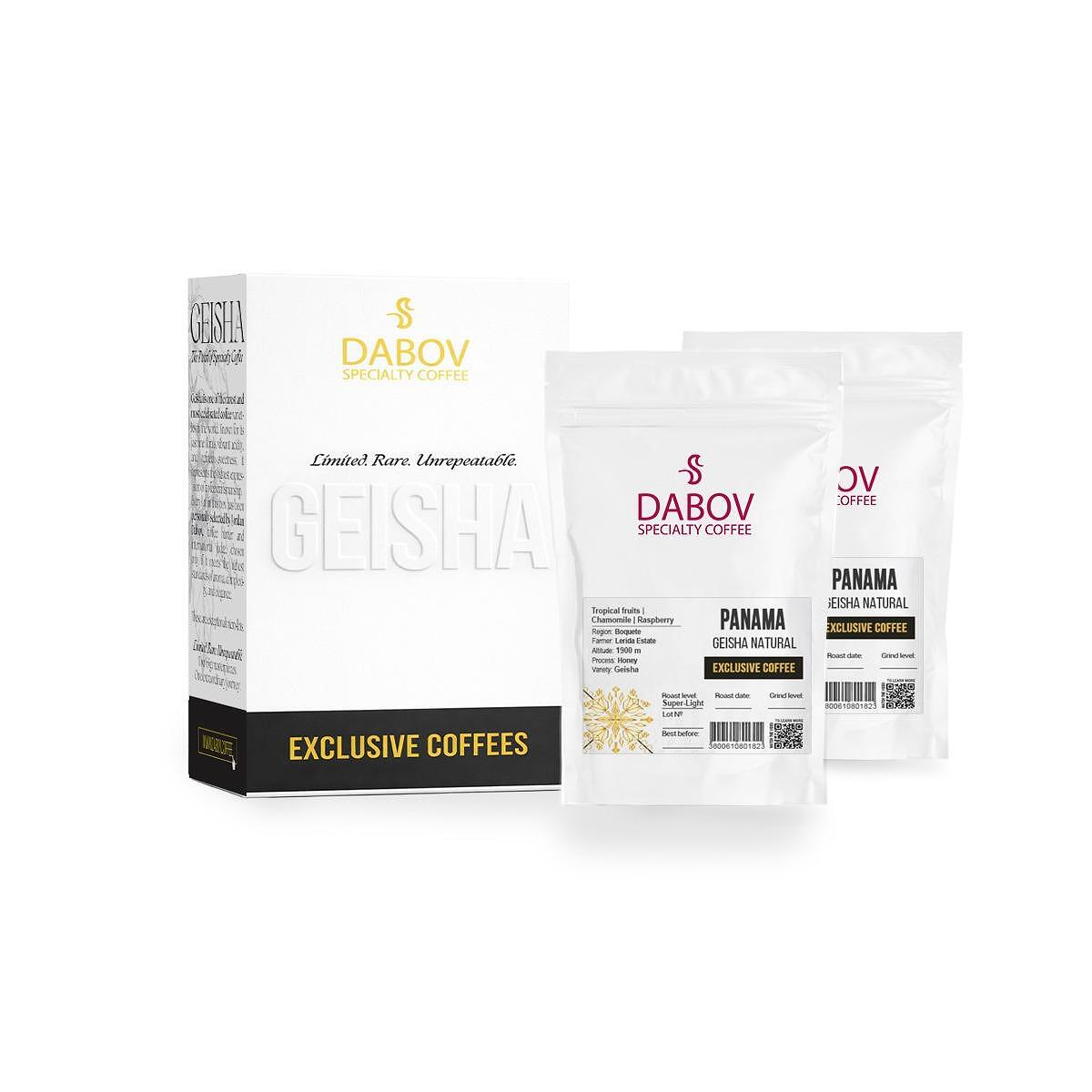
| Panama | Chiriquí (Volcán, Boquete) | Jasmine, bergamot, peach tea, ultra-delicate | Washed and natural | Gesha (Geisha) |
| Guatemala | Antigua, Huehuetenango, Atitlán | Chocolate, brown sugar, stone fruit, mild acidity | Washed | Bourbon, Caturra, Pacamara |
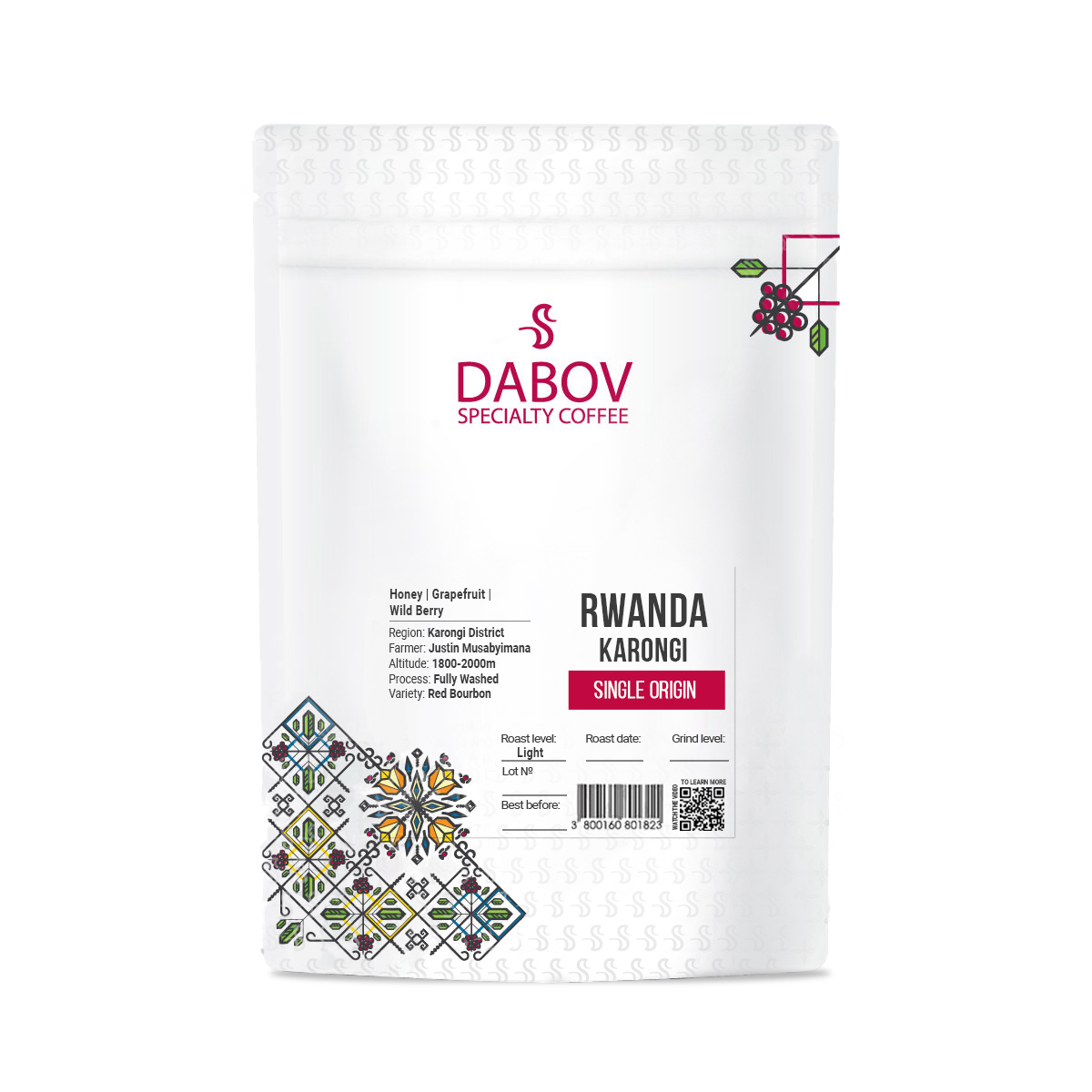
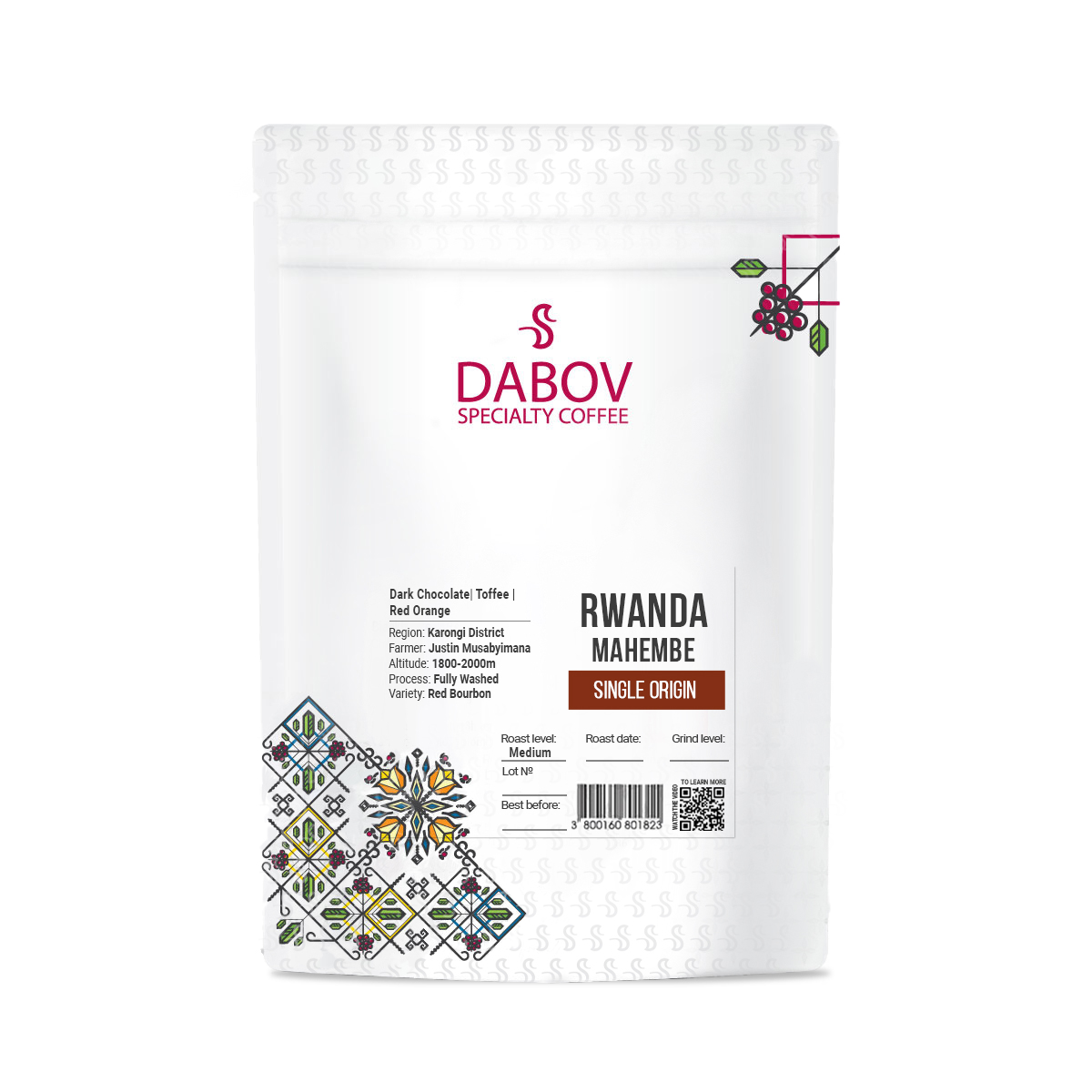
| Rwanda | Nyamasheke, Huye Mountain | Peach, apricot, black tea, wine | Washed | Red Bourbon |
The flavor differences between these origins are not manufactured by roasters — they emerge from the interaction of altitude, soil composition, rainfall patterns, and indigenous yeast populations in the processing environment. A Yirgacheffe washed in a clean, high-altitude wet mill produces jasmine and bergamot not because anyone added those flavors, but because the Heirloom varietals grown there at 1800–2200m have accumulated these aromatic compounds across centuries of adaptation to that specific environment.
"Specialty coffee is the first time in history that a farmer could be famous. The cup carries their name, their region, their choices." — Tim Wendelboe, Norwegian roaster and World Barista Champion
From Seed to Export: The Production Process
The journey of a specialty coffee lot from planting to export container is three to five years from the decision to plant, and several more months from harvest to your cup.
Harvesting is the first quality gate exclusively in the producer's hands. Selective hand-picking — returning to the same tree three to five times per harvest season, taking only ripe cherries — adds substantial labor cost. Strip-harvesting (pulling all cherries regardless of ripeness) is faster but includes unripe cherries that contribute harsh, astringent notes and ripe-overripe cherries that add fermented off-flavors.
Processing is the second major quality gate. Washed processing removes the fruit pulp within hours and dries the naked bean, producing clean, bright cups that emphasize origin terroir. Natural processing dries the whole cherry intact for three to six weeks, allowing fruit sugars to migrate into the seed, producing wine-like, fruit-forward cups with heavier body. Honey processing sits between — pulp removed, some fruit flesh (mucilage) retained on the bean during drying.
Drying is often the overlooked quality stage. Too fast, and the bean dries unevenly, with dry exterior and wet core — a source of inconsistent flavor. Too slow with inadequate airflow, and mold develops. Raised drying beds (elevated off the ground for consistent airflow) have become a specialty standard because they allow producers to control drying rate and monitor moisture levels precisely.
Challenges Producers Face
The coffee producer life is not romantic in daily practice. The structural challenges are severe, and climate change is compounding them.
Coffee leaf rust (Hemileia vastatrix) devastated Central American crops in 2012–2013 and remains a perennial threat. The fungus travels on wind and can wipe out 50–80% of a farm's crop in a single season. Specialty producers using organic methods face this threat without the synthetic fungicide options available to commodity farms.
Coffee berry borer (Hypothenemus hampei) burrows into coffee cherries and can cause 20–30% crop loss if not managed. The beetle is expanding its range as temperatures rise — farms at altitudes that were previously too cold for the pest are now experiencing first infestations.
Price volatility. The C-price has ranged from $0.75 to $3.00 per pound over the past fifteen years — a range that determines whether a commodity farm is profitable or bankrupt. Specialty producers with direct-trade relationships are partially insulated because their prices are negotiated above C-price, but they still face the general market's volatility for inputs (labor, fertilizer, transport).
Labor shortage. Coffee harvesting is skilled, physically demanding seasonal labor. As younger generations in coffee-producing countries migrate toward urban employment, farms in Colombia, Costa Rica, and El Salvador increasingly struggle to find adequate harvest labor. Some producers have experimented with mechanical harvesters, but the technology is not compatible with the steep terrain of most specialty-grade farms.
The Economics of Fair Trade, Direct Trade, and Transparency
The specialty industry has developed several models for improving producer compensation, each with distinct mechanisms and trade-offs.
Fair Trade certification guarantees a minimum price floor ($1.40–$1.60 per pound depending on certification body) and pays a community development premium ($0.20–$0.30 per pound above price). The floor helps in commodity price crashes; the premium funds cooperatives' infrastructure investment. Limitation: Fair Trade certifies process compliance, not cup quality, so the quality range within certified lots is wide.
Direct trade is an informal term (no standard certification) for roasters who negotiate directly with farms or small cooperatives, paying prices based on quality and relationship rather than market mechanisms. Prices typically range from $2.00 to $8.00 per pound for verified specialty-grade direct trade lots. The mechanism that makes it work: the roaster visits the farm, cups the lots, and agrees on a price that reflects the coffee's quality — creating an incentive for the producer to invest in quality improvement.
Transparent sourcing — publishing farm gate prices paid — is a third model emerging among progressive roasters who want consumers to understand what share of the retail price reaches the farmer. Brands like Intelligentsia, Onyx, and George Howell publish farm-gate prices on their labels. The practice creates accountability and allows consumers to evaluate the equity of a supply chain directly.
The Future: Climate Adaptation and Genetic Research
The specialty coffee sector is investing in the future in two primary ways.
Climate-resistant varietal development. World Coffee Research's F1 Hybrid program breeds first-generation crosses between high-cup-quality Arabica parents, targeting traits that include disease resistance, drought tolerance, and climate resilience. Early F1 hybrids like Milenio and Centroamericano have shown promising cup quality in trials alongside significantly improved yield under climate stress conditions. This research is existential for the specialty industry: some models project that up to 50% of currently suitable Arabica-growing land could be climatically unsuitable by 2050.
Producer education and cupping skills. The Alliance for Coffee Excellence and various origin-country programs now teach producers to cup their own lots using SCA methodology — allowing farmers to understand quality signals before the lots leave their control and to make processing adjustments based on sensory feedback. Producers who cup their own coffee tend to improve quality faster and command higher prices as a result.
Conclusion
Every cup of specialty coffee is the endpoint of decisions made years earlier by people who accepted that quality requires investment — in labor, in infrastructure, in agronomic knowledge — without certainty that the market would reward it. Aida Batlle choosing quality over abandonment in a market crash. Graciano Cruz running fermentation experiments that most farms would not risk. Asefa Dukamo building drying beds and cupping protocols in a region where commodity was the default.
Understanding this history does not change what the coffee tastes like, but it changes what the cup means. When you know the story behind the beans, the price premium is not an abstraction — it is the direct cost of the selectivity and craft that make specialty coffee possible. Browse our single-origin coffee selection for lots with full producer traceability, processing details, and sourcing transparency.