Why Clean Coffee Equipment Matters
Flavor Impact
Coffee oils begin oxidizing immediately after brewing, becoming rancid within hours. These stale oils accumulate on equipment—group heads, spray screens, filter baskets—and impart bitter, off-flavor notes to fresh coffee. A study in the Journal of Agricultural and Food Chemistry found that oxidized coffee oils create off-flavors detectable at concentrations as low as parts-per-million.
Result: identical beans brewed in clean versus dirty equipment produce noticeably different cups. The "dirty" equipment version tastes flat, bitter, or stale even when freshly roasted beans are used.
Equipment Longevity and Efficiency
Mineral deposits—calcium and magnesium from hard water—accumulate in heating elements, water lines, and pumps. Scale buildup reduces heating efficiency by up to 30%, forces pumps to work harder, and can cause complete blockages. The Water Quality Association estimates that descaling can restore heating efficiency and extend equipment life by 3–5 years.
Daily Cleaning Routines
Espresso Machines: Group Head and Portafilter
After each shot:
- Purge the group head: Run water through the brew group for 2–3 seconds without the portafilter attached to flush grounds and oils.
- Wipe basket and group head: Use a damp cloth to remove loose grounds and oil residue.
- Flush the machine: Run water through the group head again to ensure no grounds remain.
- Clean the steam wand immediately: Purge steam for a few seconds, then wipe with a damp cloth while warm. Milk residue hardens rapidly and becomes difficult to remove if neglected.
These 30 seconds of effort per shot prevent the bulk of maintenance problems.
Drip Coffee Makers
After brewing:
- Rinse brew basket and carafe: Empty grounds and rinse thoroughly with hot water to remove residual oils.
- Discard water filter: If your maker has a water filter, replace it monthly.
- Wipe exterior: Remove coffee splatter and fingerprints with a damp cloth.
- Run water cycle: With the carafe in place (no grounds), run a cycle of fresh water through the machine to rinse internal components.
Grinders
After grinding:
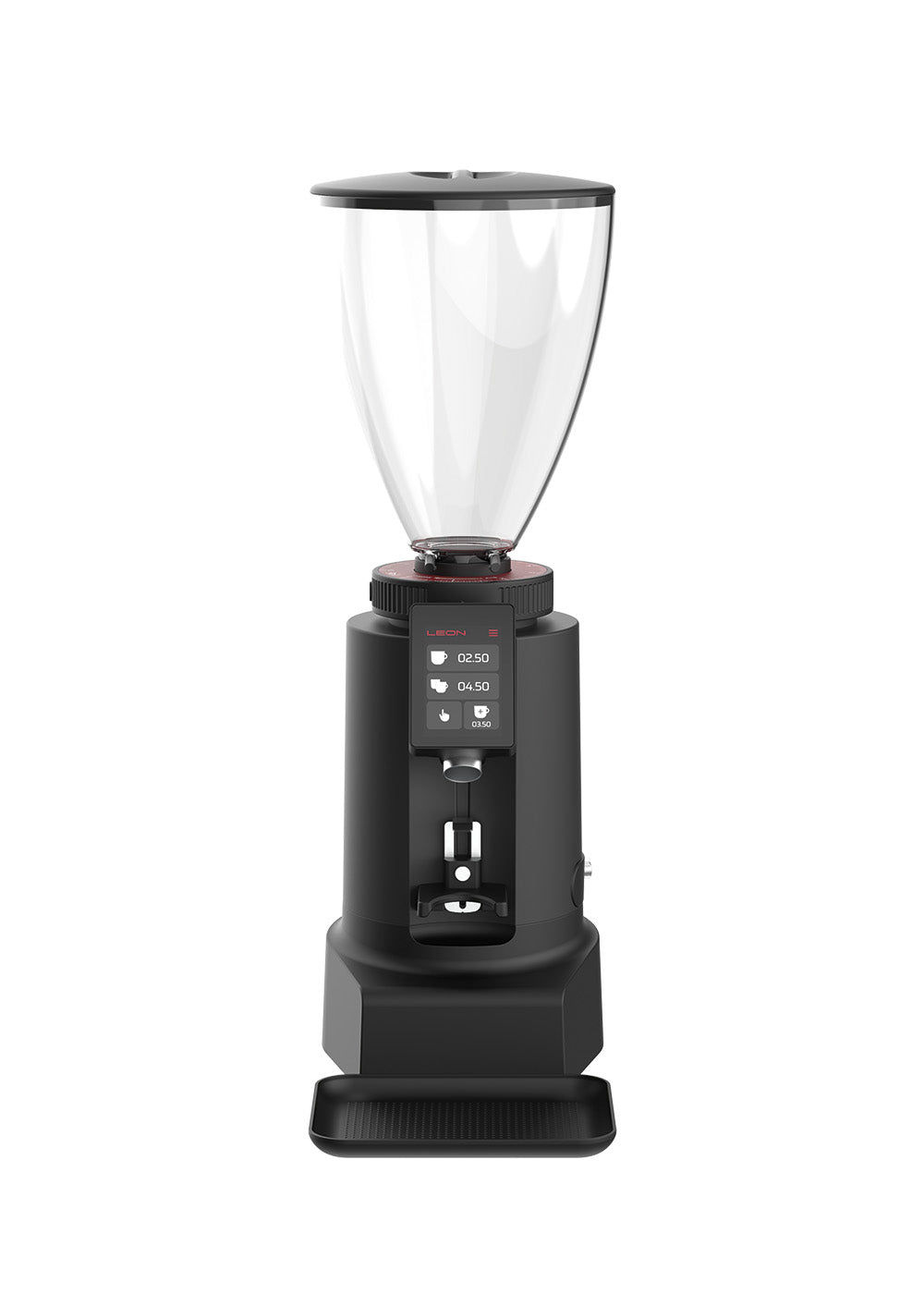
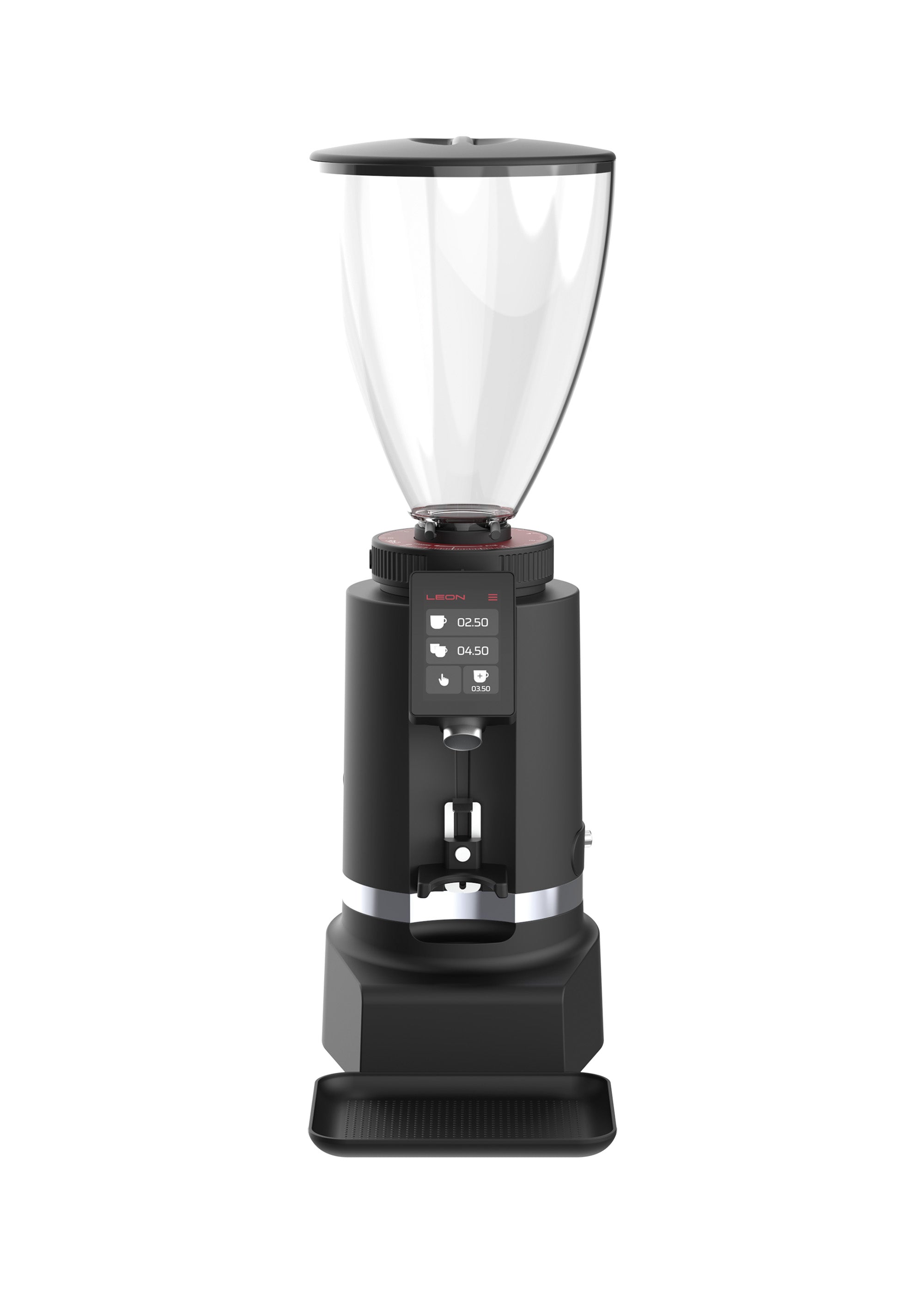
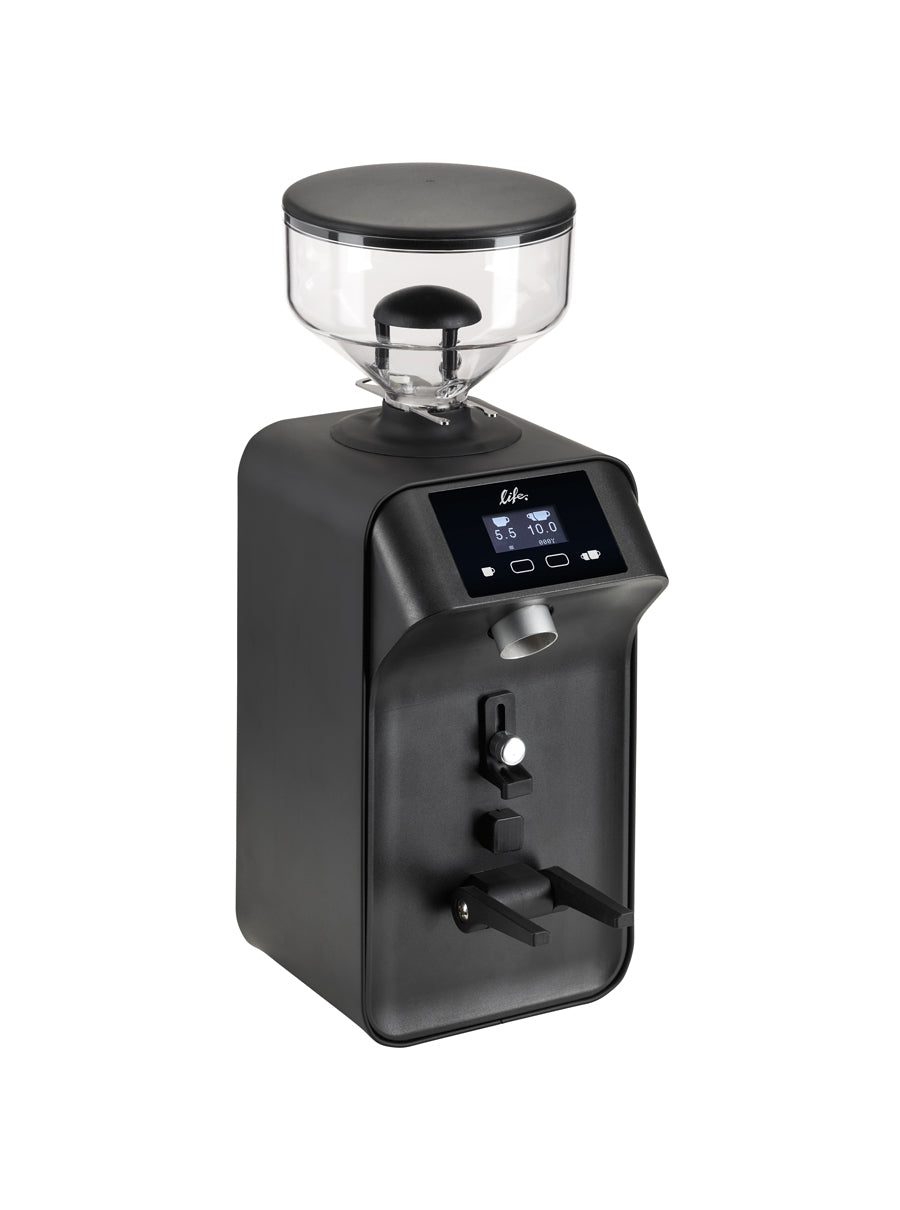
- Brush the grinding chamber: Use a soft-bristled brush to remove loose grounds from the burrs and chamber. This prevents oil accumulation and stale-ground contamination in future grinds.
- Wipe the chute: Remove any compacted grounds where the grind channel exits.
- Empty the hopper if using the same beans multiple days: Old beans' oils can turn rancid if left in the hopper for weeks.
French Press and Pour-Over
After brewing:
- Disassemble completely: Take apart the plunger mechanism, separate the mesh filter from the carafe.
- Rinse all parts: Hot water thoroughly rinses away grounds and oil film.
- Air dry: Place all components on a clean cloth or rack to dry completely before reassembly. Residual moisture promotes mold.
Weekly and Monthly Deep Cleaning
Weekly: Descaling and Component Soaking
Descale espresso machines and drip makers:
Using a commercial descaler or 1:1 white vinegar and water solution, run the descaling liquid through the machine as you would for normal brewing. Follow with 3–4 cycles of fresh water to rinse completely. Vinegar residue, if not thoroughly rinsed, imparts an off-flavor.
Soak removable parts:
Remove portafilters, baskets, shower screens, and drip trays. Soak in warm water with a specialized coffee equipment cleaner (Urnex Cafiza, Puro Caff) for 15 minutes, then scrub with a soft brush and rinse thoroughly. These cleaners break down stubborn coffee oils that water alone cannot remove.
Clean grinder burrs:
Consult your grinder's manual for disassembly instructions. Remove burr set, brush away ground residue, and consider using coffee grinder cleaning tablets (run them through the burrs as you would beans) to absorb oils. Clean, well-maintained burrs grind more consistently and last years longer.
Monthly: Comprehensive Maintenance
Inspect gaskets and seals (espresso machines): Check rubber components for cracks, brittleness, or loss of elasticity. Replace any degraded seals to prevent leaks and maintain pressure integrity.
Backflush espresso machines (if equipped with 3-way solenoid): Insert a blind filter basket (no holes) into the group head and run the pump for 1–2 seconds, then stop. This forces water backward through the group, dislodging compacted grounds and oils. Repeat 5–6 times with fresh water. This removes debris that normal flushing misses.
Check mineral buildup: Inspect water lines, boiler, and heating elements for scale. If significant buildup is visible, run a more aggressive descaling cycle or consider professional service.
Lubricate moving parts (lever-operated or super-automatic espresso machines): Apply food-grade lubricant to specified points (consult the manual) to keep mechanisms smooth and prevent sticking.
DIY Cleaning Solutions
Effective, inexpensive alternatives to commercial cleaners:
Vinegar and Water (1:1)
Best for: Descaling kettles, drip machines, carafes.
Method: Mix equal parts white vinegar and water. Run through the machine or soak parts for 15–30 minutes, then rinse thoroughly 2–3 times with clean water to remove vinegar smell.
Caveat: Vinegar is acidic and can be harsh on some equipment; avoid on delicate seals or high-end espresso machines (use commercial descalers instead).
Baking Soda Paste
Best for: Scrubbing stubborn stains from carafes, mugs, exterior surfaces.
Method: Mix 1/4 cup baking soda with 2–3 tablespoons water to form a paste. Apply to stains, let sit 15–20 minutes, then scrub gently with a soft sponge. Rinse thoroughly.
Citric Acid Solution
Best for: Descaling; gentler alternative to vinegar.
Method: Dissolve 1/2 to 1 teaspoon citric acid powder in 1 cup warm water. Use as a descaling solution for kettles or drip machines. More effective than vinegar on mineral deposits and lacks vinegar's strong smell.
Salt and Ice (Blade Grinder Cleaning)
Best for: Removing oils and residual grounds from blade grinders.
Method: Add 1/4 cup coarse salt and 1/2 cup crushed ice to the grinder. Run for 15–30 seconds, discard, and wipe clean. The salt and ice act as an abrasive, dislodging stuck particles.
Specialized Cleaning for Coffee Tools
Espresso Machine Group Head and Backflushing
The group head accumulates compressed coffee oils and fine ground particles over time. Backflushing—forcing water backward through the group—dislodges this debris.
Process (for machines with 3-way solenoid valve):
- Insert a blind basket (solid, no holes) into the portafilter.
- Lock the portafilter into the group head.
- Engage the pump for 1 second, then stop.
- Repeat 5–10 times with fresh water, observing the water that exits—initially dirty, gradually clearing.
- Finish by flushing with the normal basket to ensure no blind-basket residue remains.
Backflushing monthly dramatically improves shot consistency and flavor clarity.
Milk Frothers and Steam Wands
Milk protein hardens rapidly on steam wands, creating a layer that degrades milk steaming quality. Immediate cleaning is critical:
- Purge: Release steam for 2–3 seconds to clear milk from the wand tip.
- Wipe while warm: Use a damp cloth to wipe the exterior and tip immediately after steaming.
- Soak if hardened: If milk has dried, soak the wand tip in hot water with a small amount of coffee machine cleaner for 5 minutes, then scrub with a pipe cleaner.
Weekly disassembly of removable parts (if applicable) and soaking ensures full sanitation.
Coffee Grinder Burrs
Burrs require periodic deep cleaning:
- Consult the manual: Disassembly procedures vary by model; follow the manufacturer's instructions precisely to avoid damaging the mechanism.
- Remove beans: Empty all remaining coffee from the hopper.
- Brush away residue: Use a soft brush to remove ground particles from both burr surfaces and the grinding chamber.
- Run cleaning tablets (optional): Insert specialized grinder-cleaning tablets (usually made of biodegradable resin) and run them through the burrs to absorb oils. Discard the processed tablets.
- Reassemble: Carefully reassemble the burr set and verify the grind adjustment remains stable.
Frequency: Monthly for daily-use grinders; quarterly for occasional use.
French Press Mesh Filter
The mesh filter traps fine coffee particles and oils that impart off-flavors to subsequent brews:
- Disassemble immediately after brewing: Separate plunger from carafe.
- Rinse thoroughly: Run hot water through the mesh from both sides to dislodge trapped grounds.
- Soak if necessary: For stubborn buildup, soak the mesh in hot water with a small amount of coffee equipment cleaner for 10 minutes, then brush gently.
- Air dry completely: Residual moisture promotes mold growth; ensure the mesh is fully dry before reassembly.
Storage and Prevention
Proper storage prevents contamination and extends equipment life:
- Espresso machines: Leave powered on during the day (keeps components warm and dry); turn off at night. Keep drip tray slightly open to allow air circulation.
- Grinders: Store with the hopper empty to prevent oil rancidity; keep in a cool, dry place.
- French press: Store disassembled with all parts dry; reassemble only when ready to use.
- Pour-over equipment: Ensure glass components are completely dry; store in padded locations to prevent breakage.
Cleaning tools should be stored in a well-ventilated area; cleaning solutions in clearly labeled, sealed containers away from food items.
Addressing Common Cleaning Challenges
Stubborn Scale Buildup
Problem: Water lines appear discolored; heating is slow.
Solution: Run a more concentrated descaling solution (1:1 vinegar and water, or commercial descaler at double strength) through the machine for an extended cycle. May require multiple passes. For severe buildup, professional service may be necessary.
Mold in Water Reservoir
Problem: Visible mold or musty smell from the water reservoir.
Solution: Empty the reservoir completely. Fill with equal parts white vinegar and water. Shake vigorously, then let sit for 30 minutes. Rinse thoroughly 2–3 times with fresh water. Dry completely before refilling.
Rancid Smell from Grinder
Problem: Grinder smells stale or musty despite recent cleaning.
Solution: Run a batch of unscented baking soda through the grinder (as if grinding beans) to absorb odors. Discard the processed baking soda. If the smell persists, deep-clean the burr set and ensure the grinding chamber is completely dry.
Residual Vinegar Taste
Problem: After descaling with vinegar, coffee tastes sour.
Solution: Run 4–5 complete water cycles through the machine (no coffee) to fully rinse vinegar residue. Vinegar lingering in the boiler or lines requires multiple flush cycles to fully eliminate.
Conclusion: Cleanliness as Habit
Excellent coffee requires clean equipment. The good news: basic daily routines (rinsing, wiping, simple purging) prevent 90% of problems. These take less than a minute per brew session.
Monthly deep cleaning—descaling, component soaking, backflushing—maintains equipment efficiency and longevity. Even with hard water, a simple monthly descale cycle prevents the scale buildup that degrades performance.
Inexpensive DIY solutions (vinegar, baking soda, citric acid) perform as well as many commercial cleaners for routine maintenance. Reserve specialized cleaners for stubborn deposits or high-end equipment where gentleness is paramount.
Make cleaning part of your coffee ritual, not an afterthought. The investment of 5 minutes per day ensures your equipment performs optimally and your coffee always tastes fresh, clean, and true to the beans' character.
Discover how clean equipment amplifies coffee quality with our specialty coffee beans and roasted coffees—brewed in properly maintained gear, they shine.