Why Pour Over Exposes Bean Quality
Pour over is percolation: water passes through the grounds once, through paper, and into the cup. Nothing masks the bean. Immersion methods like the French press mute some of this, and milk hides the rest, but a V60 or Chemex cup is the bean, the roast, and the process, in that order.
- the single pass
That is why the same bag can taste remarkable in a pour over and unremarkable in a drip machine. The method rewards coffees with clear, specific flavor notes, and those coffees share three traits: a light or medium-light roast, transparent processing, and high-grown beans. You can shop by those three traits in the picks table below.
Roast Level: Start Lighter Than You Think
Pour over rewards light-to-medium roast single origins and punishes dark roasts, because paper-filtered percolation shows origin character. A medium or dark roast pushes roast flavor to the front, and there is little origin character left for the method to reveal.
All five picks below are Light or Medium-Light. If you are coming from dark-roast drip, start with Kenya Ichamama or Ethiopia by DABOV, both Medium-Light, before moving to the brighter Light roasts in our light roast coffee collection.
Process: Washed for Clarity, Natural for Fruit
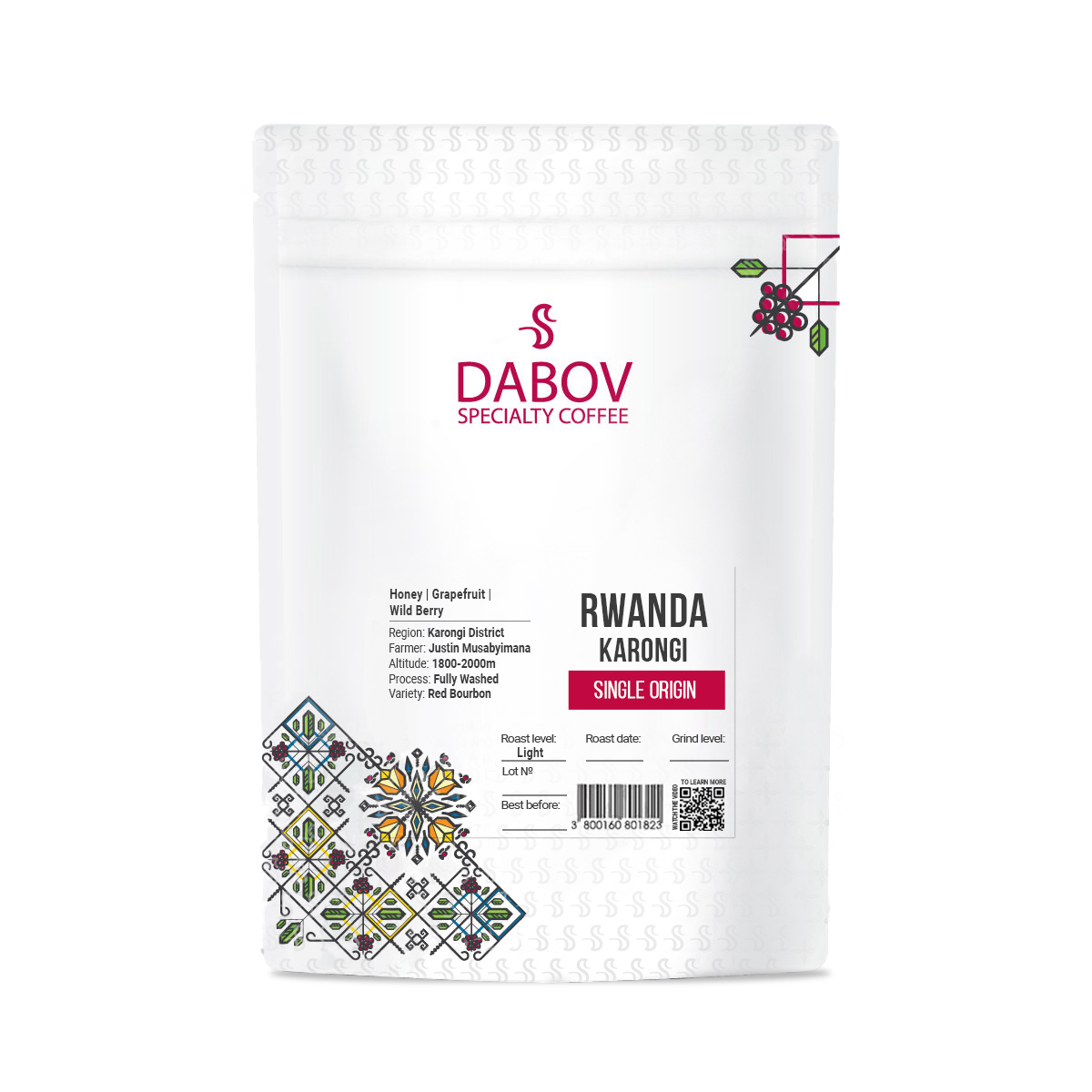
Washed coffees are dried without the fruit on the bean, so the cup reads clean and structured. Rwanda Karongi and Kenya Ichamama are the washed picks here, and Karongi is the purest example: honey, wild berry, and grapefruit in a bright, tea-like cup with a clean finish, from beans grown at 1,800 to 2,000 meters (about 5,900 to 6,600 feet) above Lake Kivu.
Natural coffees dry the whole cherry, which leaves fruit sugars in the cup. Ethiopia Bombe Alo, Colombia Helena Natural, and Ethiopia by DABOV are naturals, and Colombia Helena Natural is the clearest case for the method: its catalog copy names it perfectly suited for pour-over and espresso lovers alike, with vibrant acidity behind mandarin, molasses, and watermelon notes.
- the drying step
Freshness: The Month After Roast
Roasted coffee is unstable from the day it leaves the roaster: CO2 loss and aroma degradation are the main changes, and outgassing runs for about a month in whole-bean coffee. Buy the bag size you will finish in about a month. Pour over shows faded aromatics faster than milk-based drinks do, so this matters more here than it does for latte buyers.
Best Coffee for Pour Over: Our 5 Picks
Every coffee below is a Light or Medium-Light roast in the DABOV catalog, with flavor notes quoted from the catalog and prices at the smallest bag size.
| Coffee | Origin | Process | Roast | Flavor notes | From |
|---|---|---|---|---|---|
| Ethiopia Bombe Alo | Ethiopia (Bensa) | Natural | Light | Blueberry, Orange Blossom, Sweet Candies | $18.99 |
| Colombia Helena Natural | Colombia (Armenia) | Natural | Light | Mandarin, Molasses, Watermelon | $18.99 |
| Rwanda Karongi | Rwanda (Karongi) | Washed | Light | Berries, Honey, Grapefruit | $18.99 |
| Kenya Ichamama | Kenya (Nyeri) | Washed | Medium-Light | Honey, Forest Fruits, Blackberry | $18.99 |
| Ethiopia by DABOV | Ethiopia | Natural | Medium-Light | Berries, Honey, Orange | $17.99 |
Ethiopia Bombe Alo. A light-roast natural from Bensa grown at 2,080 to 2,280 meters (about 6,800 to 7,500 feet), with jasmine aromatics, a lemonade-like acidity, and a light body. Ethiopia Bombe Alo is the pick if you want the classic Ethiopian pour-over profile.
Colombia Helena Natural. A light-roast natural Caturra from Armenia, grown at 1,400 to 1,450 meters (about 4,600 to 4,800 feet). Colombia Helena Natural is the pick for a juicy, fruit-forward cup, and it is one of the few coffees in our catalog whose own copy calls out pour-over first.
Rwanda Karongi. A washed Red Bourbon roasted Light, grown at 1,800 to 2,000 meters (about 5,900 to 6,600 feet) in the volcanic highlands above Lake Kivu. Rwanda Karongi is the pick for clarity: gentle acidity, a clean finish, and berries, honey, and grapefruit that stay distinct in the cup.
Kenya Ichamama. A washed SL28 from Nyeri, grown at 1,700 to 2,000 meters (about 5,600 to 6,600 feet) and roasted Medium-Light. Kenya Ichamama is the pick for depth, with honey, forest fruits, and blackberry carrying more weight than the Ethiopian picks.
Ethiopia by DABOV. A Medium-Light natural Heirloom with berries, honey, and orange notes. Ethiopia by DABOV is the everyday pour-over bag: the same fruit-driven natural profile as the others, from $17.99.
The Grinder Question: Consistency Beats Size
A pour-over grinder needs to hold a medium-fine setting evenly, cup after cup. Blade grinders chop beans into a mix of fines and boulders, the fines over-extract, the boulders under-extract, and no bean above can survive that.
- the consistent bed
- uneven chop
Our pick is the Mahlkonig X54, the home grinder in our catalog listed as suitable for espresso, pour over, and French press. It runs 54 mm flat steel burrs (Mahlkönig documents flat burrs for the X54) with stepless adjustment across the full grind range, from $599.00, so the same machine dials in a V60 and an espresso machine.
Dial In Your First Brew
Grind medium-fine for a V60 and medium-coarse for a Chemex. Start at a 1:16 ratio, one gram of coffee for every 16 grams of water. Use water between 195 and 205F (90 and 96C), and start light roasts near 205F: darker roasts extract more easily and do better a little lower.
- 195F to 205F
Set the dose for your dripper with the coffee ratio calculator, and practice a structured pour with the 4:6 method calculator. Our grind size guide covers settings dripper by dripper, and the first V60 brew walkthrough takes you from empty dripper to finished cup step by step.
Mistakes to Avoid
- Brewing a dark roast and wondering where the fruit went. Pour over shows origin character, and dark roasts give it little to show.
- Starting with pre-ground coffee and losing the one dial that fixes most cups.
- Guessing the water temperature instead of keeping the kettle between 195 and 205F.
- Skipping the bloom and wondering why the extraction runs uneven.
- Buying more coffee than you brew in a month and calling the stale bag a bad origin.
Frequently Asked Questions
What roast level is best for pour over?
Light to medium-light. Pour over is a paper-filtered percolation method, so it shows origin character, and light and medium-light roasts are where that character is loudest.
What grind size should I use for pour over?
Start at medium-fine for a V60 and medium-coarse for a Chemex. Adjust from there: grind finer if the cup tastes thin or sour, coarser if it tastes bitter.
What is the best coffee ratio for pour over?
Start at 1:16, one gram of coffee per 16 grams of water, and move toward 1:15 for a stronger cup or 1:17 for a lighter one.
What water temperature is best for pour over?
Between 195 and 205F (90 and 96C). Light roasts extract more slowly than dark roasts, so start them near the top of that range.
Do I need a burr grinder for pour over?
You need consistent particle size more than you need any specific size, and a burr grinder is how you get it. A blade grinder works in a pinch, but expect to fight uneven extraction.
Which coffee grinder is best for pour over?
Our catalog pick is the Mahlkonig X54: 54 mm flat steel burrs, stepless adjustment across the full range, and listed as suitable for espresso, pour over, and French press. It is a home grinder, not a cafe machine.
Are natural or washed coffees better for pour over?
Both work, and they do different jobs. Naturals like Ethiopia Bombe Alo lean fruity and sweet, washed coffees like Rwanda Karongi read cleaner and brighter. Pick by the cup you want today.
How fresh should coffee beans be for pour over?
Buy coffee you can finish within about a month of roast: CO2 loss and aroma degradation are the main changes after roasting, and outgassing runs about that long in whole-bean coffee. Buy bag sizes that fit that window.
What are the best beans for a Hario V60?
A light or medium-light single origin with clear flavor notes, ground medium-fine. Ethiopia Bombe Alo is the classic fit: jasmine aromatics, lemonade-like acidity, and a light body that suits the V60.
Why does my pour over taste sour or bitter?
Sour usually means under-extraction, so grind finer, pour slower, or use water near 205F. Bitter usually means over-extraction, so grind coarser or ease off the agitation.
Conclusion
Pour over needs a better bean before it needs a better recipe: pick a light or medium-light roast, washed for clarity or natural for fruit, and grind it fresh. Start with Ethiopia Bombe Alo, grind it medium-fine, and let the method show you what the bean can do.