The Case for Decaf: Beyond the Stigma
Decaf coffee has a reputation problem it mostly doesn't deserve. For decades, it was synonymous with weak, flat, vaguely chemical-tasting liquid that existed only as a concession to people who had been told by their doctor to cut caffeine. That reputation reflects the reality of mass-market decaf processed cheaply and roasted dark to hide defects — not the category's actual ceiling.
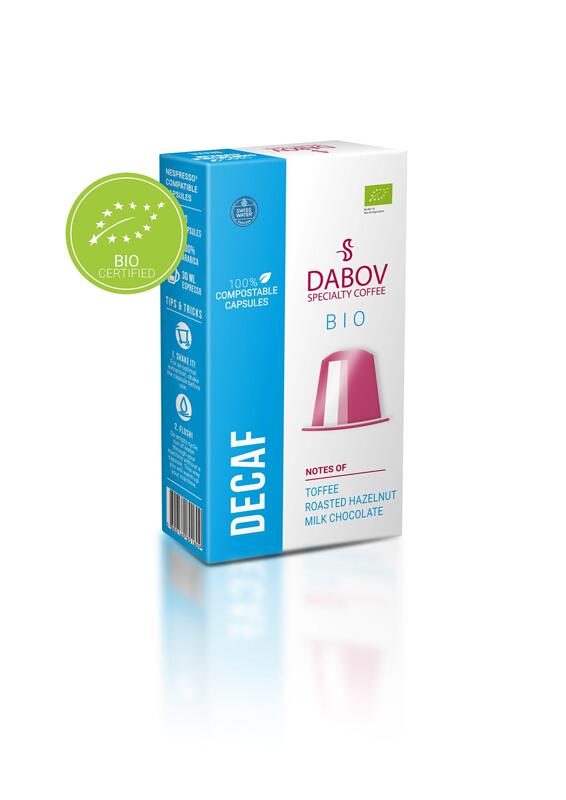
Modern decaf, particularly at the specialty level, is a different product. High-quality Arabica beans decaffeinated using the Swiss Water Process or the sugarcane-derived EA (ethyl acetate) method, then roasted with the same care as a regular single-origin, can produce cups that are genuinely difficult to distinguish from their caffeinated equivalent. The question of whether to switch to decaf is not primarily a question of taste sacrifice. It is a question of caffeine tolerance, sleep quality, and health priorities.
How Decaffeination Actually Works
There are four principal methods used commercially to remove caffeine from green coffee beans. Each takes a different approach to the selective extraction of caffeine, and each leaves a different fingerprint on the finished cup.
Swiss Water Process (SWP): The most common specialty-grade method. Green beans are soaked in hot water, which dissolves caffeine and flavor compounds alike. That water is then filtered through activated charcoal sized to trap caffeine molecules while allowing smaller flavor molecules to pass through — producing what the industry calls Green Coffee Extract (GCE). A fresh batch of green beans is then soaked in this caffeine-free GCE. Because the GCE is already saturated with flavor compounds, it extracts only caffeine from the new batch, leaving flavor intact. The process is solvent-free and certified organic-compatible.
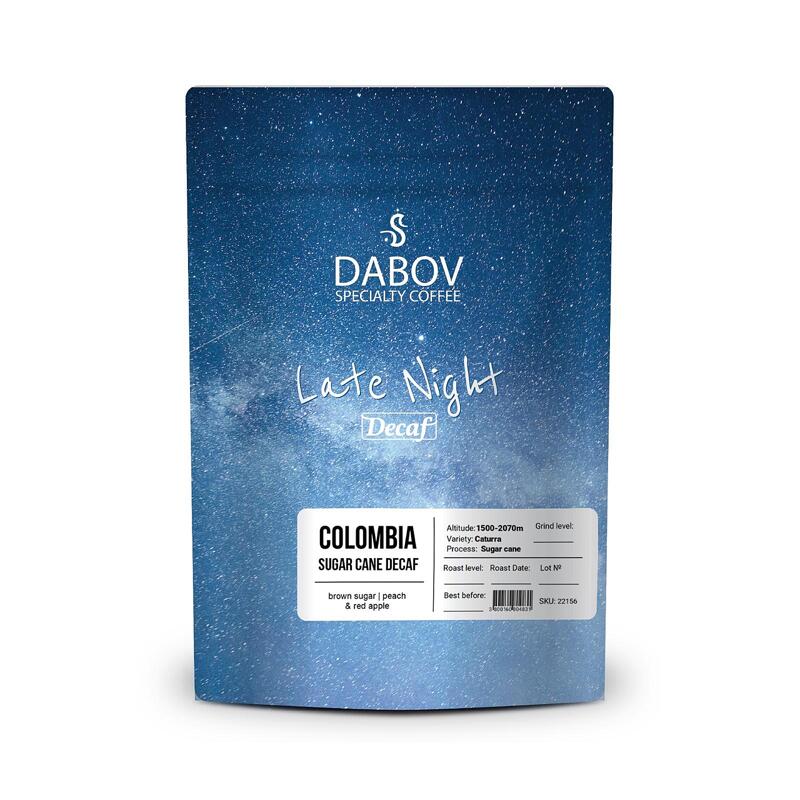
Ethyl Acetate (EA) / Sugarcane Process: Ethyl acetate derived from the fermentation of sugarcane is used as a selective solvent. Because EA occurs naturally in many foods (including ripe fruit), this method is often marketed as "natural process" decaf. Widely used in Latin American coffees, particularly Colombian and Brazilian lots. EA decafs often retain a slightly fruity, sweet character.
Methylene Chloride (DCM) Process: A chemical solvent bonds with caffeine molecules after the beans are steamed open, then is removed by steaming again. Heavily regulated; residual levels must be below 1 ppm. Standard in many commercial decafs due to low cost. The European Union has set progressively tighter limits on DCM use, driving a shift toward SWP and EA methods at the specialty end.
Supercritical CO₂ Process: Uses CO₂ under extreme pressure as a selective solvent. Produces exceptionally clean cups with minimal flavor disruption, but requires costly industrial equipment. Rare but growing in premium specialty applications.
| Decaf Method | Solvent | Flavor Retention | Specialty Use | Certification |
|---|---|---|---|---|
| Swiss Water Process | Water + activated charcoal | Excellent | Very common | Organic-compatible |
| Sugarcane EA | Ethyl acetate (natural) | Very good | Common in Latin American lots | Organic-compatible |
| Methylene Chloride | DCM (synthetic) | Good | Common in commercial | Not organic |
| CO₂ Process | Supercritical CO₂ | Excellent | Rare, premium | Organic-compatible |
The decaffeination method matters because it partially determines what flavor precursors survive into the final cup. SWP and EA methods generally deliver the most complete flavor retention in specialty applications.
Why People Switch to Decaf: The Physiological Case
Caffeine acts as an adenosine receptor antagonist. Adenosine is the neurotransmitter that accumulates in the brain during waking hours and induces the feeling of drowsiness. Caffeine blocks those receptors, delaying the onset of sleepiness and increasing arousal — useful in the morning, problematic later in the day.
The half-life of caffeine in a healthy adult is approximately 5–6 hours. That means half of the caffeine from a 3 pm cup of regular coffee is still circulating in your bloodstream at 9 pm. For a meaningful portion of the population — particularly those with the CYP1A2 gene variant associated with slow caffeine metabolism — the half-life can extend to 9–10 hours, making even a midday cup potentially disruptive to sleep architecture.
Beyond sleep, high caffeine intake is associated with increased anxiety in predisposed individuals, elevated heart rate and blood pressure (transient but real for hypertension patients), gastroesophageal reflux via lower esophageal sphincter relaxation, and increased cortisol response in some subjects. None of these effects are universally severe — most people tolerate moderate caffeine without acute problems — but for those on the threshold, switching afternoon and evening coffee to decaf can produce measurable quality-of-life improvements.
The Antioxidant Question
A common concern about decaf is that it sacrifices the health benefits of regular coffee. The reality is more nuanced.
Coffee's most studied health-relevant compounds — chlorogenic acids (CGAs), trigonelline, and various melanoidins — are not caffeine. They are distinct molecules that survive decaffeination largely intact, particularly with gentler methods like SWP. The antioxidant capacity of decaf coffee is comparable to that of regular coffee when matched for roast level and origin quality.
A study in Molecular Nutrition and Food Research demonstrated that SWP decaf retained approximately 92–95% of the chlorogenic acid content present in the corresponding non-decaffeinated green coffee. CGAs have been associated with improved glucose metabolism, reduced post-meal glycaemic response, and anti-inflammatory effects.
The one class of health research where regular coffee has a documented edge over decaf is neurological: caffeine itself shows a modest protective association with Parkinson's disease risk in multiple large cohort studies. This is a caffeine-specific effect, not a coffee effect. For someone switching to decaf to improve sleep, the trade-off in Parkinson's-specific protection is real but marginal compared to the well-documented cognitive impairment caused by chronic sleep disruption.
Specialty Decaf vs. Commercial Decaf: The Quality Gap
The failure mode of most decaf is not the decaffeination process — it is the starting material. Commercial decaf typically uses lower-grade Robusta or commodity Arabica lots that would not be notable as regular coffee. Decaffeination adds cost; the economics of cheap green coffee plus an extra processing step favor using beans that were never going to be exceptional anyway.
Specialty decaf inverts this logic. High-scoring Arabica lots — Ethiopian Washed, Colombian Huila, Guatemalan Huehuetenango — are decaffeinated (typically via SWP or EA), then roasted with the same profile discipline applied to the non-decaf versions of those origins. The resulting cup expresses terroir, processing character, and varietal identity that is simply unavailable in commercial decaf.
The flavor difference between specialty SWP decaf and commercial DCM decaf is roughly comparable to the difference between a specialty single-origin and a gas station house blend. They are technically the same product category — roasted coffee — but they are not comparable experiences.
"The best decafs I've tasted in the past five years would be competitive in any cupping at any roaster. The category has matured enormously." — A leading specialty importer at the 2023 SCA Expo
Transitioning from Regular to Decaf
Abrupt elimination of caffeine causes withdrawal symptoms in habitual consumers: headaches, fatigue, irritability, and difficulty concentrating. The symptoms typically peak at 1–2 days and resolve within 5–7 days. They are physiological, not psychological — caffeine dependence is a mild physical dependency, and the body adapts.
A gradual transition avoids or minimizes these symptoms:
Week 1: Replace one regular cup per day (preferably the last one) with a quality decaf. Keep everything else identical — same brewing method, same ritual.
Week 2: Replace the second-to-last daily cup with decaf. By now, your daily caffeine intake is reduced by roughly 30–40%.
Week 3: Make the decision point: continue until decaf is your primary coffee, or find a stable equilibrium — perhaps regular in the morning, decaf from noon onward — that aligns with your sleep quality goals.
The key to making the transition sustainable is quality. If your decaf tastes inferior to your regular coffee, you are fighting a sensory downgrade alongside a physiological adjustment. Investing in a good specialty decaf makes the transition substantially easier.
Brewing Decaf for Best Results
Decaf beans behave slightly differently from their caffeinated equivalents due to the structural changes that occur during decaffeination. The process softens cell walls, which can slightly accelerate extraction — meaning decaf can over-extract faster than regular coffee at the same grind and brew parameters.
Practical adjustments:
- Grind slightly coarser for your chosen method to account for faster extraction. Start one or two clicks coarser on your burr grinder.
- Water temperature: 92–94 °C is often better than the 96 °C typical for lighter-roasted regular coffee. The softer cell structure extracts efficiently at slightly lower temperatures.
- Coffee-to-water ratio: Start with the same ratio you use for regular coffee, then adjust to taste. Some decafs benefit from a slightly higher dose (1:14 rather than 1:16) to compensate for any flavor attenuation from processing.
- Freshness matters more: Decaf beans degas CO₂ more quickly post-roast and stale faster. Buy in smaller quantities, and try to brew within 2–3 weeks of the roast date.
Frequently Asked Questions
Is decaf coffee completely caffeine-free?
No. Federal regulations in the US require removal of at least 97% of naturally occurring caffeine. The residual 2–15 mg per 8 oz cup is negligible for most people but may matter for those with extreme sensitivity, certain cardiac conditions, or during pregnancy where physicians recommend limiting caffeine intake.
Does decaf taste different from regular coffee?
Quality decaf from the same origin and roast level as its regular counterpart is often indistinguishable to casual tasters in blind comparisons. Mass-market decaf tastes worse primarily because it starts with lower-quality green coffee and uses cheaper processing. Specialty SWP or EA decaf from a good roaster is genuinely comparable.
Can I use the same brewing method for decaf?
Yes, with minor adjustments. A slightly coarser grind and marginally lower water temperature (92 vs. 96 °C) compensates for the faster extraction rate of decaffeinated bean cell structures. Otherwise, the method, ratio, and timing remain the same.
Is decaf coffee good for weight management?
Caffeine has a modest thermogenic effect (increases metabolic rate by approximately 3–11% depending on tolerance and dose). Switching to decaf removes this effect. However, decaf coffee retains chlorogenic acids, which have been studied for their impact on glucose and fat metabolism independently of caffeine. The net weight-management difference between regular and decaf is small for most people.
What certifications should I look for in decaf?
For maximum transparency: Swiss Water Process certification (available on many SWP-processed bags), USDA Organic (available for EA and SWP methods), and specialty-grade sourcing documentation (roast date, origin, varietal). These together indicate a product that prioritizes quality at every stage of production.
Conclusion
Switching to decaf — or incorporating decaf strategically — is not a concession. It is a calibration. If your sleep, anxiety levels, or caffeine tolerance has reached a point where regular coffee's costs are beginning to outweigh its benefits, specialty decaf offers a genuine alternative that preserves the ritual, the complexity, and most of the health properties of regular coffee.
The category has matured significantly. The stigma attached to decaf belongs to a generation of poorly processed commercial product, not to what the specialty segment now produces. A fresh-roasted SWP Ethiopian decaf from a rigorous small roaster is not a compromise — it is a different, and for many people better-suited, coffee.
Browse DABOV's coffee beans selection to find specialty-grade decaf options with published origin details and roast dates.