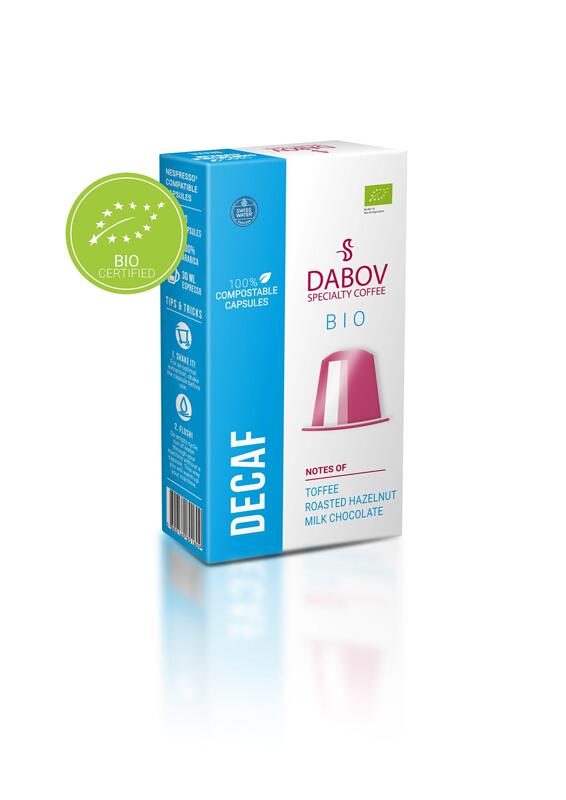
The Four Decaffeination Methods
Understanding decaffeination starts with understanding the chemistry. Green coffee beans contain caffeine at approximately 0.8 to 1.4 percent of dry weight for Arabica and up to 2.7 percent for Robusta. To decaffeinate, the caffeine must be dissolved and removed while leaving intact as many of the 800+ other flavor-contributing compounds as possible. Four methods accomplish this with very different tradeoffs.
| Method | Solvent Used | Caffeine Removed | Flavor Preservation | Organic Compatible | Cost |
|---|---|---|---|---|---|
| Swiss Water Process | Water and green coffee extract | 99.9%+ | High | Yes | High |
| Supercritical CO2 | Liquid CO2 at high pressure | 99%+ | Very high | Yes | Very high |
| Ethyl Acetate (EA) | EA from fruit fermentation or synthetic | 96-99% | Moderate | Only if EA is naturally derived | Moderate |
| Methylene Chloride (MC) | Dichloromethane | 96-99% | Moderate | No | Low |
Swiss Water Process (SWP) uses only water and temperature to extract caffeine. Green coffee is soaked in hot water, which dissolves both caffeine and flavor compounds. The water is then passed through activated charcoal filters sized to remove caffeine molecules while allowing smaller flavor compounds to remain. This flavor-charged water, called Green Coffee Extract, is used for subsequent batches, so it is already saturated with flavor compounds and can only absorb new caffeine. The resulting decaf retains most of its origin character. SWP is USDA Organic compatible and is the dominant method in the specialty coffee market.
Supercritical CO2 is the most precise method available. At 73 atmospheres of pressure and 31 degrees C, CO2 reaches a supercritical state where it behaves as both liquid and gas. In this state, CO2 selectively dissolves caffeine with very high affinity while leaving polar flavor compounds largely intact. The caffeine is then separated from the CO2 by returning to atmospheric pressure. CO2 decaffeination preserves the most complete flavor profile of any method, but the equipment costs are substantial, which is why it is rare outside of large industrial operations.
Ethyl Acetate occurs naturally in fruit fermentation and can be derived from sugar cane fermentation, which is why it is sometimes labeled as the sugar cane process or natural process decaffeination. When naturally derived, it is USDA Organic compatible. EA decaffeination is selective for caffeine but also removes some quantity of chlorogenic acids and certain aromatic compounds, producing a slightly flatter cup than SWP or CO2 methods. The coffee is washed multiple times after processing to remove EA residues.
Methylene Chloride is an efficient industrial solvent that decaffeinates effectively and cheaply. The FDA considers the residue levels in MC-processed decaf to be below actionable thresholds for human health, but the chemical is classified as a probable human carcinogen and has faced scrutiny regarding environmental and occupational health impacts. It is not used in specialty decaf production and is not USDA Organic compatible.
What Makes a Great Decaf: Green Coffee Quality First
The decaffeination process can only preserve what is already in the green coffee. A decaf made from commodity-grade, defect-heavy green lots processed with SWP will still taste flat and uninspiring. The starting material matters as much as the method.
The specialty decaf market has, in recent years, started sourcing the same green lots that are used for high-scoring caffeinated coffees and processing them via SWP or CO2 decaffeination before roasting. The result is decaf that reflects actual terroir, specific origin characteristics, and cultivar genetics rather than simply the generic coffee-flavor residue that survives aggressive processing.
What to look for on a specialty decaf bag:
- Specific origin: Country, region, or ideally farm or cooperative. Generic labels like "South American blend" indicate commodity sourcing.
- Decaffeination method listed: SWP or CO2 are the markers of quality decaf. If the method is not disclosed, assume methylene chloride or EA.
- Roast date: Decaf beans are more porous after decaffeination and degas faster than their caffeinated counterparts. Freshness matters more for decaf, not less.
- Processing method: Washed, natural, or honey. These distinctions exist in decaf and affect the cup the same way they affect caffeinated lots.
Decaf by Origin: What Each Region Produces
Not all origins translate equally well into decaf. Origins with bold, resilient flavor profiles, whether from natural processing, altitude-driven density, or inherently strong cultivar character, tend to survive decaffeination with more of their identity intact than delicate, nuanced washed coffees where subtle aromatics are the primary appeal.
Colombian Supremo and Huila lots are among the most reliable sources for decaf. The caramel sweetness and mild fruit notes of washed Colombian Arabica from 1,500 to 1,900 meters survive SWP processing very well. The medium body holds up to decaffeination-induced porosity better than thin-bodied lighter roasts.
Brazilian naturals are another strong choice for decaf. The chocolate, hazelnut, and low-acid profile of naturally processed Cerrado or Sul de Minas lots is robust enough to survive the processing step. Natural process decaf Brazilians roasted to Full City are a common and well-executed specialty decaf option.
Ethiopian heirloom lots, particularly washed Yirgacheffe, are more challenging. The floral aromatics and high-frequency citrus acidity that define washed Yirgacheffe are driven by volatile aromatic esters that are partially lost in any aqueous decaffeination process. CO2 decaffeination preserves more of these than SWP, but SWP-processed Ethiopian decaf typically shows less of the jasmine and bergamot character than the caffeinated original. Natural Ethiopian decaf fares better, because the fruit intensity is driven by less-volatile sugar and fermentation compounds.
Sumatran wet-hulled lots make exceptional decaf. The earthy, cedar, full-body profile driven by Giling Basah processing is robust by nature and survives decaffeination with most of its character intact. Sumatran Mandheling decaf is one of the most straightforward quality decaf choices on the market.
Roast Level for Decaf
Roast level selection matters for decaf for the same reasons it matters for caffeinated coffee, plus one additional consideration: decaf beans are more porous and develop color faster in the drum. A roaster targeting a City+ profile on a caffeinated Colombian should drop the decaf version slightly earlier than their normal drop point to achieve the same Agtron reading.
For the drinker, the practical guidance is:
| Decaf Roast Level | Best For | Flavor Notes | Notes |
|---|---|---|---|
| Light (City) | Pour-over, specialty tasting | Origin character, delicate acidity | Most challenging; losses from decaffeination most apparent |
| Medium (City+ to Full City) | Drip, Chemex, pour-over | Balanced sweetness, caramel, mild fruit | Best overall starting point for most decaf |
| Medium-Dark (Full City+) | Espresso, French press, cold brew | Chocolate, low acid, full body | Excellent for espresso; SWP decaf Brazilians excel here |
| Dark (Vienna+) | Milk drinks, cold brew concentrate | Roasty, bold, low acidity | Risk: porous decaf at dark roast can turn harsh |
Medium and medium-dark are the most forgiving roast levels for decaf. They have enough caramelization to mask any slight flatness from decaffeination while leaving enough origin character to be interesting. Light roast decaf is technically demanding and only worthwhile if you are specifically targeting origin transparency in a CO2-processed specialty lot.
Brewing Decaf for Maximum Flavor
Brewing decaf is identical to brewing caffeinated coffee in most respects, but a few variables deserve attention.
Grind adjustment: Because decaf beans are more porous, they may flow slightly differently through grinders calibrated for caffeinated beans. Some home grinders require a half-step coarser adjustment to achieve the same extraction rate with decaf.
Water temperature: The optimal range remains 93 to 96 degrees C for most brewing methods. Slightly lower temperatures (90 to 93 degrees C) work well for medium-dark decaf, as the porous structure extracts slightly faster and can over-extract at high temperatures.
Degassing: Decaf beans degas faster than caffeinated beans post-roast. A two to three-day rest after roasting is typically sufficient for pour-over; five to seven days for espresso. Unlike caffeinated espresso which benefits from up to 14 days of rest, decaf espresso often peaks between days 4 and 10.
Brew ratio: Use the same brew ratio you would use for caffeinated coffee. There is no need to use more decaf to compensate for the lack of caffeine; the flavor compounds that determine brew strength are preserved by quality decaffeination methods.
Single-Origin vs. Blended Decaf
The same logic that governs single-origin versus blended caffeinated coffee applies to decaf. Single-origin decaf tells you where the coffee came from and allows you to develop preferences by terroir. Blended decaf trades origin specificity for consistency and, often, a more balanced flavor profile aimed at broad appeal.
For most decaf drinkers, a well-designed blend is the better everyday choice. Blends are typically designed to perform across multiple brewing methods and to maintain a consistent flavor profile regardless of seasonal variation in individual component lots. A Swiss Water-processed blend from Colombian and Brazilian lots at a medium-dark roast level is one of the most reliable, accessible formats for quality decaf.
Single-origin decaf is worth exploring when you want to understand what a specific terroir contributes, or when a roaster has sourced an exceptional lot and invested in CO2 or SWP processing for it. At their best, single-origin decafs from Colombian, Brazilian, or Ethiopian lots can be genuinely surprising in their clarity and specificity.
Frequently Asked Questions
Is decaf coffee completely caffeine-free?
No. USDA regulations require that decaffeinated coffee contain no more than 0.10 percent caffeine by dry weight. In practice, high-quality Swiss Water Process decaf typically tests at 99.9 percent caffeine removal, leaving approximately 2 to 5 milligrams of caffeine per 8-ounce serving, compared to 95 to 200 milligrams in a standard caffeinated cup. This is a negligible amount for most people but relevant for those with severe caffeine sensitivity.
Does decaf coffee have the same health benefits as regular coffee?
Most of the health benefits associated with regular coffee consumption are attributed to polyphenolic antioxidants, particularly chlorogenic acids, rather than caffeine itself. These compounds survive quality decaffeination methods, especially SWP and CO2. The caffeine-specific benefits, such as enhanced alertness and certain metabolic effects, are absent in decaf, but the antioxidant and anti-inflammatory benefits associated with chlorogenic acids remain largely intact.
Why does some decaf coffee taste flat or cardboard-like?
Flat decaf results from one or more of three problems: commodity-grade green coffee with limited flavor potential to begin with, an aggressive solvent decaffeination method that removed flavor compounds along with caffeine, or staleness from extended shelf time. Fresh, SWP or CO2-processed decaf from a quality green lot should not taste flat.
Can I use decaf for espresso?
Yes. Decaf works well for espresso and is a popular choice for post-dinner consumption. Use a medium-dark roast, allow 5 to 10 days of degassing post-roast, and dial in the grind as you would with any espresso. Decaf espresso can be slightly harder to achieve consistent crema because of the altered porosity from decaffeination, but this is manageable with minor adjustments.
What is the best decaf for cold brew?
A Swiss Water Process-decaffeinated Brazilian natural or Colombian medium-dark roast works well for cold brew. Use the same 1:4 to 1:6 coffee-to-water ratio and 12 to 20 hour steep time as you would for caffeinated cold brew. The resulting concentrate should have the same body and sweetness as its caffeinated equivalent.
Conclusion
Quality decaf coffee is no longer a compromise. The combination of specialty-grade green coffee, Swiss Water Process or supercritical CO2 decaffeination, and careful roasting produces cups that are indistinguishable from their caffeinated counterparts in blind tasting. The gap between bad decaf and good decaf is wider than the gap between bad caffeinated coffee and good caffeinated coffee, because bad decaffeination compounds the damage already done by poor green quality or careless roasting.
The practical path is straightforward: seek out decaf that lists its decaffeination method on the label, look for SWP or CO2 as that method, choose an origin with the flavor profile you want, and buy it fresh. Decaf drinkers deserve the same traceability and quality transparency that caffeinated specialty coffee has made the standard. Explore our roasted coffee selection for Swiss Water Process decaf options from origins that deliver on their flavor promises.