What actually separates them: burr quality, not the power source
At the tier that matters, both types are burr grinders. Burrs crush beans to a uniform particle size, and that uniformity is what gives you control over extraction. A blade grinder chops beans into uneven fragments and is the wrong tool no matter how it is powered; we cover that separately in burr vs blade grinders.
The genuine mechanical difference: manual grinders are built around conical burrs, while electric grinders can run conical or flat burrs. That is a consequence of size and torque, not of quality. So the manual vs electric decision is really a workflow decision: how much coffee you grind, for which brew method, in how much noise, and where you want your budget to go.
- the gap you set
When a hand grinder is the right buy
Hand grinding earns its keep in four situations:
- One cup a day. An 18 g espresso dose takes about a minute of cranking on a good hand grinder, and a filter dose goes faster. If that is your entire daily volume, the effort is a ritual, not a cost.
- Travel and small kitchens. A hand grinder fits in a bag and needs no outlet, which no electric grinder can claim.
- Quiet mornings. Manual grinders run near silent; an electric burr grinder is an audible appliance. In a shared apartment before sunrise, that difference decides the purchase on its own.
- Filter coffee on a budget. Because there is no motor to pay for, a quality hand grinder puts nearly the whole price into the burrs. Dollar for dollar, filter brewing is where a hand grinder competes hardest with electric machines.
When an electric burr grinder pays back
Three situations flip the answer:
- Espresso. Espresso demands stepless or very fine stepped adjustment, and dialing in a new coffee means frequent micro-adjustment. Doing that by hand every morning gets old fast, which is why daily espresso drinkers settle on an electric grinder.
- More than two cups a day. When a dose takes seconds instead of about a minute of cranking, the electric grinder gives you back minutes every single morning, and more once you brew for a household.
- Consistency you do not have to think about. A motor turns the burrs at the same speed every time, so dose after dose comes out the same without crank technique entering the equation.
One warning from the other direction: low-end electric burr grinders under roughly $100 often cut burr quality to pay for the motor, so a good hand grinder at the same price outgrinds them. An electric grinder only pays back when it is built around its burrs first.
- manual cranking time
- electric dose time
Manual vs electric coffee grinder at a glance
| Attribute | Manual (hand crank) | Electric burr |
|---|---|---|
| Grind quality for the money | Best value for filter coffee, burrs get most of the budget | Excellent once you are above the bargain tier |
| Dose speed (18 g espresso dose) | About a minute of cranking | A few seconds at the press of a button |
| Noise | Near silent | Audible, appliance-level |
| Burr geometry | Conical | Conical or flat |
| Grind range | Filter coarse to espresso fine on precision models | Espresso to French press on all-round models |
| Portability | Fits in a bag, no power needed | Countertop, needs an outlet |
| Lifespan | Fewer failure points, no motor or electronics | Motor and electronics add service points |
| Where the budget goes | Into the burrs | Into burrs plus motor, housing, and dosing |
| Best for | One cup a day, travel, pour-over, quiet kitchens | Espresso, two or more cups a day, repeatable doses |
- the divide between the two camps
Our picks: electric burr grinders we stand behind
All three grinders below cover the workflows where the electric option wins. We sell no manual grinders, so the manual half of this decision ends with the section after this one. See the full grinders category for every electric model we carry.
Mahlkönig X54. A 54 mm flat-burr grinder (Mahlkönig's own specifications list flat burrs, correcting an older conical listing) with stepless adjustment across the full range from espresso to French press, built for home baristas who brew more than one way and do not want two machines.
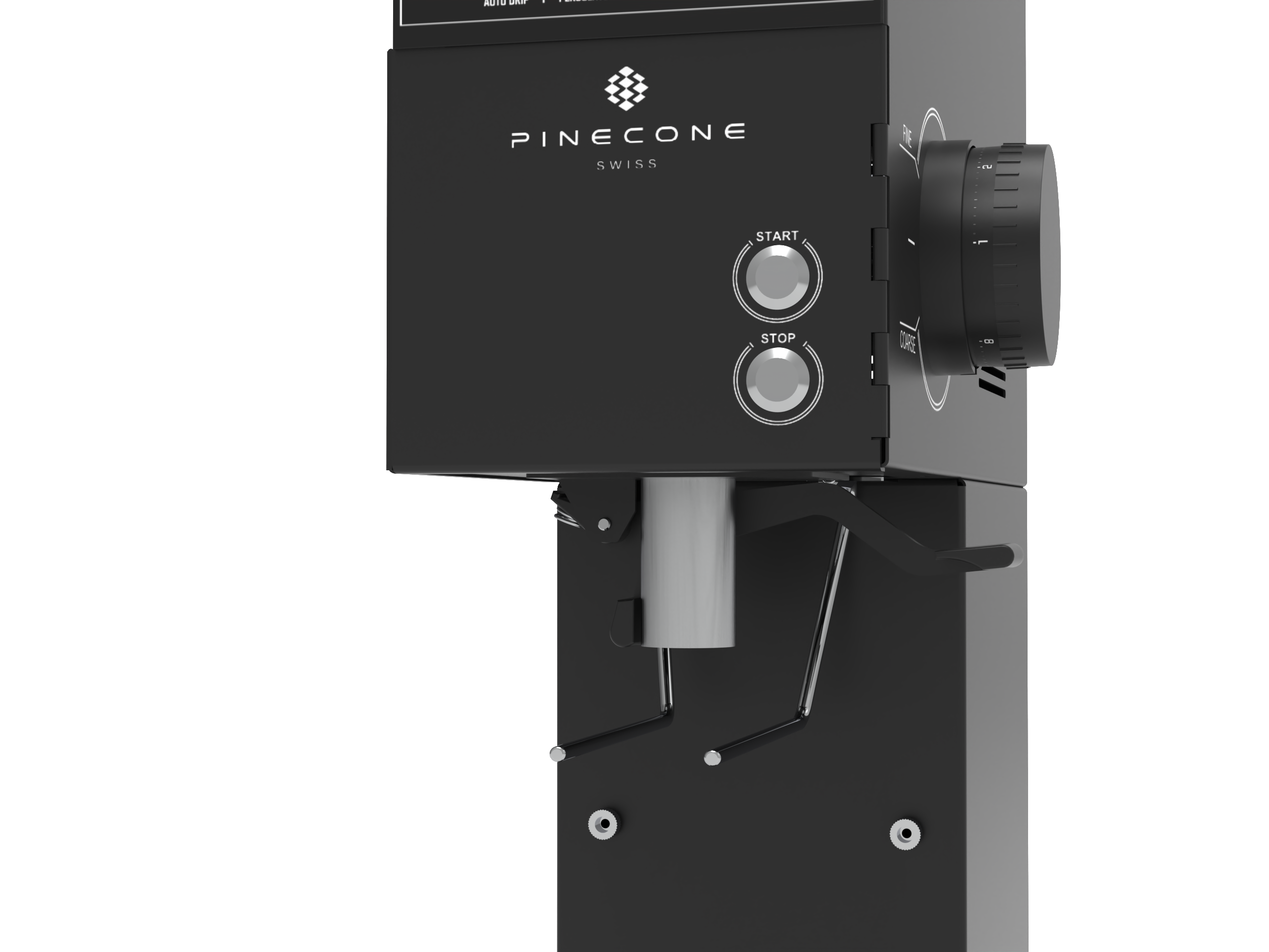
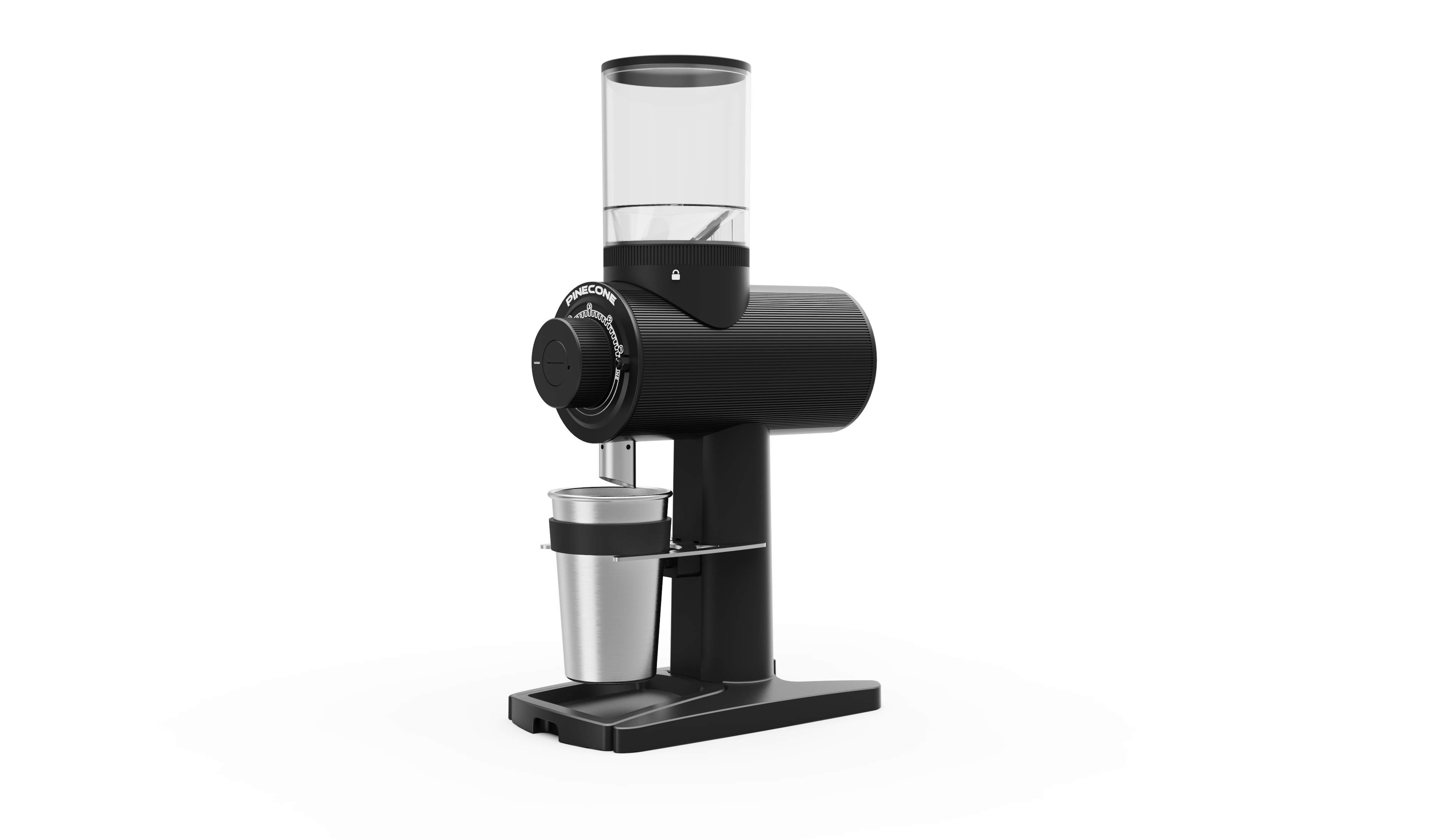
Pinecone Pinion. A 65 mm flat-burr all-rounder that covers espresso and filter in a compact, low-noise body, with a modular portafilter-compatible front holder and an included dosing cup so the same machine serves both brewing styles.
Ceado Life. An espresso-only grinder handmade in Venice with dual-mode operation: run it as a traditional on-demand hopper grinder for daily shots, or switch to single-dose bellows mode when you rotate coffees and want each dose from a clean chamber.
What we do not sell: manual grinders worth buying elsewhere
If the table told you that you belong in the manual camp, buy from a specialist rather than from us. These are the hand grinder makers the market consistently rates, with what each is for:
- 1Zpresso J-Ultra and X-Ultra: hand grinders with external adjustment aimed at espresso work; the J-Ultra's coated burr is optimized for espresso with 8-micron step adjustments, $159 to $199 direct from 1Zpresso.
- Comandante C40: a hand grinder built around the heptagonal conical Nitro Blade burr, manufactured near Munich and a fixture among brewing competitors; premium pricing, sold through Comandante and its dealer network.
- Timemore Chestnut C5: Timemore's current manual grinder series, from $110 direct from the manufacturer's US store, with an ESP Pro variant tuned for espresso.
- Hario Skerton PRO: an entry-level ceramic coffee mill from Hario with a 100 g capacity and a burr section that disassembles for cleaning.
We link none of these because we do not stock them; buy direct from the manufacturer or from a retailer that does. What we can promise is the other half: every electric grinder we carry is chosen the way we choose our coffee, for people who brew daily and care what is in the cup.
Frequently Asked Questions
Is a manual burr grinder as good as an electric one at the same price?
For filter coffee, often yes: a hand grinder puts nearly the whole price into the burrs, so a modest hand grinder can outgrind a bargain electric. For daily espresso, the electric grinder wins because fine adjustment and fast dosing matter more than burr price alone.
Are manual coffee grinders better than electric for taste?
No. Both types grind with burrs, and grind quality depends on the burrs and the setting, not on whether a crank or a motor turns them. The real differences are dose speed, noise, and portability.
Can you use a hand grinder for espresso?
Yes, at the top end of the hand grinder market. Espresso needs fine, precise adjustment, so look for models built for it, and expect about a minute of cranking per 18 g dose.
How long does it take to grind coffee by hand?
Plan on roughly a minute for an 18 g espresso dose on a quality hand grinder. Filter doses grind faster; an electric grinder does the same work in a few seconds.
Manual vs electric burr grinder: which is better for espresso?
The electric burr grinder, for daily espresso. Espresso demands stepless or very fine stepped adjustment and frequent micro-adjustment between coffees, and an electric grinder turns that workflow into seconds per shot.
Are hand grinders quieter than electric grinders?
Yes, by a wide margin: a hand grinder produces little more than the sound of burrs crushing beans, while an electric grinder adds a motor at appliance volume. That is the difference between a whisper and a household appliance.
Why are manual coffee grinders so expensive?
At the high end you are paying for precision burrs and tight tolerances, and because there is no motor to budget for, nearly every dollar goes into the grinding hardware. That is why a few hundred dollars of hand grinder competes with electrics far above its price for filter coffee.
Do manual grinders last longer than electric grinders?
Generally yes, because they have fewer points of failure: no motor, no electronics, no wiring. An electric grinder lasts too, but its motor and electronics add service points a hand grinder does not have.
What is the best budget electric burr grinder?
Below roughly $100, electric grinders usually cut burr quality to pay for the motor, and a good hand grinder at the same price outgrinds them. If the budget is small and the brewing is filter coffee, buy the hand grinder. The electric grinders we carry are not budget-tier machines; they are built for espresso and daily volume.
Manual vs automatic coffee grinder: is automatic the same as electric?
For grinders, yes: automatic means the motor does the turning, so automatic and electric describe the same category. If you arrived searching for "Moccamaster manual vs automatic", that question is about brewer models and their drip stops, not grinders, and we cover it in manual vs automatic coffee makers.
How many cups a day justifies an electric grinder?
About two. When a dose takes seconds instead of about a minute of cranking, a two-cup household saves minutes every morning, and a one-cup pour-over drinker can crank happily forever.
Does an electric grinder heat the beans and change the flavor?
Any burr grinder warms the coffee a little, and quality burr grinders manage it with moderate grinding speeds and good chamber design. Heat is not the deciding factor between manual and electric; workflow is.
Conclusion
Choose a hand grinder if you brew one cup a day, drink filter coffee, travel, or count every dollar against burr quality; choose an electric burr grinder if espresso, volume, or repeatability defines your mornings. If you landed in the electric camp, start with the Mahlkönig X54, the one grinder on this page built to do both espresso and pour-over without compromise. Then match it to beans worth grinding well: browse our specialty coffee selection.