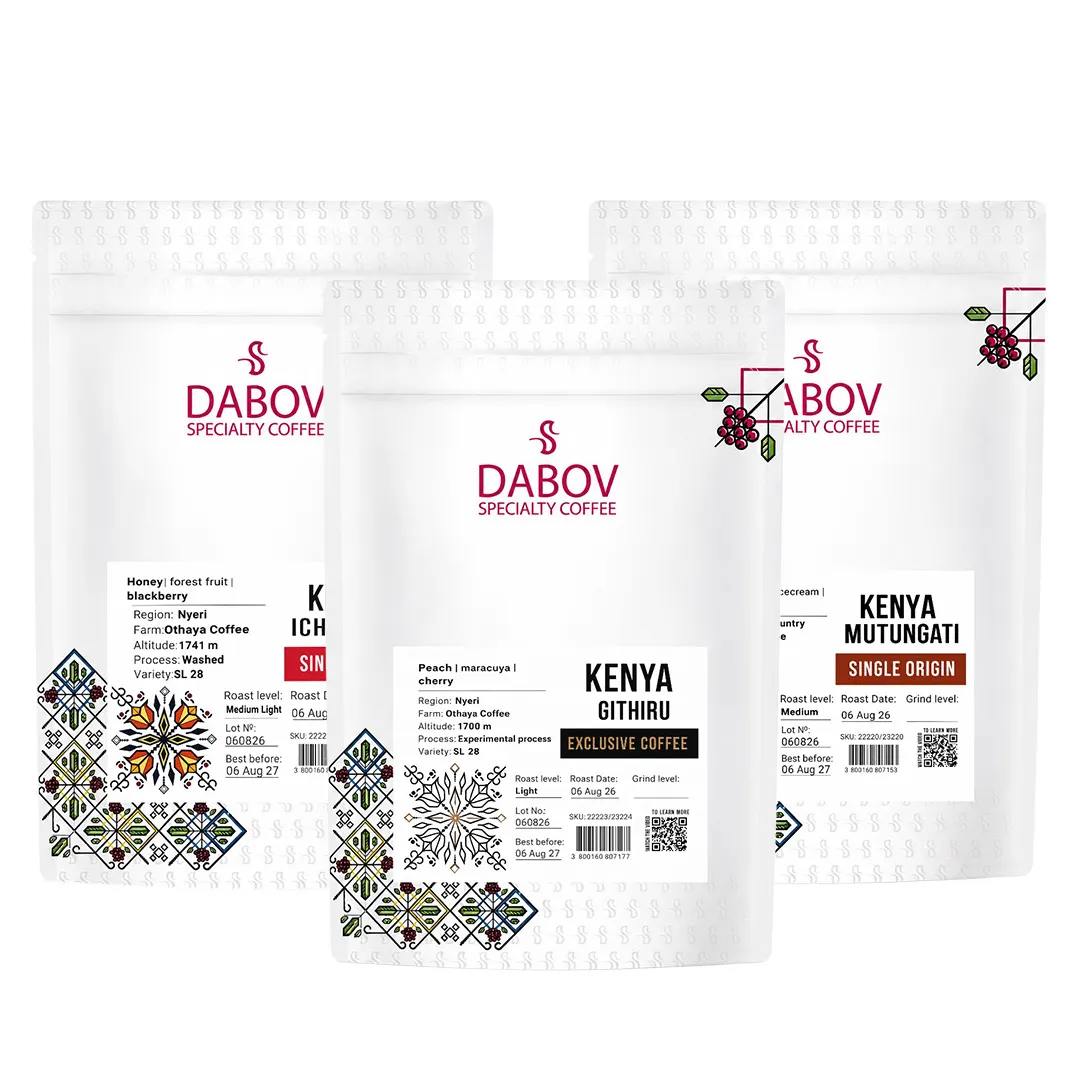
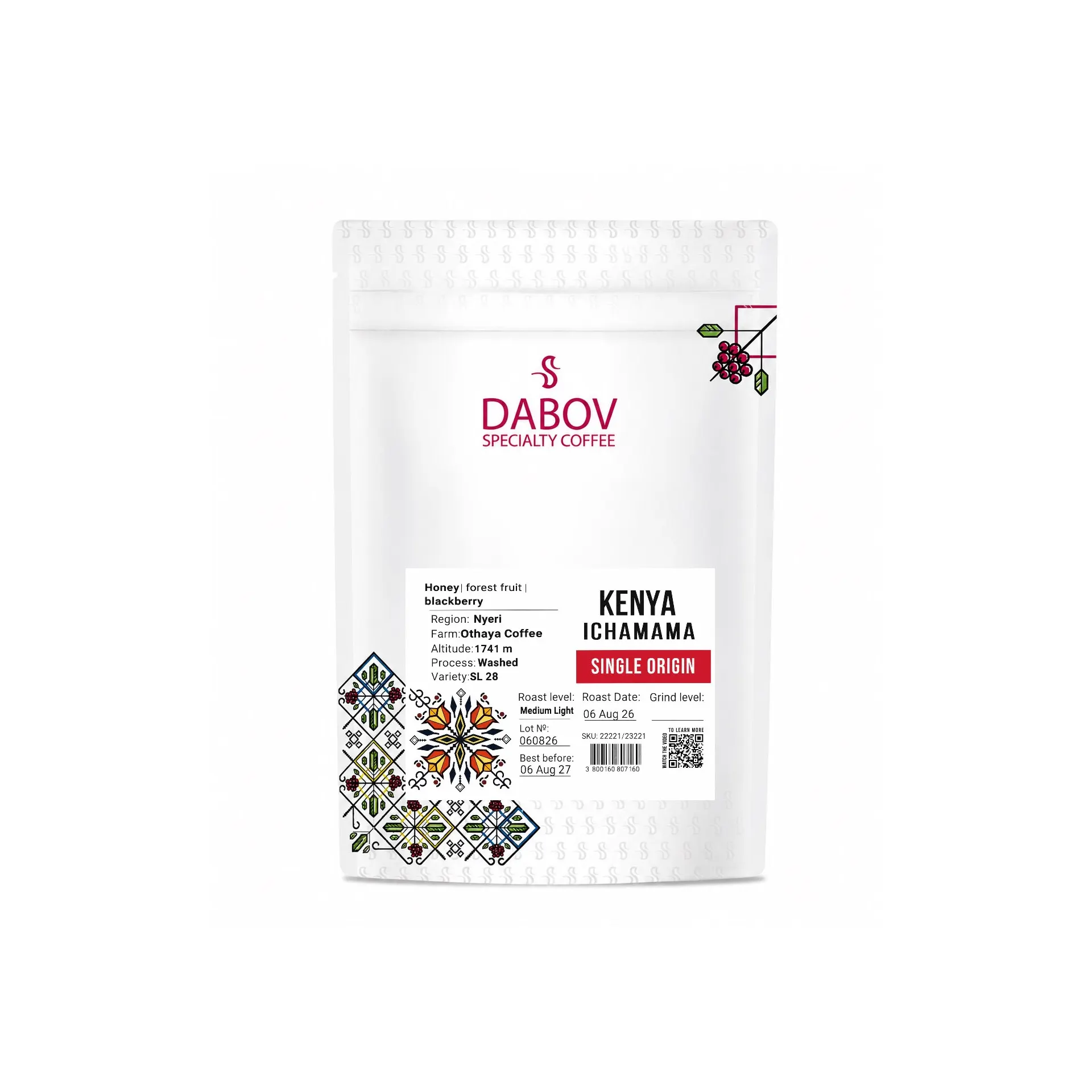

What Washed Processing Actually Removes
When a coffee cherry is depulped, the rosy skin and most of the pulp are mechanically stripped away, leaving the bean encased in mucilage — a dense, sugar-rich layer of pectin and polysaccharides. This mucilage is the key substrate: it feeds the microorganisms that drive fermentation, and its complete removal is what defines the washed process.
By contrast, the natural (dry) process leaves the entire fruit intact around the bean during drying, imparting pronounced fruit sugars that manifest as wine-like or tropical-fruit notes. The honey process removes the skin but retains varying amounts of mucilage, trading between clarity and sweetness depending on how much mucilage is left on. The washed process demands full mucilage removal — typically through fermentation followed by mechanical washing — so the resulting cup expresses the bean's own acids and aromatic compounds without the fruit's influence.
Processing Method Comparison
| Method | Mucilage Removed? | Drying Surface | Cup Character |
|---|---|---|---|
| Washed | Fully | Raised beds / patio | Clean, bright, terroir-forward |
| Natural | None | Raised beds with whole cherry | Fruity, wine-like, heavy body |
| Yellow Honey | ~25% retained | Raised beds | Balanced, mild sweetness |
| Red Honey | ~50% retained | Raised beds | Medium body, pronounced sweetness |
| Black Honey | ~75–100% retained | Raised beds | Approaches natural character |
| Wet-hulled (Giling Basah) | Parchment removed early | Patio | Earthy, heavy, low acidity |
Depulping: Timing and Mechanics
Depulping is the first mechanical stage. Freshly harvested cherries are fed through a depulping machine — typically a rotating drum or disc-style pulper — that squeezes the cherry between surfaces calibrated to shear off the skin and outer pulp without cutting the bean. The bean, still coated in mucilage and enclosed in the parchment layer (the endocarp), exits into a collection channel.
Timing is non-negotiable. Depulping should occur within 24 hours of harvest. Delay allows the cherry to begin fermenting uncontrolled on the skin, generating acetic acid and alcohols that become locked into the bean and produce the "ferment" off-note associated with poorly managed lots. Most high-quality operations depulp the same day as harvest.
Density sorting usually accompanies depulping: beans enter a water channel where higher-density beans sink and lower-density or defective beans float. The floaters — which correlate with hollow or underdeveloped seeds — are channeled off as a separate, lower-quality stream. This step contributes meaningfully to cup clarity.
Fermentation: The Microbial Core of the Washed Process
The fermentation tank — concrete, wood, or fiberglass — holds the depulped beans submerged in water or dry (dry fermentation is common in Colombia). What follows is a cascade of microbial events that break down the mucilage and alter the bean's chemical composition.
Yeast phase (hours 0–12): Saccharomyces cerevisiae and related yeasts dominate early fermentation, consuming the simple sugars in mucilage and producing ethanol, CO₂, and esters. Pichia kluyveri specifically contributes ethyl acetate and other fruity-smelling esters that can persist in the parchment and subtly influence the cup's top notes.
Lactic acid bacteria phase (hours 6–24): Lactobacillus and Leuconostoc strains multiply in the increasingly anaerobic environment, producing lactic acid from sucrose. This drops the fermentation pH toward 3.8–4.2. Falling pH creates conditions hostile to spoilage organisms while the bacteria also produce pectinases — enzymes that break down the pectin backbone of the mucilage. This is the primary physical mechanism by which the mucilage detaches.
Acetic acid bacteria (overlapping): These organisms oxidize some of the yeast-produced ethanol into acetic acid, adding another layer of organic acid. In controlled proportions, this contributes brightness; at high concentrations, it becomes the "vinegar" defect.
The entire window typically runs 12–36 hours, depending on altitude and ambient temperature. Higher-altitude farms (above 1,500 m) ferment more slowly because cooler temperatures slow microbial metabolism, which is generally regarded as favorable — slower fermentation gives processors more time to monitor and interrupt at the correct point.
Over-fermentation produces identifiable cup defects: a sour-ferment or "winey" character at early over-ferment stages, and a rank, putrid note at extreme levels. Under-fermentation leaves mucilage residue that makes even washing difficult to complete; residual mucilage on parchment creates a sticky, inconsistent surface that dries unevenly and can produce a "peanut" or astringent note.
The Double Fermentation and Kenya's Edge
Kenya is notable for employing a double-fermentation protocol at many of its washing stations. After the first fermentation and an initial rinse, beans are moved into a second, shorter fermentation tank — typically 12–24 hours — before the final washing. This second fermentation period is hypothesized to further develop phosphoric acid, which is associated with Kenya's famous bright, almost effervescent acidity, and to increase the concentration of ketones and esters that contribute to its signature blackcurrant character.
Whether double fermentation causes these effects or whether Kenya's SL28 and SL34 varietals would produce the same flavor regardless is debated. What is documented is that switching a Kenyan station to single fermentation reliably produces a less complex, lower-scoring cup in SCA evaluations.
Washing: The Step That Defines Clarity
Once fermentation is complete, beans pass through washing channels — a series of concrete troughs with flowing water where mechanical agitation (workers agitating the beans with paddles, or water-jet systems in larger facilities) shears off the final mucilage. Beans are rinsed multiple times; the water becomes progressively cleaner.
Water quality matters. Mineral-laden irrigation water can deposit calcium or magnesium ions on the parchment, altering the bean's mineral profile. Most quality-focused operations use clean spring water or filtered water for the final rinse.
Density can be assessed again during washing: fully washed beans are denser than those with residual mucilage, which affects how they sit in flowing water. Final grade separation happens here as a byproduct of the process.
Rwanda and Flotation Sorting
Rwanda and Burundi have industrialized a pre-fermentation quality step known as flotation sorting. Before depulping, freshly harvested cherries are floated in a large water tank. Cherries that float — indicating underdeveloped or hollow seeds inside — are culled entirely. Only sinker cherries proceed to depulping. This seemingly simple step measurably improves lot uniformity and reduces the proportion of defective beans entering fermentation, reducing the risk that off-flavors from defective seeds contaminate the whole batch.
Drying Parchment Coffee
After washing, the bean is called parchment coffee — it retains the parchment (the papery inner layer) through drying and milling. Parchment must be dried from approximately 50% moisture down to 10–12% moisture, the stable range that prevents mold growth and maintains cellular integrity.
| Drying Method | Typical Duration | Advantages | Risks |
|---|---|---|---|
| Sun on raised beds | 7–14 days | Even airflow, gentle, terroir-preserving | Weather-dependent, labor-intensive |
| Patio sun drying | 10–21 days | Low cost, traditional | Ground contact can introduce mold; uneven |
| Mechanical drum drying | 24–48 hours | Fast, weather-independent | Over-drying risk; flavor can flatten |
| Combined (sun + mechanical finish) | 5–12 days | Balances speed and quality | Requires transition management |
The critical error is rushing parchment drying. When moisture gradient inside the bean drops too fast, the outer layers lock stress into the seed, causing mottled coloration and what roasters call "underdeveloped" flavors even from correctly fermented lots. Slow, even drying — ideally on raised African beds with airflow underneath — is the standard recommended by the Cup of Excellence protocols and the SCA.
Chemical Fingerprint: Why Washed Coffees Are Bright
The washed process preserves a higher proportion of the bean's organic acids compared to the natural process because the bean is never exposed to the extended enzymatic activity of drying fruit. Citric acid (contributing lemony, crisp brightness), malic acid (green apple, softer brightness), and phosphoric acid (sharp, clean) are relatively intact when the bean reaches the roaster.
Chlorogenic acids — the dominant polyphenols in green coffee, comprising up to 8% of dry weight — survive the washed process largely intact. These chlorogenic acids are the primary precursors to quinic and caffeic acids during roasting, contributing to the coffee's perceived body and its antioxidant properties. Because washed coffees have fewer sugar interactions during processing, the chlorogenic acid pool arrives at the roaster closer to its original state, giving the roaster more control over body and brightness development.
Frequently Asked Questions
What causes the "ferment" off-note in washed coffee?
Over-fermentation is the primary cause. When beans spend too long in the fermentation tank — especially in warm, lowland conditions — acetic acid bacteria overwhelm the desirable lactic fermentation, and the resulting acetic acid and higher alcohols produce a vinegar-like or "boozy" note that survives roasting. The defect is irreversible once it develops.
Does fermentation time vary by region?
Yes, significantly. High-altitude farms in Ethiopia (above 1,800 m) may ferment for 36–48 hours because cold temperatures slow microbial activity. Lowland Costa Rican farms at 1,200 m may complete fermentation in 12–18 hours. Processors calibrate to local conditions, typically measuring pH (target ~3.8) or using the float test (beans should slip easily when fermentation is done) rather than relying on fixed hours.
Is the mucilage removed by enzymes or mechanical action?
Both. Pectinase enzymes produced by bacteria (and some added commercially in controlled-fermentation operations) break down the pectin backbone of mucilage. Mechanical agitation during washing removes the loosened material. The enzymatic action is primary; the washing is completion.
Why do washed Yirgacheffes taste so different from washed Colombians?
Both are washed but the varietal genetics, altitude, soil, and fermentation protocol differ. Ethiopian Yirgacheffe typically uses regional Heirloom varieties grown at 1,800–2,200 m and fermented for extended periods, producing a florality and citrus brightness that Typica or Castillo varietals grown at Colombian altitudes (1,200–1,900 m) don't replicate, even with identical processing.
Conclusion
The washed process is, at its core, a disciplined removal operation: strip the cherry, govern the microbes, rinse clean, dry slowly. Each step either preserves or degrades the bean's inherent flavor potential. What makes this process compelling is how much variation exists within that framework — Kenyan double fermentation, Rwandan flotation sorting, Colombian same-day depulping, Ethiopian extended fermentation at altitude — and how those decisions translate directly into the brightness, clarity, and complexity of the final cup.
If you want to taste the difference that rigorous washing makes, start with a well-sourced Ethiopian Yirgacheffe or a Kenyan AA and compare it to a natural from the same origin. The contrast is immediate and instructive. Browse our specialty washed coffees to start the comparison.