Why Processing Is the Most Underrated Variable in Coffee
Origin, variety, and roast receive most of the attention in specialty coffee discussions. Processing — what happens to the cherry between harvest and the roasting drum — is less glamorous but arguably more decisive. Two coffees from the same farm, same trees, same harvest day, processed differently, can taste so unlike each other that a taster doing a blind comparison might not recognize them as the same coffee. The processing method determines which flavor compounds develop, which volatile aromatics survive, and what the body and texture of the final cup will be. Understanding how processing evolved from the earliest traditional methods to today's controlled fermentation techniques is essential for anyone who wants to read a coffee label intelligently.
The Natural Process: First and Still Relevant
Natural processing — drying the whole cherry, fruit and all, before milling — is the oldest method. It developed in regions where water was scarce, particularly Ethiopia and parts of Yemen, where coffee was first cultivated for consumption. The logic is simple: spread freshly harvested cherries on a flat surface, let sun and wind dry them over several weeks, then mill the dried husk off the seeds. No water required beyond what falls from the sky.
The flavor consequence of drying the bean inside the fruit is significant. As the cherry dehydrates, sugars and fermentable compounds in the fruit migrate into the seed, contributing body, sweetness, and fruity character that washed coffees cannot achieve. A well-executed natural from Ethiopia's Yirgacheffe or Harrar — strawberry, blueberry, wine-like sweetness — demonstrates what the process does at its best. A poorly executed natural, dried unevenly or turned too infrequently, tastes fermented in a bad sense: earthy, funky, phenolic.
The limitations of natural processing are real: it requires reliable dry weather during the 3–6 week drying period; it demands frequent turning of the cherries to prevent mold; and it produces more variable results than washed processing because individual cherries dry at different rates. These limitations explain why the method remained geographically restricted for centuries — it works in dry climates and struggles in humid ones.
Washed Processing: Consistency and Clarity
Wet (washed) processing emerged as a systematic method in the colonial era, when European-controlled coffee estates in Latin America and East Africa sought more consistent output for commercial markets. The method strips the fruit from the bean before drying, which eliminates the variable influence of the cherry on the final flavor and allows the coffee's inherent origin character to express more cleanly.
The standard washed process: cherries are pulped mechanically to remove the outer skin; the remaining mucilage-covered beans are fermented in water tanks for 12–72 hours (time varies by climate, altitude, and desired flavor); then thoroughly washed to remove the fermented mucilage; then dried on raised beds or cement patios.
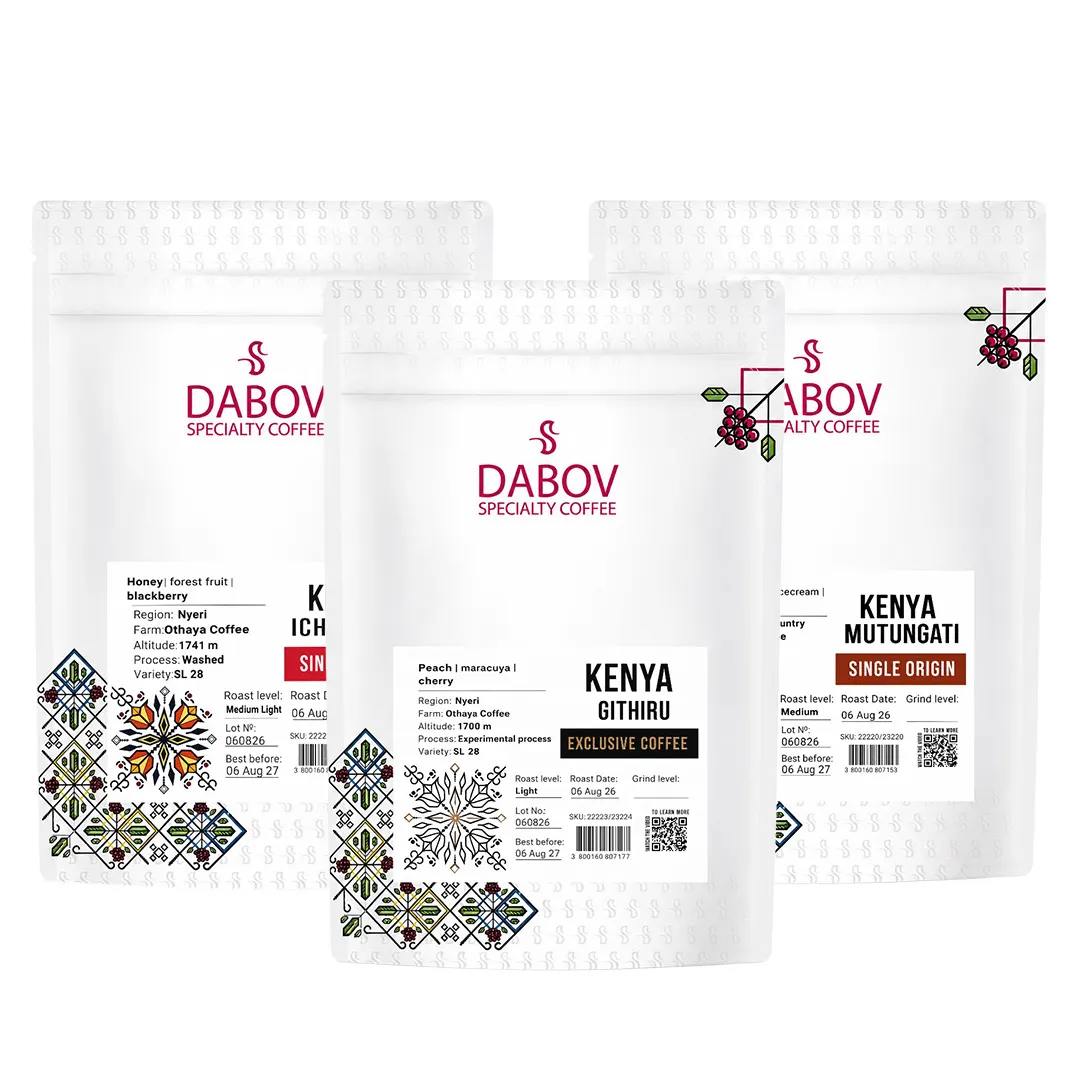
What washed processing achieves is transparency. Without the fruit influencing flavor, the cup expresses the bean's own acidity, sweetness, and aromatic character — the terroir-driven qualities that specialty buyers pay premium prices to access. Washed Yirgacheffe shows jasmine and citrus. Washed Kenyan SL28 shows blackcurrant and tomato. Washed Colombian Gesha shows bergamot and peach. These profiles exist in the bean; washed processing reveals them rather than masking them under fruit character.
The environmental footprint of traditional washed processing is the method's significant downside. Processing one kilogram of coffee can require up to 40 liters of water. The wastewater produced — rich in organic acids from fermentation — is polluting if discharged directly into waterways. Water-stressed regions (and most coffee-growing regions are water-stressed) have increasingly moved toward eco-pulper systems and closed-loop water recycling to reduce consumption, sometimes cutting water use by 80–90% compared to traditional wet processing.
Honey Processing: Between the Methods
Honey processing — developed primarily in Costa Rica in the early 2000s — occupies the space between natural and washed. The cherry is pulped to remove the outer skin, but some or all of the mucilage (the sticky, pectin-rich layer around the bean) is left on during drying. The amount retained determines the process category: white honey (minimal mucilage), yellow honey, red honey, and black honey (most mucilage, most fruit influence).
The name comes from the sticky texture and amber color of the mucilage, not from any sweetener. Honey-processed coffees typically show enhanced sweetness and body compared to washed lots from the same farm — the mucilage contributes fermentable sugars — but retain more acidity and clarity than full naturals.
Honey processing is more labor-intensive than either alternative. The sticky beans clump on drying beds and require constant turning to dry evenly. Mold risk is higher than with washed processing. The reward is a distinctive cup: a medium between the clean transparency of washed and the richness of natural, with its own characteristic sweetness that experienced tasters can often identify blind.
The Rise of Controlled Fermentation
The most significant development in coffee processing in the past fifteen years is the deliberate application of fermentation science borrowed from wine and beer making. Traditional washed and natural processing both involve fermentation — but as an incidental byproduct of drying or mucilage removal, not as an engineered flavor-development step.
Anaerobic fermentation was the first major controlled method to reach commercial scale. Cherries or pulped beans are placed in sealed tanks from which oxygen is evacuated. The anaerobic environment changes which microorganisms are active and which metabolic pathways they use — producing distinct organic acids and esters that express in the cup as tropical fruit, fermented grape, or sometimes alcohol-adjacent sweetness. Well-executed anaerobic lots from producers like Coffee Quest or specific farms in Costa Rica, Bolivia, and Colombia have commanded extraordinary auction prices.
Carbonic maceration, adapted from Beaujolais-style winemaking, involves placing whole cherries in a sealed vessel filled with CO2. The CO2 suppresses aerobic fermentation while allowing the cherry's internal enzymes to ferment the fruit tissue from the inside out — a process called intracellular fermentation. The flavor result is typically very clean, very fruity, with a unique texture that regular processing cannot produce.
Extended cold fermentation uses temperature control (8–12 °C) to slow fermentation dramatically, allowing it to run for 48–96 hours in a controlled, low-oxygen environment. The extended time at low temperature develops different flavor compounds than a standard 24-hour ambient fermentation, often producing coffees with exceptional complexity and a longer finish.
A Comparative Overview of Processing Methods
| Method | Water Required | Drying Time | Body | Acidity | Flavor Character |
|---|---|---|---|---|---|
| Natural | Minimal | 3–6 weeks | Heavy | Low–medium | Fruity, winey, sweet |
| Honey (yellow) | Low | 2–4 weeks | Medium | Medium | Balanced, sweet, mild fruit |
| Honey (black) | Low | 4–6 weeks | Medium-heavy | Low–medium | Rich, fruity, approaching natural |
| Washed traditional | High (up to 40 L/kg) | 1–3 weeks | Light–medium | High | Clean, transparent, origin-driven |
| Washed eco-pulper | Low (2–4 L/kg) | 1–3 weeks | Light–medium | High | Same as washed, lower environmental cost |
| Anaerobic fermented | Medium | 1–3 weeks | Variable | Medium | Tropical, complex, fermented fruit |
| Carbonic maceration | Medium | 1–3 weeks | Variable | Medium-low | Clean fruit, texture, intracellular complexity |
What Processing Tells You When You Buy Coffee
Reading a processing method on a coffee bag is one of the highest-signal pieces of information available to a consumer before tasting. A washed coffee from any origin will tend toward clarity and acidity — it's the method that best preserves origin character. A natural will be sweeter, heavier, more fruit-forward — you're tasting the influence of the fruit as much as the bean. A honey process sits between them, usually with enhanced sweetness and a distinctive texture.
Controlled fermentation methods are the most variable: the label tells you the method used but not the skill of the producer or the appropriateness of the method to the raw material. An anaerobic natural from a skilled producer in Guji or Kayanza can be extraordinary; the same label from a lesser-known producer compensating for weak raw material with fermentation intensity can taste unpleasant. The method itself is neutral; the execution is everything.
Frequently Asked Questions
Does processing affect caffeine content?
No. Caffeine is a stable alkaloid that doesn't change significantly across processing methods. The caffeine content in the final cup is determined by variety (Robusta has roughly twice the caffeine of Arabica), roast level (lighter roasts retain marginally more caffeine), and brew ratio.
Why is washed processing so common in specialty coffee?
Washed processing produces the most consistent, transparent results — making it easier to evaluate origin character and to replicate a specific flavor profile batch over batch. For specialty buyers sourcing by origin character, washed coffee is the cleanest lens. For farmers selling into a quality-focused market, washed processing reduces the risk of defects that could disqualify a lot.
Is anaerobic coffee better than washed or natural?
Not categorically. Anaerobic fermentation produces distinctive flavors that appeal to some consumers and confuse or repel others. The method rewards skilled execution and punishes poor raw material. Whether it's "better" depends on the producer's skill, the raw-material quality, and your taste preferences. Treat it as one tool in a larger vocabulary rather than a premium category.
Can I replicate processing methods at home?
On a very small scale, yes. Home natural processing is feasible with a small batch of fresh coffee cherries and a clean, well-ventilated drying surface. Home washed processing requires a hand-crank pulper and clean water. Neither will replicate the precision of a well-equipped washing station, but both are viable experiments for understanding how the method changes flavor.
Conclusion
Coffee processing has evolved from necessity-driven field methods in Yemen and Ethiopia to a precision discipline that borrows from winemaking, microbiology, and food science. The three traditional methods — natural, washed, honey — remain the foundation of the industry and produce the majority of specialty coffee consumed globally. Controlled fermentation techniques have expanded what's possible, producing flavor profiles that didn't exist twenty years ago. For the coffee drinker, understanding these methods transforms the label on a bag from a curiosity into a prediction: you know before the first sip whether you're likely to find fruit and sweetness or clarity and acidity, and what level of complexity to expect. Browse our single-origin coffee selection for lots with detailed processing information, and our roasting equipment if you're ready to take the next step.