Why Cultivar Diversity Defines Coffee's Future
The flavor in your cup starts with a single line of plant genetics. Everything that follows — soil, altitude, processing, roast — amplifies or suppresses what the cultivar already carries. As specialty roasters push for more distinct and traceable lots, and as climate change narrows the growing window for conventional varieties, the question of which cultivars survive and which get developed has never been more consequential.
Coffea arabica dominates about 60% of global production. Within that species, most commercial supply traces back to just two genetic bottlenecks: the Typica line carried by Dutch traders to Java in the late 1600s, and the Bourbon mutation that emerged on Réunion Island and spread to Latin America after 1850. That narrow base is both a legacy and a vulnerability.
The Specialty Movement's Role in Rescuing Heirloom Lines
The third wave of specialty coffee did something unexpected for plant biodiversity: it made rare cultivars commercially viable. When Hacienda La Esmeralda in Panama demonstrated in 2004 that Gesha — a variety traced back to Southwestern Ethiopia — could score above 90 points on the SCA cupping scale and command over $100 per pound at auction, it rewrote the economics of variety selection.
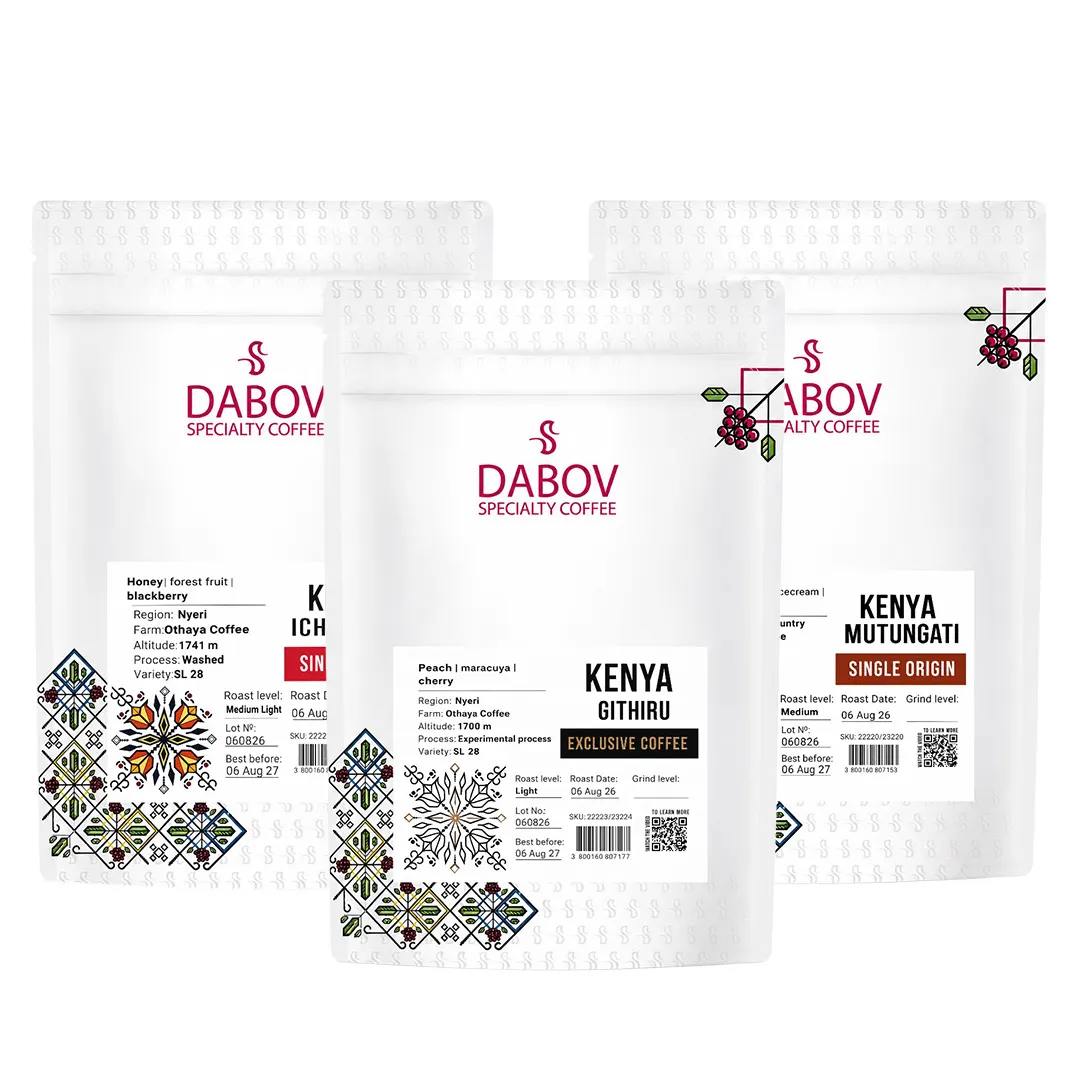
Gesha was not the only rediscovery. SL-28 and SL-34, selections made by the Scott Laboratories in 1930s Kenya for disease tolerance and yield, turned out to produce cup profiles — blackcurrant acidity, a wine-like finish — that buyers now actively seek. Similarly, Bourbon Pointu (Laurina) from Réunion and the old Mocca variety from Yemen produce tiny, low-yielding beans with concentrated sweetness that specialty importers pay premiums to secure.
The Pacamara hybrid — a cross of Pacas (a Bourbon mutation) and Maragogipe (a large-beaned Typica mutation) developed in El Salvador — has become a favourite in barista competitions for its outsized beans and layered flavor profile. These commercial successes have created an incentive structure that didn't exist twenty years ago: roasters willing to pre-finance experimental plots, and farmers willing to plant lower-yielding cultivars if the cup quality justifies a premium.
The Genetic Research Pipeline
World Coffee Research (WCR), the nonprofit funded by specialty roasters, has been cataloguing and crossing cultivar collections since 2012. Their multi-site trial network — running the same variety across 23 countries simultaneously — generates agronomic data that individual breeders rarely capture: how does this cultivar perform at 1400m in Honduras versus 1800m in Uganda?
The most technically significant development has been the sequencing of the Arabica genome. Published in Nature Plants in 2017, the sequence confirmed what breeders already suspected: Arabica is allotetraploid, a natural hybrid of Coffea canephora and Coffea eugenioides that formed roughly 10,000–15,000 years ago. This doubled genome means traditional hybridization is slow and unpredictable; molecular marker-assisted selection (MAS) lets breeders track target traits at the DNA level rather than waiting through three to five generation cycles of field testing.
The F1 hybrid program is the most commercially promising near-term output. F1 hybrids — produced by crossing two genetically distant parent lines — express heterosis, the same vigor that hybrid corn exhibits. WCR's Starmaya F1, developed from a hybrid between an East African line and a Latin American variety, has shown 30–40% yield advantages over Caturra in multi-site trials while maintaining cup quality above 84 points. The tradeoff is that farmers cannot save seed — F1 hybrids must be propagated vegetatively or via fresh commercial seed, adding cost and supply-chain dependency.
Climate-Resilient Varieties in Development
The pressure of climate change has sharpened breeding priorities. A 2022 study in Global Change Biology projected that without adaptation, 50% of current Arabica cultivation area would be climatically unsuitable by 2050, with the steepest losses in lower-altitude zones of Central America and Brazil.
The responses are practical:
| Breeding Approach | Target Trait | Representative Variety/Program |
|---|---|---|
| Arabica × Coffea stenophylla crosses | Heat tolerance (+3–5°C threshold) | Research stage, WCR & Kew |
| Timor Hybrid backcrosses | Leaf rust resistance (CLR/CBD) | Lempira (Honduras), Obatã (Brazil) |
| F1 Hybrids | Yield + cup quality under climate stress | Starmaya, Centroamericano |
| CRISPR editing trials | Targeted disease/drought resistance | Pre-commercial, 2025–2030 window |
| Coffea eugenioides breeding | Low caffeine, floral cup profile | Experimental small lots |
| JARC selections | Genetic diversity preservation | 74110, 74158, others |
Coffea stenophylla, the "Highland Coffee of Sierra Leone," was considered extinct in the wild until a 2021 survey rediscovered wild populations. Royal Botanic Gardens Kew researchers subsequently conducted tastings and found that processed stenophylla samples compared favorably to good washed Arabica — a remarkable finding given that the species tolerates temperatures 6–7°C higher than Arabica. Crossing it with Arabica presents polyploidy challenges, but the trait library is now accessible to breeders.
Terroir, Landrace Varieties, and Geographical Indications
The concept of terroir — the environmental fingerprint a place presses into a crop — is shaping how variety selection happens at the farm level. Gesha grown at 1900m in Panama tastes distinctly different from Gesha at 1600m in Colombia or in the Bench Maji zone of Ethiopia where the variety originated. Same genetics, different expression driven by temperature swing, soil mineral composition, and rainfall pattern.
This is driving interest in landrace varieties: plants that have adapted over many generations to specific microclimates without deliberate human selection. Ethiopian JARC (Jimma Agricultural Research Center) accessions, numbered 74110 and 74158 among others, represent this tradition. These selections carry genetic material that commercial breeding programs routinely mine for disease resistance and flavor traits. The Yirgacheffe region's heirloom landraces — the ones that produce the jasmine and bergamot aromatics that define washed Ethiopian cup profiles — are technically diverse populations, not single cultivars.
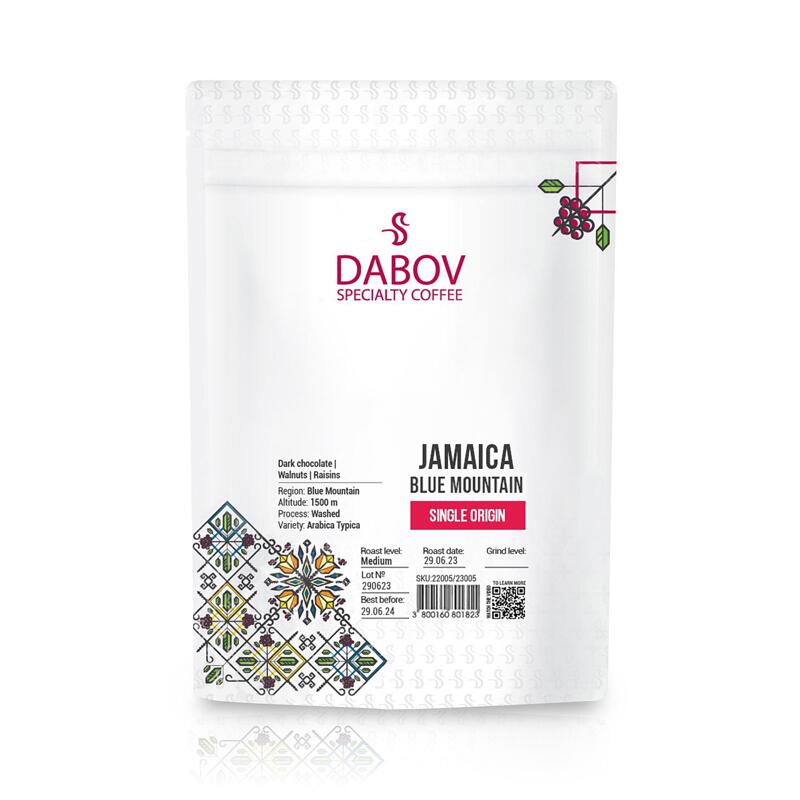
Geographical Indications (GIs) are the policy layer that tries to protect this value. Jamaica Blue Mountain, Hawaii Kona, and Café de Colombia are the well-established examples. Increasingly, Ethiopian regional designations — Yirgacheffe, Sidama, Guji — carry formal protection under Ethiopian law, with the origin linked to specific processing cooperatives and washing stations in those woredas.
"The best cup is always a collaboration between genetics and geography. You cannot separate what the plant is from where it grows." — Willem Boot, specialty coffee consultant
Processing as a Cultivar Amplifier
No variety discussion is complete without acknowledging processing. Anaerobic fermentation, carbonic maceration, and extended aerobic fermentation don't change the plant genetics, but they can shift the cup profile of the same variety as dramatically as a different origin would.
This creates a deliberate ambiguity that the specialty industry is still working through. When a Gesha processed anaerobically scores 90+ points at a competition, is the buyer paying for the cultivar or the fermentation artifact? Specialty judges increasingly distinguish between "cultivar expression" and "processing expression," with some competitions beginning to separate natural and anaerobic-processed coffees into their own categories so that variety-forward cups compete on more equal terms.
For the consumer, this means learning to read bags holistically: the cultivar name tells you what the plant's genetic ceiling is; the processing method tells you how the producer chose to reach it.
Sustainability, Agroforestry, and Variety Choice
Shade-grown and agroforestry systems reward specific cultivar traits. Varieties that evolved as forest understory plants — most traditional Arabica cultivars — perform well under partial shade; the sun-tolerant breeding programs of the 1970s that pushed farmers toward full-sun Caturra monocultures optimized for yield, not for agroforestry compatibility.
The return to shade systems, driven partly by Rainforest Alliance and Bird Friendly certification criteria, reopens the door for traditional cultivars. Shade slows cherry development, often concentrating sugars and acids in ways that improve cup quality. Varieties like Bourbon and its close relatives, which have lower yields than modern hybrids, can become economically attractive again when the cherry ripens more uniformly under shade and the farm earns an organic or sustainability premium on top.
Intercropping coffee with bananas, avocados, timber trees, or nitrogen-fixing legumes also affects which varieties make sense. Taller, more robust plants with deeper root systems tolerate competition better than dwarf varieties like Caturra, which were optimized for dense full-sun planting. Breeders at WCR and CABI are now explicitly evaluating variety performance inside agroforestry systems rather than only in monoculture trial plots.
Frequently Asked Questions
What is the difference between a coffee variety and a cultivar?
In strict botanical terminology, a variety is a naturally occurring genetic variant of a species, while a cultivar (cultivated variety) is one selected and maintained by humans. In coffee, the terms are used interchangeably in common usage. Gesha, Bourbon, and SL-28 are all cultivars within Coffea arabica.
Why is Gesha coffee so expensive?
Gesha has very low yield — roughly 30–50% of Caturra's output per hectare — requires exacting growing conditions at high altitude, and produces cup profiles that score consistently above 87 on the SCA scale. Auction prices reflect scarcity as much as quality. Not all Gesha is auction-grade; a poorly grown Gesha at 1500m is not necessarily better than a well-grown Bourbon at 1800m.
Are GMO coffee varieties commercially available?
No commercially available coffee variety has been developed via genetic modification as of 2026. Research using CRISPR and other tools is ongoing, focused on disease resistance and caffeine reduction, but regulatory approval and market acceptance barriers remain significant — particularly for specialty-oriented buyers who often prioritize traditional genetics.
What is the Timor Hybrid and why does it matter?
The Timor Hybrid (Hibrido de Timor) is a natural cross between Arabica and Coffea canephora that occurred spontaneously on Timor in the early 20th century. It carries canephora-derived resistance to coffee leaf rust (CLR and CBD), making it the genetic foundation for most disease-resistant breeding programs worldwide, including Catimor and Sarchimor lines planted across Central America and Asia.
Conclusion
The variety question is no longer a niche concern for competition baristas. As climate volatility squeezes growing windows, as leaf rust resurges with new virulent races, and as specialty buyers reward traceable cultivar identity, the genetics growing in the ground matter commercially in ways they simply didn't in the commodity era.
The pipeline is real: F1 hybrids with measurable agronomic advantages, JARC heirloom accessions entering specialty supply chains, wild relatives from Sierra Leone and the Bale Mountains providing heat-tolerance traits that breeders desperately need, and CRISPR trials beginning to address specific bottlenecks without the regulatory weight of full GMO status. The next decade will see more cultivar diversity on specialty shelves than any period since systematic commercial cultivation began.
Browse our roasted coffee selection and look for bags that name a specific cultivar — it's the clearest signal that the supply chain tracked the coffee all the way to the plant.