The Two Dominant Species: Arabica and Robusta
The world's commercial coffee supply comes almost entirely from two species: Coffea arabica and Coffea canephora (commonly called Robusta). They are genetically distinct, ecologically different, and produce cups that barely resemble each other.
Coffea arabica originated in the highland forests of southwestern Ethiopia and the Boma Plateau of South Sudan. It is a tetraploid — it carries four sets of chromosomes (44 total) compared to Robusta's diploid 22 — a result of natural hybridization between C. canephora and C. eugenioides deep in evolutionary history. This chromosomal complexity correlates with greater chemical diversity in the bean: higher lipid and sugar content, more varied acid profiles, and a wider range of aromatic volatiles. Arabica thrives at altitudes between 1,000 and 2,000 meters, in temperatures between 15–24°C, and is more susceptible to disease and frost than its counterpart.
Coffea canephora is native to lowland Central and West Africa and tolerates heat, humidity, and lower altitudes where Arabica cannot survive. It contains roughly twice the caffeine of Arabica — a natural pesticide — which translates to a stronger bitter bite in the cup. The flavor profile is typically described as heavy-bodied, earthy, and grain-like, lacking the bright acidity and sweetness Arabica enthusiasts prize. It produces more crema in espresso (due to higher soluble solids and CO2 retention) and is widely used in commercial espresso blends and all instant coffee.
| Species | Altitude Range | Caffeine Content | Cup Character | Disease Resistance |
|---|---|---|---|---|
| Coffea arabica | 1,000–2,000 m | ~1.2–1.5% | Complex, sweet, acidic | Low–moderate |
| Coffea canephora (Robusta) | Sea level–800 m | ~2.2–2.7% | Heavy, bitter, earthy | High |
| Coffea liberica | 100–500 m | ~1.2% | Fruity, woody, full-bodied | Moderate |
| Coffea excelsa (Liberica var.) | 200–700 m | ~1.0% | Tart, fruity, complex | Moderate |
The Major Arabica Cultivars and What They Taste Like
Within Coffea arabica, the species branches into dozens of cultivars, varieties, and hybrids, each with distinct flavor characteristics. Understanding a handful of the most important ones unlocks a significant portion of the specialty coffee menu.
Typica
Typica is considered the "original" cultivar in commercial coffee's genealogy — the variety that spread from Ethiopia's Harar region to Yemen, then to India, and eventually to the Americas via Dutch colonial agriculture in the seventeenth century. Most modern Arabica cultivars descend from or contain significant Typica genetics.
Cup character: clean, sweet, relatively delicate. High acidity, light to medium body. Typica excels at high altitude and rewards careful processing. Its weakness is yield — it produces far less fruit per tree than hybrids or selected varieties — which makes it economically marginal at commercial scale but valued by specialty farmers willing to accept lower returns for exceptional cup quality.
Bourbon
Bourbon is a natural mutation of Typica that developed on the island of Bourbon (now Réunion) in the eighteenth century after French missionaries imported Yemeni coffee. It produces about 20–30% more fruit than Typica and has become one of the most planted high-quality cultivars in Latin America and East Africa.
Cup character: sweet, with pronounced chocolate and nut notes; bright acidity; medium to full body. Bourbon has several sub-varieties: Red Bourbon (the classic), Yellow Bourbon (especially common in Brazil, often softer and fruitier), and Pink Bourbon (a rarer variety from Huila, Colombia, that can produce extraordinary floral complexity).
Geisha (Gesha)
Geisha is the variety that transformed the specialty coffee world's sense of what was possible. Originally collected from the forests of the Gesha region in southwestern Ethiopia, it was planted in Costa Rica and Panama in the 1960s without particular distinction until a Colombian producer named Price Peterson isolated a block at Hacienda La Esmeralda in Boquete, Panama, and entered it in the 2004 Best of Panama competition.
The cup profile stopped judges: tea-like body, transparent clarity, jasmine, bergamot, peach, and a finish that lingered like the best white teas. The lot sold for a then-unprecedented $21 per pound green. By 2020, limited auction Geisha lots were regularly selling for hundreds of dollars per pound.
What makes Geisha cup the way it does? The answer is not fully resolved. The variety has an unusually high concentration of certain aromatic volatiles — particularly linalool and geraniol, compounds also associated with floral teas — and a lower density than most Arabica cultivars. It thrives above 1,600 meters and requires careful processing; below that altitude or with aggressive processing, the distinctive character is muted or absent.
SL28 and SL34: East Africa's Giants
In the 1930s, Scott Agricultural Laboratories in Kenya selected drought-resistant and disease-tolerant Arabica lines for Kenyan farmers. SL28 and SL34 (the numbers refer to individual tree selections) became the backbone of Kenya's celebrated coffee industry and are among the most prized varieties in specialty coffee.
SL28 cup character: high acidity with a distinctively blackcurrant quality found in almost no other variety, plus dark fruit (blackberry, plum), full body, and exceptional clarity. This blackcurrant note is so specific to SL28 grown in Kenya's red volcanic soils that it has been used to authenticate geographic origin.
Pacamara
Pacamara is a deliberate cross between Pacas (a natural Bourbon mutation from El Salvador) and Maragogipe (a large-bean Typica mutation from Brazil), created by the Salvadoran Coffee Research Institute in 1958. The beans are enormous — visibly larger than standard Arabica — and the cup can be extraordinary: intense fruit acids, chocolate depth, and a complexity that can suggest multiple flavor layers simultaneously. At its best, Pacamara is among the most complex single-cup experiences available in specialty coffee.
How Genetics Translates into Flavor Chemistry
The link between variety and flavor is chemical. Different cultivars produce different concentrations of key flavor precursors in the raw green bean, and these precursors drive what emerges after roasting.
Sugars and the Maillard Reaction. Arabica contains higher sucrose content (typically 6–9% of dry weight) than Robusta (~3–7%). During roasting, these sugars participate in Maillard reactions with amino acids, generating hundreds of aromatic compounds — the caramel, chocolate, and roasted grain notes that characterize most coffees. Cultivars with higher sucrose content tend to produce sweeter cups and more complex Maillard-derived aromatics.
Chlorogenic acids and perceived acidity. Chlorogenic acids are the primary antioxidant compounds in coffee and a significant contributor to perceived acidity and brightness. Their concentration varies meaningfully between cultivars — high-altitude Bourbon and SL28 tend toward the higher end, producing cups described as vibrant and lively. These acids partially degrade during roasting; lighter roasts preserve more of them, darker roasts convert more to quinic acid and other compounds associated with bitterness.
Aromatic volatiles. The specific aromatic profile of a variety — what distinguishes Geisha's jasmine from Bourbon's chocolate — is driven by volatile compounds including aldehydes, ketones, esters, and terpenes. These are produced partly by the plant's genetics, partly by the fermentation and drying process, and partly by roasting. The genetics determine the ceiling; everything else determines how close you get to it.
Altitude, Terroir, and Variety Interaction
Variety is necessary but not sufficient to explain flavor. The same Geisha planted at 900 meters produces a cup nothing like one grown at 1,800 meters. The reason is straightforward: at higher altitudes, cooler temperatures slow cherry maturation. The cherry spends more weeks on the tree, accumulating more sugars and developing more complex acid and aromatic profiles before harvest. The result is denser, more chemically rich beans.
Soil mineralogy also matters. Kenya's SL28 planted in the country's red volcanic soils — high in phosphorus and with good drainage — produces the blackcurrant character that made Kenya's coffee famous. The same variety planted in sandy coastal soils produces a flatter, less distinctive cup. Variety and terroir interact rather than substitute for each other.
This is why origin labeling in specialty coffee is not marketing fluff — it is functional information. "Ethiopian Yirgacheffe, washed Geisha, 1,900m" tells you something predictive about what the cup will taste like; "single origin Arabica" tells you almost nothing.
The Cupping Lens: Evaluating Variety Differences
The SCA cupping protocol is the industry's standardized tool for evaluating how variety, processing, and roasting combine in the cup. Cuppers evaluate: fragrance/aroma (dry grounds, then wet), flavor, aftertaste, acidity (quality and intensity), body, balance, uniformity, clean cup, sweetness, and overall impression — each on a ten-point subscale, with a ceiling of 100 points. Coffees scoring above 80 are classified as specialty grade; the best lots at major competitions (Cup of Excellence, Best of Panama) score in the high 80s to low 90s.
For consumers tasting their way through varieties, the cupping framework offers a useful vocabulary even without the formal protocol. Instead of "I like this" or "I don't," consider: Is the acidity bright and citrusy (Yirgacheffe Heirloom) or dark and berry-like (SL28)? Is the body syrupy and heavy (natural-processed Bourbon) or delicate and tea-like (Geisha)? Does the sweetness read as caramel (dark-roasted Typica) or stone fruit (Pink Bourbon)?
Frequently Asked Questions
What is the difference between a coffee variety and a coffee cultivar?
In botanical terms, a variety occurs naturally through genetic mutation or geographic isolation; a cultivar (cultivated variety) is selected or bred by humans for specific traits. In coffee, Bourbon is technically a naturally occurring variety; Pacamara is a cultivar (a deliberate cross). The terms are used interchangeably in commercial coffee contexts.
Why does Geisha taste so different from other Arabica coffees?
Geisha has an unusually high concentration of aromatic terpenes — particularly linalool and geraniol — that produce its characteristic jasmine and bergamot notes. The variety also has lower bean density than most Arabica, which affects how it behaves during roasting. These traits are genetic; altitude and processing can amplify or diminish them but cannot create them in other varieties.
Is Robusta ever used in specialty coffee?
Traditionally no — specialty coffee is defined partly by quality thresholds that most Robusta cannot meet. However, a growing number of specialty producers in Vietnam and Uganda are selecting and processing exceptionally high-quality Robusta lots that score above 80 SCA points. These "fine Robusta" offerings are gaining attention at cupping tables, particularly for their thick body and lower caffeine sensitivity for some drinkers.
Does the variety affect caffeine content?
Yes, significantly. Robusta contains roughly twice the caffeine of Arabica (approximately 2.2–2.7% vs. 1.2–1.5% of dry weight). Within Arabica, caffeine content varies less dramatically across cultivars — typically 1.0–1.7% — with Geisha varieties often at the lower end, which some producers and consumers associate with a cleaner, less stimulating cup.
How do I find out what variety my coffee is?
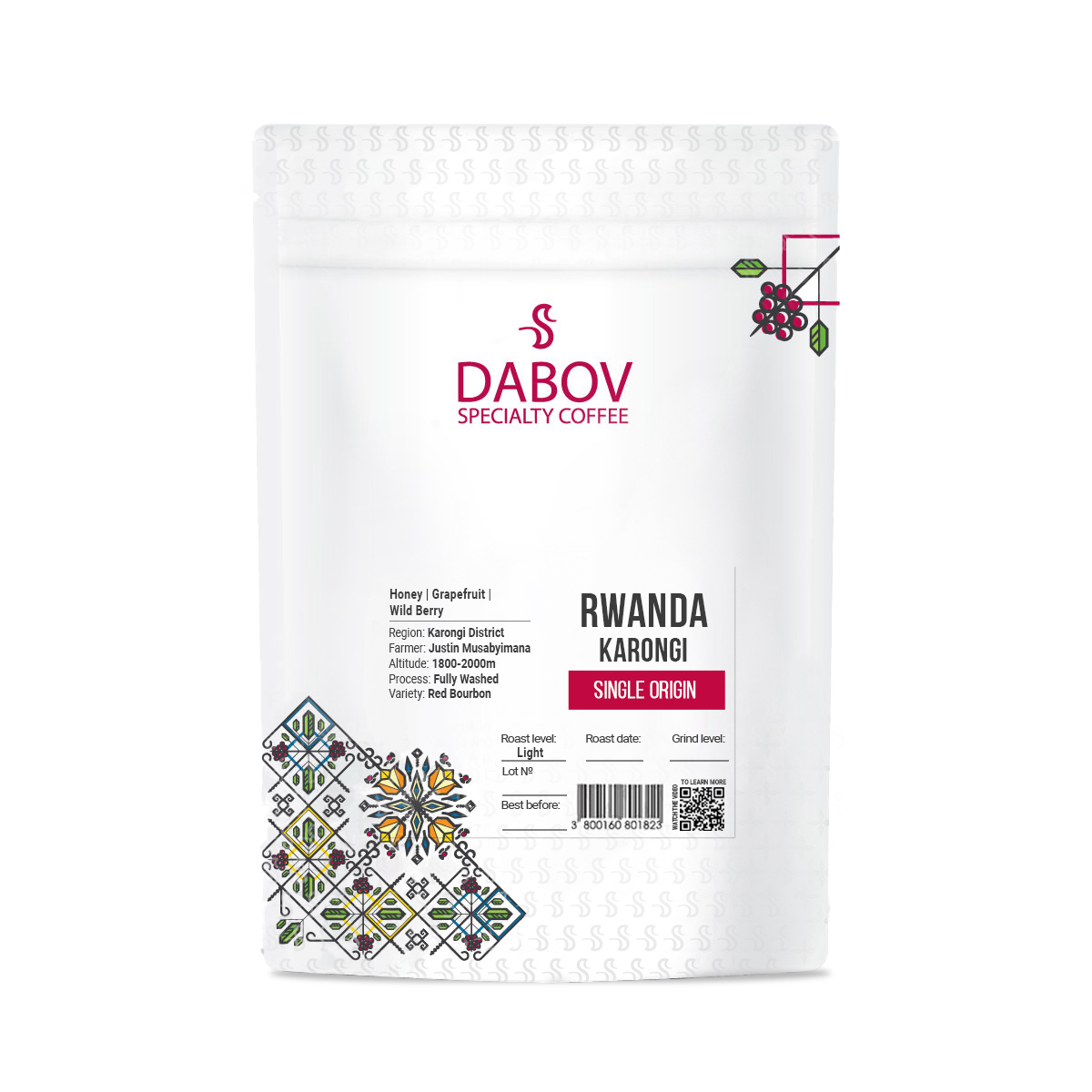
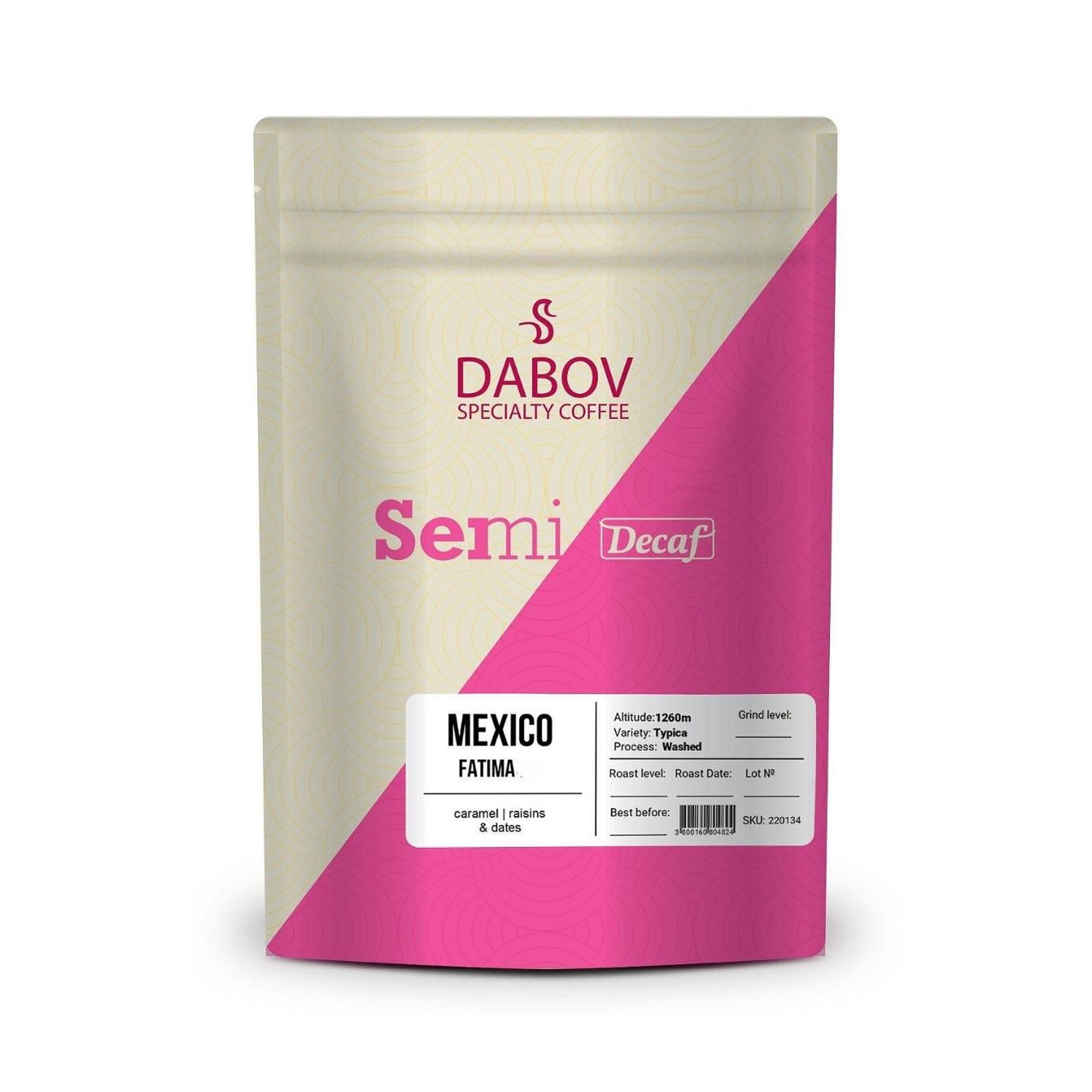
Specialty roasters committed to transparency will include variety information on their packaging or website alongside origin, processing method, and roast date. If the bag says only "Ethiopia Arabica" without variety information, the roaster either does not know or has not prioritized communicating it. Both are signals worth noting.
Conclusion
The flavor in your cup was written before the first roasting drum ever turned — in the genetics of the tree that produced the cherry, shaped by the altitude and soil it grew in, and expressed through the processing choices made at the farm. Arabica's tetraploid complexity gives it the ceiling that Robusta cannot reach; within Arabica, the difference between Typica's clean sweetness, Bourbon's chocolate depth, and Geisha's floral transparency is as large as the difference between grape varieties in wine.
Learning to taste for variety — asking what a Pink Bourbon from Huila does that an SL28 from Kenya cannot, and vice versa — is one of the fastest ways to develop coffee literacy. The variety is the intention; everything downstream is execution. Browse our coffee beans selection to explore single-origin lots where the variety is front and center.