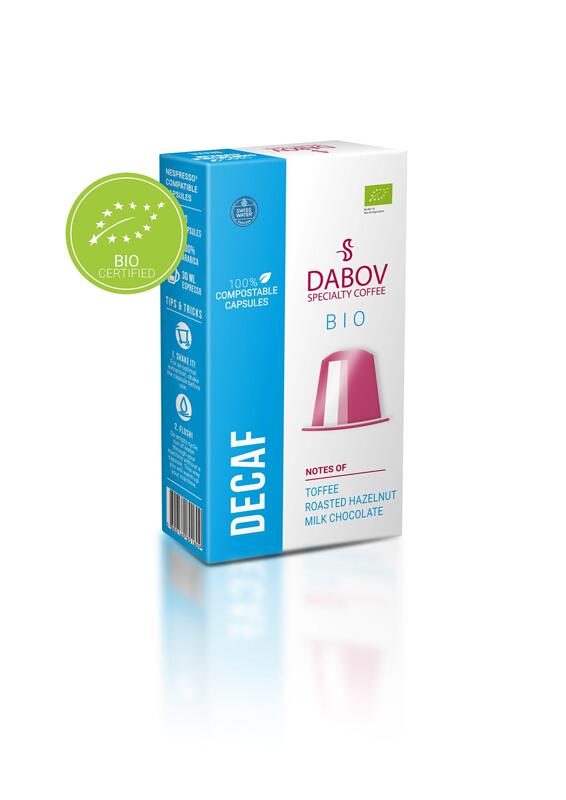
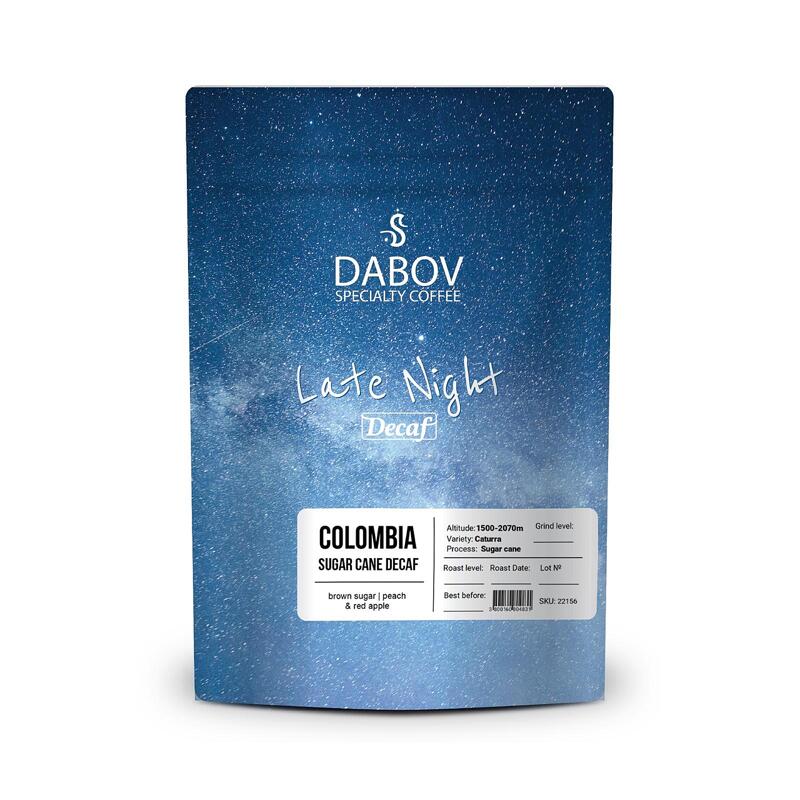
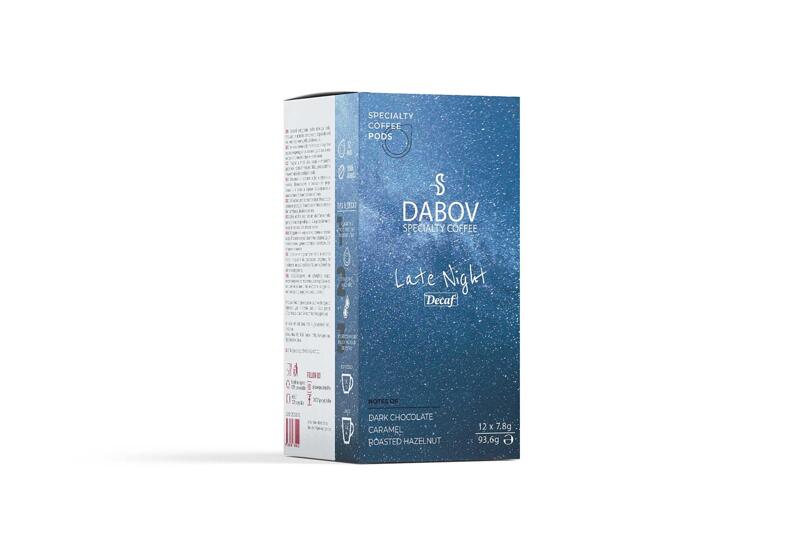
The difference between a low-caffeine strategy and simply switching to decaf is intentionality. Decaf resolves the caffeine question entirely—this guide is about controlling the dose above zero. That requires understanding which variables in your coffee routine actually move caffeine content, and by how much.
Why Most Caffeine Reduction Advice Misses the Point
The most common advice—drink less coffee—is correct but obvious. The more useful question is: can you maintain the same number of drinks, the same cup size, and the same sensory satisfaction while delivering meaningfully less caffeine? In several cases, yes.
Less commonly discussed is the myth that dark roast has less caffeine, which occasionally leads people to switch roast levels expecting a significant reduction. When coffee is weighed in grams (as specialty cafes and all serious recipes do), caffeine per gram varies only marginally between light and dark roast of the same variety. The roasting process is not a useful caffeine-reduction lever.
What does work: choosing a different variety, blending with decaf, or adjusting extraction parameters. Each approach operates on a different mechanism and delivers a different magnitude of reduction.
Naturally Low-Caffeine Varieties: Laurina and Aramosa
The most elegant solution to high caffeine is selecting a variety that simply produces less of it—without any processing intervention.
Laurina (Bourbon Pointu)
Laurina, also known as Bourbon Pointu, is a natural Arabica mutation first documented on Réunion Island in the 18th century. It contains roughly 0.3–0.6% caffeine by dry weight of the green bean, compared to standard Arabica's 1.2–1.5%. That is a 50–75% reduction in caffeine before roasting, brewing, or blending.
The cup character of Laurina is often described as delicate and tea-like, with low bitterness and floral-fruity aromatics. This profile makes sense: caffeine contributes bitterness to the cup, and its near-absence shifts the flavour register toward sweetness and acidity. Quality Laurina from producers in Japan, Brazil, and Réunion commands premium prices because the trees are fragile and low-yielding—but a 250 g bag typically delivers far fewer milligrams of caffeine per cup than any other option short of decaf.
For filter brewing, Laurina performs particularly well at light to medium roasts where the delicate character can express fully. It responds well to lower brew temperatures (192–196°F / 89–91°C) and slightly longer bloom times than standard Arabica.
Aramosa
Aramosa is a hybrid developed by the World Coffee Research programme: a cross between Coffea arabica and Coffea racemosa. It carries the low-caffeine trait from C. racemosa (which contains almost no caffeine) while maintaining arabica cup quality. Aramosa typically contains 0.3–0.5% caffeine by green bean weight. It is less commercially available than Laurina but is being trialled by several specialty producers in Brazil and East Africa.
Both varieties are genuine alternatives to decaffeination for caffeine-sensitive drinkers who want to avoid chemical or water-process caffeine removal entirely. They are not available in mainstream retail—look for them at specialty roasters with direct-origin sourcing programmes.
Half-Caf Blends: The Most Accessible Reduction
A half-caf blend combines regular roasted coffee with decaffeinated coffee in a 50:50 ratio by weight, producing a cup with approximately half the caffeine of the regular component. If your usual 8 oz drip coffee delivers 95 mg, a half-caf version delivers roughly 48 mg—equivalent to a single espresso shot.
Building your own half-caf at home requires a compatible decaf. The best flavour outcomes come from matching decaffeination method to the intended brew:
- Swiss Water Process decaf preserves the most origin character and works well for filter brewing (pour-over, drip, AeroPress). It is the standard for half-caf blends that need to taste like coffee, not like a compromise.
- CO2 decaf produces a clean, neutral cup and integrates well into espresso-based half-caf blends. The CO2 process avoids chemical solvents and retains slightly more of the green bean's natural oils than solvent methods.
- EA (Ethyl Acetate) decaf — sometimes marketed as 'natural process' because ethyl acetate can be derived from fermented sugars — has a characteristic slightly syrupy note that works in medium-dark half-caf blends but can taste hollow or flat in light-roast filter contexts.
Some roasters sell pre-blended half-caf bags. When evaluating these, check whether the decaf component used a solvent or solvent-free method—not all bags label this clearly. A bag that says '50% decaf' without specifying the decaffeination method gives you less information than one that says '50% Swiss Water decaf.'
Gradual Reduction Ratios: Moving from Regular to Low-Caffeine
For drinkers concerned about caffeine withdrawal symptoms—headache, fatigue, and irritability that peak around 20–48 hours after reducing intake—a gradual blend-ratio progression reduces the risk of a noticeable dip.
A common approach is to shift the decaf fraction by 25% per week:
- Week 1: 75% regular / 25% decaf
- Week 2: 50% regular / 50% decaf (half-caf)
- Week 3: 25% regular / 75% decaf
- Week 4: 100% decaf, or stabilise at Week 2 or 3 ratio
At each step, the caffeine per 8 oz cup shifts as follows: Week 1 ≈ 73 mg, Week 2 ≈ 50 mg, Week 3 ≈ 27 mg, Week 4 ≈ 5 mg. Moving in 25% increments means no single transition reduces daily caffeine by more than 23 mg per cup, which most habitual drinkers tolerate without symptoms.
Brewing Parameters That Reduce Caffeine Extraction
Caffeine is a water-soluble compound. Its extraction from coffee grounds is governed by the same variables that control total extraction: water temperature, contact time, grind surface area, and agitation. Adjusting these variables can reduce caffeine yield, though usually at some cost to other flavour compounds.
| Variable | Direction for Less Caffeine | Effect on Caffeine | Effect on Flavour |
|---|---|---|---|
| Water temperature | Lower (185°F vs 205°F) | 5–15% reduction | Reduced extraction overall; may taste sour or thin |
| Contact time | Shorter | 10–25% reduction | Can under-extract; weak body |
| Grind size | Coarser | 10–20% reduction | Less surface area; lighter, cleaner cup |
| Coffee dose | Lower | Proportional reduction | Thinner, less intense cup |
| Brew method | Cold brew at low ratio | Variable | Different flavour profile |
None of these parameters should be pushed to extremes for caffeine reduction—an under-extracted coffee tastes sour and hollow. The most practical combination is a slightly coarser grind with a marginally shorter brew time, which typically reduces caffeine by 15–20% while still producing a drinkable cup.
A note on the cold brew myth: cold brew is not automatically lower in caffeine. Standard cold brew recipes use a 1:4 to 1:6 coffee-to-water ratio steeped for 12–24 hours, producing a concentrate that is often higher in caffeine per ounce than hot-brewed coffee. To use cold brew as a low-caffeine method, you need a 1:8 to 1:10 ratio and a 10–12 hour steep—conditions that produce a ready-to-drink brew with roughly 80–120 mg per 12 oz serving, not a concentrate.
The Light Roast Caffeine Myth
The belief that light roast is meaningfully higher in caffeine than dark roast is widespread in specialty coffee culture. It contains a grain of truth but is largely irrelevant in practice.
The mechanism: roasting drives off water and causes cell-wall pyrolysis, making beans larger, less dense, and lighter in weight per unit volume. A volume scoop of light roast contains slightly more grams of coffee (and therefore slightly more caffeine) than the same volume scoop of dark roast. When you measure coffee by weight in grams—as any precision recipe does—the caffeine difference between light and dark roast of the same variety is under 5%.
The practical takeaway: if you are measuring by weight, roast level is not a useful caffeine-reduction tool. If you are measuring by volume (tablespoons), a dark roast may deliver marginally less caffeine per scoop—but neither difference is meaningful in a daily caffeine management context. Do not switch roast levels expecting a significant reduction; switch varieties or blend with decaf instead.
Building a Low-Caffeine Coffee Routine: Decision Framework
Caffeine Content by Low-Caffeine Strategy
The following table summarises what each approach delivers in a standard 8 oz cup, assuming an Arabica-based regular coffee as the baseline.
| Strategy | Caffeine per 8 oz | Reduction vs Regular | Availability |
|---|---|---|---|
| Standard Arabica drip | 90–100 mg | Baseline | Universal |
| Laurina variety, drip | 20–45 mg | 55–78% | Specialty roasters only |
| Aramosa variety, drip | 20–40 mg | 58–79% | Very limited specialty |
| Half-caf blend (50/50 Swiss Water) | 45–55 mg | 42–52% | Widely available |
| 75% decaf / 25% regular blend | 25–35 mg | 63–74% | DIY; easy |
| Decaf (Swiss Water) | 2–12 mg | 88–98% | Universal |
| Lower temp + coarser grind only | 75–85 mg | 10–20% | Any setup, DIY |
Frequently Asked Questions
Does half-caf taste different from regular coffee?
With a well-matched Swiss Water decaf in the decaf component, the difference is subtle—most drinkers cannot identify the half-caf in a blind tasting. Flavour integration improves significantly when both components are ground together rather than brewed separately. Using a poor-quality solvent-processed decaf in the blend produces a noticeably flat or hollow result, which is why the choice of decaf base matters.
Are Laurina and Aramosa available in retail bags?
Laurina is increasingly available from specialty roasters with direct-origin sourcing, particularly those working with Brazilian or Japanese producers. Expect to pay a premium—$20–35 per 250 g bag is typical given the variety's low yield and fragile trees. Aramosa is rarer and mostly available through roasters who work directly with World Coffee Research partners. Searching 'Laurina coffee' or 'Bourbon Pointu' by name is the fastest route to finding a current supplier.
Does cold brew actually have less caffeine?
Only if brewed at a low ratio. Standard cold brew concentrate (1:4 coffee-to-water ratio) has more caffeine per ounce than drip coffee. Ready-to-drink cold brew at a 1:8 ratio has comparable caffeine to drip coffee. The brew ratio matters far more than the temperature. For genuinely low-caffeine cold brew, use a 1:10 ratio, steep for 10 hours, and drink it undiluted.
Can I reduce caffeine by using a shorter steeping time in French press?
Yes—to a point. Cutting a French press steep from 4 minutes to 2 minutes reduces caffeine extraction by approximately 15–20%. The trade-off is a thinner, less developed body and a potentially higher proportion of sour, under-extracted compounds. If you want to use this technique, compensate with a slightly finer grind or a slightly higher dose ratio to maintain body without restoring the full extraction time.
The Takeaway
For coffee drinkers who want less caffeine without a full transition to decaf, the most effective options in order of impact are: switching to a naturally low-caffeine variety like Laurina (50–75% reduction), building a half-caf blend with Swiss Water decaf (45–55% reduction), or making targeted brewing adjustments—coarser grind plus shorter contact time—for a 15–20% reduction without changing beans at all.
The light roast versus dark roast debate is a distraction: roast level is not a meaningful caffeine-reduction tool when coffee is measured by weight, and the difference when measured by volume is too small to plan around. Focus on variety selection and blending ratios for real results.
Explore our specialty coffee selection to find Arabica options suitable for half-caf blending.