The Natural Coffee Process Explained
Natural processing, also called dry processing, is coffee's most ancient method. Green coffee beans rest inside whole cherries as they dry in the sun, typically on raised beds or patios. This extended contact between fruit and bean creates conditions for complex fermentation and flavor development—producing coffees with fuller body, lower perceived acidity, and pronounced fruit character compared to washed alternatives.
The process begins immediately after harvest. Ripe cherries are spread in thin layers (typically 3-5 cm deep) on drying beds, where the fruit gradually shrinks and darkens over 15-25 days. During this time, enzymatic and microbial activity within the cherry creates unique compounds: esters that taste fruity, aldehydes that smell floral, and volatile acids that develop wine-like complexity. Temperature, humidity, altitude, and rainfall patterns directly influence which flavors emerge.
This processing style thrives in water-scarce regions—Ethiopia, Yemen, Brazil, and parts of Indonesia use natural processing because they lack the reliable water sources washed processing demands. Yet the method isn't simply economical; it's a deliberate craft. Skilled producers have refined drying techniques over generations to coax specific flavor outcomes from their terroir.
Fermentation: The Heart of Natural Processing
Understanding Fermentation Dynamics
Fermentation in natural processing happens inside the cherry—anaerobic bacteria and wild yeast consume the cherry's sugars and produce organic acids, alcohols, and aromatic compounds. Unlike controlled fermentation in wet processing (where the fruit is removed first), this fermentation is passive, influenced by temperature, cherry ripeness, and moisture.
Early-stage fermentation (days 1-7) is the fastest. Yeasts and bacteria access sugars easily and multiply rapidly, producing acetic acid and ethanol. This stage creates the most dramatic flavor shifts: fruity, wine-like, sometimes vinegary notes develop. Producers manage this by adjusting drying bed density and turning frequency.
Mid-stage fermentation (days 7-15) slows as available sugars deplete and acidity increases. Lactic acid bacteria become dominant, producing lactic acid and lactones—compounds that taste creamy and fruity. This phase balances the initial intensity with subtle sweetness.
Late-stage fermentation (days 15+) occurs as moisture content drops to 11-12%. Microbial activity slows dramatically; oxidation becomes the primary flavor driver. The cherry skin hardens and splits, revealing the dried parchment beneath.
Fermentation Risk Management
Uncontrolled fermentation is the primary challenge in natural processing. Over-fermentation produces vinegar-like acidity, musty mold notes, or harsh bitterness that makes coffee undrinkable. Under-fermentation leaves grassy, underdeveloped flavors.
Key risk factors include excessive rainfall during drying (saturates cherries, promotes anaerobic mold growth), inconsistent cherry ripeness (underripe fruit ferments differently than ripe), and poor airflow beneath drying beds (traps moisture and encourages pathogenic fungi). Pest damage—insects or bird pecking—accelerates decay and produces off-flavors.
Producers manage fermentation risk through careful cherry selection, maintaining optimal moisture curves (checking with analog moisture meters), and regular turning. Some farms use plastic covers to protect against rain while allowing air circulation. Others employ raised beds with mesh bottoms—essential for airflow—and position them to catch morning and afternoon sun while avoiding midday heat intensity.
Advanced producers use temperature and humidity data loggers to map microclimates across their drying areas, enabling precise adjustments. This data-driven approach reduces defect rates and increases batch consistency.
Notable Natural Processing Origins
Ethiopian Sidamo: The Benchmark
Ethiopian Sidamo produces some of the world's most celebrated natural processed coffees. The region's 1,500-2,200 MASL elevation, cool nights, and volcanic soils create ideal fermentation conditions. Sidamo naturals typically exhibit bright blueberry and strawberry notes, delicate jasmine florality, and a tea-like body that's lighter than Brazilian or Indonesian naturals.
This flavor signature results from specific fermentation dynamics: Sidamo's altitude slows fermentation, allowing complex fruit compounds to develop before microbial activity becomes excessive. The indigenous Coffea arabica heirloom varieties grown there (often wild-harvested from forest coffee) possess genetic complexity that produces diverse aromatic compounds during fermentation.
Best specialty Sidamo naturals are sun-dried on traditional woven beds or patios, with meticulous hand-turning 4-6 times daily. This labor-intensive approach ensures even drying and prevents mold. The result: coffees with wine-like structure, bright acidity, and transparent fruit flavors that reveal terroir clearly.
Brazilian Cerrado and Mogiana: Chocolate-Forward Naturals
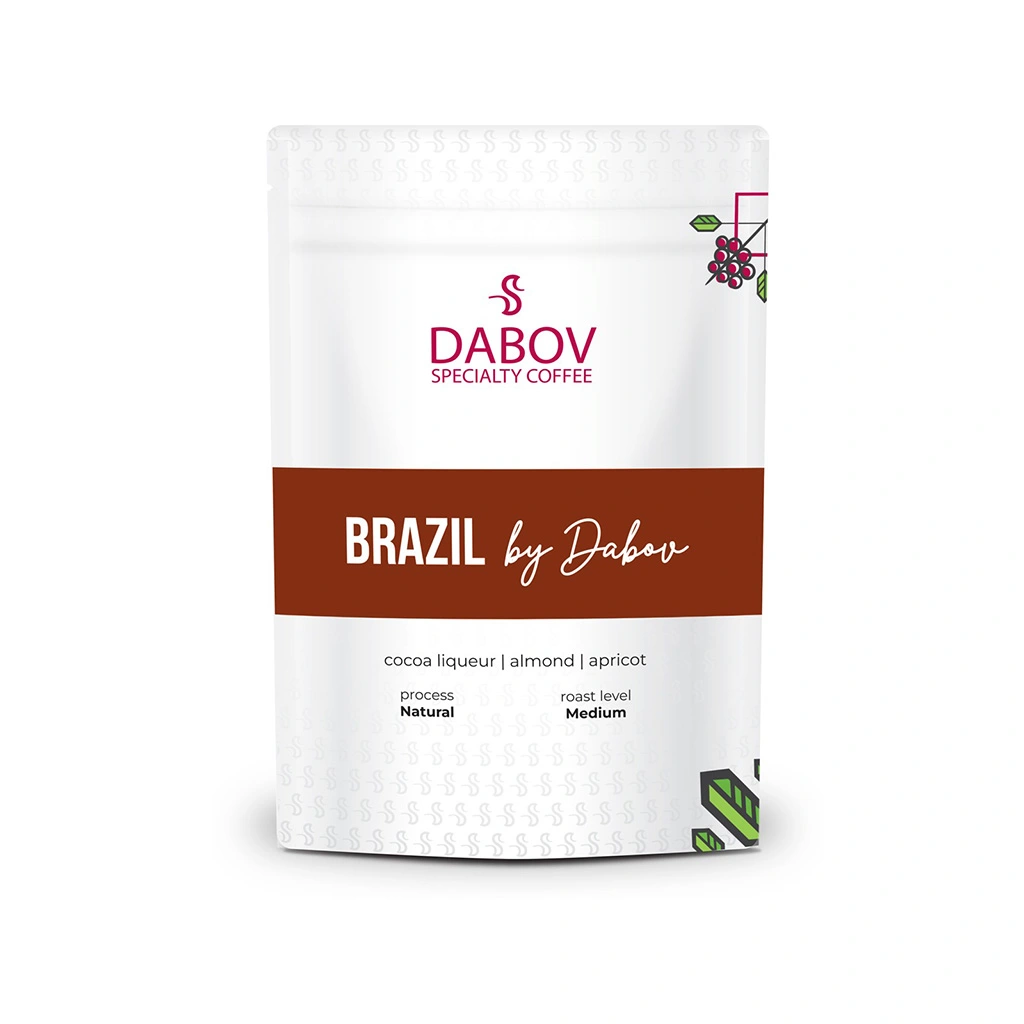
Brazil produces more natural processed coffee by volume than any other country. The Cerrado Mineiro region—with its distinct dry season, moderate altitude (800-1,200 MASL), and red soil—produces naturals emphasizing chocolate, nut, and caramel notes rather than bright fruit.
Brazilian fermentation typically develops slower, more mellow notes than Ethiopian counterparts. Warmer temperatures during drying intensify sugar caramelization before fermentation peaks, pushing flavor development toward chocolate and sweetness. The Bourbon and Mundo Novo varieties grown throughout the region produce naturally heavier bodies and lower acidity by genetics—factors amplified by natural processing.
Many Brazilian producers employ mechanical harvesting and industrial-scale drying on massive concrete patios, creating unique flavor profiles. The Mogiana region's altitude (1,000-1,400 MASL) produces higher complexity; coffees show balanced fruit notes alongside chocolate, creating attractive versatility for espresso blends.
Indonesian Sumatra: Earthy, Full-Bodied Naturals
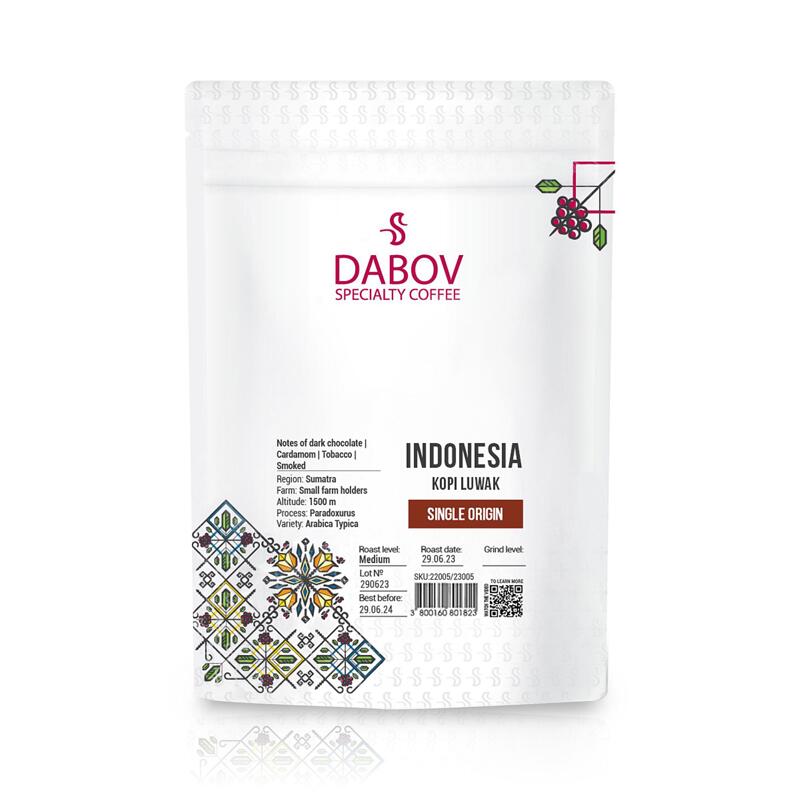
Indonesian natural processed coffees, particularly from Sumatra, exhibit dramatically different characteristics: earthy, herbal, sometimes spicy notes with full body and low acidity. The reason lies partly in processing innovation—Indonesia's wet-hulled method (Giling Basah) is a hybrid between natural and washed processing that removes parchment at high moisture content (50%), creating unique fermentation.
But also true naturals exist in Indonesia's highland regions. The combination of high humidity, frequent rain, and volcanic soil creates faster, more intense fermentation than African counterparts. This produces earthier, sometimes funky (in the desirable sense) flavor compounds—tobacco, leather, woody notes—that appeal to darker roast and espresso applications.
Drying Bed Setup and Optimization
| Factor | Raised Beds | Patios | Mechanical Dryers |
|---|---|---|---|
| Airflow | Excellent (mesh bottom) | Variable (depends on surface) | Controlled |
| Cost | Medium-high | Low | High |
| Consistency | High | Medium-low | Very high |
| Flavor Impact | Bright, clean | Full-bodied, complex | Consistent, neutral |
| Labor | Moderate (frequent turning) | High (turning/raking) | Low (automated) |
Raised beds with mesh bottoms offer the best balance for specialty production. Air circulates underneath and above the cherries, drying evenly while preventing mold. Beds 1-1.5 meters high allow harvest workers to reach cherries without bending excessively. Spacing between beds (at least 0.5 meters) prevents overshadowing and improves air movement.
Patios (concrete or compacted earth floors) are lower-cost but require vigilant management. Concrete patios can overheat cherries on sunny afternoons, case-hardening the exterior (moisture seals inside, drying stops). Covering sections with shade cloth or moving cherries temporarily solves this. Daily raking and turning is labor-intensive; many small producers use this method because capital investment is minimal.
Mechanical dryers (typically drum or conveyor-belt machines) accelerate drying to 48-72 hours and produce highly consistent results. However, rapid mechanical drying prevents the slow fermentation that develops natural processing's signature fruit flavors. These dryers are best for high-volume commodity production, not specialty coffee.
Optimal drying surfaces use graduated shade: full sun for first 5-7 days (rapid initial moisture removal), partial shade for days 7-15 (slowing fermentation, preventing over-drying), and if needed, light cover during final days (protecting parchment from rain).
Moisture Management and Completion
Targeting 11-12% moisture content in green beans is critical. Below 10%, beans become brittle and crack during hulling (producing defects). Above 13%, mold risks increase during storage.
Producers use a combination of methods to monitor:
- Touch method: Grab a handful of dried cherries. If they feel papery and crumble easily, moisture is low. If they bend slightly without cracking, they're near target.
- Moisture meter: Digital meters (relatively inexpensive) provide precise readings. Check 5-10 spots across drying beds daily.
- Breakage test: Bite a dried cherry—green beans should crack crisply, not bend or chew.
Once target moisture is reached, cherries enter a resting period (2-4 weeks) in breathable containers, allowing moisture to equilibrate throughout the batch. This step, often overlooked by smaller producers, significantly improves consistency.
Then comes hulling—mechanical removal of the dried cherry skin and parchment layer. This reveals the green coffee bean inside. Industrial hullers handle large volumes; smaller producers may use hand-cranked machines or contract work to regional mills.
Challenges and Solutions
Problem: Inconsistent drying (some cherries fully dry while others remain soft)
- Solution: Use raised beds with uniform 3-5 cm depth. Turn morning and evening without fail. Spread cherries in thin rows to maximize air exposure.
Problem: Mold growth (visible white/black fuzzy coating)
- Solution: Improve airflow. Check humidity—mold thrives above 85% RH. Use shade cloth to reduce excessive heat. Ensure drying beds aren't positioned where morning dew pools.
Problem: Over-fermentation (vinegary, rotten cherry smell)
- Solution: Monitor temperature closely. Cover cherries during rainy periods or days exceeding 30°C (86°F). Use thinner drying layers. Increase turning frequency to exchange gases.
Problem: Underripe cherries mixed with ripe (grainy, underdeveloped flavors)
- Solution: Implement strict harvest protocols—pick only deep red/maroon cherries. Use flotation tanks post-harvest to separate low-density (underripe) fruit.
The Science of Natural Processing Flavor
When cherries dry, osmotic pressure forces sugars from the fruit into the bean. Simultaneously, yeast and bacteria ferment those sugars, producing volatile esters and organic acids. The specific compounds depend on:
- Microorganism strains: Wild yeast and bacteria species vary by region. Ethiopian Sidamo harbors different microbial populations than Brazilian Cerrado, producing different fermentation byproducts.
- Sugar concentration in the cherry: Riper cherries contain 15-18% sugar; underripe cherries only 8-12%. This dramatically affects fermentation intensity and flavor richness.
- Fermentation duration: Slow fermentation (cool temperatures, high altitude) develops subtle, complex fruity notes. Fast fermentation produces bolder, sometimes harsh, compounds.
- Oxygen availability: Anaerobic conditions inside the cherry promote different microbial activity than aerobic conditions in the surrounding air. Turning cherries increases oxygen exposure.
A 20°C difference in ambient temperature during fermentation can shift flavor from bright berries to cooked fruit to vinegary notes. Humidity likewise: dry air (below 60% RH) slows fermentation; humid air (above 80% RH) accelerates it.
Modern Innovations in Natural Processing
Some innovative producers experiment with controlled fermentation: inoculating cherries with specific yeast strains before drying, or sealing cherries in anaerobic tanks for 24-72 hours before sun-drying. These hybrid approaches aim to dial in flavor precision.
Others adopt "extended natural" or "long fermentation" styles—intentionally slow-drying cherries to 20-30+ days, intensifying fruity and funky compounds. These coffees are polarizing but increasingly sought by specialty roasters.
Data-driven drying is emerging: sensors in drying beds transmit real-time temperature and humidity, allowing producers to adjust practices instantly. This shifts natural processing from intuition-based to science-informed.
Conclusion: The Art of Sun-Dried Perfection
Natural processing is not simply letting cherries dry—it's orchestrating complex fermentation to coax fruit-forward, full-bodied excellence from raw agricultural material. Success demands understanding fermentation dynamics, managing moisture carefully, selecting ripe fruit meticulously, and investing in infrastructure (raised beds, turning labor, hulling equipment) that smaller producers often can't afford.
Yet the reward is distinctive coffee: a cup that tastes of berries, wine, chocolate, and earth in ways washed processing can't replicate. Ethiopian Sidamo naturals remain benchmarks for bright, floral fruit. Brazilian naturals showcase sweet caramel and chocolate. Indonesian naturals deliver earthy boldness.
For roasters and enthusiasts seeking to deepen coffee appreciation, naturally processed beans offer a direct window into terroir and producer skill. Each harvest season, fermentation conditions vary—a natural processed coffee is never identical year-to-year. That variability, far from a flaw, is the method's greatest strength: it celebrates origin, reflects seasonal reality, and reminds us that coffee, at its heart, is an agricultural product shaped by place and human choice.
Frequently Asked Questions
How long does natural processing typically take?
Natural processing takes 15-25 days from harvest to dried cherry completion, depending on temperature, humidity, and altitude. High-altitude, cool regions (Ethiopia) may extend to 30+ days. Hot, humid regions (Indonesia) may finish in 14-18 days. Additional 2-4 weeks rest after drying (before hulling) allows moisture equilibration.
Can natural processed coffee be too fermented?
Yes. Over-fermented natural coffees taste vinegary, moldy, or rotten—defects that render them unsaleable. This occurs when cherries ferment for too long (temperatures above 30°C, high humidity) without proper airflow. Good producers stop fermentation by achieving target moisture, moving cherries to dry storage, or using shade to cool the drying beds.
Is natural processing sustainable?
Yes—it uses no water, making it invaluable in water-scarce regions. However, its reliance on sun and seasonal weather means climate change threatens viability. Unpredictable rain can ruin entire harvests. Some regions are experimenting with solar-powered mechanical drying as a backup, balancing sustainability with reliability.
Why is natural processed coffee more expensive?
Natural processed coffee often commands premium prices because 1) it's less consistent (riskier for producers), 2) defect rates are higher if fermentation goes wrong, 3) specialty roasters actively pay premiums for natural lots, and 4) the processing skill required is significant. Small producers with unreliable drying infrastructure often sell cheaper, while award-winning natural lots fetch $5-8/lb or more.
How should I brew natural processed coffee to highlight fruit flavors?
Use lighter roasts (City or City+, not French/dark roast) and brewing methods that extract cleanly without over-extracting bitterness. Pour-over (Hario V60, Chemex) or AeroPress work excellently. Use water around 195-200°F, fine-to-medium grind, and aim for 2.5-3 minute total brew time. Avoid French press (oils mask delicate fruit) and super-hot water (burns subtle florals).