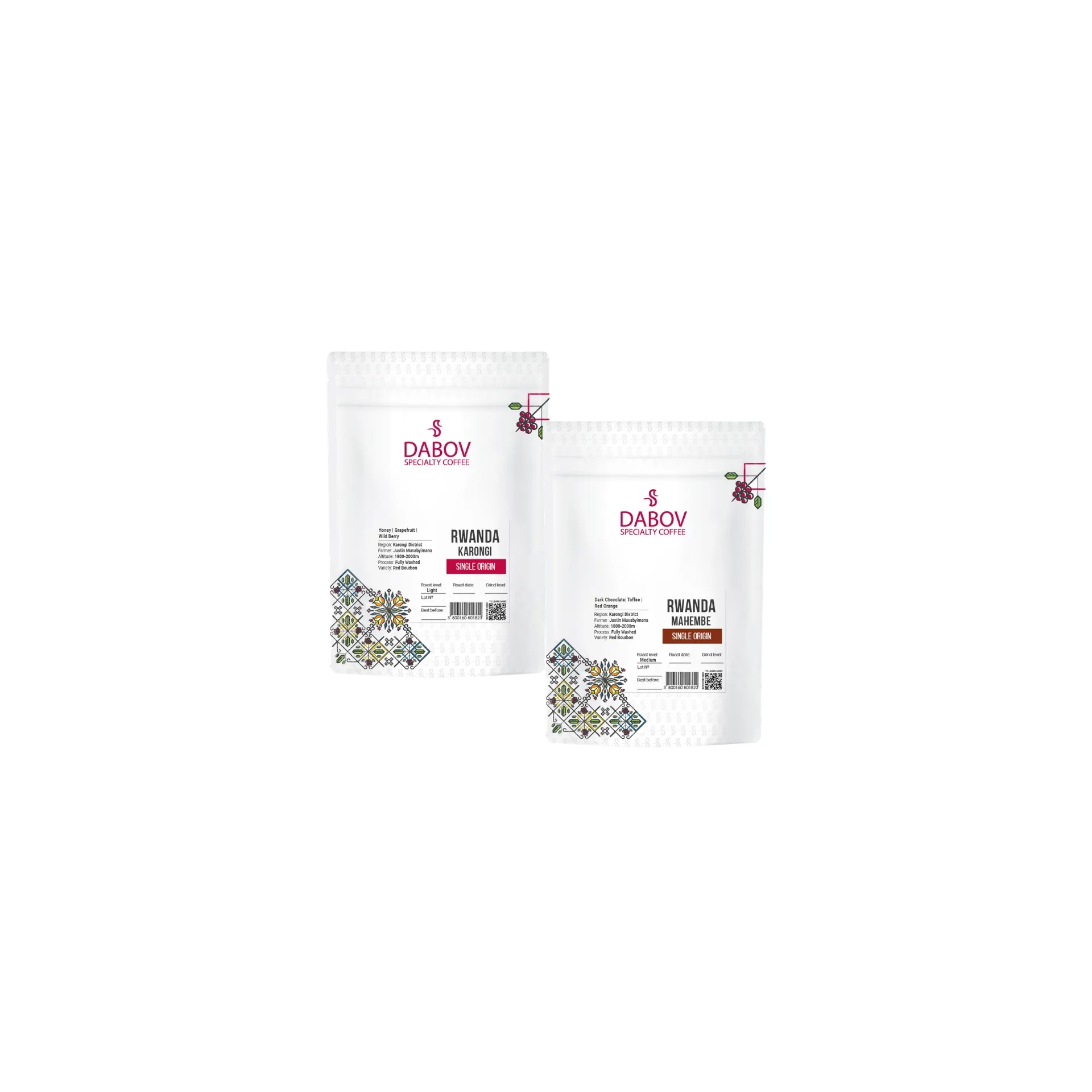
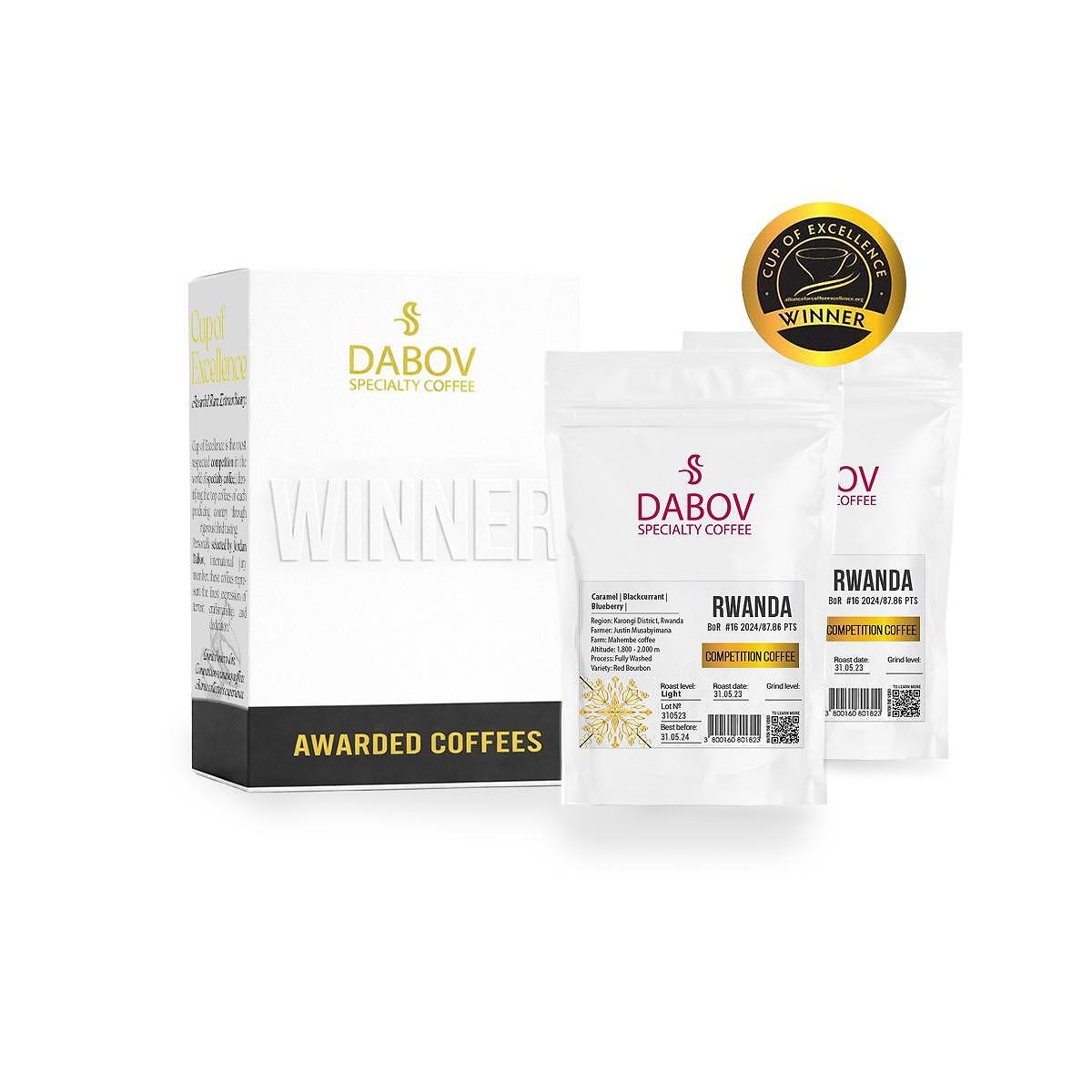
What Is Single-Origin Coffee?
Single-origin coffee comes from one identifiable geographic source: a specific country, region, farm, or even an individual lot harvested on a particular date. This contrasts sharply with blends, which combine beans from multiple origins to achieve consistent flavor year-round.
The term "single-origin" exists on a spectrum:
- Country-level: "Brazilian coffee" identifies a nation but encompasses diverse microclimates, altitudes, and producers.
- Regional: "Colombian Huila" narrows to a specific department (province), which still contains multiple farms.
- Farm-level: "Santa Maria Farm, Yirgacheffe" identifies a single producer's coffee, possibly a single harvest.
- Microlot: "Lot #3, Santa Maria Farm, 2024 harvest, anaerobic fermentation" specifies an individual batch processed under specific conditions.
The specialty coffee industry's obsession with single-origin reflects a fundamental value: flavor is shaped by place. Altitude, soil mineralogy, microclimate, altitude, processing tradition, and varietal genetics all vary across a region. By refusing to blend, roasters force consumers to taste these differences directly.
The Third-Wave Movement and Traceability
The rise of single-origin coincides with "third-wave" coffee culture—a movement (emerging roughly 2008-2012) that treats coffee as a craft beverage like wine or chocolate, worthy of curiosity and study.
First-wave coffee (1960s-1980s) was commodity coffee: instant coffee, diner coffee, convenience. Second-wave (1990s-2005) introduced espresso, cappuccinos, and the Starbucks experience—quality improved, but coffee remained about the brand, not the source. Third-wave inverted this: the coffee itself becomes the hero. Origin, processing method, harvest date, and producer identity matter profoundly.
Traceability is third-wave's central obsession. Rather than buying coffee from importers who pool beans from dozens of farmers, roasters now seek direct relationships with specific producers. They travel to origin, cup pre-harvest lots, negotiate pricing, and sometimes finance equipment or infrastructure improvements.
This traceability solves a historical problem: coffee commodity markets notoriously short-change farmers. Middlemen (exporters, importers, traders) pocket 50-70% of the retail price. By sourcing directly, roasters can pay farmers $3-8/lb instead of the commodity price of $1.50-2.50/lb. Farmers earn more, invest in quality improvements, and feel invested in their work. Roasters gain unprecedented control over quality and can market with authenticity ("direct from Maria's farm, Huila").
Transparency Creates Consistency Challenges
Yet transparency reveals an uncomfortable truth: single-origin coffees are inconsistent season-to-season. A 2024 Yirgacheffe Sidamo natural may taste utterly different from 2023's vintage—ripe berries versus floral tea notes, full body versus delicate. This reflects reality: coffee is agriculture, shaped by rainfall, temperature, processing decisions, and microbial activity. No two harvests are identical.
Convention blends mask this variability. A roaster blending coffees from 5 countries can adjust proportions annually to maintain consistent flavor—consumers never notice the underlying changes. But single-origin roasters can't. They must either:
- Accept and celebrate vintage variation (explicitly marketing it to curious consumers).
- Purchase multiple parcels from the same farm/region, blending them to create consistency (which defeats the transparency value).
- Hunt for new origins each season, constantly educating customers.
This challenge is precisely why single-origin requires deeper engagement with consumers. Third-wave roasters don't expect buyers to understand coffee commodities; they teach. Tasting notes, processing explanations, farm profiles, and even producer videos accompany single-origin lots. This narrative layer transforms a commodity into a story—and stories sell premiums.
Premium Pricing and Direct Trade Economics
Single-origin coffee costs significantly more than blends. A commodity coffee costs roasters $1.50-2.50/lb; a specialty single-origin costs $3-8/lb at origin, plus shipping, storage, roasting labor, and retail markup. Consumers pay $15-25/12oz bag for specialty single-origin—2-3x higher than supermarket coffee.
Why do consumers accept this?
The Direct Trade Premium
Direct trade (coffee purchased directly from producer to roaster, bypassing importers) certifies that a higher percentage of retail price reaches the farmer. Most direct trade relationships target $4-6/lb at origin—compared to ~$1.50/lb commodity price. This 3-4x premium is justified by quality (specialty-grade beans command higher prices) and sustainability (direct roasters ensure farms use appropriate labor practices, environmental stewardship).
The premium is partially psychological. Consumers pay partly for the quality, partly for the narrative that their money directly supports a named farmer. This emotional connection—"I'm buying Maria's coffee from her farm in Huila"—drives loyalty and justifies price.
However, direct trade skeptics note that terminology is unregulated. Any roaster can claim "direct trade" without external verification. Some "direct trade" operations still use importers and just visit farms occasionally. Third-party certifications (like Fair Trade, Rainforest Alliance, or Relationship Coffee's certification) provide verification, but carry their own costs, reducing farmer payouts.
Retail Markup and Value Capture
| Channel | Farmer Price | Roaster Cost | Retail Price | Farmer % |
|---|---|---|---|---|
| Commodity (supermarket) | $0.40 | $1.50 | $8-12 | 3-5% |
| Fair Trade certified | $1.50-2.00 | $2.50-3.50 | $12-16 | 10-15% |
| Direct trade specialty | $4.00-6.00 | $5.00-7.00 | $16-25 | 16-24% |
Direct trade single-origins shift value toward farmers, but roasters and retailers still capture significant margins. A $20/12oz bag might allocate $5 to the farmer (after all origin costs), $3 to roasting/roaster overhead, $4 to retailer margin, $5 to shipping/storage/labor, and $3 profit margin. The math is competitive; specialty roasting isn't inherently profitable.
Challenges: Consistency and Scale
The Seasonal Availability Problem
Coffee grows on a seasonal cycle—most regions have one main harvest (some have two smaller harvests). A farm producing 100 bags (60kg each, 6,000kg total) of Yirgacheffe annually must ration availability. If a roaster wants steady access to that same lot year-round, supply runs out by April, leaving 8 months until the next harvest.
Small-batch specialty roasters embrace this: they rotate through different origins seasonally, teaching customers that coffee has seasons just like fruit. A roaster might feature a Kenyan AA in January-March (recent harvest, bright acidity), switch to a Colombian Geisha in April-June (different terroir, floral notes), and stock an Indonesian Sumatra in July-October (different body, longer storage-stable). This seasonal rotation is narratively strong—"spring coffees," "fall harvest," etc.—but requires constant education.
Large roasters hoping to maintain a single-origin offering year-round typically hold inventory (expensive, risks staleness) or source from multiple farms in the same region, blending them (which undermines single-origin purity). Some buy forward—purchasing next season's crop pre-harvest, accepting price risk if quality disappoints.
Variability and Defect Risks
Natural processing (common in Ethiopia, Brazil, parts of Indonesia) introduces fermentation variability. Two harvests from the same farm may ferment differently due to weather, cherry ripeness, or subtle microbial shifts. One lot becomes award-winning; the next tastes vinegary or hollow. Roasters must assess risk: smaller, inconsistent lots might fetch $3/lb; proven, consistent producer relationships might command $6/lb.
Processing innovations—anaerobic fermentation, extended fermentation, experimental techniques—add quality but increase unpredictability. A roaster buying Maria's first attempt at anaerobic fermentation is gambling. If it wins competitions, they gain a unique product; if it tastes off, they've spent premium pricing on flawed coffee.
Farmer Dependency and Negotiation
Direct trade, while ethical, creates dependency. A roaster building a brand around "[Producer Name]'s Coffee" becomes reliant on that producer's next harvest. If drought hits, the farmer's trees fail, prices skyrocket, or the farmer sells to a competitor offering more, the roaster's supply vanishes. Large commodity roasters diversify across hundreds of suppliers; direct trade roasters carry concentrated risk.
Negotiation dynamics also shift. A commodity buyer purchasing 1,000 bags of coffee for $2/lb has leverage; a specialty roaster buying 50 bags at $6/lb for a premium microlot lacks that leverage. Producers can demand higher prices, reduce transparency, or sell to competitors.
Yet successful roasters mitigate risk through relationship: visiting farms annually, ensuring fair multi-year pricing (not just highest-bidder auctions), and investing in farmer success (financing infrastructure, training, experimentation). This relationship-centric model is slower and capital-intensive but creates stability.
The Third-Wave Roasters: Business Models
Pioneers like Blue Bottle Coffee and Intelligentsia Coffee normalized single-origin specialty espresso and filter coffee in the early 2010s. Their model: direct relationships, farm visits, cupping pre-harvest, published sourcing information, and premium pricing. Both companies later sold to larger corporations (Nestle, JAB Holding), but their ethos persists in hundreds of independent roasters.
Successful third-wave models share:
- Storytelling: Prominent origin information, farm names, producer bios, processing methods on packaging and websites.
- Education: Tasting notes, brewing recommendations, flavor wheels on their sites. Customers learn to taste coffee intentionally.
- Transparency: Visible sourcing practices, sometimes pricing breakdowns ("$X goes to farmer").
- Seasonality: Rotating offerings, not attempting year-round single-origin consistency.
- Community: Cafe spaces (if retail cafe), social media engagement, cupping events open to customers.
- Direct relationships: Personal producer connections, farm visits, public producer stories.
This model is labor-intensive and requires capital (traveling to origin is expensive, holding inventory ties up cash, and specialty retail margins are slim). It works primarily in urban specialty coffee-consuming markets (San Francisco, Portland, Brooklyn, London, Melbourne) where customers willingly pay $4-6 per cup and buy $20 bags regularly.
Rural areas, convenience-focused consumers, and large chains haven't adopted single-origin heavily. Starbucks offers "single-origin" options, but they're blended for consistency and lack the traceability narrative. Commodity coffee remains dominant by volume; single-origin is a premium niche occupying perhaps 5-10% of global coffee consumption.
The Consumer Psychology of Single-Origin
Why do consumers embrace single-origin premiums? Partly it's genuine taste preference—single-origin coffees are often higher quality. But partly it's psychological:
Authenticity: Single-origin feels authentic—you're tasting real coffee from a real place, not industrial blending. This authenticity appeals in a world of processed, mass-produced food.
Storytelling: A named producer in Yirgacheffe is narratively compelling. You can research the region, imagine the landscape, feel connected to a distant community. Generic "coffee" lacks this.
Conspicuous consumption: Single-origin is a status marker in specialty coffee culture. Ordering (and paying premium prices for) Kenyan AA or Ethiopian Yirgacheffe signals coffee knowledge and cultural sophistication. It's the coffee equivalent of buying craft beer.
Sustainability/ethics: Consumers increasingly value knowing where their food comes from and believing that producers are treated fairly. Single-origin with visible producer relationships assuages this.
Quality signal: In absence of standardized quality measures, single-origin serves as a proxy for quality. If a roaster is careful enough to source from a named farm and publish producer information, they're probably careful about roasting too.
Global Impact on Coffee Production
The single-origin movement has reshaped coffee farming in subtle ways:
- Quality focus: Farmers in traditional commodity regions (parts of Brazil, Vietnam) are increasingly investing in quality—composting, shade-growing, selective harvesting—to access specialty markets offering 3-4x commodity prices.
- Reputation building: Coffee regions now market themselves ("Huila, Colombia," "Yirgacheffe, Ethiopia") as brands. Governments and regional organizations invest in marketing, traceability infrastructure, and quality certification.
- Varietal experimentation: Direct trade relationships encourage producers to experiment with natural processing, anaerobic fermentation, or heritage varietals. This drives innovation but also creates the variability challenge discussed above.
- Climate vulnerability: As specialty roasters build single-origin brands around specific farms, climate disruption (droughts, floods, pest outbreaks) threatens their supply chain and marketing narrative. Farms in drought-prone regions (parts of Central America, Ethiopia) struggle.
- Labor and land: Higher prices have increased coffee farming's attractiveness in some regions, expanding cultivation into marginal lands or replacing shade-grown agroforestry with sun-grown monoculture. The environmental benefit is unclear.
Conclusion: Single-Origin as Coffee's Future
Single-origin coffee is not a fad. It reflects fundamental shifts: consumers increasingly value transparency, provenance, and ethical sourcing across food categories. Specialty coffee has created a viable business model—premium pricing, direct relationships, storytelling—that improves farmer livelihoods and drives quality improvement.
Yet single-origin faces challenges. Seasonality limits year-round availability. Consistency varies harvest-to-harvest, requiring consumer education. Farmer dependency and negotiation asymmetry create risk. And the movement remains geographically concentrated in wealthy nations and urban centers, excluding most coffee consumers.
For enthusiasts, single-origin offers a direct window into coffee's complexity and origin. For producers, it provides economic incentive to invest in quality. For the industry, it's a proven model proving that coffee can be more than commodity—it can be craft.
Frequently Asked Questions
How is single-origin coffee different from blends?
Blends combine coffees from multiple origins to achieve consistent flavor year-round, masking seasonal variation. Single-origin comes from one identifiable source and tastes different season-to-season. Blends prioritize consistency; single-origin celebrates terroir variation.
What does "direct trade" mean?
Direct trade means the roaster purchases coffee directly from the producer or a representative, bypassing importers and traders. This typically results in higher prices for the farmer ($4-6/lb at origin vs. ~$1.50/lb commodity) and gives roasters greater control over quality and sourcing practices.
Why does single-origin coffee cost more?
Single-origin costs more because 1) specialty-grade beans command higher prices, 2) direct sourcing relationships are expensive to maintain (farm visits, travel), 3) inventory holding costs are high (coffee is perishable), and 4) roasters capture smaller margins than commodity coffee producers, so they rely on premium pricing to survive.
How should I brew single-origin coffee to taste its flavor?
Use methods that extract cleanly: pour-over (Hario V60, Chemex), AeroPress, or light espresso roasts. Use water 195-205°F, fine-to-medium grind, and aim for 2.5-3 minute extraction. Avoid French press (oils mask delicate notes) and over-extraction (over 3 minutes). Taste it black first to appreciate the origin character.
Is single-origin coffee always better quality?
No. Single-origin can be excellent or mediocre—sourcing location doesn't guarantee quality. A poorly roasted Yirgacheffe is worse than a well-roasted blend. Quality depends on farm practices, processing skill, and roasting execution, not just origin.