
The Coffee Belt and Why Location Is Destiny
Commercial coffee grows within a band roughly between the Tropics of Cancer and Capricorn — the so-called coffee belt — where altitude, rainfall, temperature, and soil combine in ways that make Coffea arabica viable. This geography is not incidental to flavor; it is the primary driver of it.
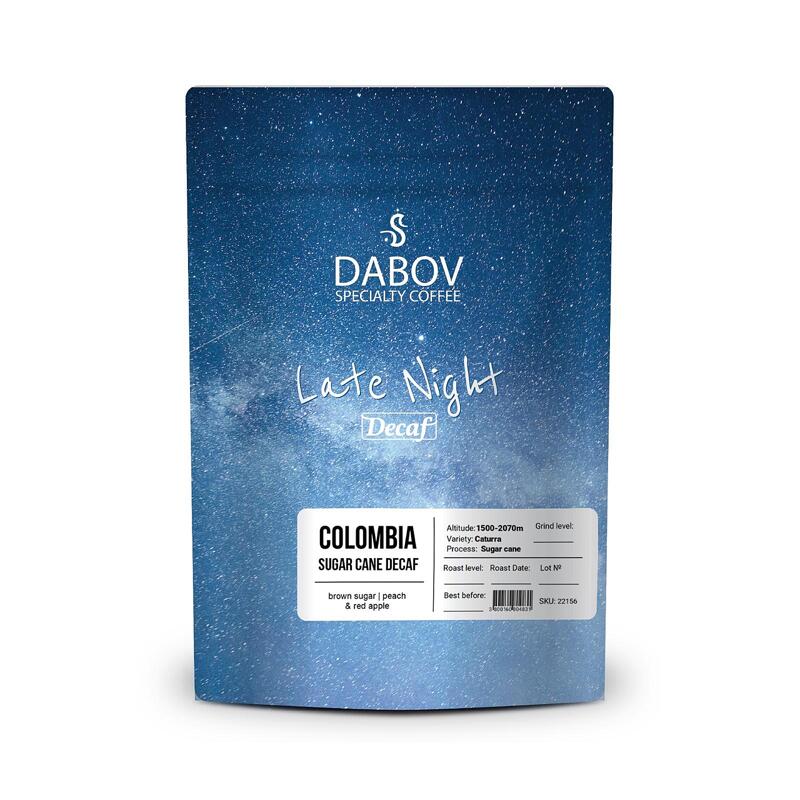
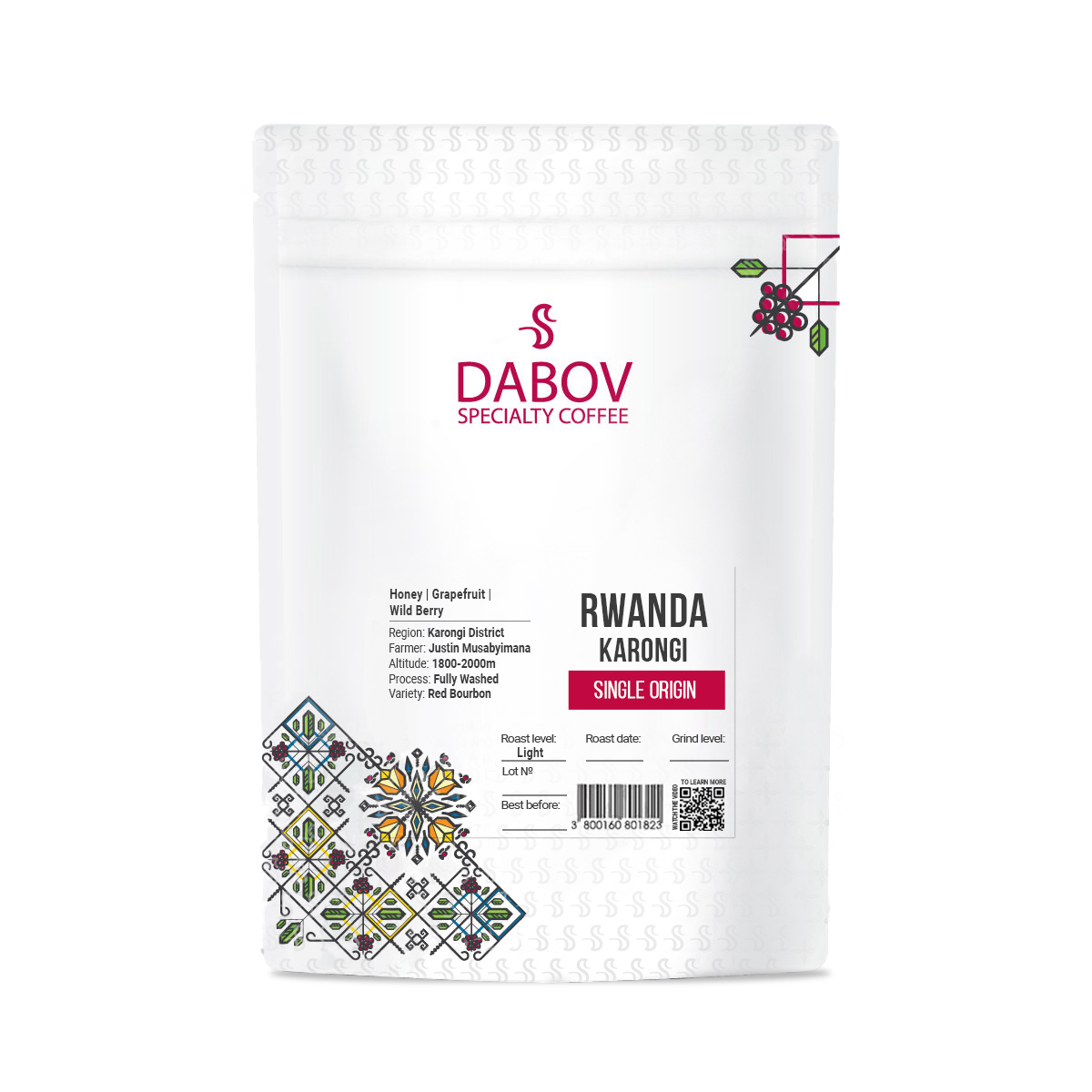
The concept of terroir — borrowed from wine but increasingly applied to coffee — refers to the complete environmental context a plant grows in: soil mineral composition, rainfall distribution, temperature range, altitude, humidity, the specific microbiome of the processing environment. Two lots of the same varietal grown 500 meters apart on different aspects of the same mountain can produce detectably different flavor profiles. This is why single-origin and micro-lot coffees carry specific farm and altitude information on the bag — the data points are not marketing; they are sensory clues.
How Coffee Actually Gets From Tree to Bag
A coffee tree takes 3–4 years from planting to first commercial harvest. Each tree produces roughly 2 kilograms of coffee cherries per season — enough for approximately 450g of roasted coffee. A 60-kilogram bag of specialty green coffee represents the work of roughly 30 trees across one harvest.
The harvest itself is almost always done by hand in specialty production. Mechanical strip harvesting — pulling all fruit off the branch at once — is efficient but picks ripe, unripe, and overripe cherries indiscriminately. Selective hand-picking targets only ripe red or yellow cherries, requiring pickers to return to the same tree multiple times as different cherries ripen. This is expensive, skilled labor — and one of the reasons specialty coffee costs more.
After harvest, processing begins. There are three dominant methods:
Washed (wet) processing: Pulp is removed mechanically, then fermented in water for 12–72 hours to break down the mucilage layer. The beans are then dried on raised beds or patios. Washed coffees tend to be clean, bright, and highly expressive of origin — the processing removes most fruit-forward sugars, leaving the bean's intrinsic character to dominate.
Natural (dry) processing: Whole cherries are dried in the sun for 3–6 weeks. The fruit ferments around the bean as it dries, infusing fruity, wine-like, and jammy notes into the final cup. Natural processing is the oldest method and still dominant in Ethiopia and Brazil. It requires less water but demands careful management to prevent over-fermentation or mold.
Honey processing: A middle path. Pulp is removed but varying amounts of mucilage are left on the bean before drying. Yellow honey, red honey, and black honey refer to increasing mucilage retention — each producing progressively more fruit-forward character.
Profiles in Farming: People Who Define Specialty Coffee
Asnakech Thomas — Amaro Gayo, Ethiopia
Asnakech Thomas is one of the first female mill owners in Ethiopia — a country where coffee originated and where women have historically been excluded from ownership roles in the industry. Her Amaro Gayo Coffee, grown in the Amaro mountains of southern Ethiopia, is sourced from heirloom Arabica varietals and processed at her own mill, where she employs primarily women during harvest.
Amaro Gayo coffees are known for their distinctive blueberry and stone fruit character — a product of the specific heirloom genetics and the high-altitude fermentation conditions in the Amaro area. Asnakech's decision to process at origin (rather than selling cherry to a central mill) gives her full control over the cup and allows her to command direct-trade pricing from specialty roasters in Europe and North America.
The Peterson Family — Hacienda La Esmeralda, Panama
No single farm has done more to reshape perceptions of what coffee can be. When the Peterson family submitted a lot of Gesha-varietal coffee to the Best of Panama auction in 2004, it sold for $21 per pound — then a world record. The coffee's intensity was unlike anything buyers had tasted: jasmine and bergamot aromatics at a level that made judges question whether it was even coffee.
Hacienda La Esmeralda's Gesha lots are now sold via online auction to buyers worldwide, reaching prices of $600–800 per pound at the top end. The farm divides its production by altitude lot, each processed separately and sold with specific elevation data. The Peterson family has demonstrated that provenance and processing transparency can command prices that make the economics of careful, low-yield specialty farming viable.
Maria Elena Botto — Finca El Paraíso, Huila, Colombia
Huila department in southwestern Colombia produces some of the country's most celebrated coffees — volcanic soil, consistent rainfall, and altitudes between 1,400 and 2,000 meters create ideal conditions for Caturra and Colombia varietals. Maria Elena Botto farms 5 hectares at Finca El Paraíso, managing a mixed varietal plot that includes traditional Caturra alongside disease-resistant hybrids introduced to address coffee leaf rust pressure.
Colombia's coffee leaf rust (Hemileia vastatrix) crisis of the early 2010s devastated traditional Caturra plantings across the country's main growing regions. Botto, like many Colombian smallholders, had to make difficult decisions about replanting with Castillo — the rust-resistant CENICAFÉ hybrid — while maintaining enough traditional Caturra to preserve the cup quality her direct-trade buyers valued. The tension between disease management and cup quality is a defining challenge of Colombian specialty farming in the current era.
The Economics of Coffee Farming
The gap between the price you pay for specialty coffee and what the farmer receives is one of the most significant equity problems in the food system. On the commodity market (C-market), green coffee has historically traded at $1.00–1.50 per pound, often below the cost of production for smallholders in high-cost origins like Costa Rica or Panama.
Direct trade relationships between specialty roasters and farms typically pay $2.50–6.00+ per pound for green coffee — a meaningful premium that reflects quality, traceability, and the relationship cost of working outside commodity channels. Programs like Cup of Excellence — a competitive auction platform that has operated in 16 producing countries since 1999 — allow exceptional lots to reach international buyers at prices reflecting their actual quality, with the vast majority of proceeds going directly to the producer.
| Model | Price to Farmer (approx.) | Transparency | Sustainability |
|---|---|---|---|
| C-market commodity | $1.00–1.50/lb | None | Often not viable |
| Fair Trade certified | $1.40+ minimum floor | Low | Modest improvement |
| Rainforest Alliance | Variable (no price floor) | Medium | Environmental focus |
| Direct trade | $2.50–8.00+/lb | High | Strong for quality farms |
| Cup of Excellence | $6–50+/lb for winners | Maximum | Transformative for winners |
The cooperative model plays a critical role for smallholders who cannot negotiate directly with international buyers. Ethiopia's Oromia Coffee Farmers Cooperative Union — representing over 350,000 farmer families across more than 400 primary cooperatives — provides processing infrastructure, market access, and technical training that individual farmers could not access alone. Cooperatives aggregate supply to reach minimum volume requirements, share wet-processing mills, and pool bargaining power in price negotiations.
Climate Change: The Most Urgent Challenge
Coffee is one of the most climate-sensitive crops commercially grown. Arabica's productive temperature range is narrow — 18–24°C for optimal development — and it requires consistent rainfall with a dry period to trigger flowering. As temperatures rise in traditional growing regions, the elevation band suitable for Arabica production shifts upward, compressing the available growing land and forcing farmers to either move production higher or transition to less climate-sensitive crops.
A 2015 study by the International Center for Tropical Agriculture (CIAT) projected that by 2050, between 50–73% of current arabica growing areas could become unsuitable for production under medium-to-high emissions scenarios. This is not a distant threat. Farmers in the traditional coffee zones of Central America — Guatemala's Huehuetenango, Costa Rica's Tarrazú — are already observing temperature increases and erratic rainfall that affect cup quality and yield predictability.
The response from within the specialty coffee industry includes:
- Investment in World Coffee Research's F1 hybrid breeding programs, producing new varietals that combine the cup quality of Gesha or Typica with improved disease resistance and climate resilience
- Agroforestry models that integrate shade trees with coffee plantings, moderating microclimate temperature and improving soil health
- Elevation migration, where feasible — planting new lots 200–400 meters higher than previous generations
- Diversification into other crops as economic insurance
Sustainable Farming: Practices That Define Leading Farms
The best farms in specialty coffee are distinguished as much by how they farm as by where. Several practices define the current leading edge:
Shade-grown cultivation: Traditional varieties of Arabica evolved under forest canopy and thrive in partial shade. Shade trees moderate temperature, increase biodiversity, improve soil health through leaf litter, and support the pollinator populations that maximize cherry set. Full-sun monoculture maximizes short-term yield but degrades soil and removes ecological services.
Water stewardship: Wet processing is water-intensive. Leading farms have invested in closed-loop water systems, mucilage composting, and eco-pulpers that reduce water consumption by 80–90% compared to traditional wet mills. In water-stressed regions like parts of Central America, this is both an ethical imperative and a regulatory necessity.
Compost and organic fertility: Coffee pulp and parchment, by-products of processing, are high in nitrogen and potassium when composted. Farms that close the loop — converting their own processing waste into organic fertilizer — reduce input costs, improve soil structure, and avoid the runoff problems associated with synthetic fertilizers near water sources.
Variety diversification: Monoculture planting of a single varietal creates maximum vulnerability to disease or climate disruption. Farms managing mixed plantings — Gesha alongside Bourbon, Typica alongside Castillo — have more resilience and can offer buyers the supply security that single-varietal farms cannot.
Frequently Asked Questions
How much of my coffee's price actually reaches the farmer?
Estimates vary significantly by supply chain structure. On the commodity market, farmers typically receive 10–15% of the retail price. In verified direct trade relationships, this can rise to 20–35%. Transparency is the key variable: roasters who publish actual green coffee prices paid are documenting their commitment in ways that abstract certifications cannot match.
What does "direct trade" actually mean?
There is no formal certification for direct trade. In practice, it describes a purchasing relationship where a roaster buys green coffee directly from a producing farm or cooperative, bypassing traditional importers and brokers. The premium over commodity price, the existence of a multi-year relationship, and documented farm visits are the indicators that distinguish genuine direct trade from marketing language.
Why does single-origin coffee cost more than blends?
Single-origin lots are typically purchased in smaller quantities, involve higher traceability overhead, and often come from farms focused on quality over yield — which means lower cherry-to-bean ratios and more selective harvesting. Blends allow roasters to combine less expensive components from multiple origins to achieve a consistent, balanced cup at lower cost.
Conclusion
The farmers behind specialty coffee are not passive suppliers of a raw material. They are plant breeders, soil scientists, fermentation engineers, and climate managers — often working with limited resources in the face of significant economic and environmental pressure. The terroir they cultivate, the varietals they maintain, and the processing choices they make set the absolute ceiling on what ends up in your cup.
Choosing specialty coffee from traceable origins — with visible farm information, altitude data, and direct-trade or Cup of Excellence provenance — is the most direct way to support the farming practices that produce genuinely extraordinary coffee. The price premium is real, but so is what it funds. Browse our single-origin coffee selection to explore coffees from farmers whose names and farms appear on the bag.