
What Terroir Actually Means in Coffee
Terroir is a French word with no clean English translation. In viticulture it describes the complete natural environment in which a vine grows: soil, subsoil, slope orientation, drainage, local temperature, and the invisible microbial world in the earth itself. Specialty coffee borrowed the concept in the early 2000s and stretched it further to include post-harvest processing — a move that remains debated, but one that reflects the practical reality that a washed and a natural from the same farm taste like different coffees.
In working terms, coffee terroir has four layers:
- Geography — altitude, latitude, slope aspect, proximity to water bodies.
- Pedology — soil type, pH, mineral content, organic matter, drainage.
- Climate — diurnal temperature range, annual rainfall, humidity, distinct seasons.
- Varietal genetics — which Arabica (or Robusta) cultivar is planted, each with its own flavor potential.
Processing is sometimes called a fifth layer. Whether you count it as terroir or terroir expression, it cannot be ignored: the same bean processed by washed versus natural methods will produce cups that score differently on acidity, body, and fruit intensity.
Altitude and the Slow-Maturation Advantage
Among all terroir variables, altitude is the one buyers and roasters cite first — for good reason. Cooler temperatures at elevation slow the development of coffee cherries, extending the maturation window from roughly 28 weeks at 800 m to 36–40 weeks at 1,800 m or above. That extended window allows sugars, organic acids, and flavor precursors to accumulate in concentrations simply impossible in a faster-ripening lowland fruit.
Specifically:
- Chlorogenic acid concentration rises with altitude, contributing a clean, bright acidity in the cup.
- Sucrose content increases, which translates to caramelization potential during roasting and perceived sweetness in the brew.
- Bean density climbs alongside altitude; denser beans conduct heat more uniformly in the roaster, giving roasters finer control over development.
Central American grading systems codify this relationship directly. Guatemala and Honduras use the designation Strictly Hard Bean (SHB) for coffee grown above approximately 1,350 m. Mexico and other producers use Strictly High Grown (SHG), typically beginning at 1,200–1,350 m. Both designations signal premium quality grounded in altitude's influence on bean density.
Soil: The Mineral Underpinning
Volcanic soils dominate the world's premium coffee belts — and for good reason. Andisols derived from volcanic ash are exceptionally porous, meaning excellent drainage even under heavy rainfall, while simultaneously retaining moisture through their high organic matter content. They tend toward slight acidity (pH 5.5–6.5), which suits Arabica perfectly.
The mineral composition of volcanic soil contributes trace elements that influence flavor compound formation during bean development. Coffees from Kenya's red volcanic clay — technically Nitisols — are consistently cited for intense phosphorus-rich fruit expression, a quality tied to the specific mineral fingerprint of soils around Mt. Kenya and the Aberdare Range. The SL-28 variety, developed by Scott Laboratories and widely planted in Kenya since the 1930s, performs at its apex in that mineral environment; transplant it to lower-fertility soils and it yields a less vivid cup.
Not all premium soil is volcanic. Ethiopian forest coffee grows partly in Alfisols — older, less nutrient-dense soils than Andisols — but the dense forest canopy continuously returns organic matter via leaf litter, compensating through biotic rather than geologic fertility. The result is a different flavor signature: more layered, less sharply mineral than high-altitude Andean lots.
Climate: Rainfall, Seasons, and the Stress Factor
Coffee needs 1,500–2,500 mm of annual rainfall, but distribution matters more than total volume. Regions with distinct wet and dry seasons — the bimodal rainfall pattern found across much of East Africa, and the single-season pattern in Central America — provide a physiological stress event during the dry period that concentrates sugars in the cherry. Too severe a dry season causes scorching and yield collapse; too mild a dry season and cherries develop without that concentration effect.
The diurnal temperature range — the gap between daytime highs and nighttime lows — is a proxy for altitude that buyers increasingly track. A 15–20°C daily swing (common in high Colombian or Ethiopian growing areas) slows respiration in the cherry at night, locking in the acids and aromatic compounds built during the warmer day. This range is the mechanism behind the altitude effect, not the altitude itself. Some lower-altitude regions that sit near equatorial cold currents or large bodies of water can achieve comparable diurnal ranges.
Costa Rica's Tarrazu valley illustrates the interaction clearly. Ringed by mountains on both the Pacific and Caribbean flanks, Tarrazu receives moisture from both coasts, creating a cloud-layer microclimate that moderates temperature and sustains humidity through much of the year. The resulting coffees — consistently washed, consistently Caturra or Catuai — carry a brightness and clarity that is almost definitionally Tarrazu: crisp citric acidity, honey sweetness, clean finish.
Processing: Where Terroir Meets Human Choice
Once the cherry is picked, human decisions take over — but those decisions interact with terroir rather than replace it. The three primary processing methods extract flavor differently from the same fruit.
| Processing Method | Mechanism | Typical Cup Impact | Common Origins |
|---|---|---|---|
| Washed (Wet) | Pulp removed, beans fermented in water tanks, dried on beds | High clarity, pronounced acidity, clean varietal expression | Ethiopia (Yirgacheffe, Sidamo washed), Colombia, Kenya, Costa Rica |
| Natural (Dry) | Whole cherry dried in the sun, fruit sugars ferment around seed | Heavy body, low acidity, intense fruit and fermented notes | Ethiopia (Harrar, Sidamo natural), Yemen, Brazil |
| Honey / Pulped Natural | Skin removed, varying amounts of mucilage left on bean | Intermediate — sweetness emphasized, body between washed and natural | Costa Rica, Guatemala, El Salvador |
| Wet-Hulling (Giling Basah) | Parchment removed at ~45% moisture, finished drying after | Very low acidity, full earthy body, blue-green bean appearance | Sumatra, Sulawesi, parts of Flores |
| Anaerobic / Extended Fermentation | Sealed fermentation tank before any processing | Amplified fruit/floral intensity, lactic or winey notes | Specialty producers globally |
The Giling Basah (wet-hulling) method of Sumatra deserves special attention because it is inseparable from Sumatran terroir. High humidity in Aceh and North Sumatra makes clean sun-drying extremely difficult; wet-hulling solves the logistical problem but imprints a characteristic earthiness, cedar-like body, and near-zero acidity onto the cup. Sumatran flavor is not despite Giling Basah — it is Giling Basah. Remove that method and you no longer have Sumatran coffee.
Major Terroir Regions and Their Signatures
East Africa: Complexity as the Default
Ethiopian coffees from Yirgacheffe — grown at 1,700–2,200 m, processed washed — are the benchmark for floral, tea-like, citrus-forward specialty coffee. Bergamot, jasmine, lemon verbena, and nectarine are common descriptors that emerge not from any roasting intervention but from the cultivar diversity and altitude of the Gedeo zone.
Naturally processed Sidamo and Harrar present a different face of the same country. Harrar in particular, grown at 1,400–2,000 m in the eastern highlands and processed as sun-dried naturals, produces intensely jammy, blueberry-and-chocolate cups with a fermented wine quality that divides opinion sharply among specialty drinkers. Some cup enthusiasts prize this; others find it too far from clean.
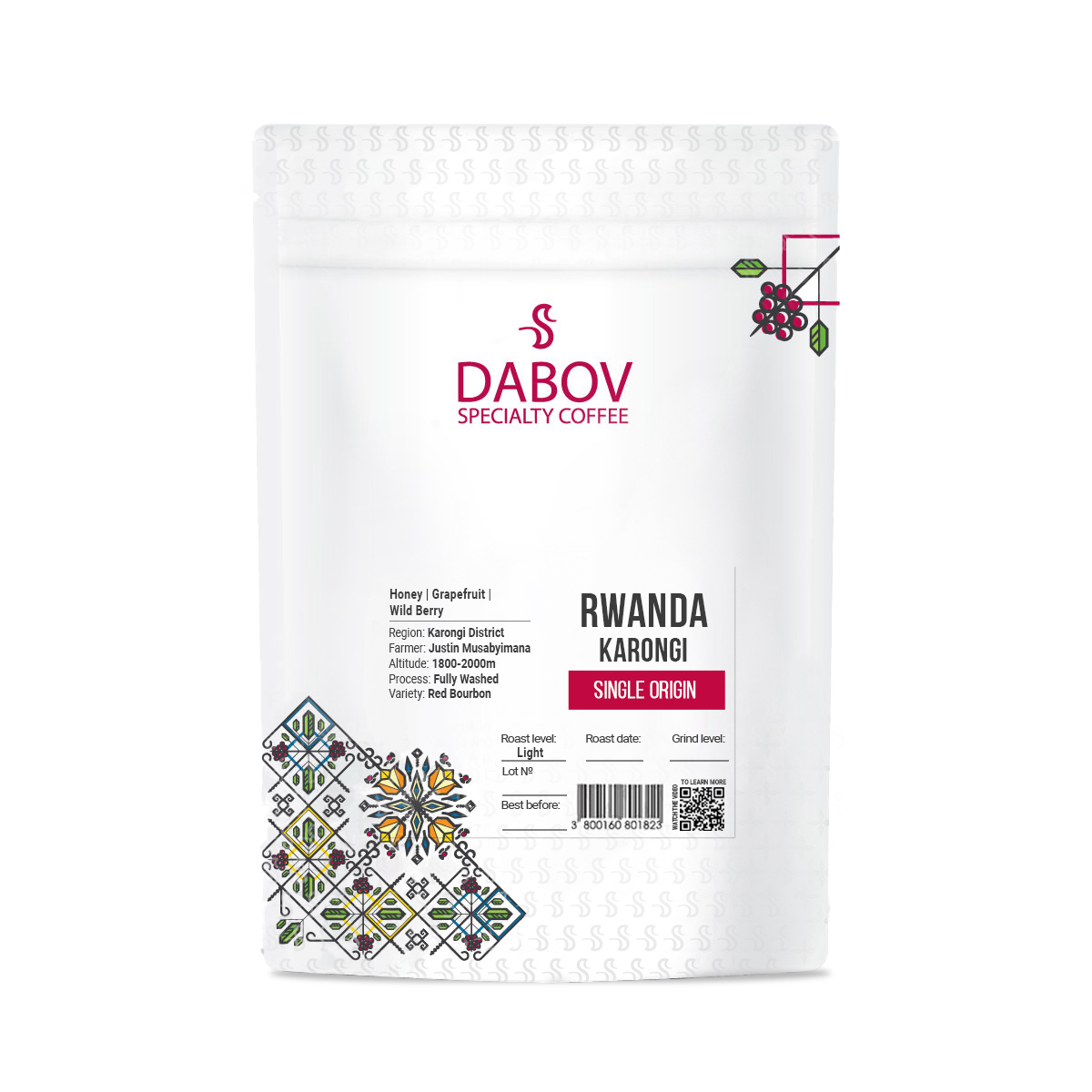
Kenyan coffees — particularly from Nyeri and Kirinyaga counties — are built on a triad of SL-28 genetics, red Nitisol soils, and double fermentation at the washing station. The result is a blackcurrant-tomato-dark-berry profile with a mouth-coating body that is virtually impossible to fake from another origin.
Colombia and the Andean Terroir Range
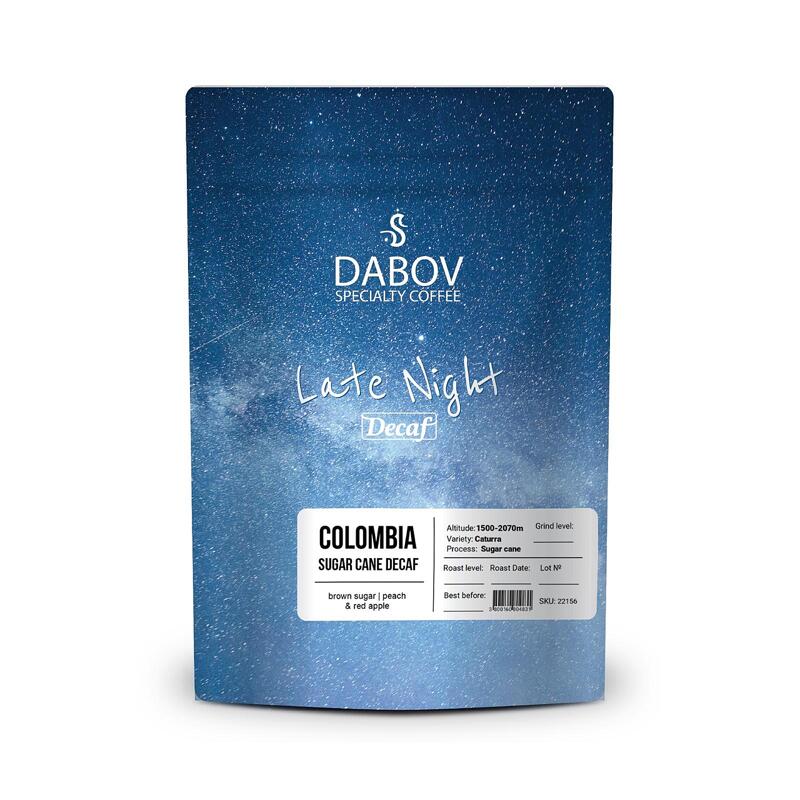
Colombia's geographical breadth means its coffee is not one terroir but twenty-two distinct ones. Huila department in the southwest tends toward high acidity, stone fruit, and floral sweetness — the sort of cup that appears regularly at Cup of Excellence as a winning lot. Nariño, further south and at even higher altitude (often above 2,000 m), produces smaller, denser beans with intense sweetness and a herbal, citrus-driven edge that Huila lots rarely show.
Both are typically washed and both grow primarily Castillo and Caturra varietals. Flavor differences trace back to altitude, soil origin (Nariño sits on deeper volcanic stratigraphy), and the microclimate created by proximity to the Ecuadorian border and the Pacific.
Central America: The Clarity Belt
Guatemala's Antigua and Huehuetenango regions demonstrate terroir contrast within a single country. Antigua sits in a mountain valley with fertile volcanic soil and consistent, moderate temperatures; coffees there are full-bodied with gentle spice and chocolate notes. Huehuetenango, a dry-process area at 1,500–2,000 m with no direct volcanic influence, produces lighter, more peach-and-citrus-forward cups with a wine-like acidity that can surprise drinkers expecting the Antigua profile.
Costa Rica's Tarrazu and Tres Ríos both produce benchmark washed coffees. Tres Ríos, sometimes called the Bordeaux of Costa Rica, uses the same altitude and varieties as Tarrazu but benefits from a plateau microclimate closer to San José that produces a slightly more restrained, wine-adjacent brightness.
Microclimates: Terroir Within Terroir
Regional descriptions are starting points, not endpoints. Within any named growing zone, farms at different slope aspects, elevations, and distances from tree cover experience meaningfully different conditions. This is the logic behind micro-lots — small, separated harvest batches from specific parcels of a farm that show distinct cup character from the surrounding standard lots.
A south-facing slope in Colombia's northern hemisphere receives more direct equatorial sun than its north-facing neighbor; the resulting cherries ripen faster, accumulate different ratios of sugars to acids, and taste different in the cup — sometimes dramatically so. A row of shade trees can drop the canopy temperature by 3–5°C compared to the sunny plot 20 meters away, recapitulating at the micro scale the exact mechanism that makes high-altitude coffee distinctive.
Specialty roasters who offer named micro-lots are not simply marketing. They are reporting actual variability in cup character that any calibrated palate can detect in a blind cupping. The traceability chain that makes micro-lot sourcing possible — cooperative lot separation, GPS plot mapping, individual drying bed tracking — is one of the structural improvements that specialty coffee's emphasis on terroir has driven in producing countries.
Why Terroir Matters at the Consumer Level
Terroir literacy changes how you shop for coffee in three practical ways.
First, flavor prediction. If you know that washed Yirgacheffe runs bright and floral and that you prefer that to the earthy weight of a Sumatran Giling Basah, you can navigate a menu or a roaster's website without relying on descriptors alone. You can filter by origin and process before reading a single tasting note.
Second, price calibration. High-altitude, micro-lot, washed coffees from well-documented farms cost more because the entire chain — from slower growing to lot separation to meticulous wet milling — is labor and time intensive. Understanding what drives those costs helps you assess whether a premium is justified or whether a roaster is simply charging for a story.
Third, quality accountability. When you understand terroir, you can distinguish between a roaster who cites origin as marketing and one who sources purposefully. A bag that says Ethiopia tells you less than one that says Yirgacheffe, Kochere washing station, Grade 1, natural process — and now you know why.
Frequently Asked Questions
Is terroir in coffee as significant as in wine?
The analogy is imperfect but useful. Wine grapes are picked and fermented with minimal transformation; coffee undergoes roasting, a high-heat process that can amplify or mask terroir signals depending on how it is applied. Light roasts preserve terroir expression most faithfully; dark roasts tend to converge toward caramel and carbon flavors that blur origin. At light-to-medium roast levels, terroir in coffee is highly significant and reliably detectable.
Can I taste the difference between origins without formal training?
Yes — and more quickly than most people expect. A side-by-side cupping of a washed Yirgacheffe and a Sumatran Mandheling (even brewed as pour-overs) will produce cups that no untrained palate mistakes for the same coffee. Begin with the most contrasting pairs (East Africa vs. Indonesia) before moving to subtler comparisons (Huila vs. Nariño).
Does the varietal or the growing region matter more?
Both are real variables, but they interact. SL-28 in Kenya expresses a flavor profile that SL-28 outside of Kenya's red volcanic soils does not perfectly replicate. Conversely, the same region planted with a different varietal will produce a different cup. Think of varietal as the canvas and growing region as the light it is viewed under — you need both to understand the painting.
What does Grade 1 mean on Ethiopian coffee bags?
Grade 1 is Ethiopia's highest quality classification, indicating a defect count below a specified threshold and cup score above 85 on the SCA scale. It is an imperfect proxy for terroir expression — processing quality and lot separation matter too — but Grade 1 washed Yirgacheffe and Grade 1 washed Sidamo represent the cleanest terroir expression those origins can offer.
Why do some bags list a washing station rather than a specific farm?
In Ethiopia especially, most coffee is grown by smallholders with plots of 0.5–2 hectares. Those farmers deliver cherries to a central washing station (or dry-processing site) that aggregates output from hundreds of growers. The washing station is the traceable unit of production; it defines the processing consistency and much of the quality, even if the underlying land spans many individual farms.
Conclusion
Terroir is not mysticism — it is agronomy, geology, and food science operating at field scale. When you understand how altitude slows cherry maturation, how volcanic soil delivers minerals that become flavor compounds, and how processing either reveals or reframes those raw materials, every cup becomes readable. The washed Yirgacheffe is bright because it grew slowly at 1,900 m in acidic, humus-rich forest soil and was then fermented clean. The Sumatran is earthy because it grew in humid lowlands and was partially dried in a centuries-old technique that prioritizes logistics over clarity. Neither is better — they are different expressions of different places.
Explore the full range of what terroir can produce with our single-origin roasted coffee selection, sourced from documented farms and cooperatives across Ethiopia, Colombia, Costa Rica, and beyond.